

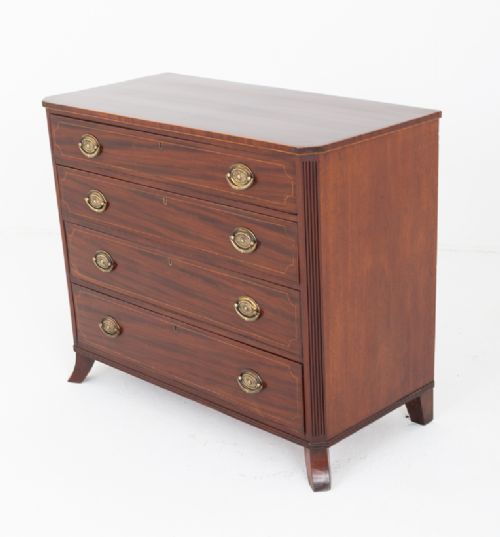
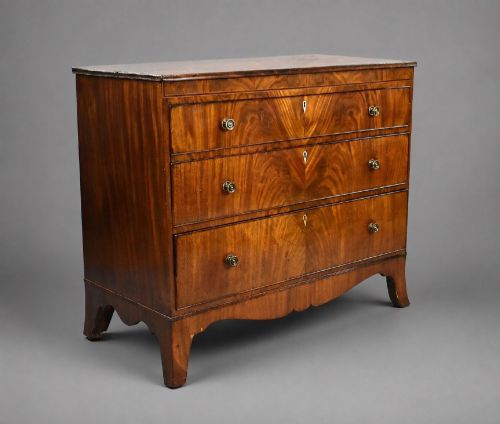
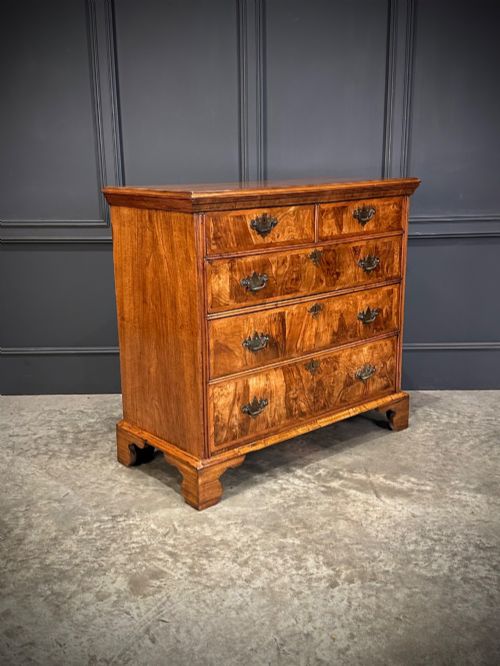
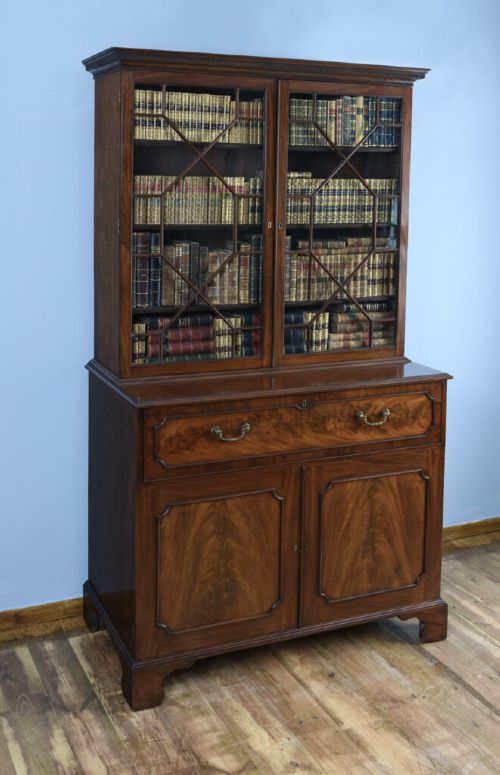



Period Wood Bureau
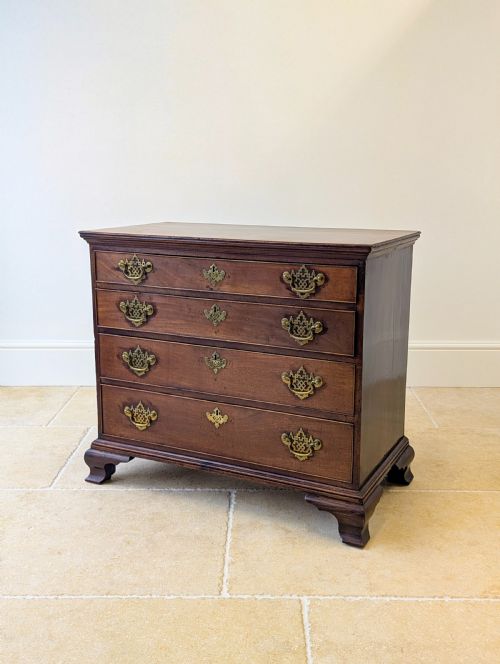
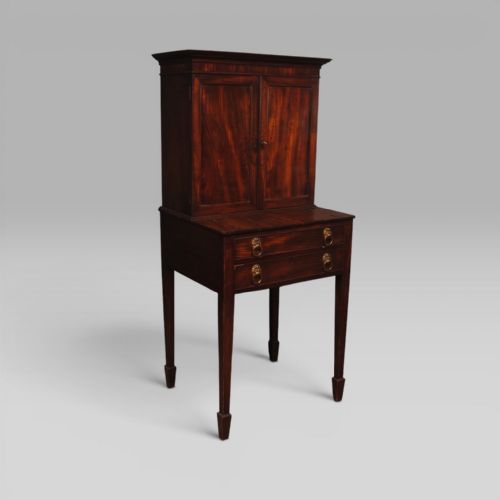
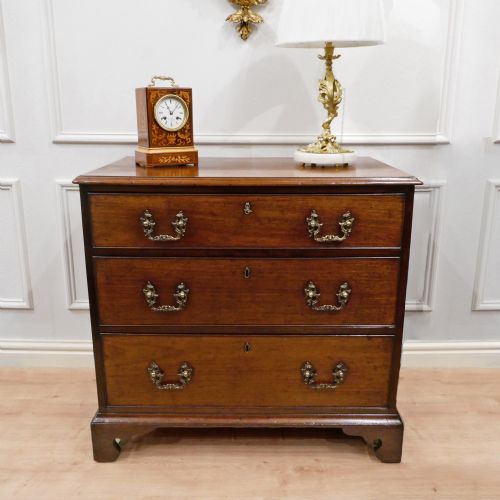
A period wood bureau brings tangible craftsmanship into a room, offering practical storage alongside a dedicated writing surface built by earlier generations.
Period Wood Bureau
A period wood bureau combines a writing slope with drawers or compartments, often evolving into more complex forms like secretaire bookcases or writing desks. When searching for a period wood bureau, buyers encounter various historical iterations spanning the Georgian, Regency, Victorian, and Edwardian eras.
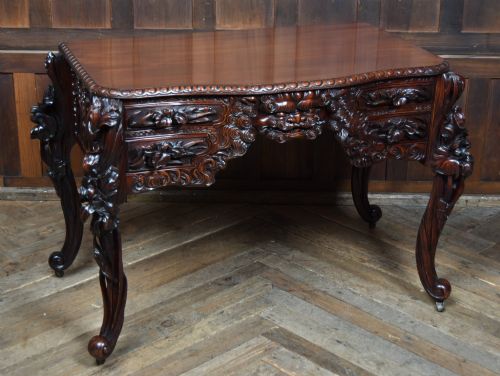
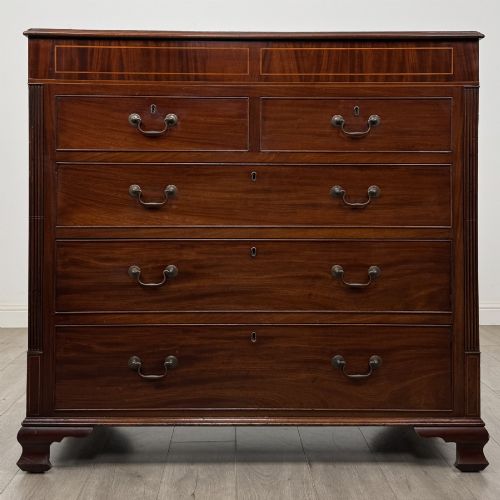
The pieces appearing in this selection reflect diverse regional and stylistic origins, including George III designs, Sheraton periods, and early walnut pieces. Mahogany and oak dominate the selection, accompanied by rosewood, walnut, and partridgewood examples.
Many of these items function primarily as desks or chests of drawers with integrated writing surfaces, capturing the domestic and library needs of the eighteenth and nineteenth centuries.
Construction Materials and Techniques
Cabinet makers utilised dense hardwoods such as mahogany and oak for structural integrity and longevity, frequently lining internal drawers in secondary timbers like oak or pine. Walnut and rosewood appeared in finer iterations, alongside specialised veneers and inlay work.
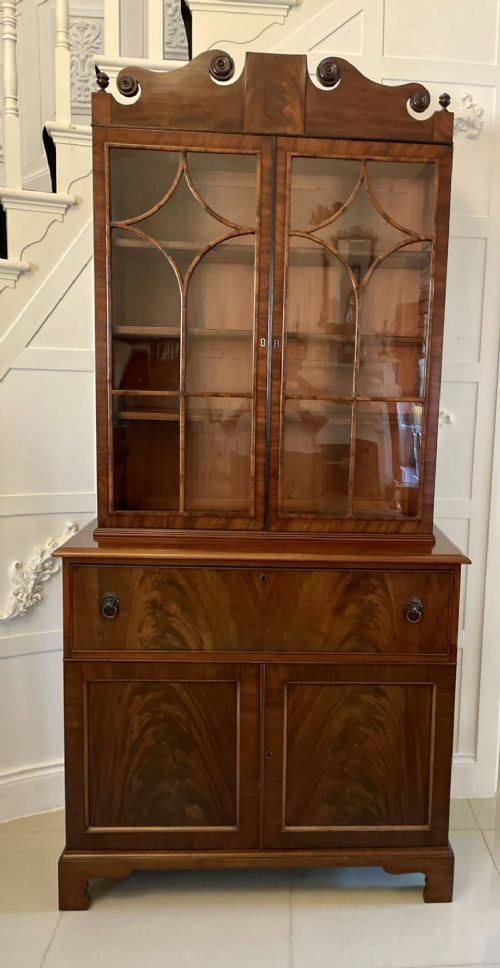
Hardware typically involved brass for handles, escutcheons, and keyplates, while glass featured prominently in the doors of upper bookcase sections. Leather inserts frequently surfaced on writing surfaces, complementing the carved or polished wood exteriors.
Period Wood Bureau Retail Price Guide 2026
Typical asking prices for period wood bureau among the pieces listed under this phrase on Sellingantiques today, from the lower quarter to the upper quarter. They describe what is for sale here now, not the wider market.
Several desks manage to look remarkably important while occupying remarkably little floor space.
Evaluating Quality and Finish
Quality rests in the selection of timber grain, such as flame mahogany or figured walnut, and the precision of the dovetail joinery within the drawers. Finer pieces demonstrate restraint in inlay and carving, matching the specific stylistic vocabulary of their period.
Proportion and scale distinguish superior items, particularly when cabinet makers managed diminutive proportions or complex serpentine fronts without compromising structural harmony. Original hardware and untouched surface patination elevate an example further.
George Faulkner Armitage·Gillows·Thomas Hope
The Period Wood Bureau Glossary
- Secretaire
- A piece of furniture containing a concealed writing drawer or fold-down writing flap. This format disguises a functional desk as a standard chest of drawers or bookcase.
- Tambour
- A sliding shutter constructed from narrow vertical strips of wood glued to a fabric backing. It allows smooth operation around curved corners on desks and cabinets.
- Serpentine front
- A furniture front characterised by a gentle concave curve flanked by two convex curves, or vice versa. This sophisticated shaping requires immense skill from the woodworker.
- Davenport desk
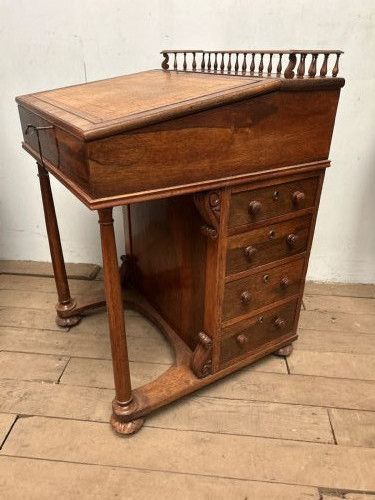
- A compact box-like writing desk with a sloping top and drawers opening to the side. These small proportions suited nineteenth-century drawing rooms.
- Escutcheon
- A protective plate surrounding a keyhole. They are typically cast in brass and secured with small pins.
Period Wood Bureau: Frequently Asked Questions
How do I date a wooden bureau?
Dating relies on examining construction methods, timber choices, and stylistic cues present in the piece. Secondary woods and handle designs often provide precise chronological markers.
Cabinetry from the Georgian era exhibits distinct dovetailing techniques compared to later Victorian or Edwardian production. Comparing the piece against documented stylistic periods helps narrow its origin.
How do I care for antique wood furniture?
Maintain stable indoor humidity levels and keep wooden surfaces away from direct heat sources and harsh sunlight. Regular dusting with a soft, dry cloth preserves the polished finish.
Avoid silicone-based polishes that can degrade historical finishes over time. Traditional wax application helps nourish older hardwoods like mahogany and oak.
Where should I place a bureau in my home?
Bureaux fit well in studies, living rooms, or hallways where their dual function as storage and a desk proves useful. Their compact footprints make them adaptable for smaller spaces.
Ensure adequate natural or artificial light falls across the writing surface for comfortable reading and writing. Positioning them away from high-traffic walkways protects protruding flaps and hardware.