

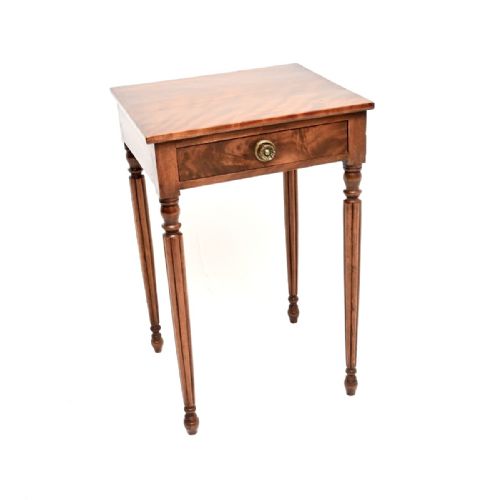
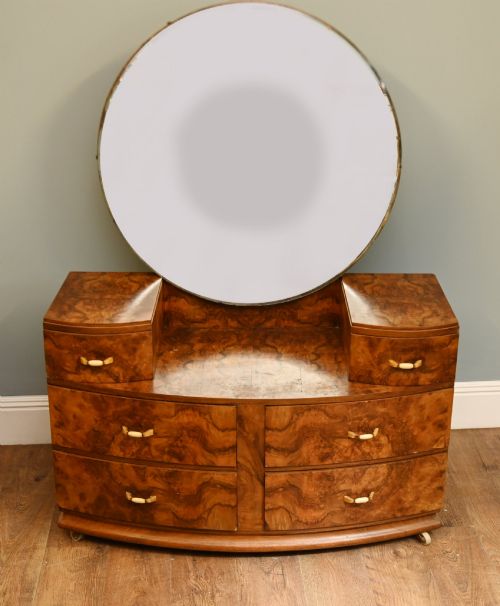
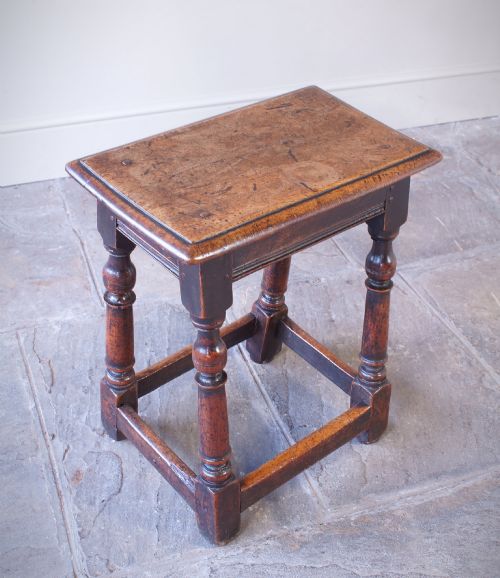
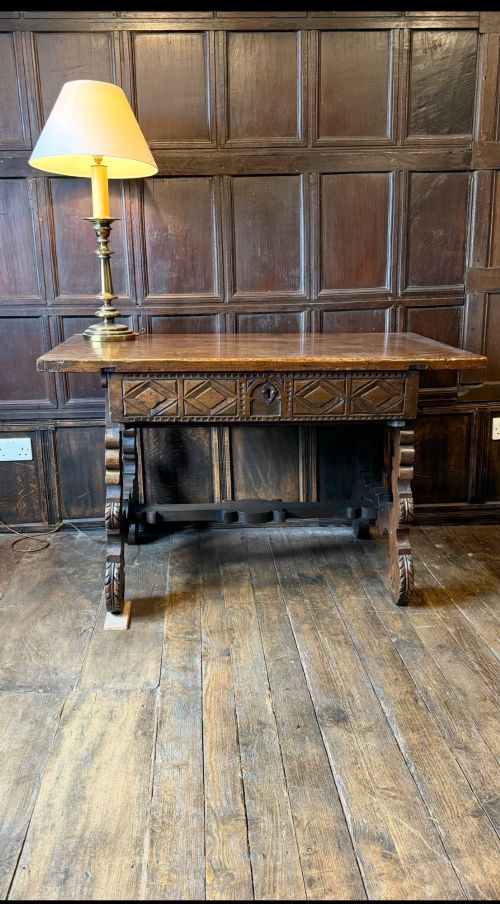


Period Walnut Table
A period walnut table brings deep warmth and striking grain figures to a room, ranging from early lowboys to grand Victorian centre tables.
Period Walnut Table
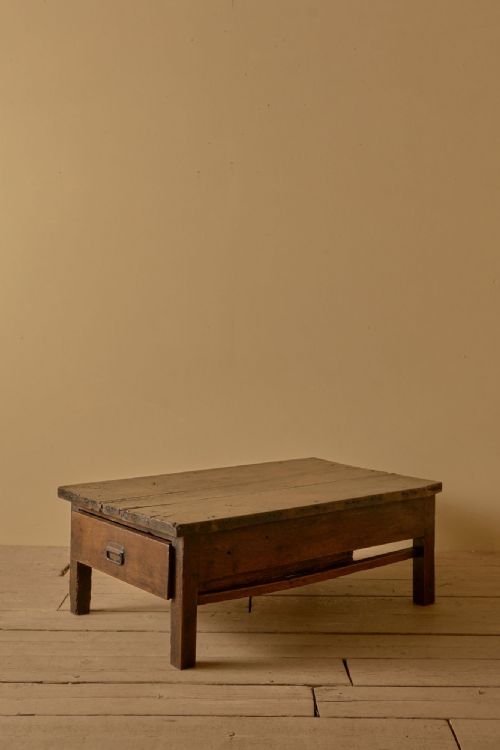
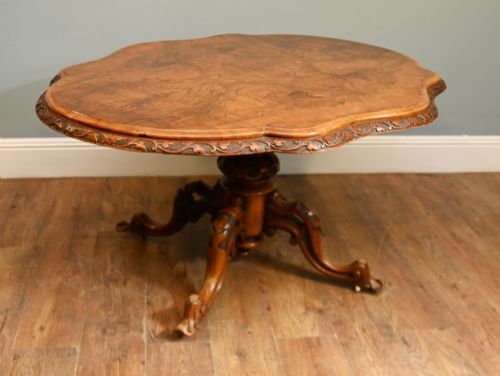
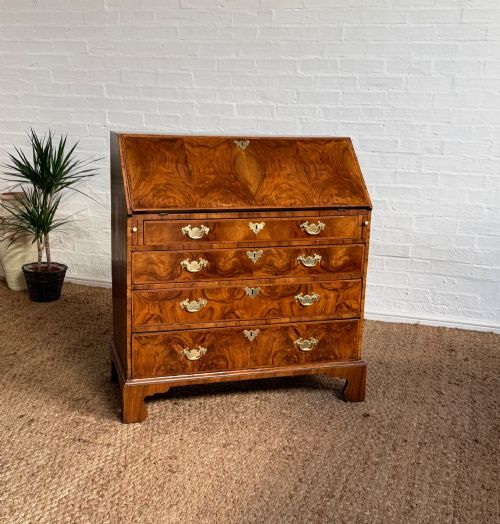
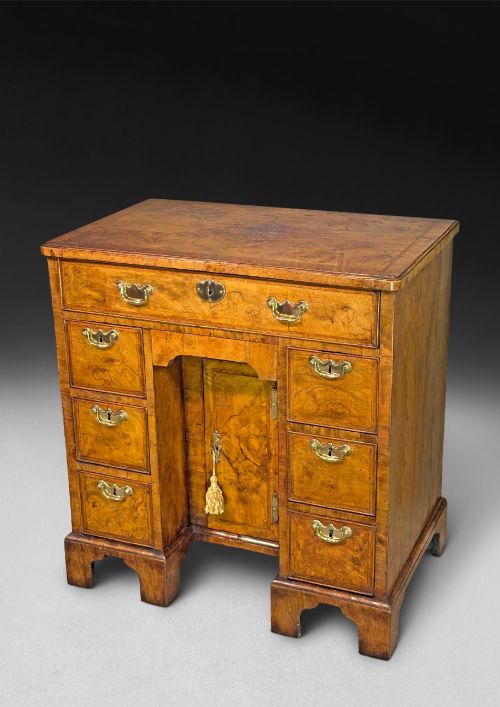
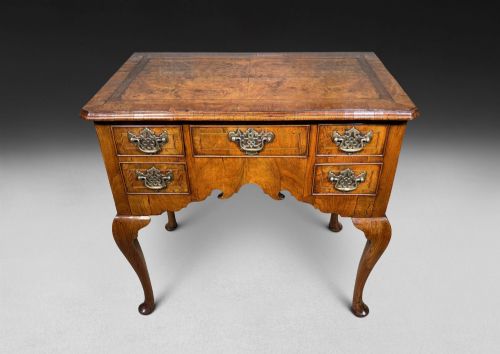
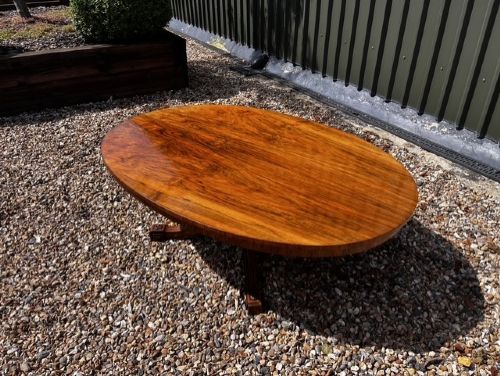
When you search for a period walnut table, you encounter a diverse group of domestic furniture spanning several centuries. The selection on this page includes side tables, desks, lowboys, centre tables, stools, dressing tables, bureaus, and coffee tables originating from the 17th century through to the Victorian era and the 1930s. Side tables, lowboys, and centre tables appear most frequently among these listings.
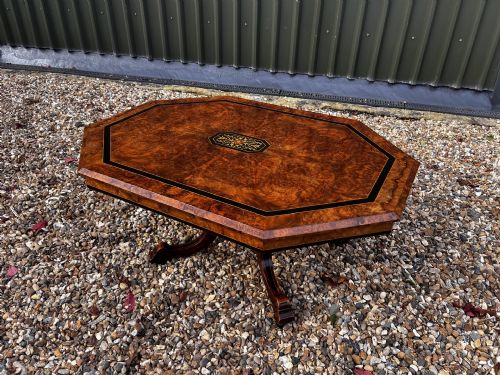
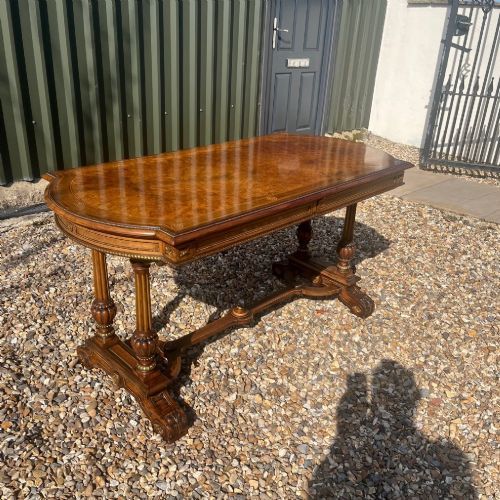
The earlier examples date from the 17th century, featuring joined structures, gateleg designs, and heavy timber surfaces. Georgian pieces from the 18th century introduce refined proportions, figured veneers, and specialised forms such as kneehole desks and lowboys. Victorian interpretations and later revivals continue the tradition with burr walnut veneers, ormolu mounts, and occasional marble or glass tops.
How they were made
Cabinet makers utilised solid timber and delicate veneers applied to secondary woods, selecting walnut for its rich tone and varied grain pattern. Burr walnut sections required careful sawing to display swirling, ornamental motifs across tabletops and drawer fronts. Secondary woods such as oak appear in internal framing and drawer construction.
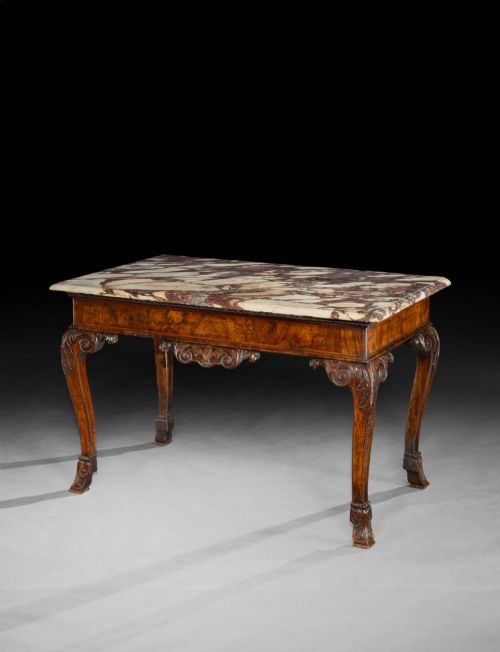
Additional materials integrated into these pieces include brass for handles and key escutcheons, leather inserts for writing surfaces, and carved giltwood or parcel-gilt details. Marble and glass inserts top specific console and centre tables, while ormolu mounts enhance Victorian library tables.
Period Walnut Table Retail Price Guide 2026
Typical asking prices for period walnut table among the pieces listed under this phrase on Sellingantiques today, from the lower quarter to the upper quarter. They describe what is for sale here now, not the wider market.
Footstools made appearances alongside dressing tables, proving that 19th-century dressing routines involved serious foot pampering.
What varies in quality
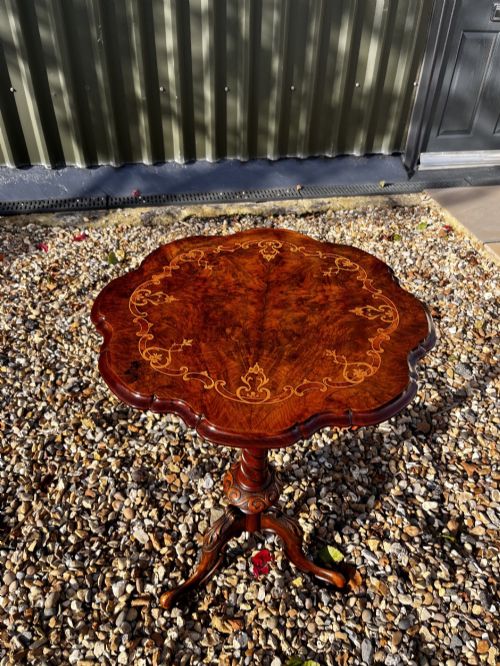
The degree of figuration in the walnut veneer distinguishes standard domestic examples from exceptional cabinet work. Pieces displaying symmetrical burr patterns or detailed marquetry inlay demand greater skill from the artisan and present a more striking visual presence.
Structural execution and secondary details set items apart. Fine carving on cabriole legs, crisp mouldings, original brass hardware, and specialised additions such as specimen marble tops elevate the standing of a table within its period.
Holland And Sons Of London
The Period Walnut Table Glossary
- Lowboy
- A small dressing or side table featuring drawers beneath the work surface, commonly set on slender cabriole legs.
- Burr walnut
- A veneer sliced from walnut tree growths, prized for its complex, swirling grain patterns.
- Ormolu
- Gilded bronze used for decorative mounts on fine furniture, particularly during the Victorian period.
- Marquetry
- Decorative patterns formed by fitting together thin slices of various woods and materials onto a surface.
Period Walnut Table: Frequently Asked Questions
How do I date a walnut table?
Dating relies on observing construction methods, leg profiles, and hardware types characteristic of eras such as the Georgian period or the 17th century.
Secondary woods and veneer thicknesses also provide clear indicators of age and origin.
Where were lowboys placed?
A lowboy served multiple domestic purposes, functioning as a dressing table in a bedroom or a side table in a hall.
Its compact footprint made it adaptable for various rooms within period houses.
How do I clean walnut furniture?
Maintenance requires gentle dusting with a soft cloth to protect the polished timber and delicate veneer surfaces.
Harsh chemical cleaners and excessive moisture must be avoided to preserve the finish.
What is the difference between a centre table and a side table?
A centre table is finished on all sides to stand freely in the middle of a room.
A side table is designed to sit directly against a wall.