

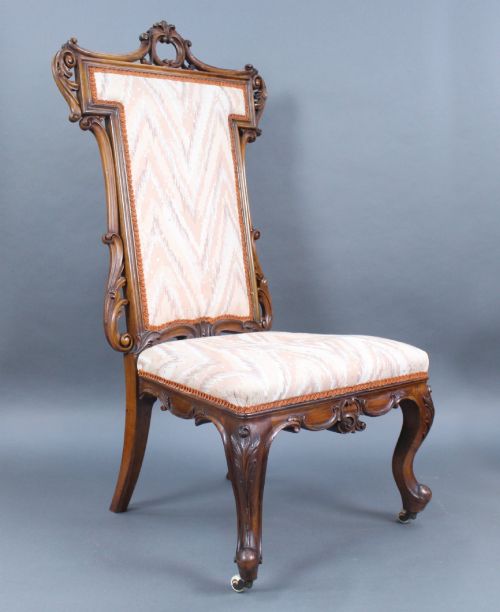
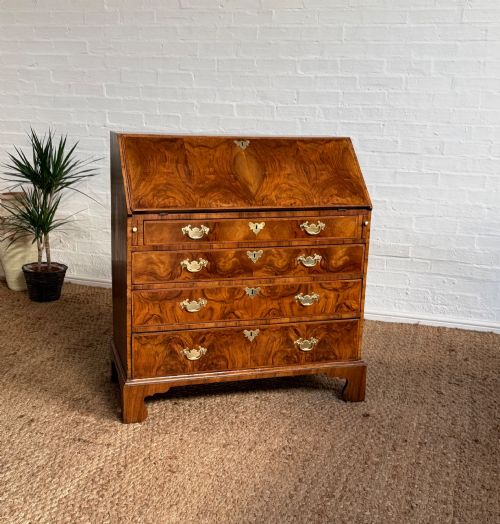
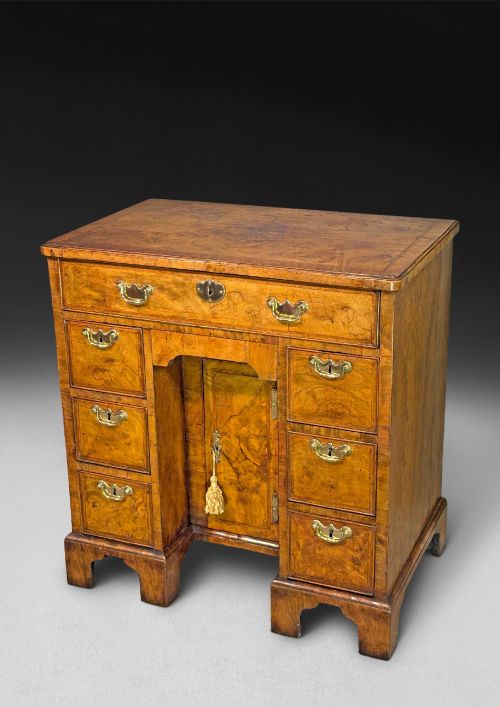
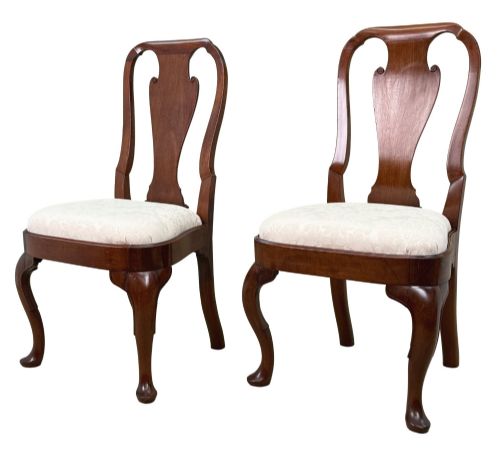

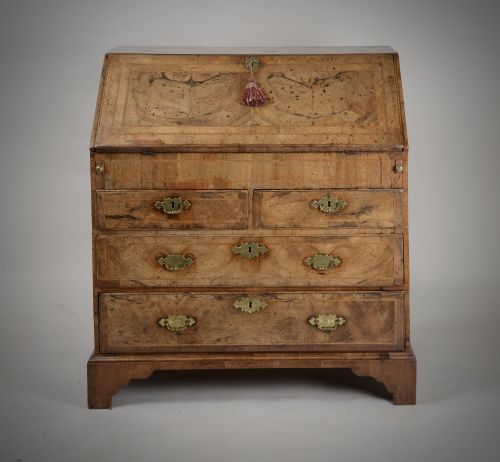
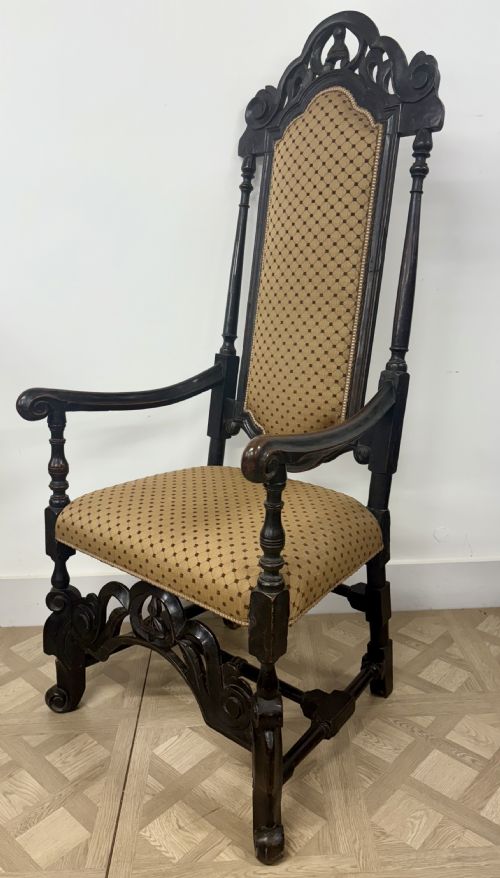
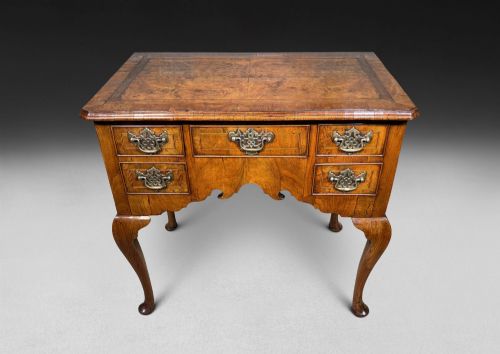
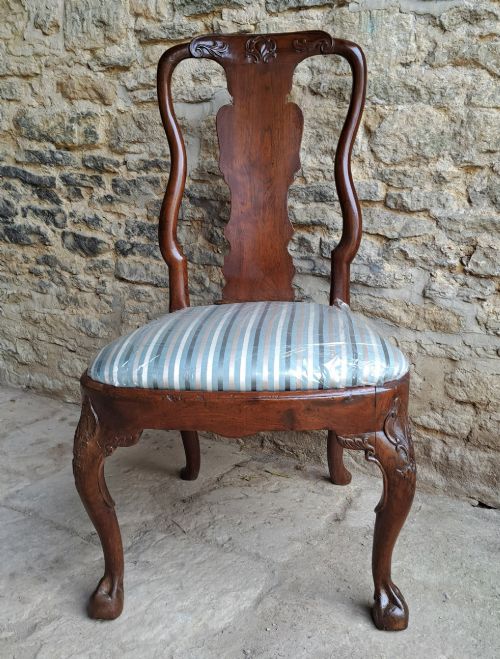
Period Walnut Desk
A period walnut desk brings warmth and rich grain to a room, offering practical writing space framed in centuries of cabinet-making history.
Period Walnut Desk
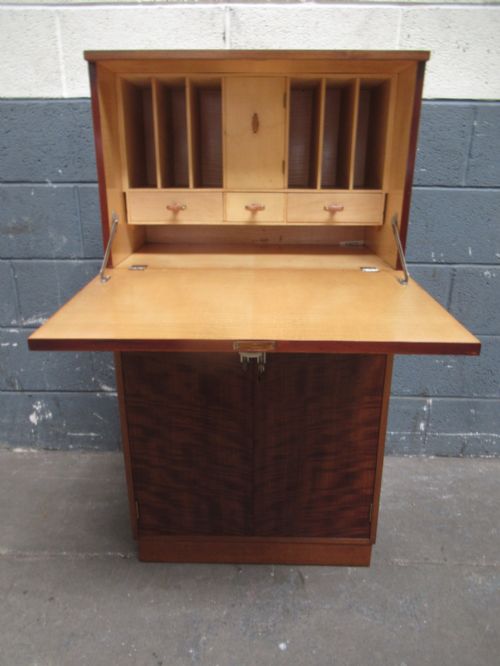
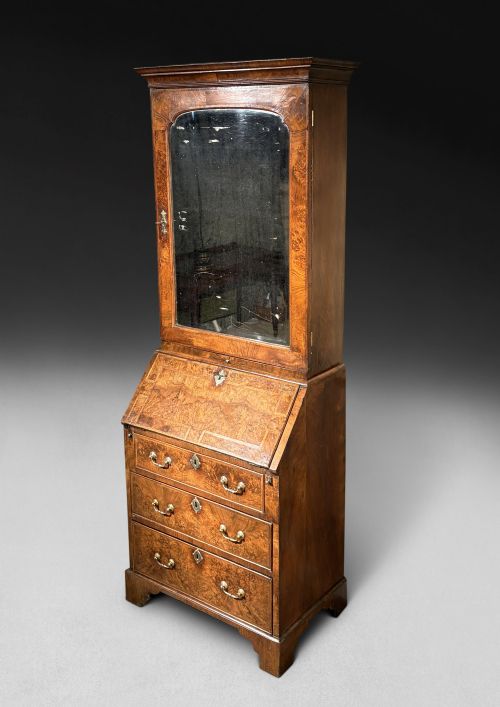
The pieces often feature fitted interiors with pigeonholes and small drawers hidden behind a sloping fall-front or beneath a leather-lined writing surface. Alongside standard desks, related forms such as escritoires and bureau cabinets appear frequently in the listings. Walnut serves as the primary timber, complemented by secondary woods like oak and brass hardware.
Factors of Quality
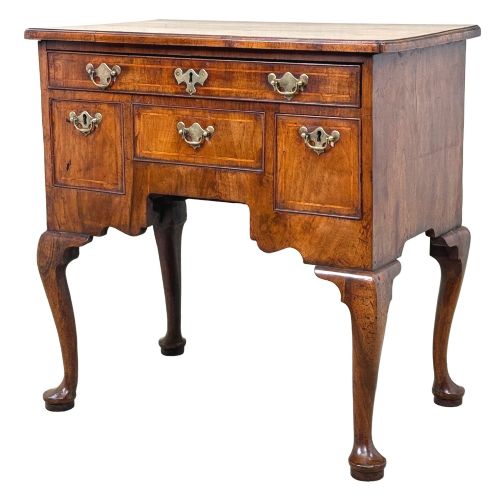
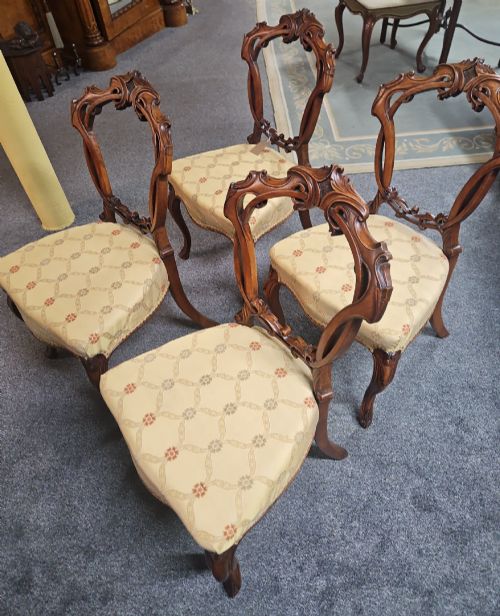
Quality rests upon the selection of the walnut timber itself, with highly figured burr veneers commanding greater visual depth than plain grain. The crispness of carved details, such as cabriole legs or shell motifs on Georgian and Queen Anne examples, distinguishes finer workshop production from simpler output.
Originality of surface finish and hardware heavily influences desirability, as untouched patination and period brasses retain the historical integrity of the piece. The complexity of internal fittings, including secret compartments and well-arranged pigeonholes, also separates standard items from exceptional cabinet-work.
Period Walnut Desk Retail Price Guide 2026
Typical asking prices for period walnut desk among the pieces listed under this phrase on Sellingantiques today, from the lower quarter to the upper quarter. They describe what is for sale here now, not the wider market.
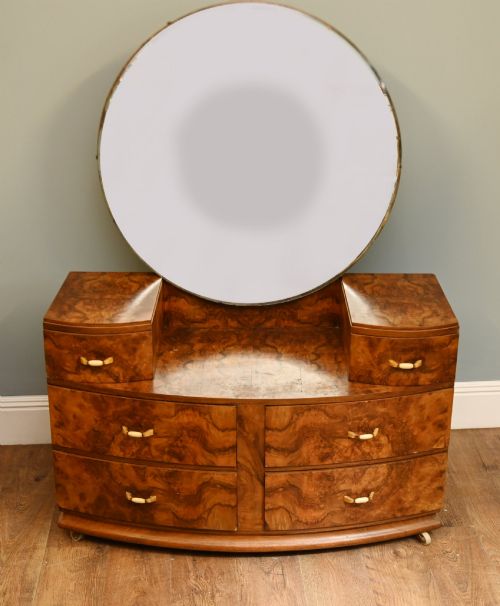
Listings feature walnut desks spanning from the late 17th century through the Victorian era and into 1930s Art Deco designs.
Gillows·Charles Tozer
The Period Walnut Desk Glossary
- Burr walnut
- A specialised timber cut from walnut tree growths, producing intricate, swirling grain patterns highly prized for cabinet veneers. It creates a decorative mottled effect across desk fronts and bureau lids.
- Kneehole desk
- A compact writing table featuring a central recess for the user's knees, flanked by pedestals of small drawers. This form became popular during the early 18th century.
- Escritoire
- A tall cabinet with a drop-front writing panel that conceals an array of small drawers and compartments. These pieces date back to the late 17th century.
- Davenport
- A small, compact Victorian writing desk featuring a sloping desktop and drawers opening to one side. The form emerged in the 19th century for domestic use.
- Patina
- The deep, lustrous surface sheen developed on old wood through decades of handling, waxing, and exposure to light. It signals age and gentle preservation.
Period Walnut Desk: Frequently Asked Questions
How do I care for a walnut desk?
Keep the wood away from direct sunlight and heat sources to prevent the burr veneers from drying out or splitting. Apply a quality beeswax periodically to nourish the grain and maintain the surface sheen.
Avoid using modern silicone-based sprays, as they build up residue and harm the historic finish over time. Dust gently with a dry, soft cloth.
How do I date a walnut desk?
Examine the construction methods of the internal drawers, looking for hand-cut dovetails and solid oak linings rather than modern machine-made joints. Hardware fixings, such as hand-cast brass handles, also offer clues to the period.
Stylistic markers like cabriole legs point toward Queen Anne or early Georgian eras, while heavier carved decoration often indicates Victorian revivals. Cross-referencing secondary woods helps confirm the era of manufacture.
Can I use an antique desk daily?
These desks served practical writing functions for centuries and withstand regular use provided they receive careful handling. Ensure that heavy items do not strain antique drawer bases or fragile writing flaps.
Protect leather writing surfaces from moisture and sharp implements by using blotters or writing pads. Gentle treatment preserves the structural integrity of the joints.