




Period Walnut Carver Chairs
Period walnut carver chairs bring rich timber tones and commanding silhouettes to a room, offering both history and enduring utility.
Period Walnut Carver Chairs
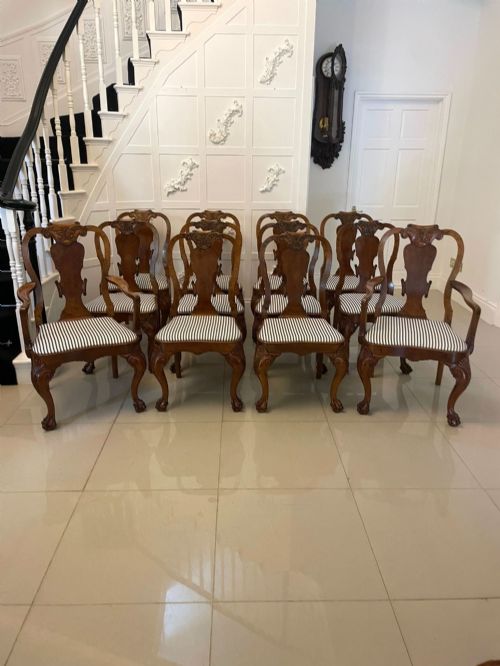
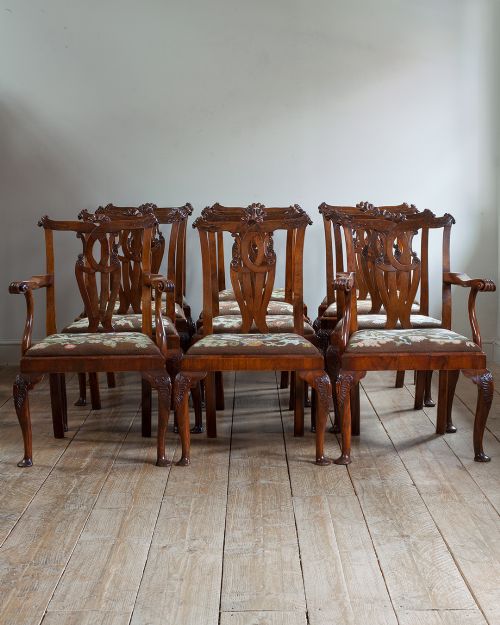
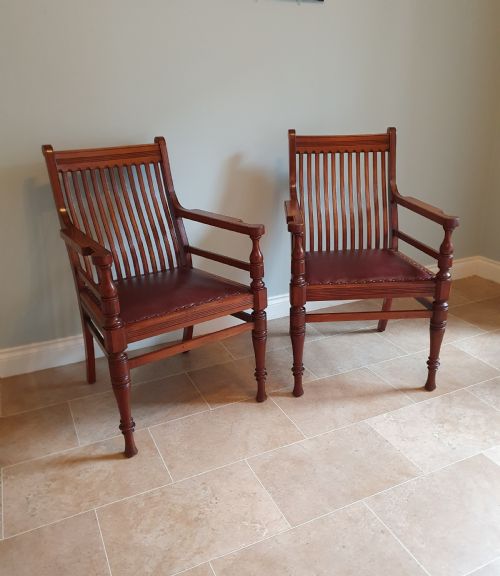
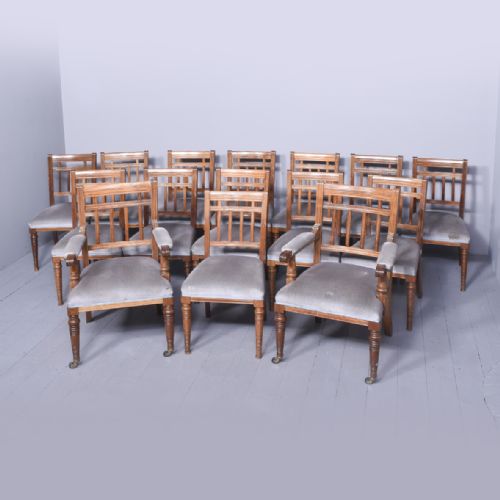
When you search for period walnut carver chairs, you encounter seating solutions spanning several centuries, from seventeenth-century origins through eighteenth-century revivals and Victorian interpretations. These pieces function as armchairs or dining chairs featuring substantial timber frames, often surviving as individual items or within larger matched sets.
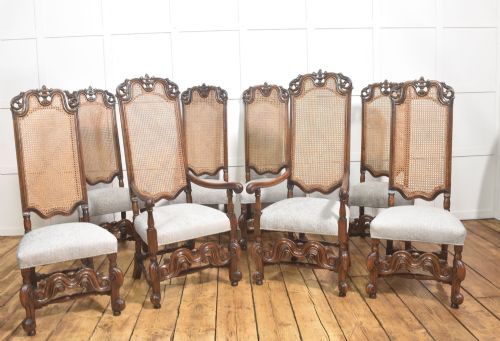
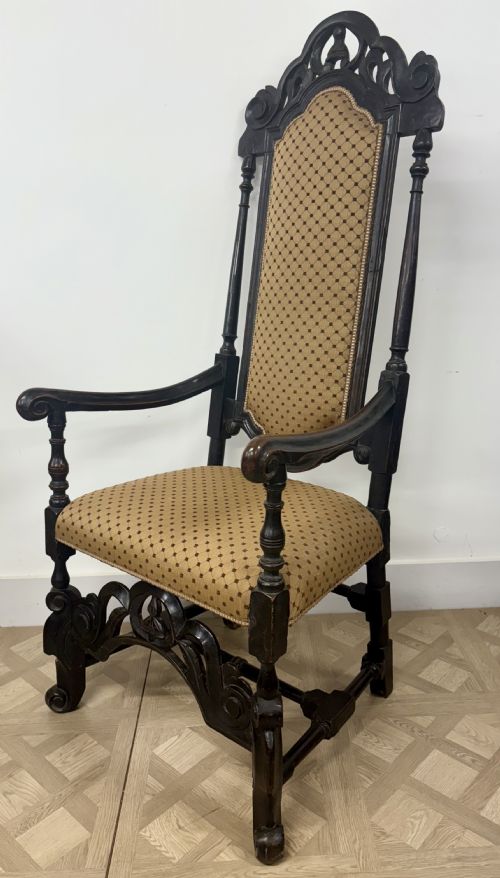
The versions most frequently met on this page include late nineteenth-century Victorian designs alongside Queen Anne style revivals and earlier seventeenth-century models. Such seating encompasses high-back cane chairs, leather-seated variations, and elaborate revival armchairs displaying distinct regional influences.
Many examples incorporate specific stylistic traits such as George II proportions or Carolean detailing, linking domestic seating history directly to your interior space. Each piece balances functional arm support with decorative timber grain, showing how historical forms evolved across different decades.
Materials and construction methods
Construction relies heavily upon solid walnut and burr walnut veneers, selected for deep figuring and rich colour variations across the timber surface. Frame assembly frequently integrates traditional joinery methods alongside applied decorative carvings that define the distinct period styles.
Upholstery materials play a vital role in finishing these armchairs, utilising period-appropriate textiles, velvet, leather, and fabric. Additional detailing sometimes includes brass elements or cane panels set within the high wooden backs to provide structural contrast and texture.
Listings feature walnut and burr walnut timbers alongside upholstery materials including leather, velvet, and fabric across Victorian and seventeenth-century eras.
Distinctions in craftsmanship and survival
Quality separates ordinary joinery from exceptional cabinet work through the crispness of carved details and the depth of the walnut timber figuring. Superior examples retain their original structural integrity and timber patination without excessive replacement parts.
The sophistication of the stylistic revival work also determines the standing of a piece, with careful adherence to historical proportions marking out better workshops. Finishes that highlight the natural grain rather than masking it indicate thoughtful historic construction.
Lamb of Manchester
The Period Walnut Carver Chairs Glossary
- Carver chair
- An armchair, traditionally placed at the head of a dining table or used as a standalone seat in a parlour.
- Burr walnut
- Timber taken from a tree growth, yielding intricate, swirling grain patterns highly prized for cabinet fronts and feature panels.
- Queen Anne style
- Design movement characterised by cabriole legs, pad feet, and vase-shaped splats, prominent during the early eighteenth century and later revived.
- George II period
- Era spanning the mid eighteenth century noted for heavier proportions, ornate carving, and classical architectural influences.
- Carolean
- Pertaining to the reign of Charles II, featuring exuberant carved scrolls, crown motifs, and rich textiles.
Period Walnut Carver Chairs: Frequently Asked Questions
How do I date a walnut carver chair?
Dating relies on examining construction techniques, joinery marks, and the specific style of the carved details. Earlier pieces show hand-tooling and pegged joints, whereas later revivals often incorporate machine-cut precision.
Timber characteristics also help, as seventeenth and eighteenth-century examples display different surface patination and grain maturity compared to late Victorian or Edwardian reproductions.
Are these chairs suitable for daily dining?
Many of these sturdy armchairs were built for practical use around a dining table and remain fully functional today. Their robust wooden frames provide stable seating when paired with appropriate modern or antique tables.
Care should be taken with upholstered seats and antique cane panels to ensure they receive weight gently, preserving the historical materials for ongoing daily enjoyment.
How should I care for antique walnut furniture?
Maintaining walnut timber involves keeping pieces away from direct heat sources and dramatic humidity shifts that can cause the wood to split or warp. Regular gentle dusting with a soft cloth preserves the natural finish.
Applying appropriate wax sparingly helps nourish the grain and protects the historic surface patination without building up heavy chemical residues.