


Period Upholstered Bedroom Chair
A period upholstered bedroom chair brings domestic comfort and fine craft together, offering a quiet place to sit while dressing.
Period Upholstered Bedroom Chair
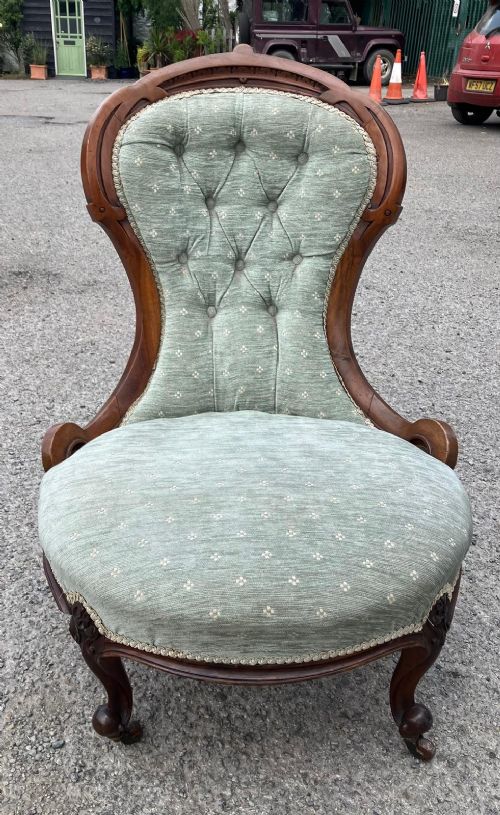
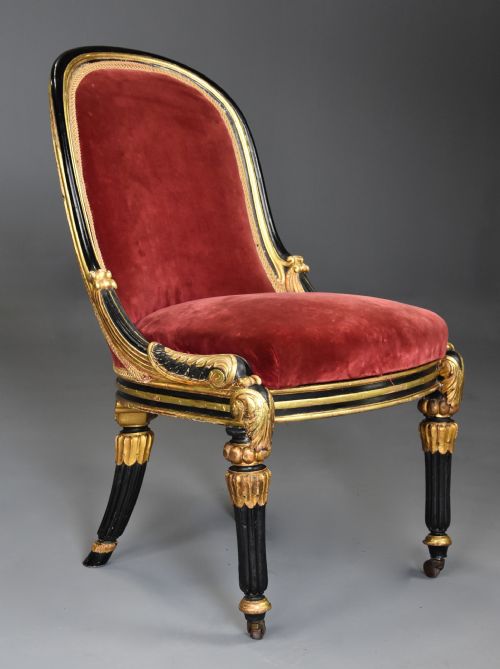
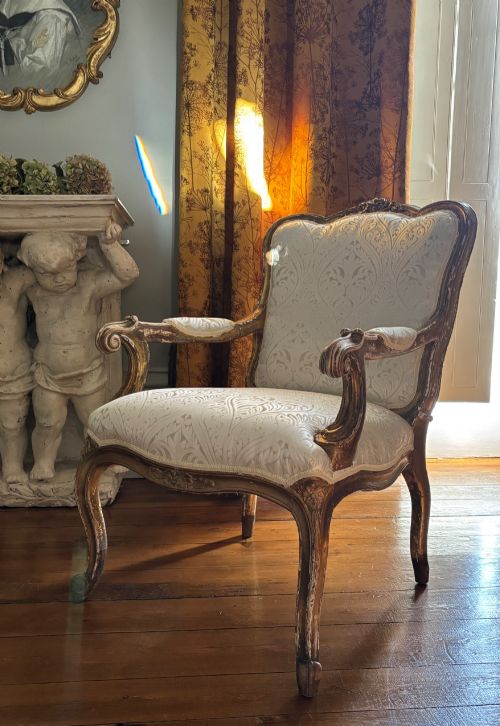
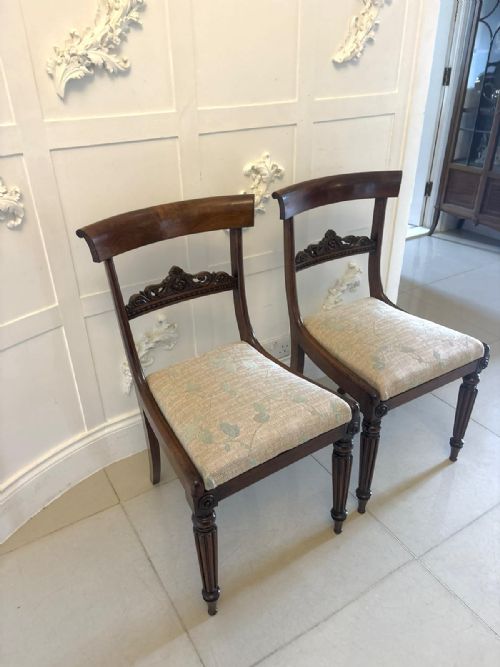
When you search for a period upholstered bedroom chair, you encounter a variety of forms designed for private quarters, including nursing chairs, slipper chairs, and low fireside seats. These pieces range from Victorian balloon-back designs to Edwardian tub chairs and earlier Regency frames.
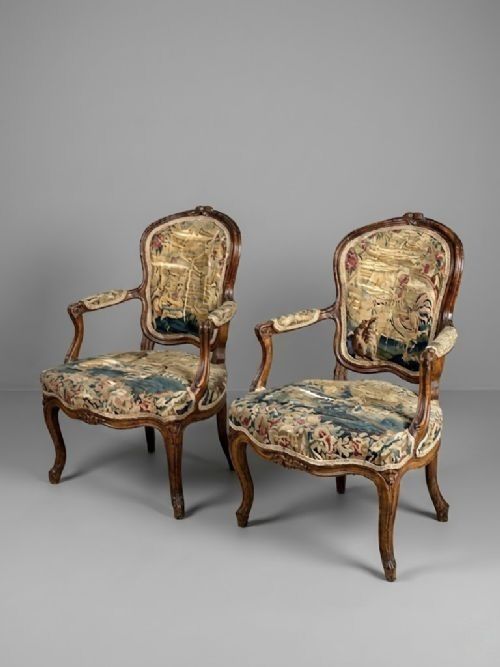
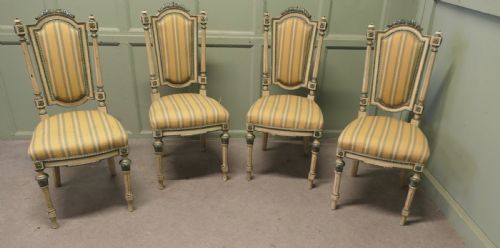
The selections span the eighteenth, nineteenth, and early twentieth centuries, reflecting changing domestic habits. Victorian walnut and mahogany examples appear frequently alongside painted French styles and Edwardian mahogany frames upholstered in contemporary textiles.
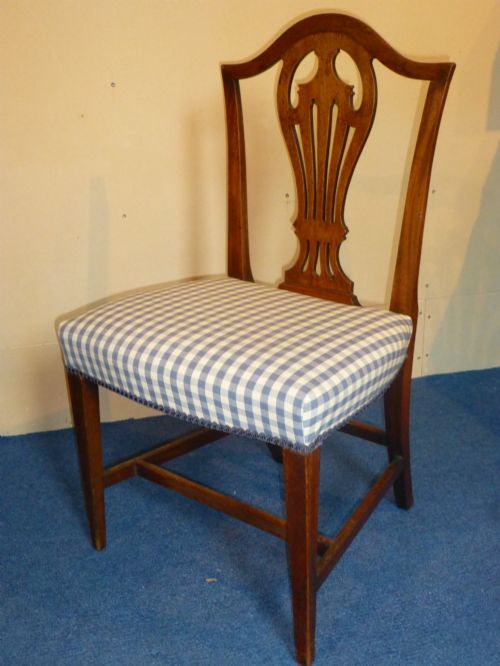
While many listings describe general bedroom or side chairs, the core of the group consists of low-slung, upholstered seating intended for bedrooms and dressing rooms. You will find both single chairs and matched pairs ready for domestic placement.
Materials and construction methods
Framing timbers include mahogany, walnut, fruitwood, beech, and rosewood, chosen for their strength and ability to take fine carved details. Cabinet makers utilised traditional joinery to build sturdy skeletons capable of supporting heavy upholstery and daily use.
Upholstery techniques varied across the periods, incorporating fabric, velvet, textile, and needlepoint over supportive internal padding. Brass details, giltwood finishes, and carved scroll backs complete the decorative vocabulary recorded in the workshop traditions.
Several chairs feature castors on their front legs, allowing nineteenth-century owners to roll their seats closer to the bedroom fire without scratching the floorboards.
Distinguishing quality across the range
The standard of carving and the selection of timber dictate the distinction between ordinary workshop production and finer cabinet work. Crisp scroll work, balanced proportions, and dense hardwoods indicate a higher tier of manufacture.
The integrity of the frame and the quality of the timber finish separate better examples from simpler utilitarian seating. Subtle details such as brass inlay, ebonising, or carefully shaped cabriole legs show the hand of a more accomplished maker.
Blaise Maucuy
The Period Upholstered Bedroom Chair Glossary
- Balloon-back
- A chair back shaped like an oval or balloon, popular during the Victorian period. This profile offers comfortable lumbar support.
- Nursing chair
- A low-seated chair designed for feeding infants or general dressing room use. The reduced height makes these pieces distinct from standard side chairs.
- Slipper chair
- An upholstered bedroom chair with very short legs, originally used while putting on shoes. They sit close to the floor for added comfort.
- Tub chair
- A curved armchair where the back and arms form a single continuous enclosure. This enclosing shape provides a secure, cocoon-like seat.
- Giltwood
- Wood that has been coated with gold leaf or a gold-coloured finish. This technique highlights carved ornamentation on formal seating.
Period Upholstered Bedroom Chair: Frequently Asked Questions
What is a period upholstered bedroom chair?
These are historic seats designed specifically for private chambers, dressing rooms, and bedrooms. They often feature lower profiles and softer cushioning than formal dining or parlour seating.
The group spans the Georgian, Regency, Victorian, and Edwardian eras, utilising woods like mahogany, walnut, and rosewood paired with diverse textile coverings.
How were bedroom chairs used originally?
Occupants utilised these chairs for dressing, resting, and reading in private spaces away from public reception rooms. Lower seat heights made them particularly practical for putting on footwear or tending to infants.
Over the centuries, their placement shifted from grand bedchambers to more modest domestic dressing spaces, maintaining a function focused on personal comfort.
How do I style a bedroom chair today?
Place a single upholstered chair in a corner of a modern bedroom to create a quiet reading spot or a practical surface for clothing. Their compact proportions allow them to fit easily beside dressing tables or empty wall spaces.
Pairing historic frames with contemporary striped fabrics or rich velvets bridges different eras of interior design without overwhelming the room.
How can I tell the period of a chair?
Examine the primary timber, leg shape, and back design to identify stylistic markers of the eighteenth, nineteenth, or early twentieth centuries. For instance, balloon backs point to the Victorian era, while painted finishes often suggest Regency or French influences.
Construction methods and the weight of the timber further help distinguish earlier Georgian craftsmanship from later mass-produced Victorian or Edwardian workshop output.