



Period Tapestry Seating
Period tapestry seating brings historical needlework and solid timber frames together, offering rich texture and enduring craftsmanship for traditional rooms.
Period Tapestry Seating
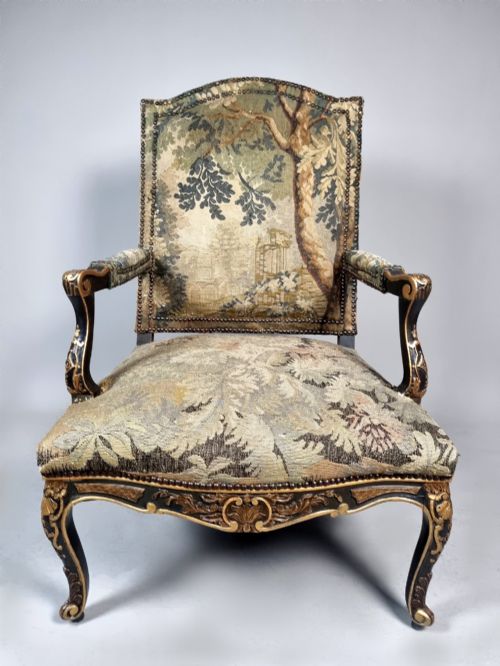
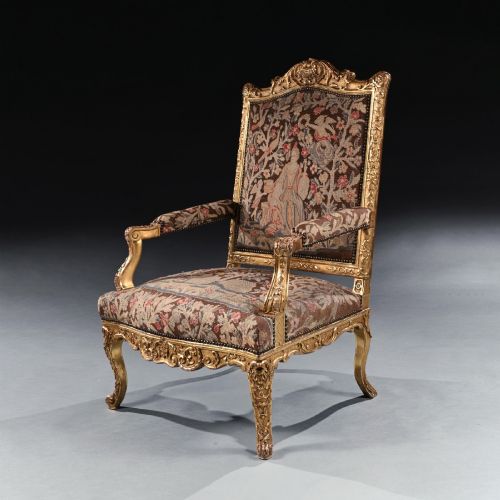
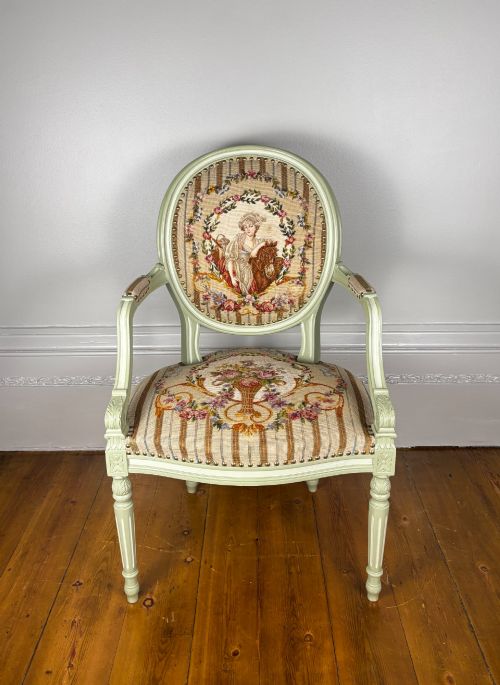
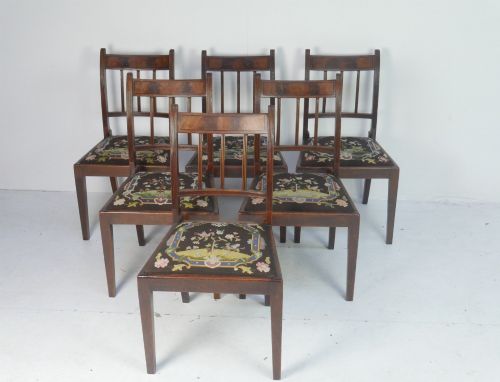
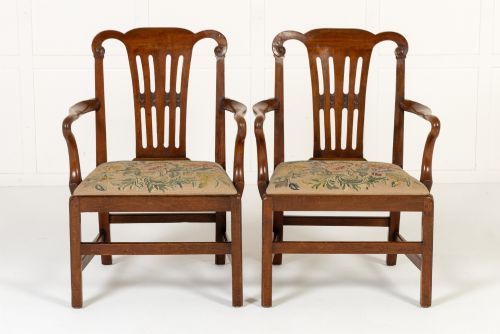
Period tapestry seating encompasses a diverse range of chairs, stools and salon suites upholstered in needlepoint, wool and textile panels. Buyers searching for period tapestry seating will encounter forms spanning the eighteenth and nineteenth centuries, including robust dining chairs, open armchairs and footstools.
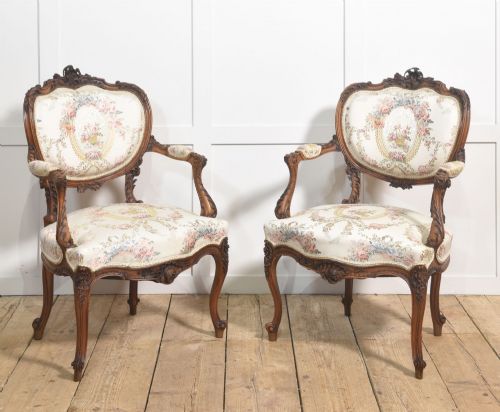
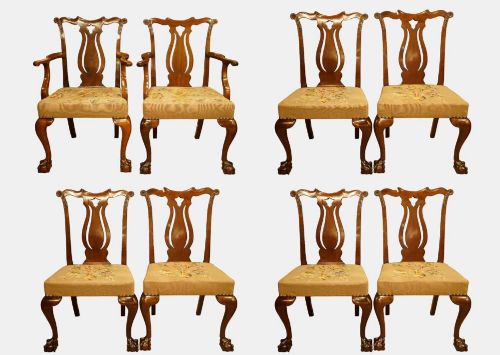
The inventory on this page leans heavily towards eighteenth-century Georgian designs and nineteenth-century interpretations, featuring mahogany, walnut and rosewood frames. Pieces range from single side chairs to extensive dining sets and matching salon suites.
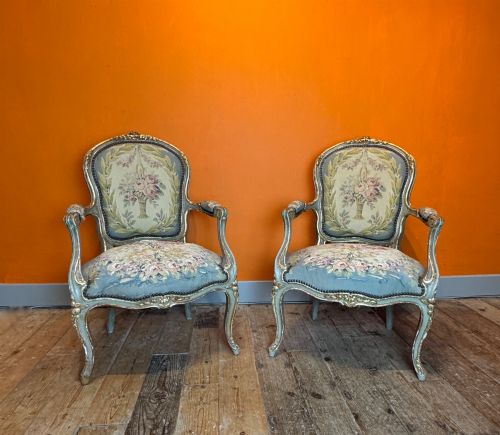
Origin and form dictate the character of each piece, with English mahogany models and French gilt or walnut armchairs forming the core of the selection. Buyers find everything from low piano stools to stately wingback armchairs.
Materials and construction
Frames are constructed from dense timbers such as mahogany, walnut, rosewood and oak, joined with traditional woodworking techniques suited to each era. Carved details, parcel gilt finishes and inlaid accents define the decorative vocabulary of the wooden supports.
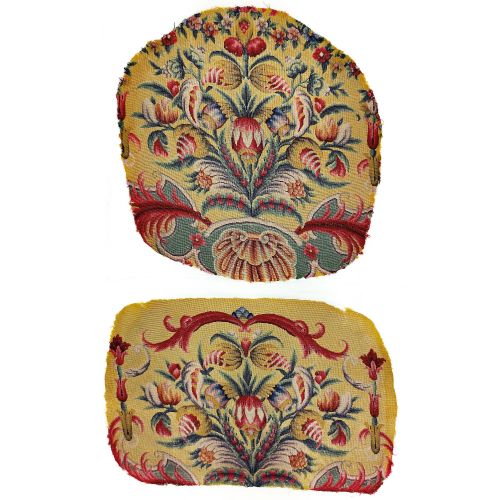
Upholstery relies on durable textiles, wool and intricate needlepoint or petit point tapestry panels, often worked by hand with floral and geometric motifs. These fabric surfaces are fixed over drop-in seats, open frames or fully upholstered structures using traditional stuffing materials.
Period Tapestry Seating Retail Price Guide 2026
Typical asking prices for period tapestry seating among the pieces listed under this phrase on Sellingantiques today, from the lower quarter to the upper quarter. They describe what is for sale here now, not the wider market.
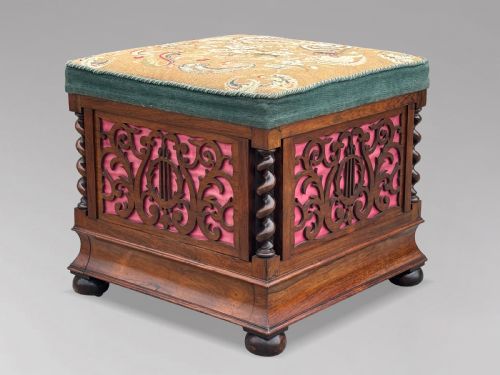
Footstools designed for nineteenth-century piano players ensure that even scales were practised with botanical floral trellises beneath the heels.
Evaluating quality and execution
Quality rests on the crispness of timber carving, the structural integrity of the frame joints and the fineness of the needlepoint work. Superior examples exhibit tightly tensioned tapestry panels and substantial hardwoods that maintain rigidity over centuries.
Design ambition separates standard seating from exceptional pieces, visible in balanced proportions, sophisticated inlay work and harmonious pairing between the textile and the wooden armature.
The Period Tapestry Seating Glossary
- Petit point
- A needlepoint stitch executed on fine canvas that creates detailed, intricate pictorial or floral patterns. This technique allows for greater shading and complexity in antique tapestry upholstery.
- Drop-in seat
- A removable seat frame that drops into a rebated opening in the chair rails. It is typically upholstered separately and secured without permanent fixings.
- Open armchair
- A chair with upholstered or padded armrests that are open beneath, exposing the supporting wooden arm supports. These pieces were common in French and English formal reception rooms.
- Salon suite
- A matched set of seating furniture designed for a drawing room, usually comprising a central sofa and several matching armchairs or side chairs.
- Needlework
- General term for decorative stitching applied to a fabric ground, encompassing wool and silk threads used on historical chair seats and stools.
Period Tapestry Seating: Frequently Asked Questions
How do I date an antique armchair?
Dating relies on examining the timber species, joinery methods, and stylistic cues present in the leg and arm design. Comparing these elements against documented furniture periods helps narrow the decade of manufacture.
Upholstery style and secondary woods inside the frame further clarify the era, distinguishing original construction from later revivals.
Are tapestry seats durable enough for daily use?
Historical needlework requires considerate treatment, but robust wool tapestries mounted on sound timber frames withstand normal residential sitting. Placing chairs away from direct sunlight preserves the dyed fibres.
Rotating seating usage distributes wear evenly across delicate textile panels over the years.
What is the difference between a side chair and an armchair?
Side chairs are built without armrests, designed originally to be tucked against dining tables or walls when not in use. They take up less floor space while matching the style of larger seating.
Armchairs feature structural supports for the arms, offering a more commanding presence and greater comfort for prolonged sitting.
How should I clean antique wood and tapestry?
Timber frames benefit from occasional application of microcrystalline wax to nourish the grain without building up heavy residues. Avoid harsh chemical cleaners on polished surfaces.
Tapestry upholstery should be gently vacuumed on a low setting through a protective mesh screen to remove surface dust safely.