



Period Style Oak Side Table
A period style oak side table brings genuine historic character to a room, offering sturdy utility through centuries-old timber forms.
Period Style Oak Side Table
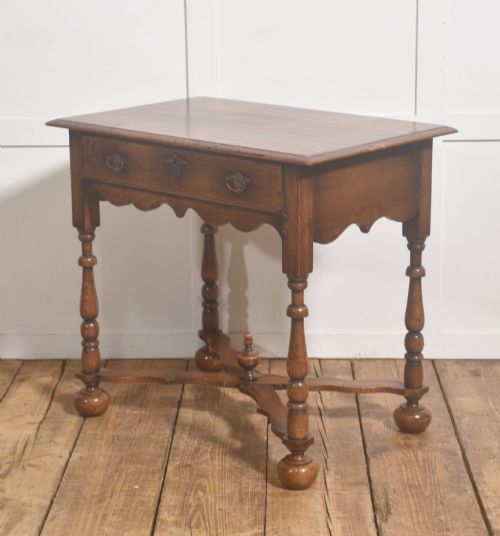
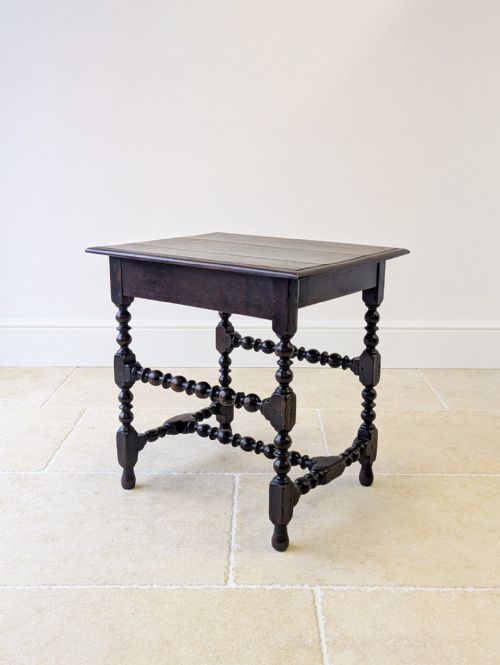
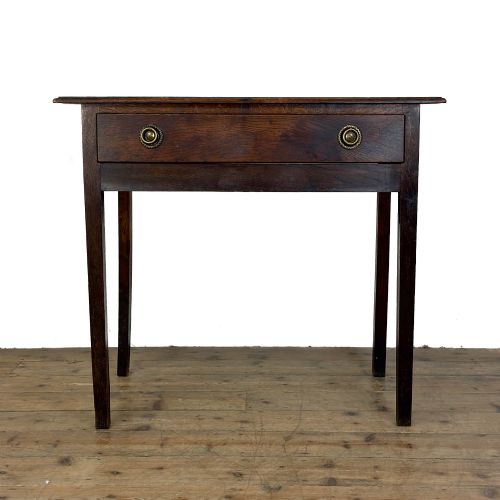
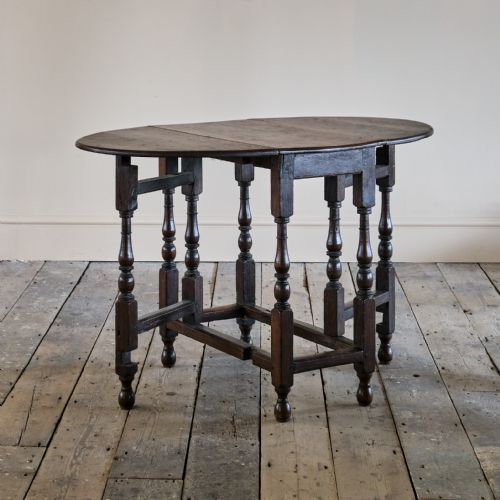
A period style oak side table encompasses utilitarian forms such as lowboys, gateleg tables, lamp tables, and joint stools constructed from sturdy timber. Buyers searching this category frequently encounter examples spanning the seventeenth, eighteenth, and nineteenth centuries, alongside revival pieces from the early twentieth century.
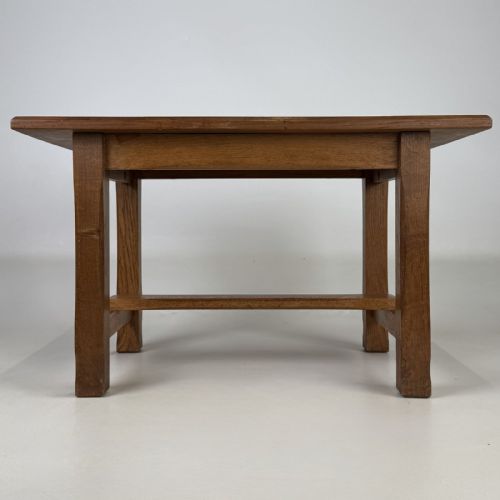
The assortment includes regional English country items and formal Georgian interpretations, featuring distinct stylistic influences like Jacobean turning and Arts and Crafts simplicity. Side tables and occasional tables appear alongside low joint stools and console formats, reflecting domestic requirements across multiple eras.
Materials and construction methods
Makers utilised solid oak for framing and surfaces, frequently combining the timber with brass handles or decorative copper elements on Arts and Crafts pieces. Ceramic tiles occasionally surface within specific tabletop designs, adding contrasting texture to the natural wood grain.
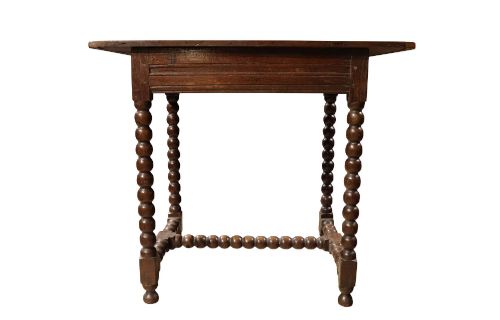
Joinery methods rely heavily on traditional pegged joints, mortise and tenon construction, and hand-turned supports like bobbin legs. Carpenters shaped these tables using hand tools, resulting in pegged framing and pegged joints designed to withstand heavy daily domestic use.
Period Style Oak Side Table Retail Price Guide 2026
Typical asking prices for period style oak side table among the pieces listed under this phrase on Sellingantiques today, from the lower quarter to the upper quarter. They describe what is for sale here now, not the wider market.
Several joint stools are sturdy enough to double as impromptu side tables when guests arrive.
Assessing quality in oak tables
Superior examples demonstrate crisp execution in hand-carved details and precise turning on legs and stretchers, whereas lesser pieces show blunt edges and simplified joinery. The selection of timber grain and the integrity of the original joints distinguish exceptional craftsmanship from standard workshop production.
Proportion and structural balance dictate the refinement of a piece, with finer tables maintaining harmonious dimensions across drawers and aprons. Surface patination achieved through centuries of handling and polishing separates genuinely aged timber from later revival interpretations.
The Period Style Oak Side Table Glossary
- Lowboy
- A small oak side table featuring one or more drawers beneath the working surface, standing on relatively tall legs. This form gained popularity during the seventeenth and eighteenth centuries for domestic storage.
- Gateleg table
- A table with hinged leaves supported by swing-out legs that resemble a opening gate. This clever mechanism allows the surface area to expand or contract according to space requirements.
- Joint stool
- A sturdy wooden stool constructed using pegged mortise and tenon joints rather than turned legs inserted into a seat. These pieces often served multiple household functions including small table surfaces.
- Bobbin turning
- A form of lathe turning that produces a series of spherical or oval shapes resembling spools of thread along a furniture leg. It appears frequently on seventeenth-century seating and table supports.
- Demi lune
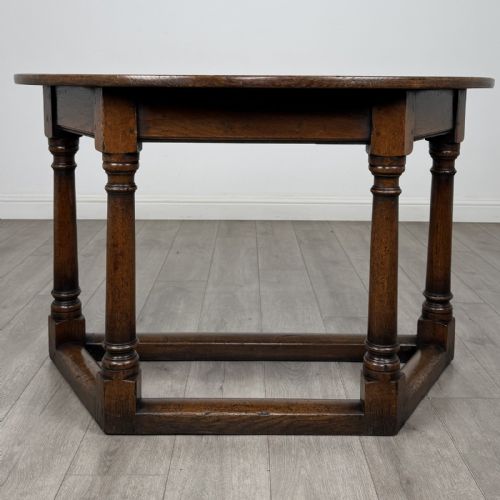
- A half-moon shape used to describe console or side tables designed to sit flush against a wall. This profile allows for compact placement in narrow hallways and reception spaces.
Period Style Oak Side Table: Frequently Asked Questions
How do I identify a genuine period oak table?
Examine the timber for traditional joinery marks, hand-cut peg holes, and natural patination that develops over centuries of handling. True older pieces show consistent wear patterns and tool marks rather than uniform modern machine finishing.
Compare the proportions and turning styles against documented historical examples from the seventeenth or eighteenth centuries. Expert dealers also look at the underside and drawer linings to confirm construction methods match the claimed era.
Where should I place a side table?
These compact wooden tables fit well in hallways, beside seating in a living room, or as lamp tables in a study. Their sturdy timber construction handles everyday items while adding traditional warmth to empty corners.
Ensure the table is positioned away from direct heat sources and strong sunlight to protect the aged oak surface from drying out. A demi lune version works particularly well against flat walls in restricted spaces.
What is the difference between revival and original pieces?
Revival items were manufactured during later periods such as the nineteenth or early twentieth century using historical design vocabularies like Jacobean turning. Originals date directly from the seventeenth or eighteenth centuries when those furniture styles were contemporary.
Both categories utilise solid oak and traditional joinery, but original pieces carry the distinct wear and material ageing of their centuries-long existence. Revival pieces offer similar historic aesthetics with the structural stability of slightly younger timber.
How do I care for antique oak furniture?
Maintain the timber by applying traditional beeswax occasionally to nourish the wood and preserve its natural protective sheen. Avoid silicone-based sprays and keep the surface clean using a soft, dry cloth.
Protect the finish from moisture by using coasters under glasses and mugs placed on the tabletop. Stable indoor humidity levels prevent the solid oak panels from expanding or cracking over time.