




Hallway Accent Table Oak
A hallway accent table oak brings solid timber and enduring utility to an entrance, offering a dependable surface for daily essentials.
Hallway Accent Table Oak
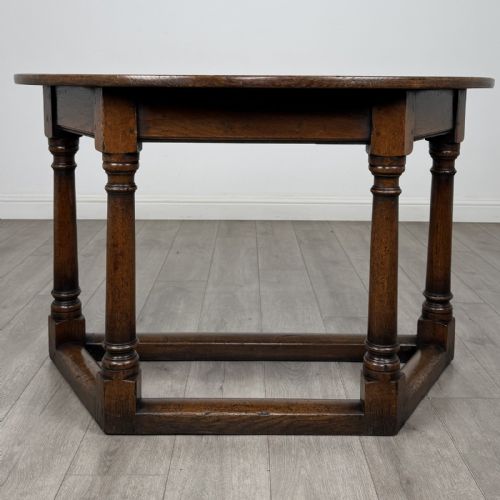
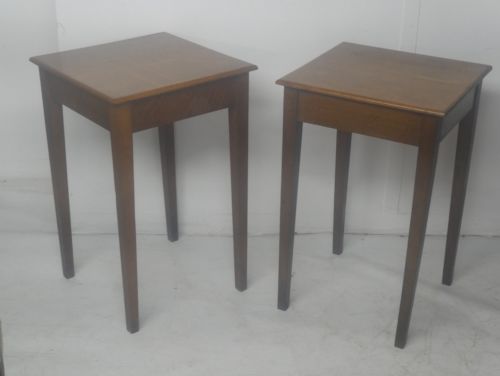
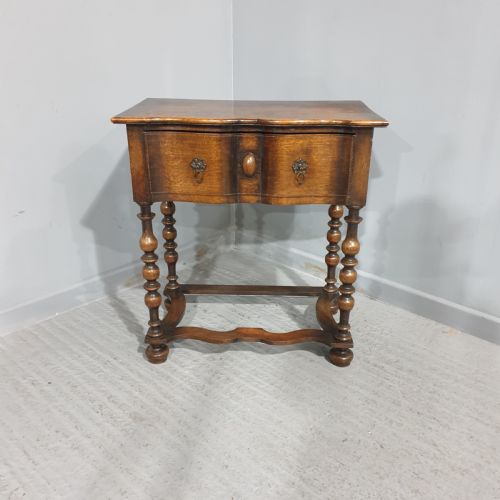
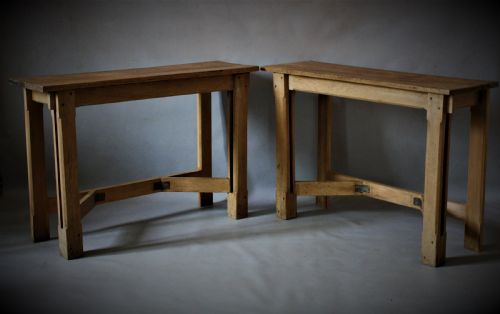
A hallway accent table oak sits in entryways and corridors, functioning as a practical surface for post, lamps, or decorative items. When browsing for a hallway accent table oak, buyers encounter versatile forms including side tables, console tables, and centre tables.
The pieces available span multiple historical periods from the eighteenth century through to the early twentieth century, taking shape as Georgian style demi lune pieces, Victorian carved designs, and Edwardian lamp tables.
Makers and workshops constructed these items in regional British traditions, encompassing English country, Scottish country, and industrial styles. Plain surfaces, turned legs, and carved motifs such as Green Man faces appear frequently across the selection.
Assessing quality
Superior examples of a hallway accent table oak display deliberate craftsmanship through refined surface carving and balanced proportions, such as symmetrical demi lune shapes or precise turned legs. Lesser pieces often exhibit simpler joinery and unadorned timber surfaces.
The integration of materials also dictates the standard of the piece, where original brass hardware or structurally sound cast iron bases elevate the overall integrity. Condition varies according to age, with untouched eighteenth-century items holding distinct characteristics compared to twentieth-century revivals.
Hallway Accent Table Oak Retail Price Guide 2026
Typical asking prices for hallway accent table oak among the pieces listed under this phrase on Sellingantiques today, from the lower quarter to the upper quarter. They describe what is for sale here now, not the wider market.
Materials paired with oak across these tables include cast iron, brass, and general timber.
The Hallway Accent Table Oak Glossary
- Demi lune
- Half-moon shaped furniture designed to sit flush against a wall. This profile saves floor space in narrow corridors while providing a functional tabletop.
- Console table
- A table fixed or placed against a wall, often supported by brackets or legs. These pieces suit narrow hallways where depth must remain minimal.
- Side table
- A small functional table meant to stand against a wall or beside seating. They provide accessible surface area in entranceways.
- Jacobean Revival
- A nineteenth-century style imitating seventeenth-century British furniture. It is characterised by dark oak, heavy turning, and deep geometric carving.
- Green Man
- A sculptural motif of a face carved from leaves and foliage. This ancient symbol frequently decorates Victorian oak panels and furniture.
Hallway Accent Table Oak: Frequently Asked Questions
What is an oak hallway accent table used for?
These tables provide a convenient surface in narrow spaces for placing keys, post, and small lamps. Their sturdy wooden construction handles daily foot traffic and general household activity.
They also serve a decorative purpose, filling empty corridor walls and establishing a welcoming focal point near an entrance.
How do I date an antique oak table?
Dating relies on observing construction methods, hardware types, and stylistic indicators such as turned legs or carved motifs. Eighteenth-century versions typically show hand-planed surfaces and older joinery techniques.
Later pieces from the Victorian and Edwardian eras often incorporate machine-sawn timber, revival styling, or alternative base materials like cast iron.
Will an oak table fit a narrow hallway?
Many of these pieces are specifically designed with shallow depths, such as console tables or demi lune side tables. These formats hug the wall to preserve walking space.
Checking the specific measurements of each piece ensures the item leaves adequate clearance for doors and movement.
What styles of oak accent tables exist?
The available range spans several distinct aesthetic traditions, including plain Georgian styles, carved Victorian pieces, and simplified Edwardian designs. Industrial variations also appear, utilising metal sewing bases.
Regional vernaculars such as English and Scottish country furniture further broaden the visual variety, alongside Arts and Crafts interpretations.