
Period Storage Drawers
Period storage drawers offer classic timber construction and deep drawers, giving you timeless utility for your clothes and household linens.
Period Storage Drawers
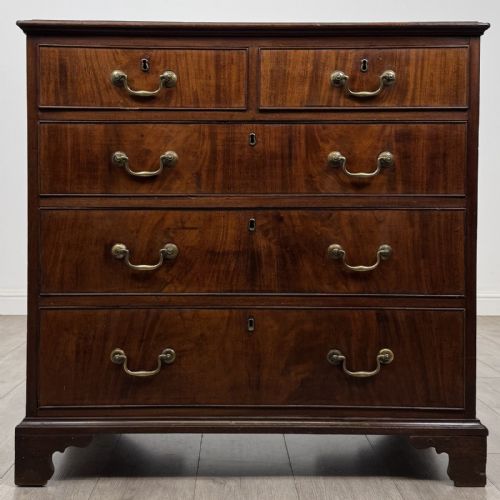
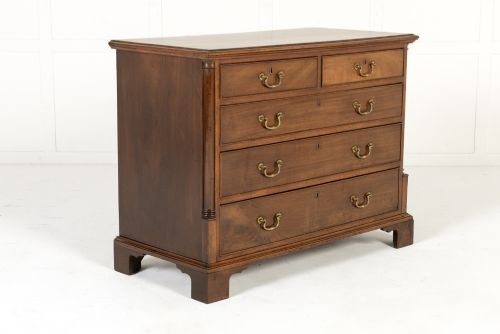
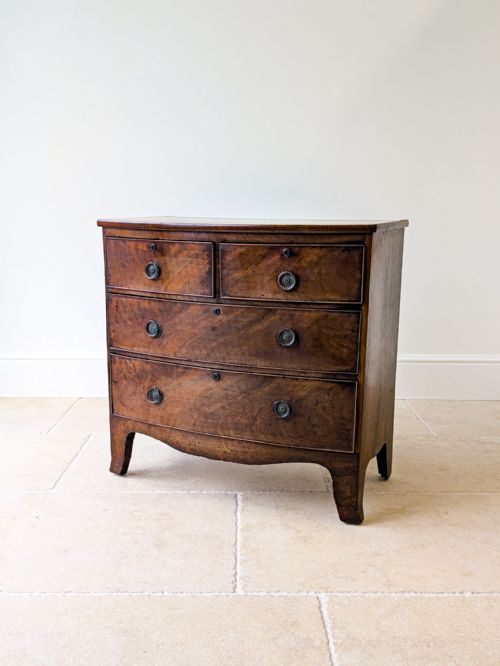
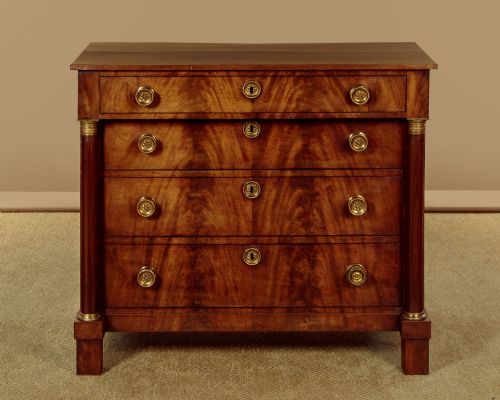
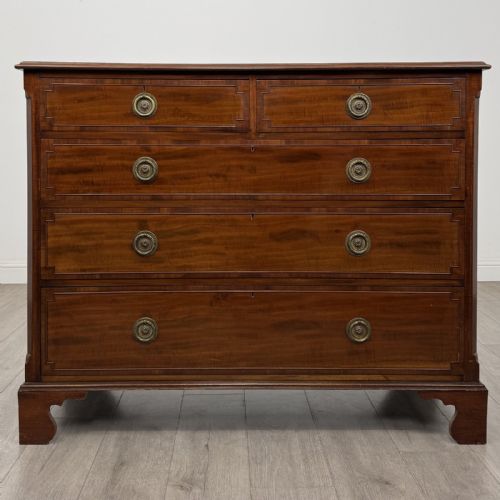
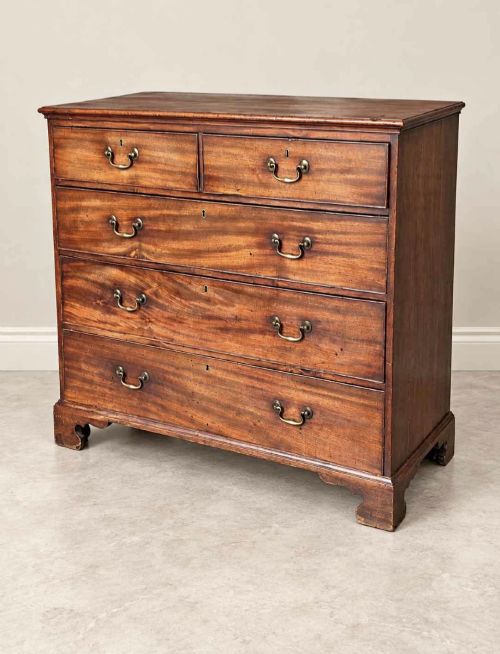
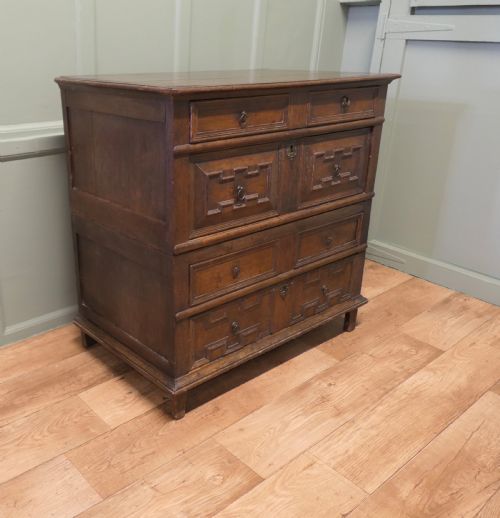
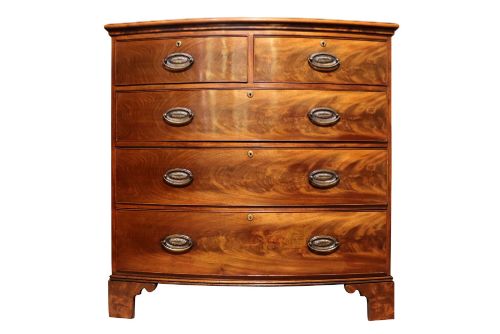
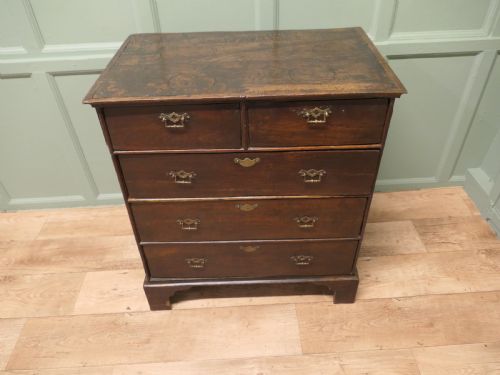
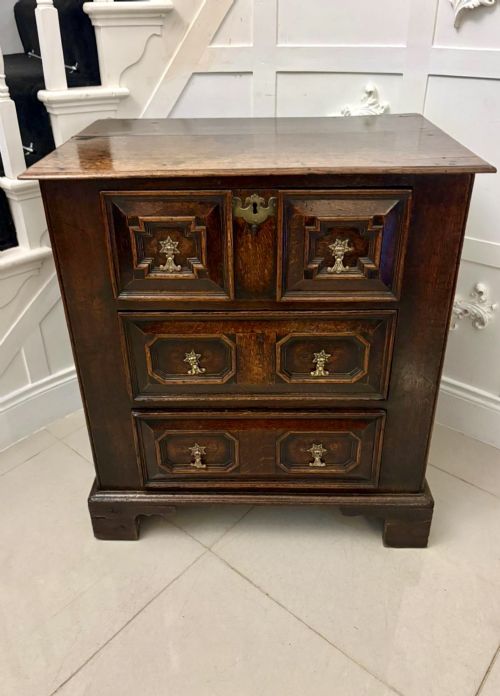
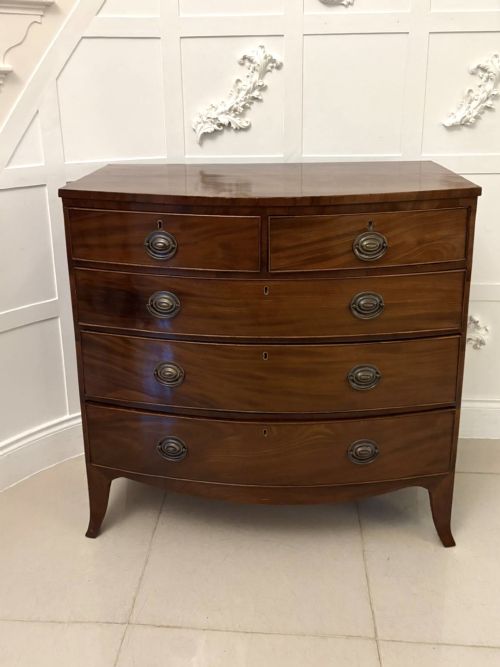
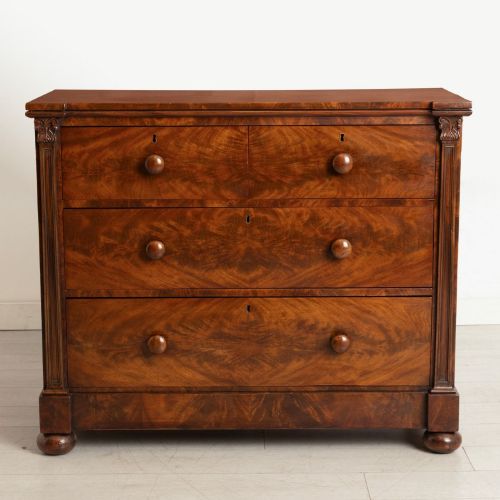
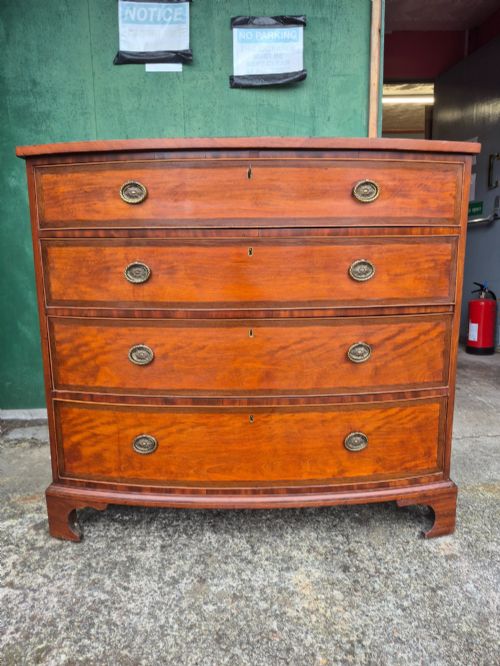
When you search for period storage drawers, you encounter a variety of substantial wooden case pieces designed to hold clothing and domestic items. The most frequent examples on this page are mahogany and oak chests of drawers spanning the seventeenth, eighteenth, and nineteenth centuries. These items range from simple oak garret chests to grand mahogany bow fronts and tall chest-on-chest configurations.
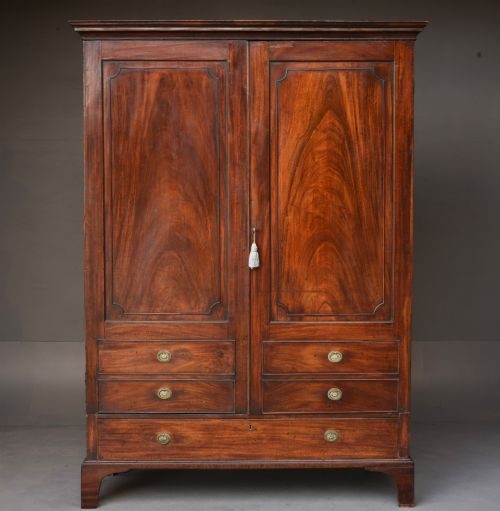
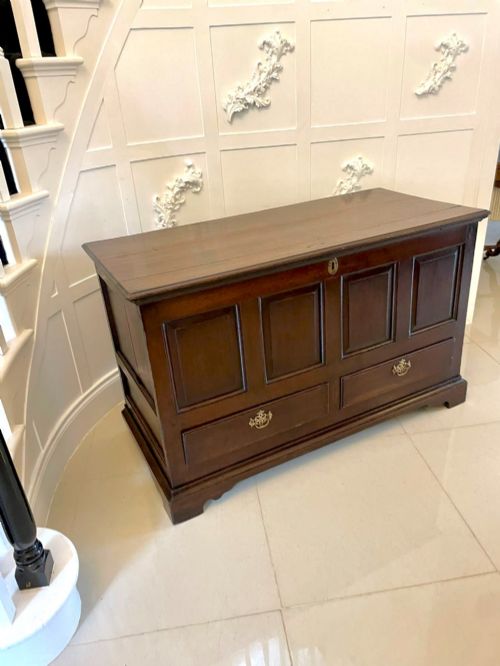
Many of these units originate from the Georgian and Regency eras, displaying clean proportions and functional layouts. You also find specialised forms such as mule chests with lower storage compartments alongside wardrobes and cabinets. The smaller proportions of seventeenth-century pieces appear frequently alongside later Georgian and Regency designs.
Construction and Materials
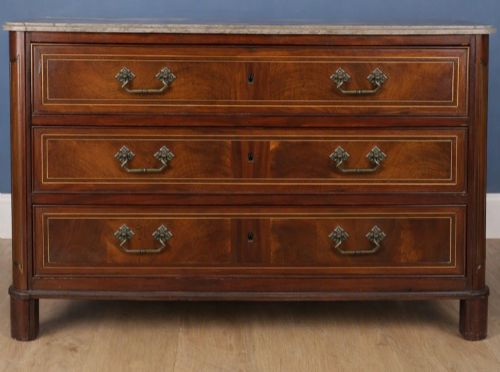
Cabinet makers relied heavily on native oak during the seventeenth and early eighteenth centuries, building sturdy frames with pegged joints and geometric raised mouldings. As fashions shifted towards the Georgian and Regency periods, mahogany became the dominant timber, often enhanced by flame mahogany veneer or contrasting satinwood inlay. Walnut and fruitwood also appear in continental commodes and regional English pieces from the late eighteenth century.
Hardware played an essential functional and decorative role, with cast brass drop handles and escutcheons securing the drawer fronts. Joiners utilised dovetailed construction for the drawer boxes themselves, ensuring the wood could expand and contract over decades of daily use. Bracket feet, ogee feet, and turned supports lifted the carcases off damp floors.
Listings feature robust oak and mahogany constructions alongside walnut, fruitwood, satinwood, and iron hardware across multiple centuries.
Determinants of Quality
The sophistication of the timber selection dictates much of the visual appeal, separating standard utility pieces from high-status commissions. Figured mahogany or meticulously matched oak panels demonstrate superior craftsmanship by the original joiner. Subtle details such as fine hand-cut dovetailing and original brass hardware elevate the standing of a chest.
Proportion and architectural balance define the upper tier of surviving examples. Pieces retaining their original feet, intact backboards, and smooth-running drawer drawers command greater appreciation than those altered by later restorations or heavy replacements.
J Moorcroft
The Period Storage Drawers Glossary
- Bow front
- A convex curved cabinet front that swells outward in the centre, popular during the Regency and late Georgian periods.
- Chest-on-chest
- A tall storage unit comprising a smaller chest stacked directly upon a wider base chest, also known as a tallboy.
- Dovetail
- An interlocking joint used to secure drawer corners together, prized for its exceptional tensile strength.
- Mule chest
- A traditional storage form combining a chest of drawers set beneath a blanket coffer or upper trunk.
- Bracket foot
- A structural foot angled in a bracket shape, supporting the corners of Georgian case furniture.
Period Storage Drawers: Frequently Asked Questions
How do I date a wooden chest?
Examine the timber species, handle style, and construction methods used inside the drawer boxes. Earlier pieces often display pegged oak frames, while later Georgian items utilise refined mahogany veneers and fine hand-cut dovetails.
Hardware placement and foot design also shift across centuries, moving from heavy geometric mouldings in the seventeenth century to delicate bracket feet and bow fronts by eighteen hundred.
What is a mule chest?
A mule chest combines a blanket box with one or more functional drawers built into the base section. This hybrid design emerged to provide easier access to stored textiles without unloading the top compartment.
They appear frequently in oak from the seventeenth and eighteenth centuries, serving practical storage needs in domestic interiors.
Where should I place an antique chest?
These timber units fit well in bedrooms, hallways, or living spaces where deep drawers provide concealed storage for linens and garments. Keep wooden case pieces away from direct heat sources and strong sunlight to prevent the timber and veneer from drying out.
Ensure the floor is level so the drawers open smoothly without binding in their tracks.
How do I maintain period drawer runners?
Apply a small amount of beeswax to the wooden runner edges to keep the drawers sliding smoothly over time. Avoid modern synthetic lubricants which can soak into aged porous timber and attract dust.
Regular dusting with a soft dry cloth protects the polished surface finish without introducing excess moisture.