




Period Stick Holder
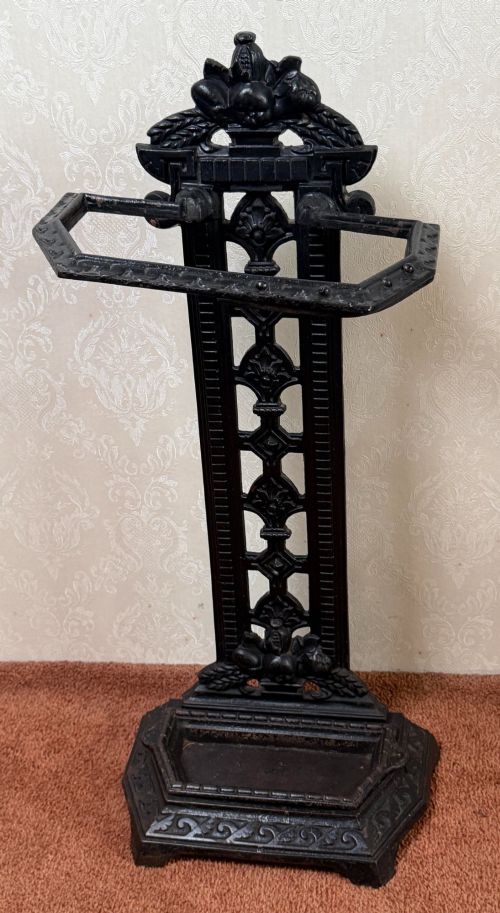
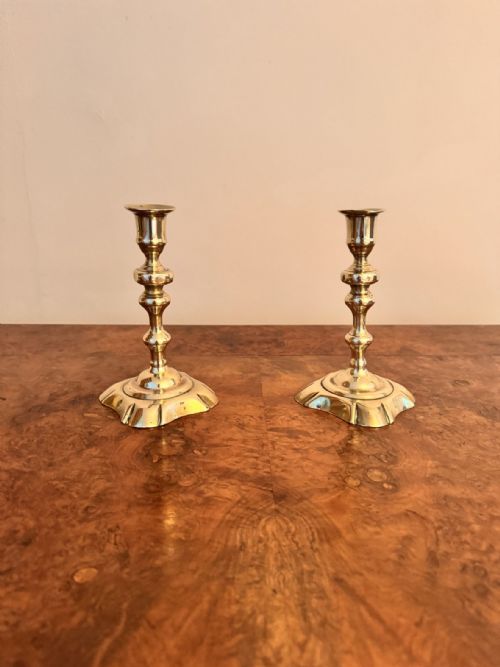
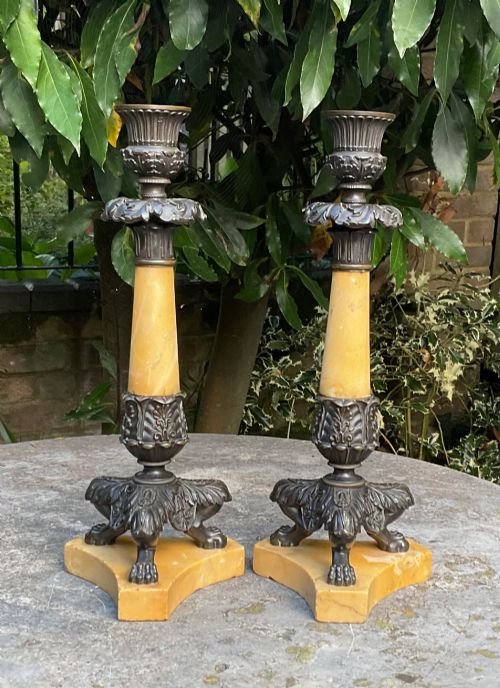
These period stick holder examples range from sturdy cast iron hall stands to refined bronze and porcelain designs.
Period Stick Holder
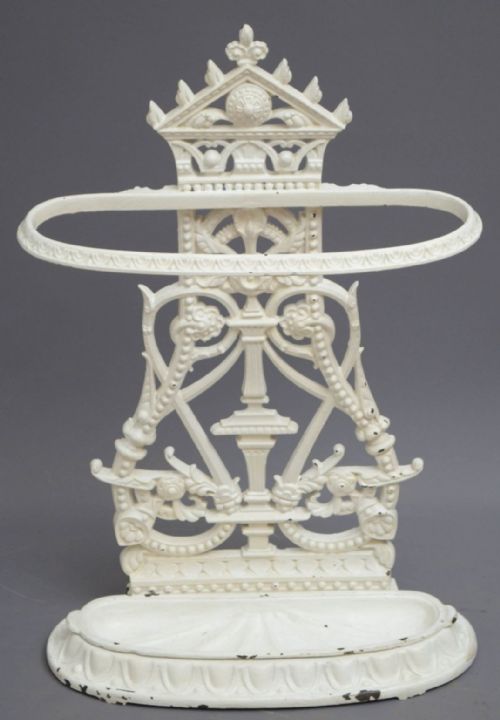
A period stick holder serves the functional purpose of organising walking sticks and umbrellas in a hallway or entryway. When searching for a period stick holder, buyers encounter robust cast iron hall stands alongside ceramic and bronze examples from various historical eras.
The selection includes Victorian heavy iron designs bearing maker marks alongside Japanese pieces from the nineteenth and twentieth centuries. These items combine practical utility with the distinctive decorative styles of their respective periods.
Materials and construction
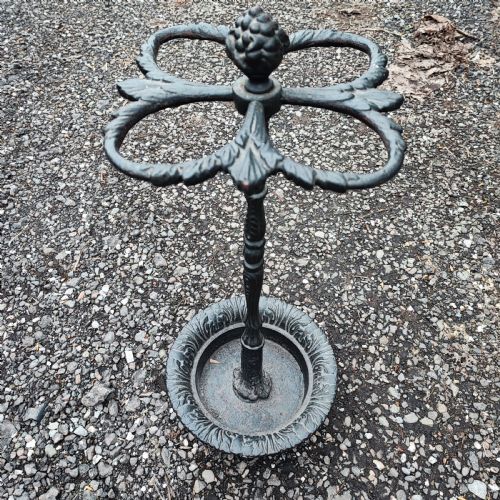
Construction relies heavily on durable metals like cast iron, brass, and bronze, often utilised for hall stands and weighted vessels. Cast iron examples employ sturdy foundry techniques to create receptacles capable of supporting heavy walking sticks and wet umbrellas without tipping.
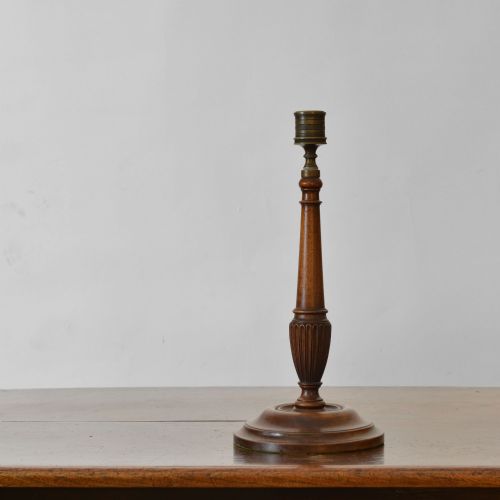
Other pieces incorporate mahogany wood, porcelain, and enamel to achieve finer decorative finishes suitable for domestic interiors. These diverse materials reflect the manufacturing capabilities and aesthetic preferences of nineteenth and eighteenth-century workshops.
One unusual Japanese bronze holder takes the delightful shape of a crescent moon.
Assessing quality and finish
Quality in these items is determined by the crispness of casting detail, the integrity of the material, and the retention of original surface patination. Superior cast iron stands display sharp, well-defined moulding without distortion, whereas lesser examples show blurred edges and crude finishing.
The choice of materials also dictates the standard of manufacture, with patinated bronze and porcelain items requiring specialist skill in execution. Original foundry marks or manufacturer stamps provide further indication of a piece's provenance and workshop standard.
Barr Flight and Barr·Kenrick·Fukagawa
The Period Stick Holder Glossary
- Cast iron
- A heavy, strong alloy poured into moulds to create rigid forms. It was widely utilised for utilitarian hallway stands and umbrella holders during the Victorian era.
- Patinated bronze
- A copper alloy that has developed a stylised surface sheen or colour over time through oxidation or chemical treatment. This finish appears frequently on nineteenth-century decorative vessels and holders.
- Hall stand
- A piece of hallway furniture or hardware designed to store outdoor accessories such as walking sticks and umbrellas. These items formed a standard feature of nineteenth-century domestic entryways.
- Porcelain
- A fine, translucent ceramic material fired at high temperatures. It offers a smooth glazed surface suitable for decorative household objects.
Period Stick Holder: Frequently Asked Questions
What is a period stick holder?
A period stick holder is a functional item designed to store walking sticks, canes, and umbrellas in an entrance hall. They date from historical eras such as the Victorian period and the eighteenth century.
These pieces use durable materials like cast iron, brass, and bronze to withstand daily use while providing a decorative focal point for an entryway.
How do I clean cast iron?
Cast iron stick holders require gentle cleaning with a dry or slightly damp cloth to remove dust and prevent moisture accumulation. Avoid harsh chemical cleaners that might strip the original surface or protective finish.
Preserving the natural patination maintains the character and historical integrity of nineteenth-century ironwork.
Where should I place it?
These holders suit traditional hallways, porches, and boot rooms where walking sticks and umbrellas are kept ready for use. Their substantial weight makes them stable enough for busy entryways.
Positioning them away from direct sources of moisture helps protect both the holder and the flooring beneath it.
How do I identify the age?
Age is determined by examining the manufacturing technique, material composition, and any maker marks stamped onto the base. Victorian cast iron pieces often display distinct foundry markings and robust construction methods.
Comparing the decorative style and metal finish with established historical periods provides further confirmation of dating.