

Entryway Umbrella Stand
An entryway umbrella stand organises hallway coats and walking sticks while setting the tone for the entire interior.
Entryway Umbrella Stand
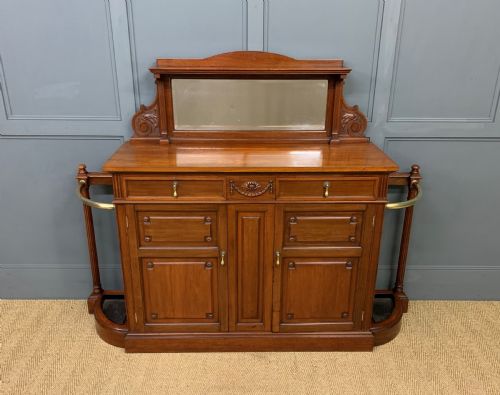
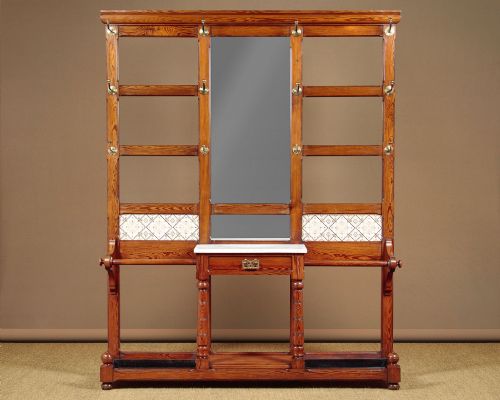
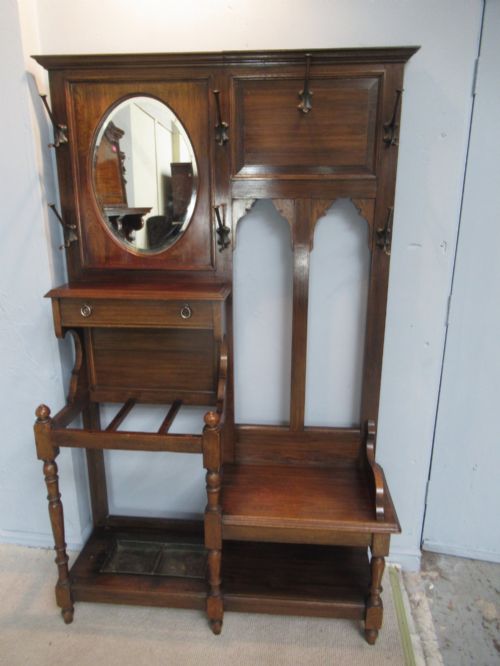
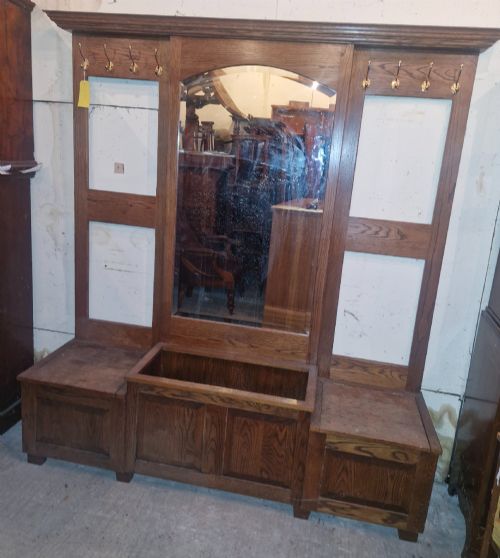
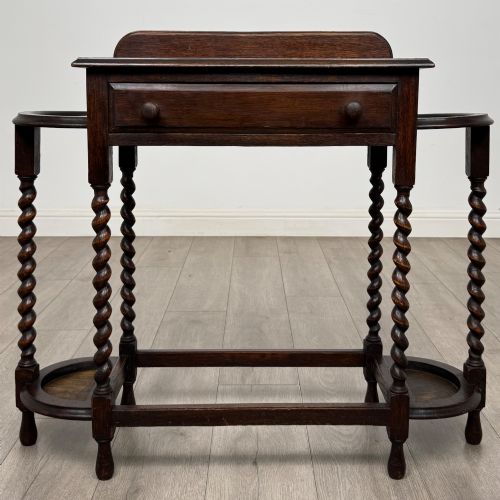
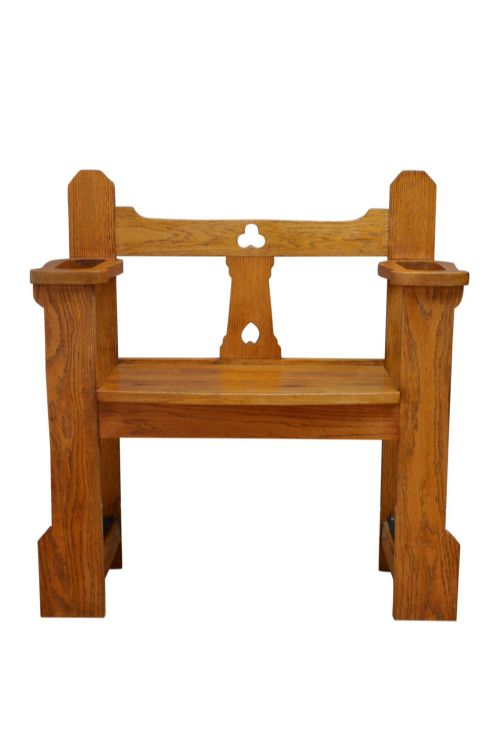
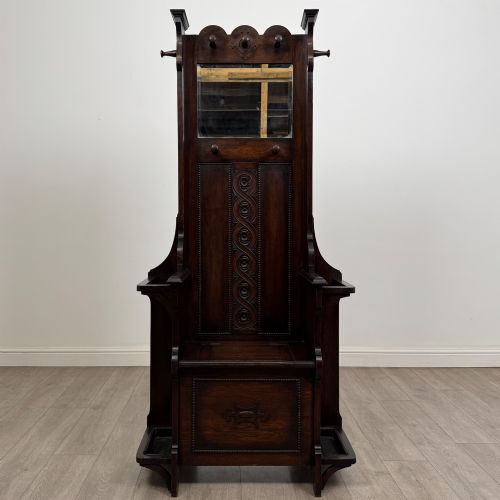
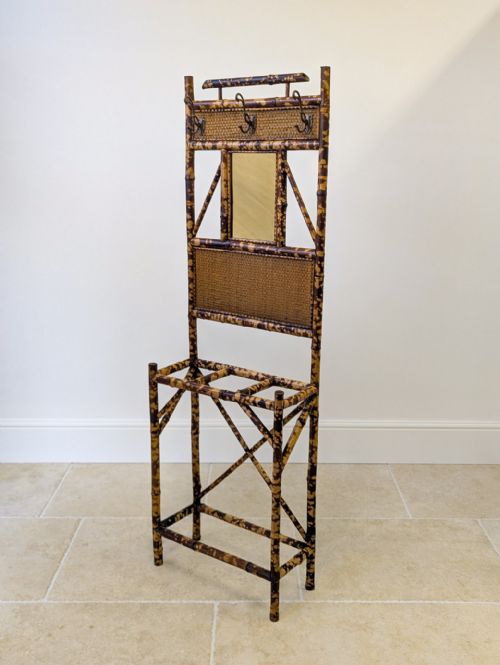
An entryway umbrella stand serves as a practical furniture piece designed to catch rainwater and hold walking sticks near the front door. These items frequently appear as part of larger hall stands that combine hooks, mirrors, and bench seating with dedicated drip trays.
The selections available here range from solid oak and mahogany pieces of the Victorian period to lighter Edwardian designs and metal or bamboo forms. Oak and cast iron variations dominate the listings, offering durability and robust construction for busy hallways.
Buyers will encounter specialised stick stands alongside multi-functional hall furniture originating from the nineteenth and early twentieth centuries. Pieces span stylistic movements including Arts and Crafts, Art Nouveau, and the Aesthetic Movement.
Materials and methods of construction
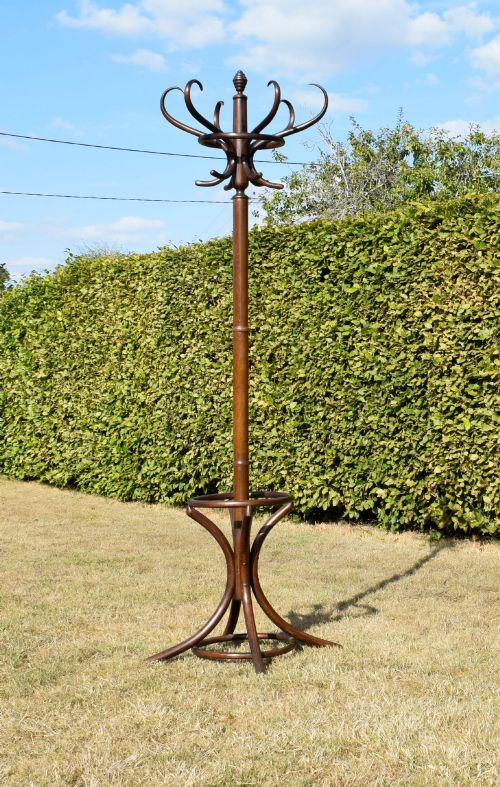
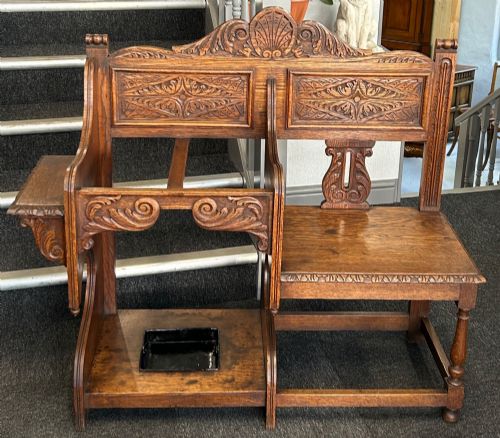
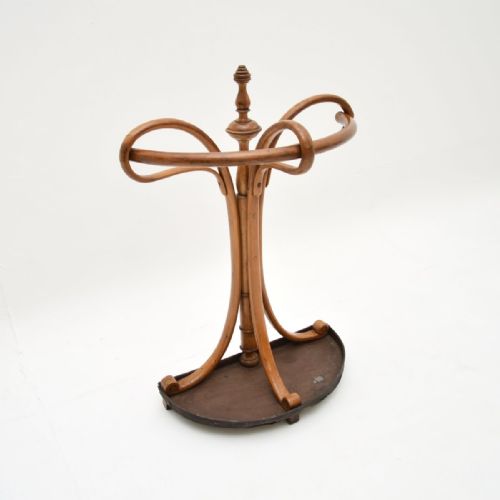
Maker workshops utilised dense hardwoods such as oak, mahogany, and walnut, frequently incorporating carved details, panelling, and applied mouldings. Bentwood techniques allowed beech to be formed into curved frames for lighter umbrella and hat stands.
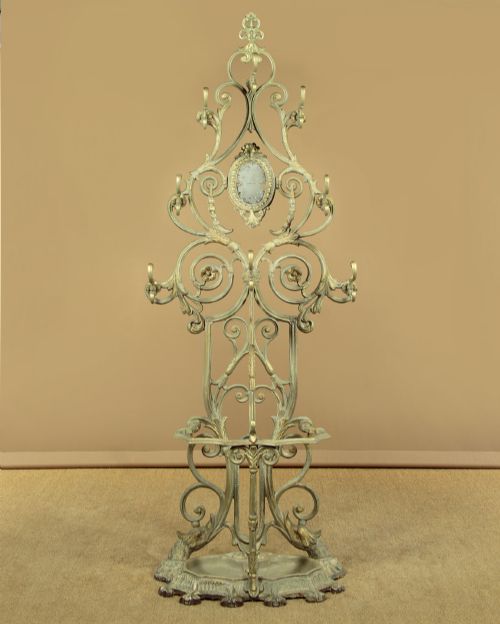
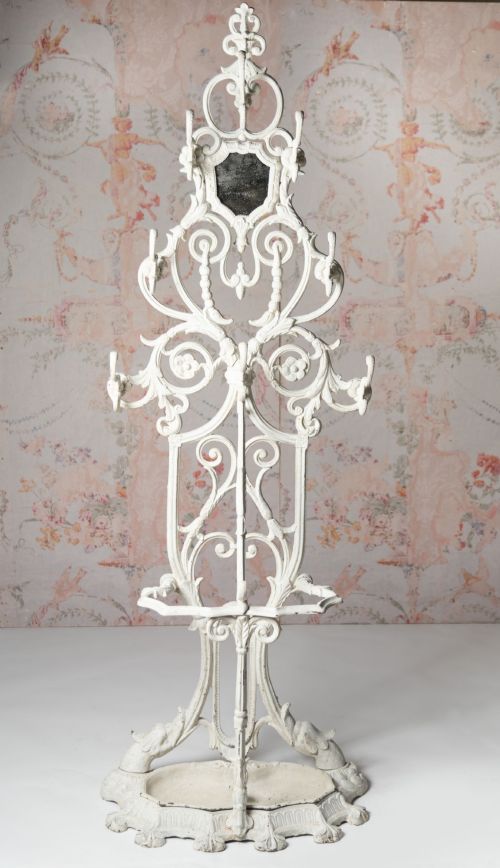
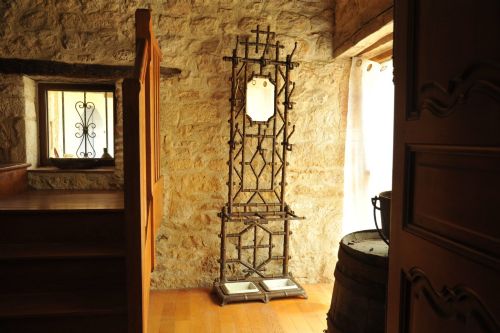
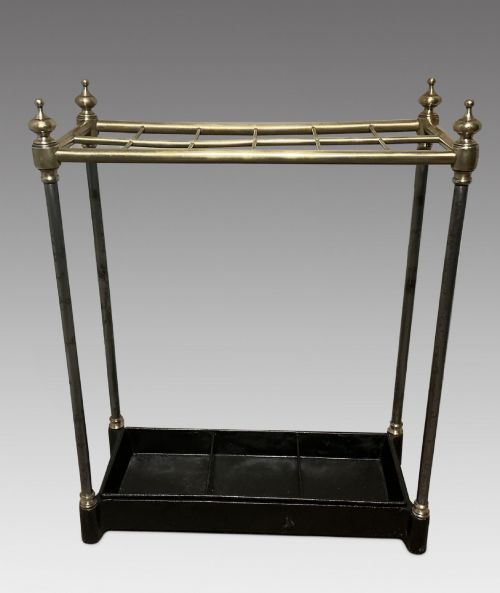
Metal components appear in cast iron, brass, and steel, often moulded into faux bamboo or decorative demi-lune frames for stick storage. Cast iron versions incorporate integrated drip trays to protect wooden floors from moisture.
Cast iron makers cast convincing bamboo stalks in solid metal, fooling the eye before anyone touches the cold surface.
Distinctions in quality and finish
Superior examples display crisp carving, sound structural joinery, and original metal hardware such as brass coat hooks and removable drip pans. Weight and solidity signal better timber selection and sturdier internal framing.
Finer pieces retain their original bevelled mirror plates, intact ceramic or metal liner trays, and surface patination developed through age. Lesser grades show mismatched replacement fittings, missing drip trays, or heavy structural alterations.
Shoolbred and Co·Thonet·Falkirk Foundry
The Entryway Umbrella Stand Glossary
- Hall stand
- A piece of furniture combining coat hooks, a mirror, umbrella storage, and sometimes a seat. These units dominated Victorian and Edwardian hallways to receive visitors.
- Drip tray
- A metal or ceramic pan placed at the base of a stick stand to catch water from wet umbrellas. Original trays are removable for emptying and cleaning.
- Bentwood
- Wood softened by steam and bent into curved structural forms. This technique created light yet resilient frames during the late nineteenth and early twentieth centuries.
- Demi-lune
- A half-moon shape used for umbrella stands designed to sit flat against a hallway wall. This configuration maximises floor space in narrow corridors.
- Aesthetic Movement
- A late nineteenth-century design style emphasising visual beauty over narrative content. Pieces from this movement often utilise bamboo and stylised ornamentation.
Entryway Umbrella Stand: Frequently Asked Questions
What periods do these umbrella stands come from?
The pieces span the Victorian, Edwardian, and Art Deco eras, with manufacturing dates stretching from the nineteenth century into the twentieth century. Common styles include Arts and Crafts, Art Nouveau, and Aesthetic Movement designs.
Most items originate from British and French workshops, utilising regional timbers and metalfounding techniques characteristic of those periods.
How were these stands used historically?
Households placed them in entrance halls to receive wet umbrellas, walking sticks, hats, and coats upon entering the home. The integrated mirrors allowed residents to check their appearance before heading out.
Larger combination units provided seating for putting on boots, while the lower trays caught moisture from damp weather gear.
Do cast iron stands include drip pans?
Cast iron and metal stands frequently feature built-in or removable base trays designed to catch water runoff. These collection points protected timber floorboards from pooling moisture.
When inspecting metal or faux bamboo versions, check whether the base tray remains present and original to the piece.
How do I care for an antique wooden hall stand?
Keep wooden frames away from direct heat sources and dramatic humidity fluctuations to prevent timber splitting or warping. Apply appropriate wax polishes periodically to nourish the surface patination.
Ensure that wet umbrellas are shaken out before placing them into wooden or metal wells to avoid prolonged water contact.