
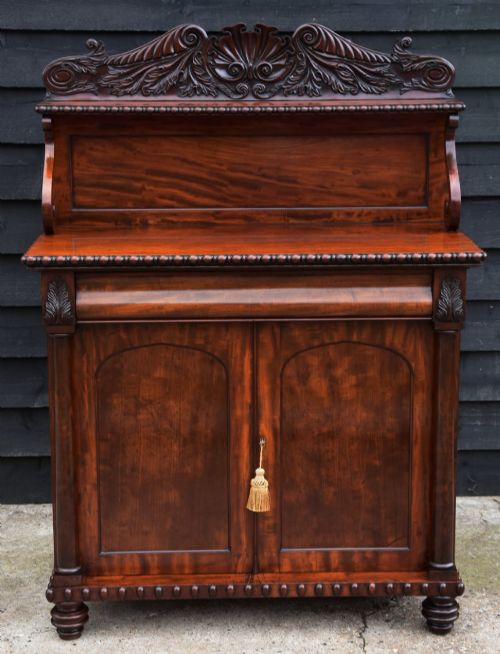
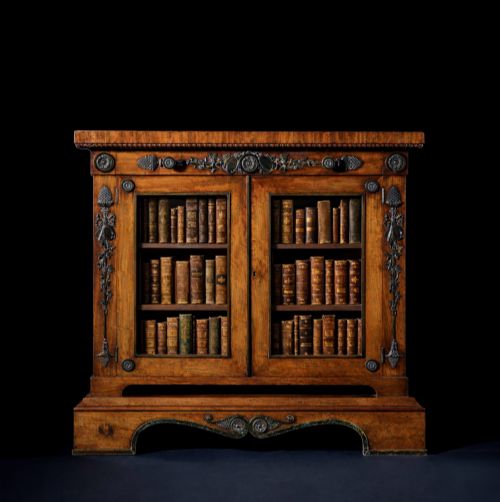
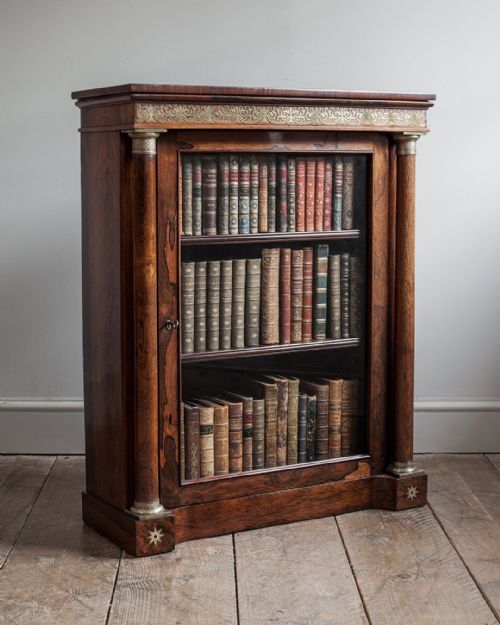
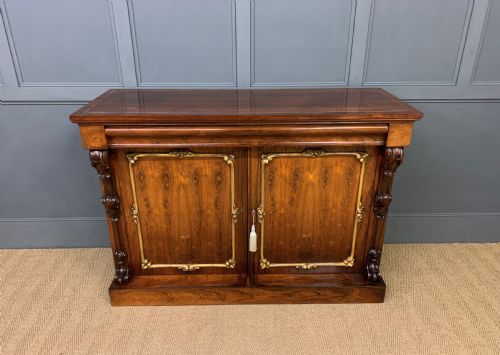

Period Side Cabinet
A period side cabinet brings architectural grace to a room, offering practical storage disguised in rich mahogany, rosewood or walnut.
Period Side Cabinet
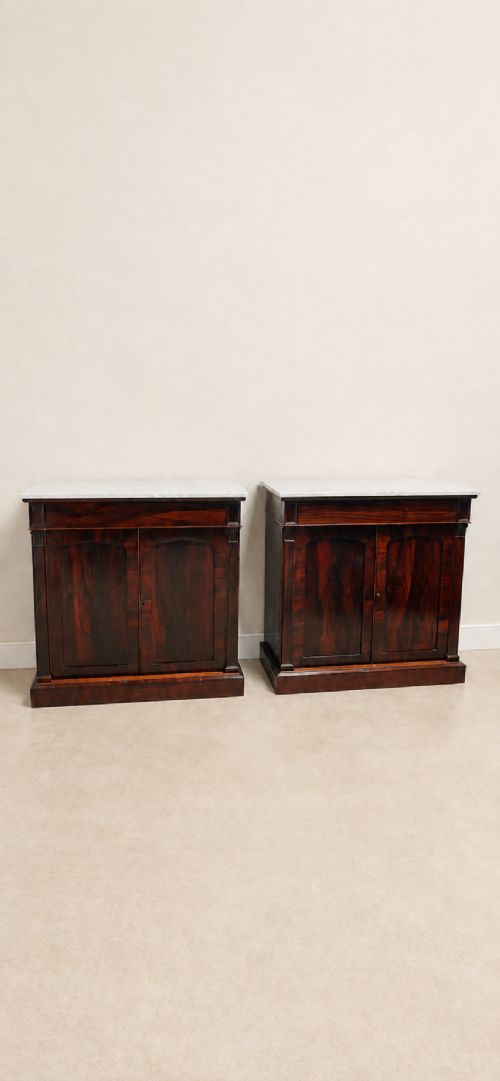
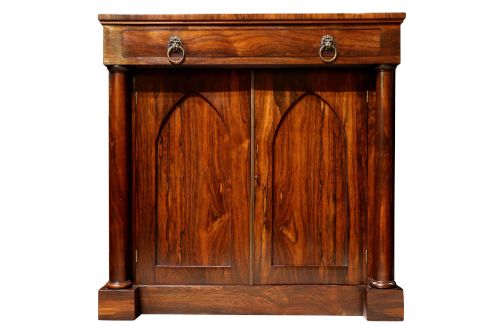
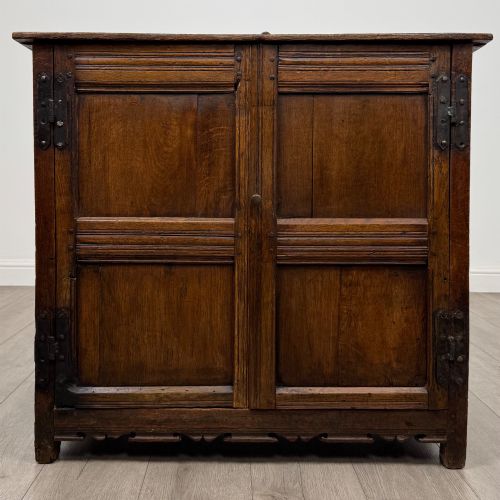
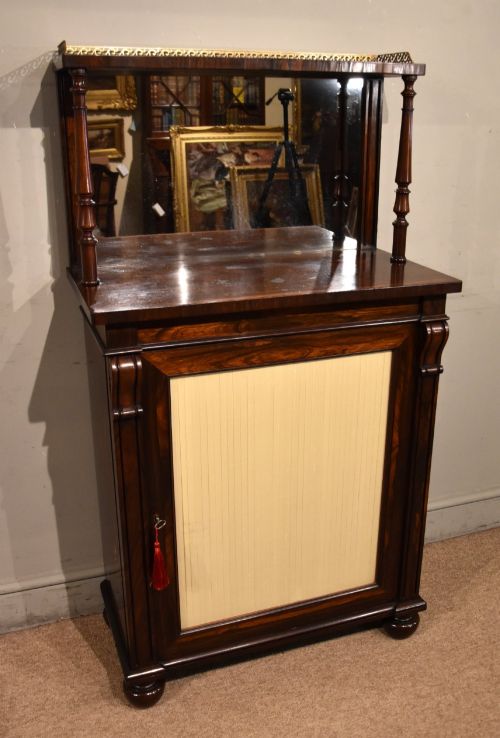
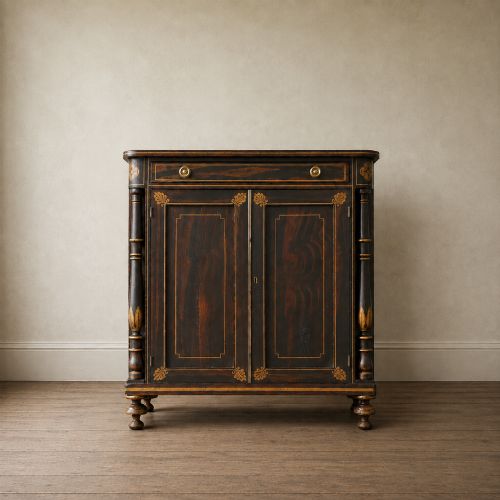
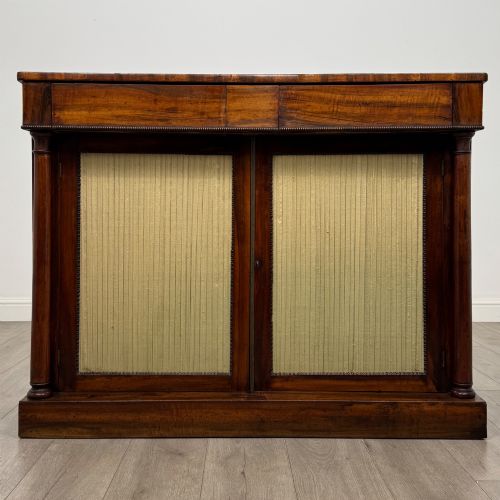
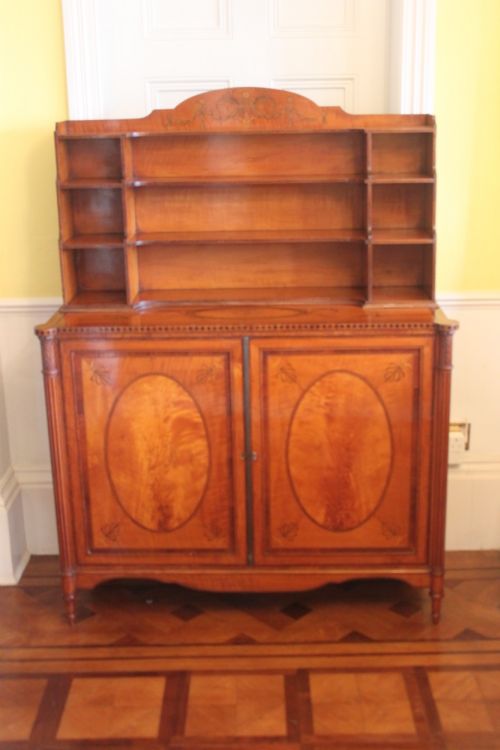
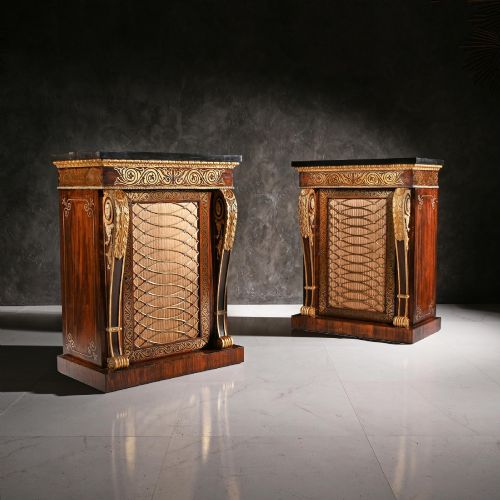
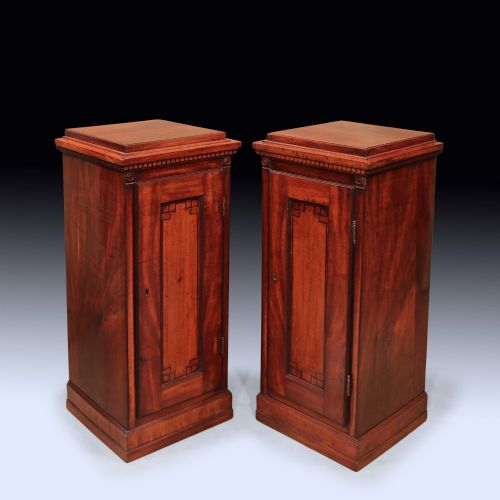
A period side cabinet encompasses low storage furniture designed for reception rooms, encompassing George III commodes, Regency chiffoniers, and Victorian bookcases. Buyers seeking this phrase typically encounter mahogany or rosewood pieces featuring panelled doors, brass mounts, or silk-backed grilles. Forms range from compact bedside cupboards and pier cabinets to grand credenzas spanning multiple doors.
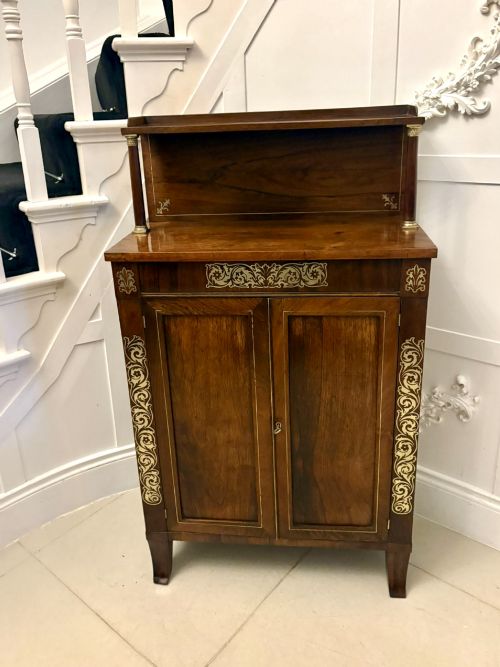
The selections span centuries from seventeenth-century oak through Georgian and Regency eras into the early twentieth century. Regency examples in rosewood dominate the listings, often displaying characteristic brass inlay or Gothic panels. These versatile items served varied domestic functions, functioning as serving surfaces, book repositories, or display units for precious porcelain.
Materials and construction methods
Cabinet makers utilised dense hardwoods such as mahogany, rosewood, and walnut as structural carcases, frequently applying intricate veneers like amboyna, burr elm, and satinwood. Timber selection dictated the visual weight of the furniture, with dark grains polished to a high lustre. Secondary woods formed internal framing and drawer linings.
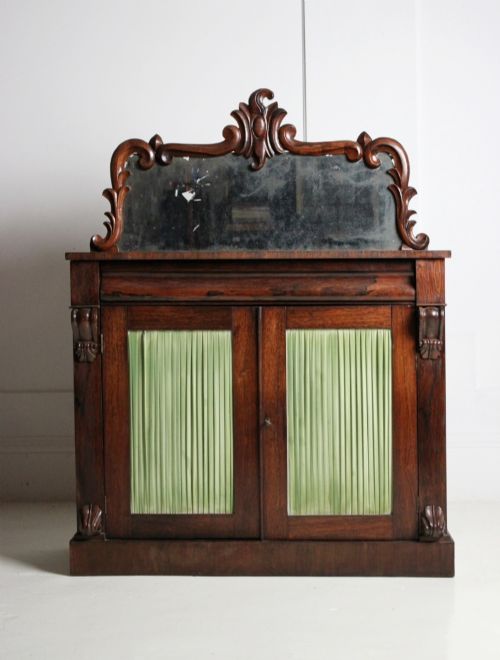
Decorative embellishments involved precise brass inlays, cast bronze mounts, and gilt detailing applied to simulated rosewood surfaces. Doors incorporated glazed panels, brass grilles, or pleated fabric inserts like silk to conceal contents while adding texture.
Pleated silk panels behind brass grilles let air circulate while hiding a messy book collection.
Distinctions in execution and finish
Quality rests upon the crispness of brass detailing, the depth of timber figure, and the precision of cabinet joinery. Superior examples exhibit tightly fitted doors, harmonious veneer matching across panels, and original mounts secured without distortion.
Lesser pieces show compromise in secondary timbers, replacement hardware, or heavy-handed modern refinishing that obscures the natural grain. The integration of specialised woods like gonçalo Alves or amboyna elevates the distinction of individual cabinets.
Louis Constantin Le Gaigneur
The Period Side Cabinet Glossary
- Chiffonier
- A low sideboard or cabinet featuring a raised shelf or superstructure, popular during the Regency and Victorian periods for displaying ornaments.
- Pier cabinet
- A slender cabinet designed specifically to fit the wall space between windows, often featuring glazed doors.
- Credenza
- A grand sideboard or cabinet used primarily for storage and display, frequently incorporating amboyna, satinwood, and extensive marquetry.
- Commode
- A low, elegant chest of drawers or cabinet dating from the eighteenth century onwards, typically finished in fine veneers.
- Grille
- A decorative lattice of brass wire fitted into cabinet doors to allow ventilation while protecting books or china.
Period Side Cabinet: Frequently Asked Questions
What is a Regency chiffonier?
A Regency chiffonier is a low cabinet featuring a raised shelf supported by small pillars above the main body. These pieces frequently incorporate silk-backed panels or brass grilles on the doors.
Originally utilised for storing dining silver or serving dishes, they transitioned into elegant display and storage units for the principal reception rooms.
How do I date a mahogany cabinet?
Dating relies upon examining construction techniques, timber choice, and decorative vocabulary such as brass inlay or panel styling. Georgian and Regency pieces display specific proportions and cabinet-making signatures distinct from later Victorian interpretations.
Inspect internal drawer linings and secondary woods to confirm the period of manufacture alongside external stylistic cues.
Where should I place a side cabinet?
A side cabinet suits hallways, dining rooms, or living areas where surface space and low-level storage are required. Their shallow depth allows them to sit against walls without encumbering walkways.
Pair them with a decorative mirror or painting above to create a balanced focal point within the interior scheme.
What woods were used in these cabinets?
Cabinet makers predominantly employed mahogany and rosewood, accented with exotic timbers like amboyna, gonçalo Alves, satinwood, and burr elm. Earlier pieces utilised oak or walnut.
Surfaces were polished to accentuate natural grain patterns, occasionally enhanced with contrasting stringing or brass mounts.