



Period Satinwood Furniture
Period satinwood furniture brings luminous timber and refined neoclassical lines into a room, offering both practical surface space and distinct cabinetwork.
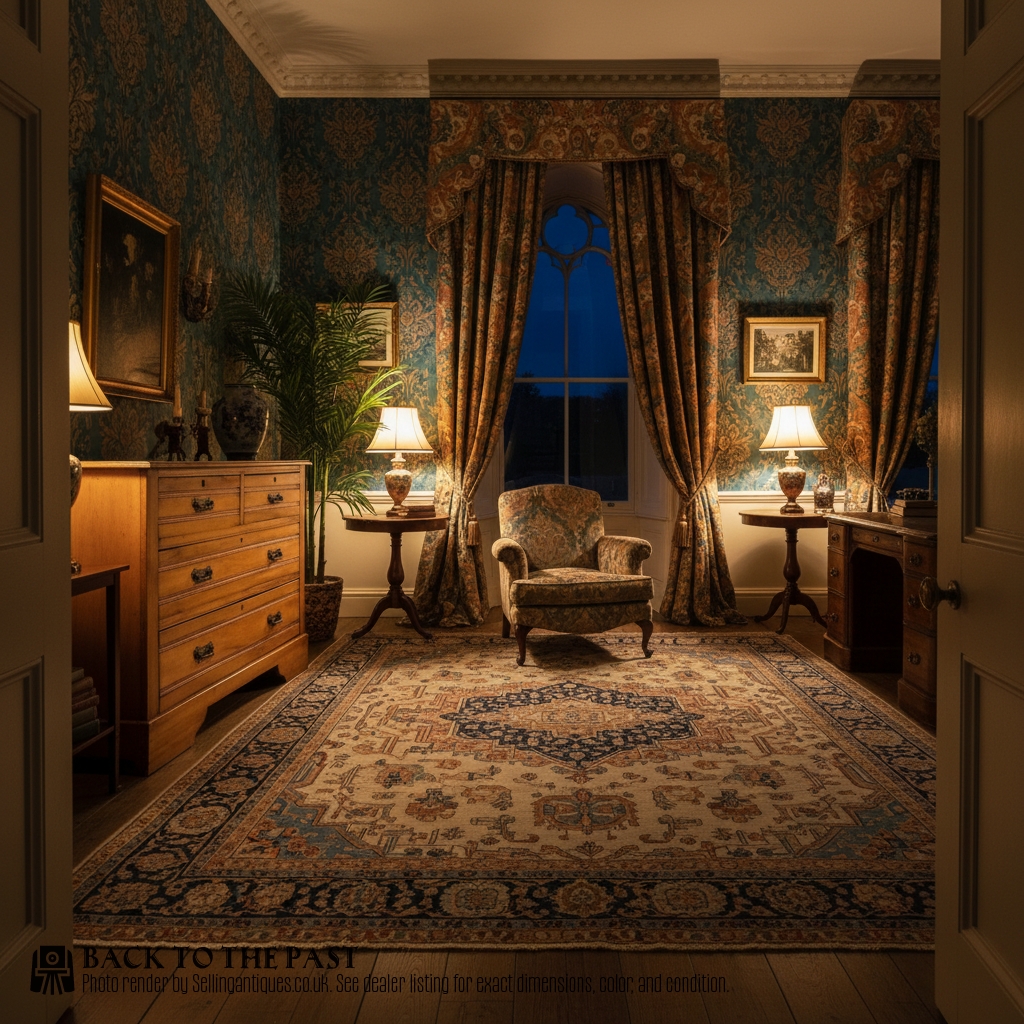
Period Satinwood Furniture
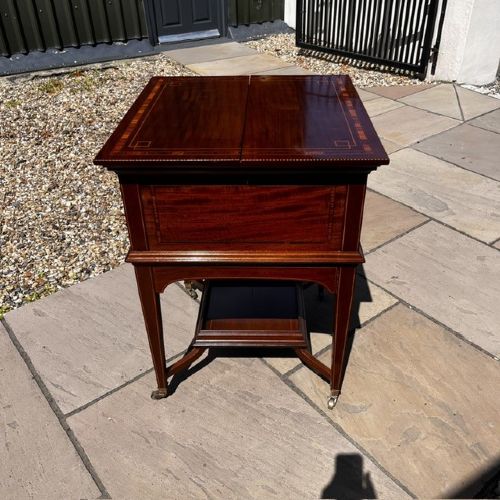
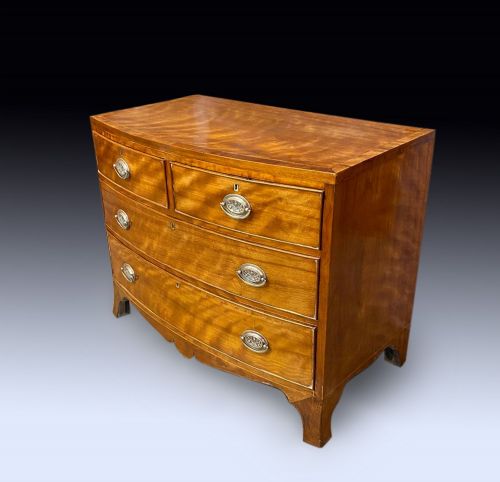
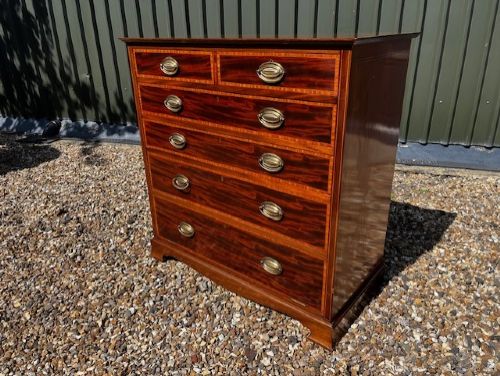
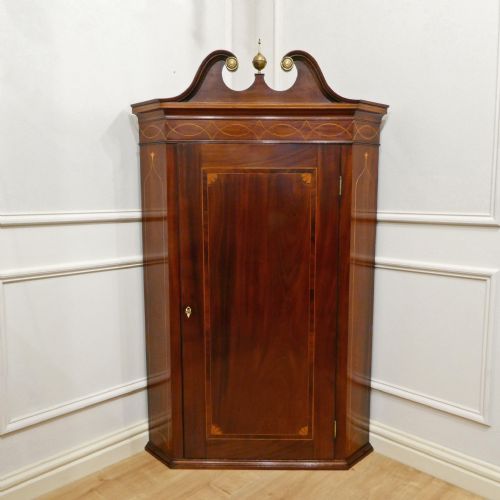
Period satinwood furniture encompasses items designed primarily during the eighteenth and nineteenth centuries, spanning Georgian, Regency, and Edwardian eras. When searching for period satinwood furniture, buyers encounter forms ranging from card tables and Pembroke tables to chests of drawers and delicate writing desks. The selection leans heavily towards pieces executed in the Sheraton manner or produced during the Edwardian revival.
Makers utilised this dense, yellow-hued timber to create sophisticated side tables, cabinets, and commodes often enhanced by contrasting veneers. The wood itself provides a bright, reflective quality that sets these items apart from darker mahogany or walnut counterparts. Most examples combine solid carcases with careful veneering over secondary timbers, displaying the classic proportions associated with neoclassical design.
What varies in quality
Quality rests heavily on the choice and figuring of the timber, where master cabinetmakers selected cuts with exceptional chatoyancy and grain movement. The precision of the marquetry and the crispness of any inlaid banding distinguish superior workshops from standard commercial output.
Attribution to documented makers such as Gillows elevates certain pieces through accomplished execution and structural refinement. The survival of original brass hardware, stable secondary woods, and untouched surface patination further separates exceptional examples from ordinary production.
Listings feature satinwood combined with mahogany, harewood, kingwood, and brass across George III, Regency, and Edwardian periods.
Gillows
The Period Satinwood Furniture Glossary
- Satinwood
- A dense, hard tropical timber possessing a natural golden lustre and smooth texture. It serves as the primary face veneer on high-status neoclassical case pieces.
- Pembroke table
- A small drop-leaf table featuring hinged flaps on two opposing sides. These versatile tables typically include a single drawer and slender tapered legs.
- Bonheur du jour
- A light ladies writing desk featuring a small set of drawers or a cabinet superstructure above the main writing surface. Originating in France, the form gained popularity in English neoclassical design.
- Commodes
- A decorative low chest of drawers or cabinet designed for formal reception rooms. Eighteenth-century versions often feature serpentine or bow fronts adorned with elaborate marquetry.
- Crossbanding
- A decorative technique where veneer strips are applied across the grain direction of the primary surface. It creates a contrasting border that frames drawer fronts or table tops.
Period Satinwood Furniture: Frequently Asked Questions
How do I care for satinwood furniture?
Keep these pieces away from direct sunlight and excessive heat sources to prevent the golden timber from darkening or the veneers from lifting. Regular dusting with a soft, dry cloth is sufficient for maintenance.
Aplying a microcrystalline wax periodically helps nourish the surface and protect the finish without building up heavy residues. Avoid silicone-based polishes entirely.
What is the difference between Sheraton and Edwardian satinwood?
Original Sheraton period pieces date from the late eighteenth century, exhibiting hand-cut joinery, subtle hand-painted motifs, and dense native or colonial timbers. They reflect the peak of neoclassical design.
Edwardian satinwood pieces represent the later revival periods around nineteen hundred, often utilising machine-sawn veneers and lighter internal construction while imitating eighteenth-century forms.
Where were satinwood tables used in a home?
Pembroke and card tables typically occupied drawing rooms and parlours where they could be easily moved for entertaining or playing games. Their finished backs allowed them to stand away from walls.
Desks and Davenport desks found their place in private studies or morning rooms, serving as compact writing stations for correspondence.
How can I tell genuine age on these items?
Examine the drawer linings and interior secondary woods for tool marks, hand-planed surfaces, and traditional construction methods like pegged joints. Older pieces show natural shrinkage and softening of the wood edges.
Check the uniformity of the veneers and inlay work, as period pieces reveal subtle irregularities absent in later machine-made reproductions.