



Edwardian Satinwood Dresser
These edwardian satinwood dresser pieces combine golden timbers with delicate inlay, offering practical storage and timeless British craftsmanship for the home.
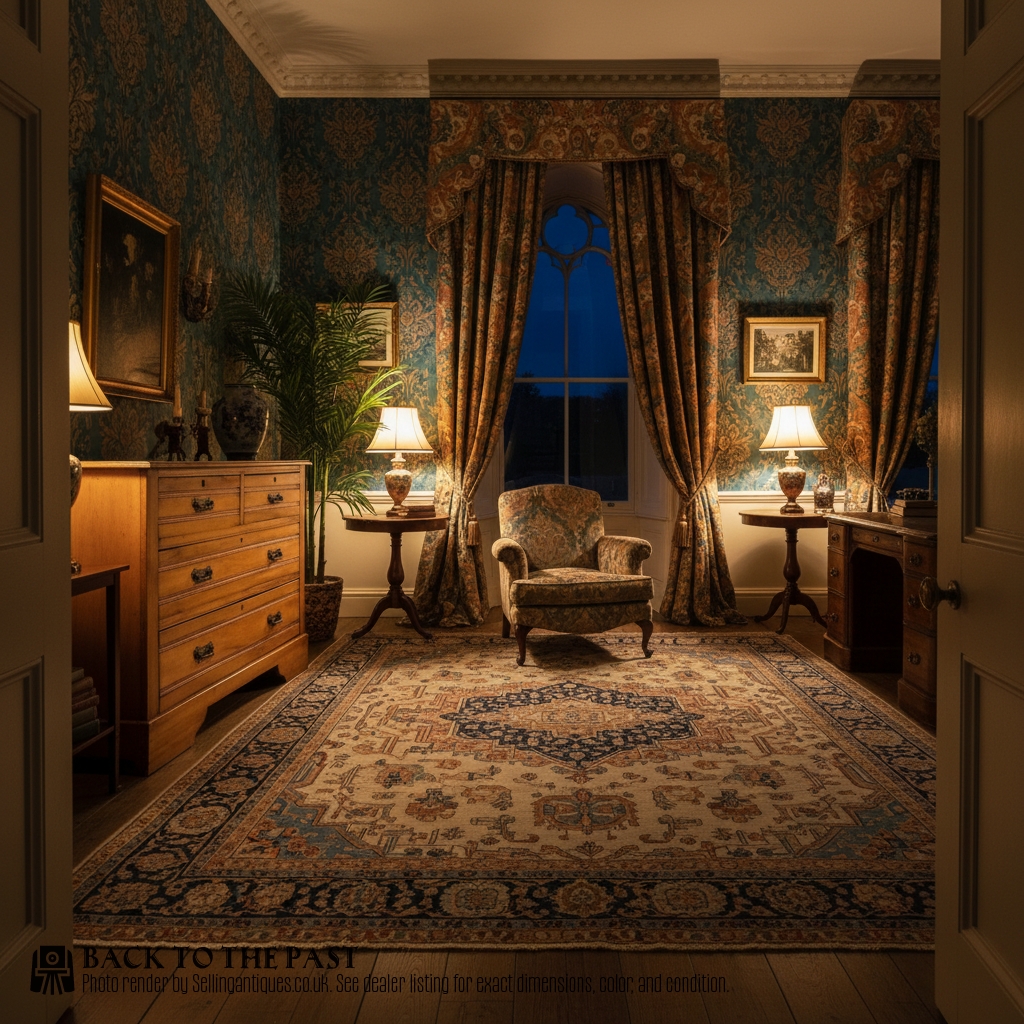
Edwardian Satinwood Dresser
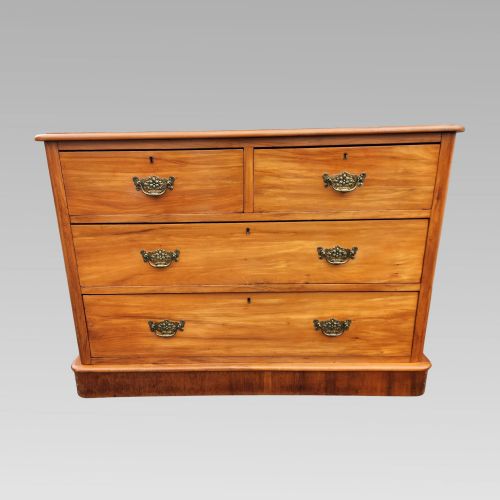
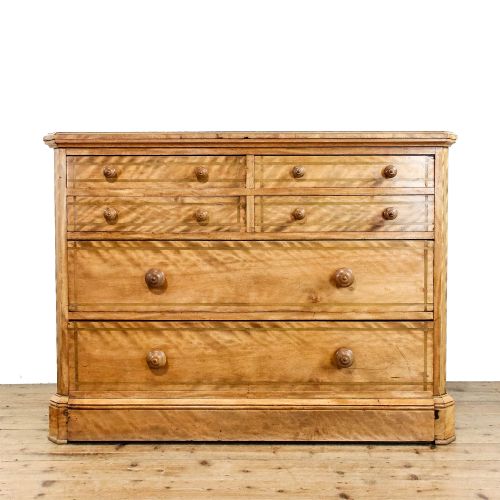
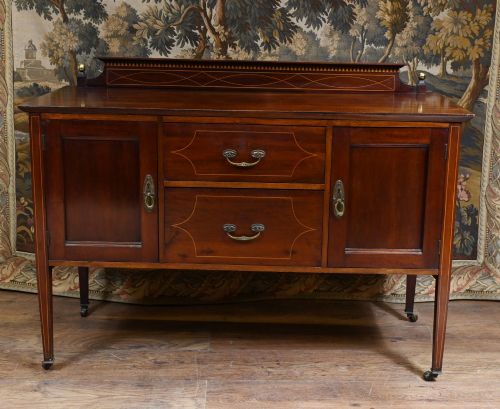
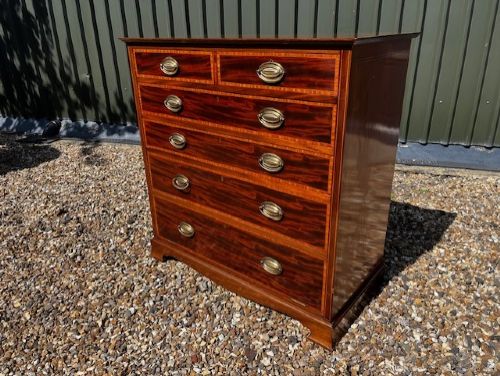
An edwardian satinwood dresser search reveals a selection dominated by chests of drawers and sideboards. These items primarily date from the Edwardian period and the late nineteenth century.
Makers of this era favoured forms such as the tallboy, the bow front chest, and the serpentine chest. Alongside satinwood, you will find pieces constructed from mahogany, satin walnut, and satin birch.
The dominant style is Sheraton Revival, drawing heavily on classical eighteenth-century lines. Simpler Arts and Crafts examples also appear alongside occasional Regency items.
What varies in quality
The distinction between average and exceptional pieces lies in the crispness of the inlay and the selection of the timber grain. Finer examples display symmetrical figuration across the drawer fronts and subtle tonal variations in the wood.
Proportion and execution define the top of the market. Superior items maintain sharp corners and balanced joinery, while simpler pieces rely on standard commercial production methods of the period.
Listings feature items spanning the Victorian, Edwardian, and Regency eras, constructed primarily in satinwood, mahogany, and satin walnut.
Harris Lebus·Heals
The Edwardian Satinwood Dresser Glossary
- Satinwood
- A lustrous tropical hardwood known for its golden colour and satiny sheen. It was frequently used as a veneer on high-end Edwardian furniture.
- Sheraton Revival
- A late nineteenth and early twentieth-century design movement inspired by the furniture of Thomas Sheraton. It is characterised by slender proportions, satinwood veneers, and classical inlay.
- Tallboy
- A tall chest of drawers consisting of one chest stacked upon another. This form maximised vertical storage space in bedrooms.
- Bow Front
- A convex curved front on a chest of drawers or sideboard. This shape softens the profile of the furniture and requires advanced woodworking skill.
- Stringing
- Thin lines of contrasting wood inlaid into the surface of furniture. It forms geometric borders and decorative panels.
Edwardian Satinwood Dresser: Frequently Asked Questions
What is an edwardian satinwood dresser?
An edwardian satinwood dresser typically refers to chests of drawers or sideboards produced around the early twentieth century using pale golden satinwood timbers. These pieces often feature fine inlay work in the Sheraton Revival style.
They combine decorative appeal with functional storage, making them popular choices for traditional and contemporary interiors alike.
How do I date an edwardian satinwood piece?
Dating relies on observing construction techniques, timber choices, and stylistic markers such as Sheraton Revival motifs. Edwardian pieces often display machine-assisted precision alongside hand-finishing.
Comparing the drawer linings, handle types, and secondary woods like pine helps confirm the manufacturing era between eighteen-eighty and nineteen-ten.
Where should I place a satinwood chest?
Satinwood furniture thrives in rooms with indirect natural light to protect the pale golden finish from fading. Bedrooms and hallways provide ideal settings for chests of drawers and sideboards.
Keep these pieces away from direct heat sources and moisture to preserve the delicate veneers and boxwood inlay.
How do I care for antique satinwood?
Maintenance involves dusting with a soft, dry cloth and occasionally applying a quality beeswax to nourish the timber. Avoid silicone-based polishes that can damage the antique surface over time.
Maintaining stable room humidity prevents the veneer from lifting and keeps the timber stable.