


Period Overmantel
A period overmantel commands the chimney breast with generous proportions, reflecting light and anchoring the room.
Period Overmantel
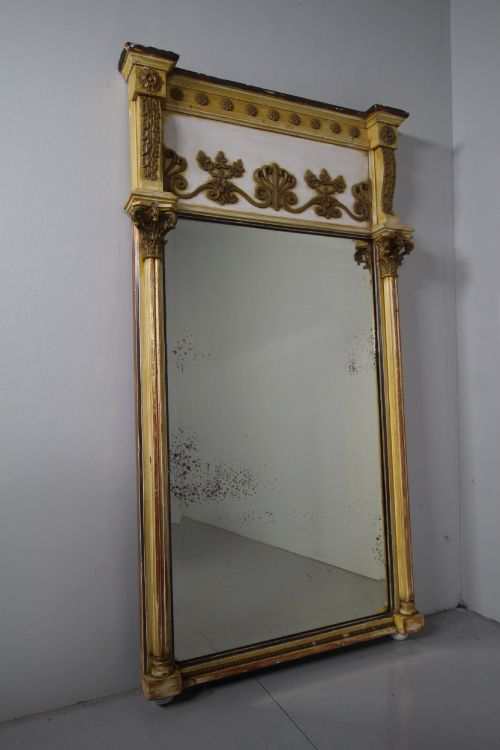
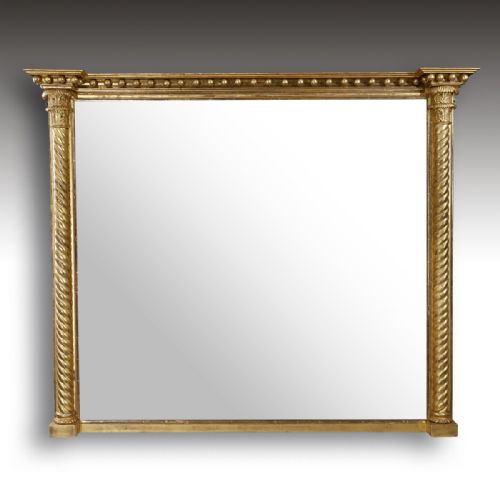
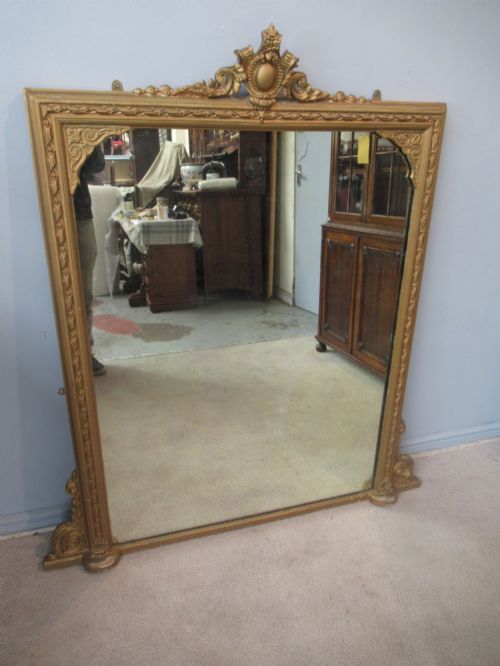
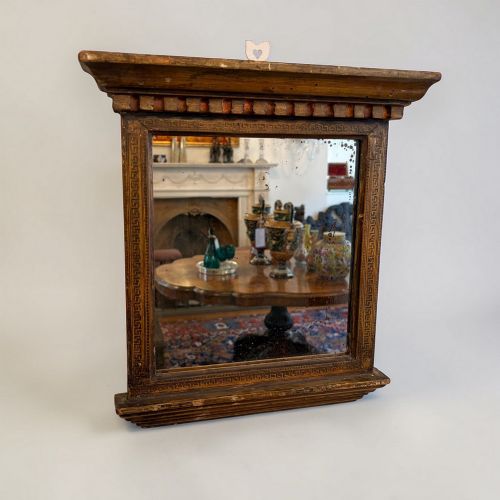
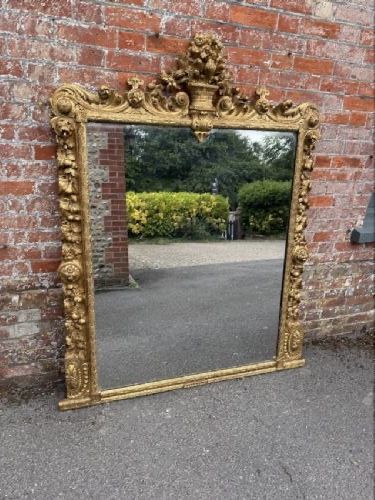
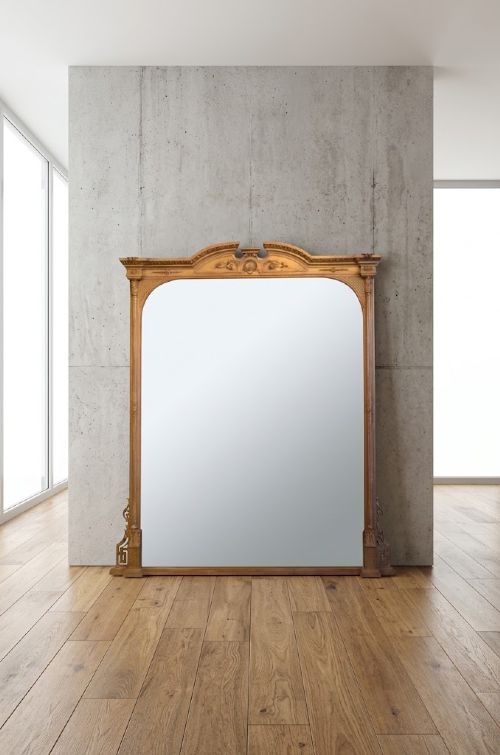
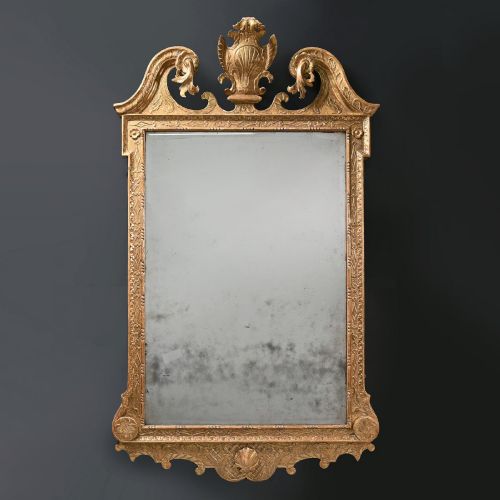
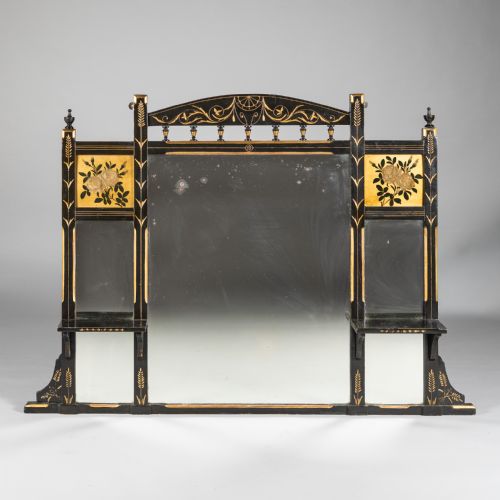
A period overmantel is a large mirror designed to hang above a fireplace, forming the visual centrepiece of a period room. These pieces range from restrained Georgian designs to ornate Victorian and French Rococo creations.
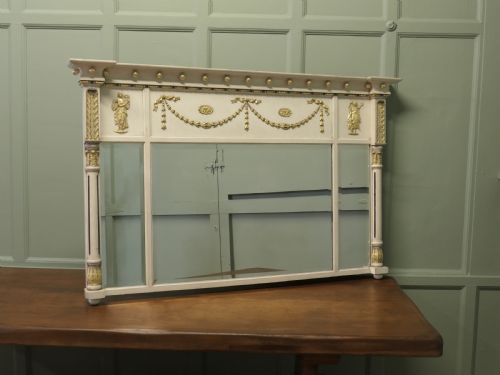
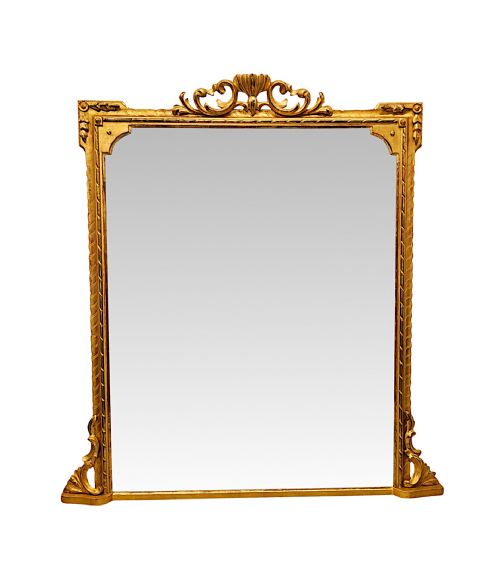
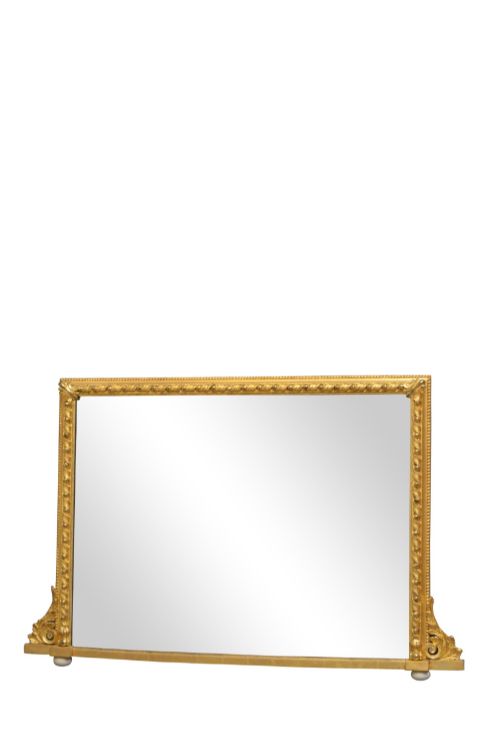
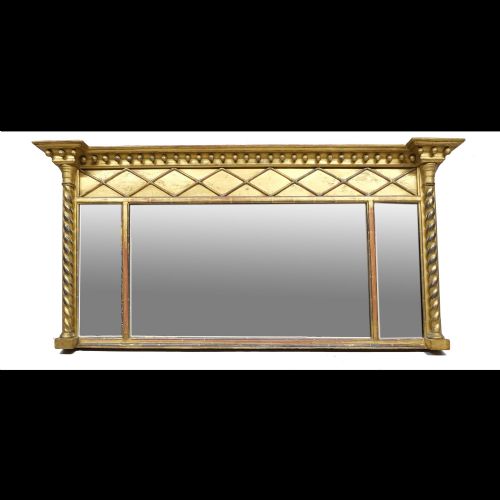
The version most commonly met on this page is the 19th-century giltwood overmantel, often featuring triple plates and architectural framing. These mirrors were built to catch the firelight and expand the sense of space in formal reception rooms.
Materials and construction
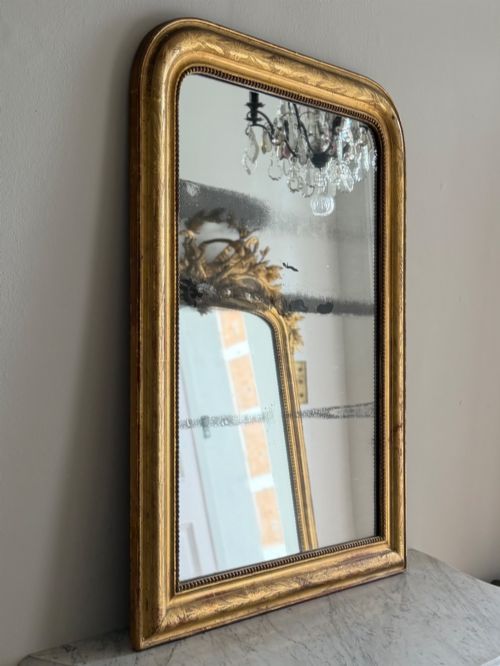
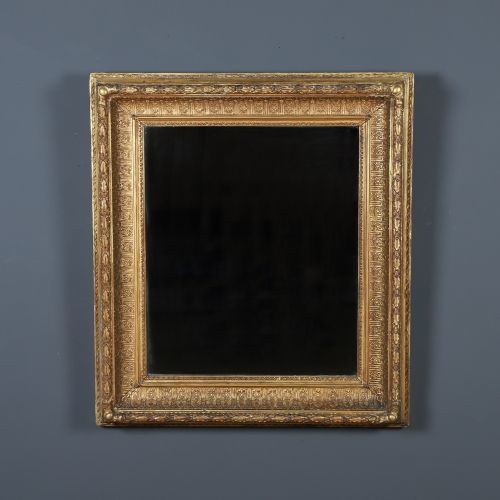
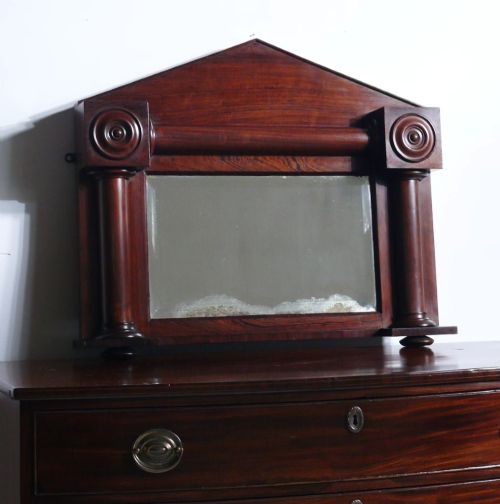
Makers utilised timber frames carved from wood, oak, or rosewood, frequently applying gesso to build up intricate relief ornament before gilding. Gold leaf and composition details were layered over the base to achieve a brilliant metallic sheen.
Glass plates were silvered using traditional methods, often resulting in natural foxing and age spots over decades. Frames were constructed with sturdy wooden backs to support the considerable weight of the heavy mirror plates.
Period Overmantel Retail Price Guide 2026
Typical asking prices for period overmantel among the pieces listed under this phrase on Sellingantiques today, from the lower quarter to the upper quarter. They describe what is for sale here now, not the wider market.
Several mirrors carry the quiet ghost of past hearthfires in their foxed mercury glass, reflecting centuries of passing rooms.
Gradations in quality
Quality rests in the crispness of the hand-carved detail and the integrity of the original gilding on the wood and gesso. Superior examples retain their original mirror plates, displaying authentic foxing rather than modern replacement glass.
Proportion and balance dictate the architectural success of the piece, with finer overmantels showing harmonious framing that complements the fireplace below. The depth of the moulding and the finesse of applied ornamentation separate workshop output from mass production.
The Period Overmantel Glossary
- Giltwood
- Wood carved and coated with gold leaf or metallic paint. This finish creates a luminous surface that reflects candle and fire light.
- Gesso
- A plaster-like mixture applied to wooden frames as a base for carving and gilding. It allows for sharp, intricate decorative moulding.
- Foxing
- Discolouration and spotting on antique mirror glass caused by the breakdown of the silver backing over time. This chemical ageing creates a characteristic speckled pattern.
- Trumeau
- A decorative wall mirror or panel featuring painted scenes or carvings above the glass. Originating in France, these pieces integrate architectural woodwork.
- Pier glass
- A tall mirror designed to hang on the narrow wall space between windows. These mirrors reflect natural light deeper into the room.
Period Overmantel: Frequently Asked Questions
Where should a period overmantel hang?
These mirrors traditionally anchor the chimney breast directly above the mantelpiece, reflecting the hearth.
Ensure the wall fixings are robust enough to support the substantial weight of the wooden frame and heavy glass.
How do I identify a Regency overmantel?
Regency frames often incorporate classical motifs such as acanthus leaves, columns, and convex or triptych mirror plates.
They display a leaner, more architectural profile compared to later Victorian iterations.
Are the mirror plates original?
Many surviving pieces retain their original glass, which frequently exhibits light foxing and dark speckles from age.
Original plates contribute significantly to the character and period authenticity of the mirror.
How do I clean an antique gilt frame?
Dust the carved surfaces gently with a soft, dry brush to prevent damage to the delicate gold leaf or gesso.
Avoid liquid cleaners and modern polishes, as moisture strips the historical finish from the wood.