
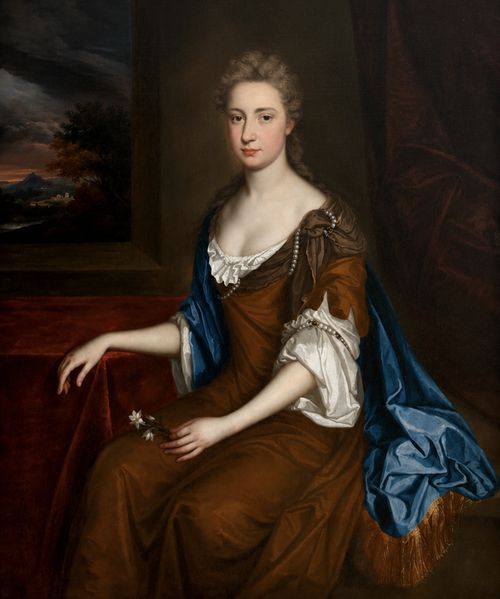
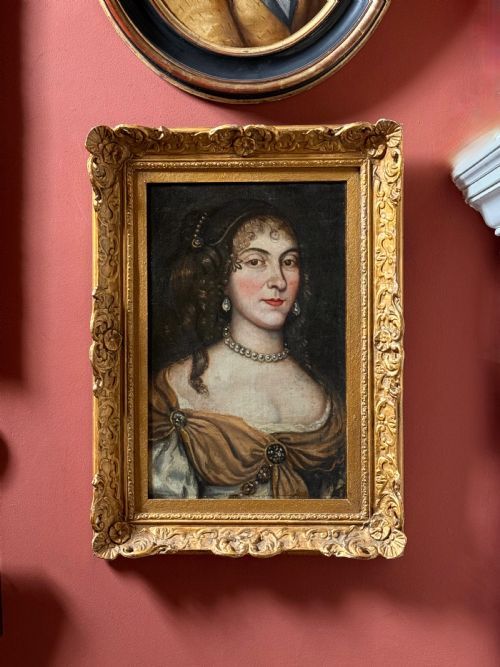
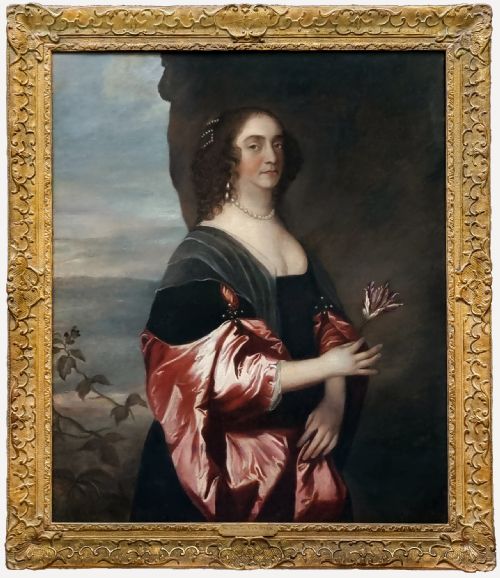
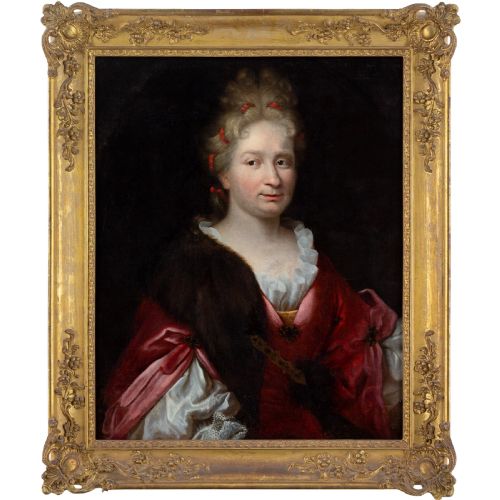
Period Oil Painting Canvas
A period oil painting canvas brings historic presence into a room, offering centuries-old portraiture and landscape work executed on woven fabric.
Period Oil Painting Canvas
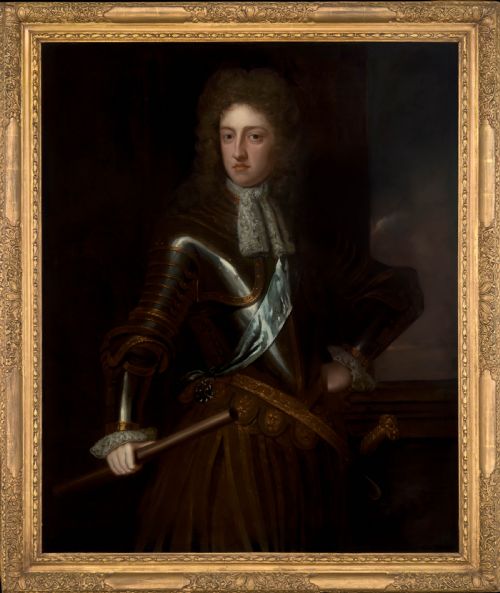
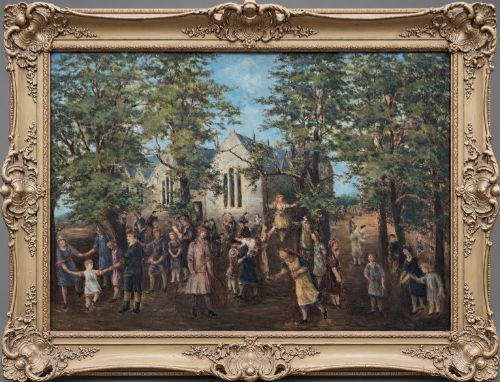
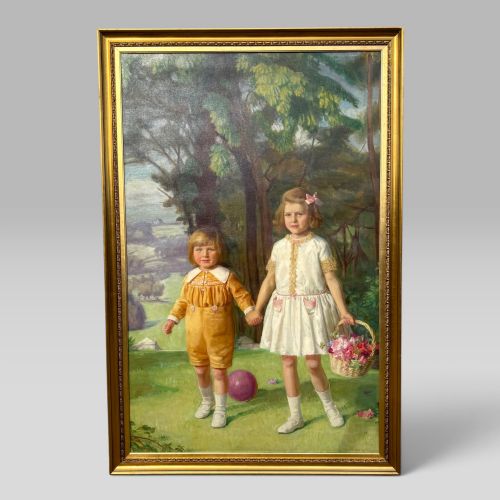
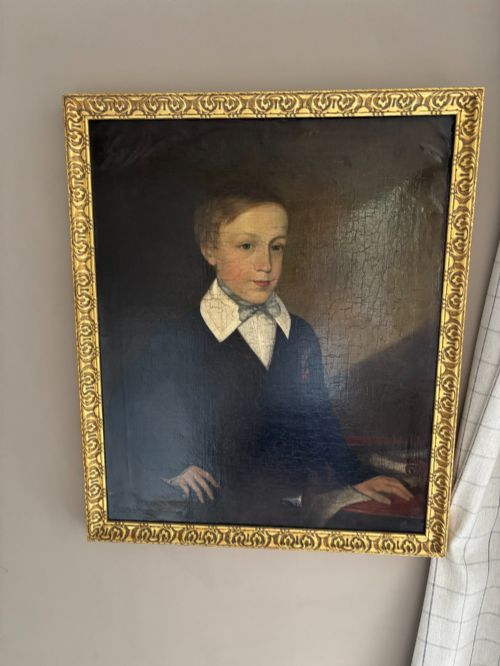
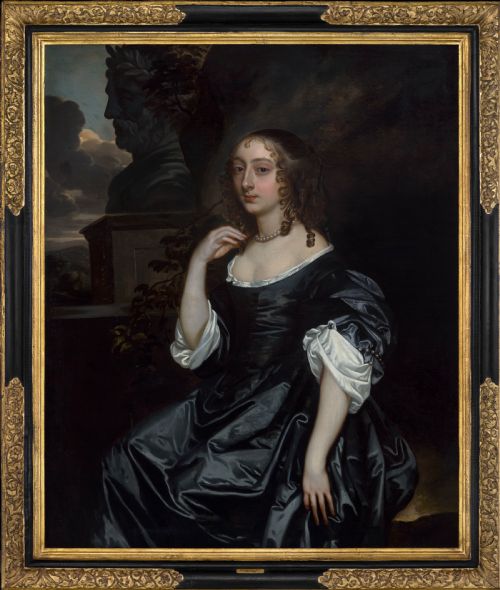
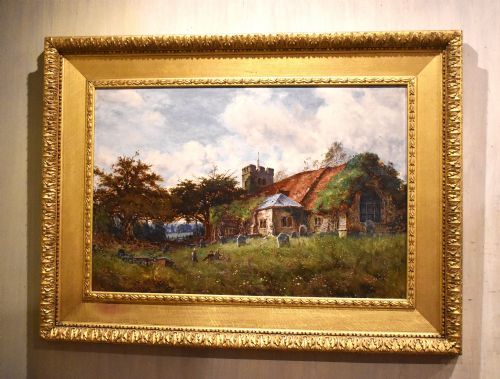
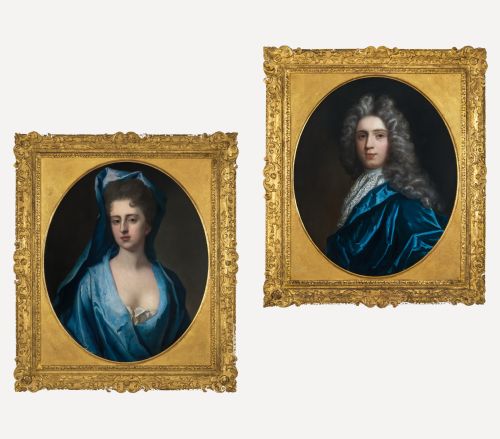
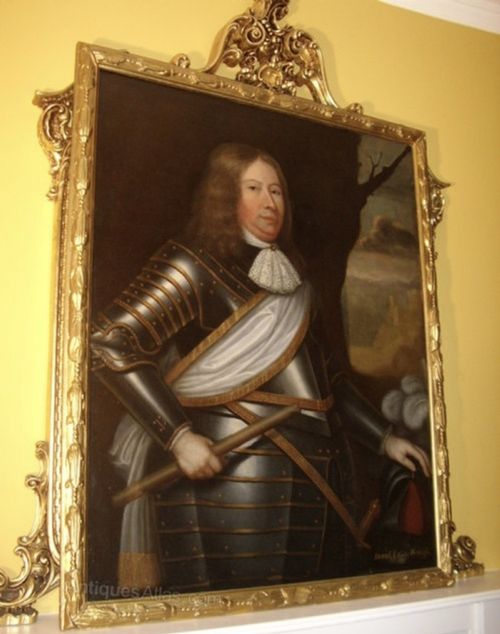
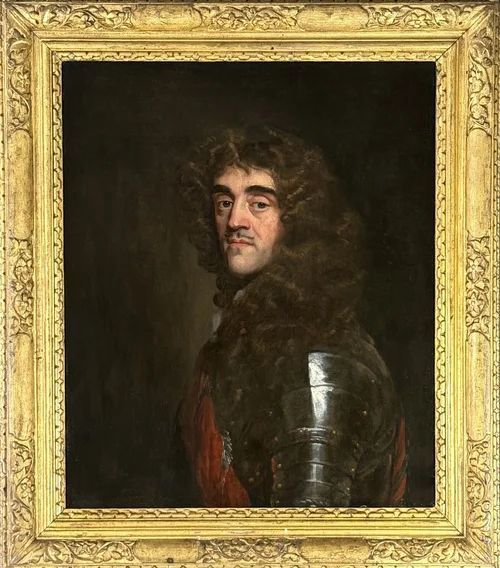
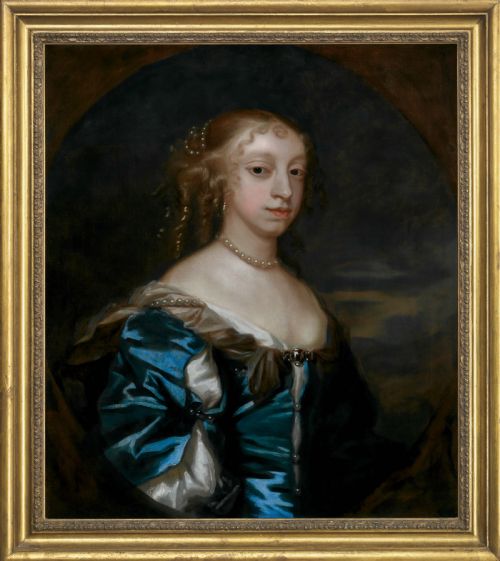
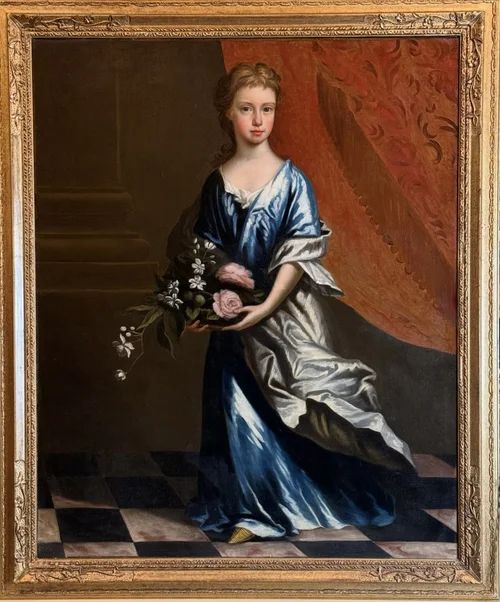
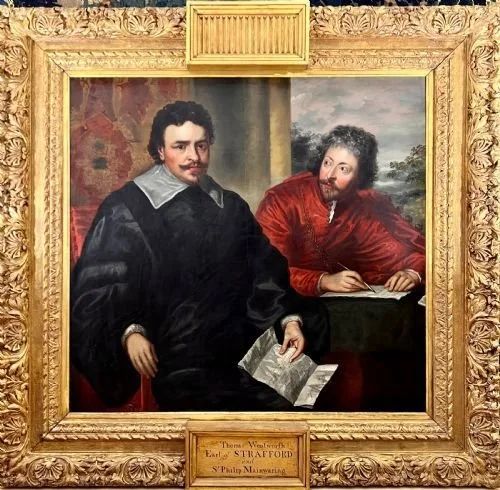
A period oil painting canvas primarily comprises historic portraits and landscapes dating from the seventeenth, eighteenth, and nineteenth centuries. These works record sitters from nobility, military officers, and country gentlemen alongside rural scenes and domestic interiors.
The selections available here range from austere seventeenth-century Stuart portraiture to expansive eighteenth-century canvases and later nineteenth-century British school landscapes. Many examples arrive housed in their original or period-appropriate wooden gilt frames.
Buyers encounter works produced by named regional workshops, continental European schools, and notable British portraitists working across several distinct historic reigns.
Materials and construction
The foundational support relies on woven canvas stretched over wooden strainer frames, providing a flexible ground that accommodates layered oil paint. Artists applied ground layers before building up compositions using rich oil pigments mixed with drying oils.
Surrounding the paintings, decorative frames utilise carved wood and gesso finished with gold leaf or giltwood highlights. These frames protect the canvas edges and define the visual boundary of the artwork.
Even seventeenth-century noblemen occasionally had to sit entirely still while artists captured their elaborate lace collars and stern expressions.
Judging execution and condition
The preservation of the original paint surface dictates the standing of a piece, separating untouched historic pigment layers from heavily retouched or compromised examples.
John Hayls·David Scougall·Sir Peter Lely·Joshua Reynolds·Mary Beale·Thomas Beach·Sir Thomas Lawrence·John Greenhill·Alfred Lyndon Grace·Allan Ramsay·John Michael Wright·Francis Hayman·Trajan Hughes·Jeremiah Davison·Henry Pickering·Sir Anthony Van Dyck·James Maubert·Stephen Samuel Lewin·Delapoer Downing·Robert Walker·W S Hyde·S Holt·William Greaves·Vincent Galloway·Charles H Passey
The Period Oil Painting Canvas Glossary
- Canvas
- A heavy woven fabric, typically linen or hemp, stretched tightly across a wooden frame to serve as the painting support. It forms the flexible base upon which historic oil pigments are applied.
- Giltwood
- Wood carved and coated with a thin layer of gold leaf or metallic powder suspended in size. This material defines the ornate frames traditionally paired with historic paintings.
- Oil Paint
- Pigment particles bound with a drying oil, most commonly linseed oil. This medium allows for smooth blending, translucent glazes, and rich impasto textures.
- School
- A grouping of artists working within a similar geographic region, stylistic tradition, or time period under the influence of a master. Listings often reference British, Anglo-Dutch, or regional schools.
- Circle of
- A designation indicating that an artist worked in close association with a master painter, adopting their specific style and technique without being the master directly.
Period Oil Painting Canvas: Frequently Asked Questions
How do I hang a heavy framed canvas safely?
Heavy historic frames require secure fixing directly into wall studs or masonry using appropriate weight-rated picture hooks and multi-point hanging wire.
Ensuring proper wall anchorage protects both the canvas and its original giltwood frame from accidental displacement.
What lighting protects an antique oil painting?
Displaying canvases away from direct sunlight prevents ultraviolet degradation of the oil pigments and minimises canvas drying.
Low-heat LED picture lights mounted above the frame provide safe illumination without raising the temperature of the delicate paint surface.
How can I tell a seventeenth-century portrait from a nineteenth-century one?
Seventeenth-century portraits typically feature stiff lace collars, rich velvet drapery, and formal posture influenced by Baroque conventions. Later nineteenth-century works display softer lighting, looser brushwork, and more naturalistic clothing.
Examining the canvas weave and stretcher construction alongside stylistic cues helps confirm the correct period.
Should I clean the surface of an old canvas?
Surface dust should be removed very gently using a soft, dry brush without applying moisture or cleaning solutions. Deeper cleaning involving varnish removal requires professional conservation to avoid damaging the original paint layers.