
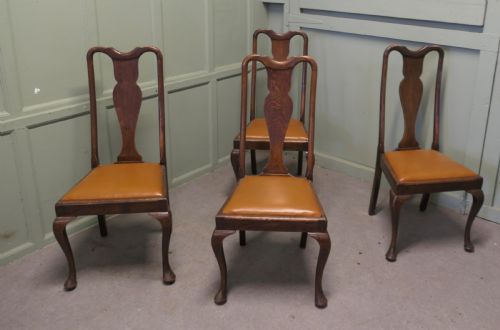
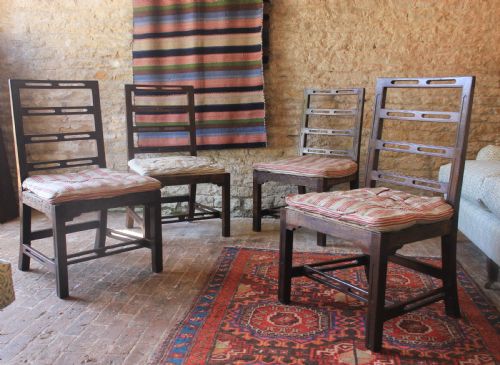
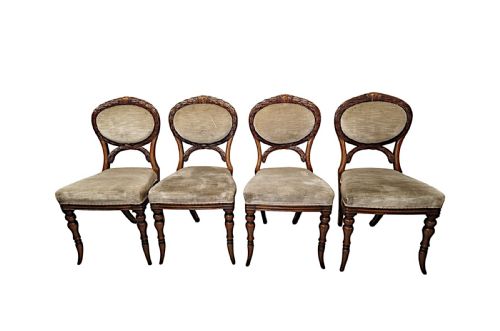
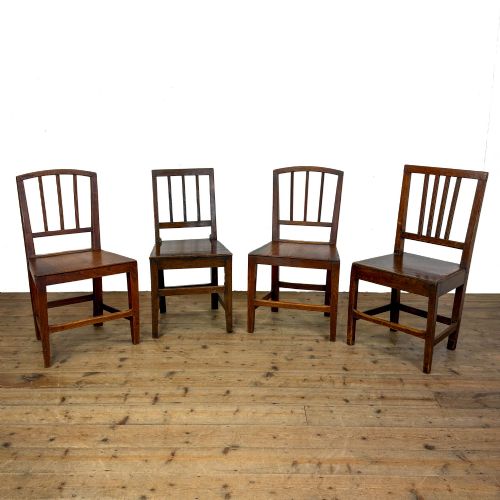
Period Oak Dining Chairs
These period oak dining chairs bring centuries of sturdy timber and regional craft directly to the modern table.
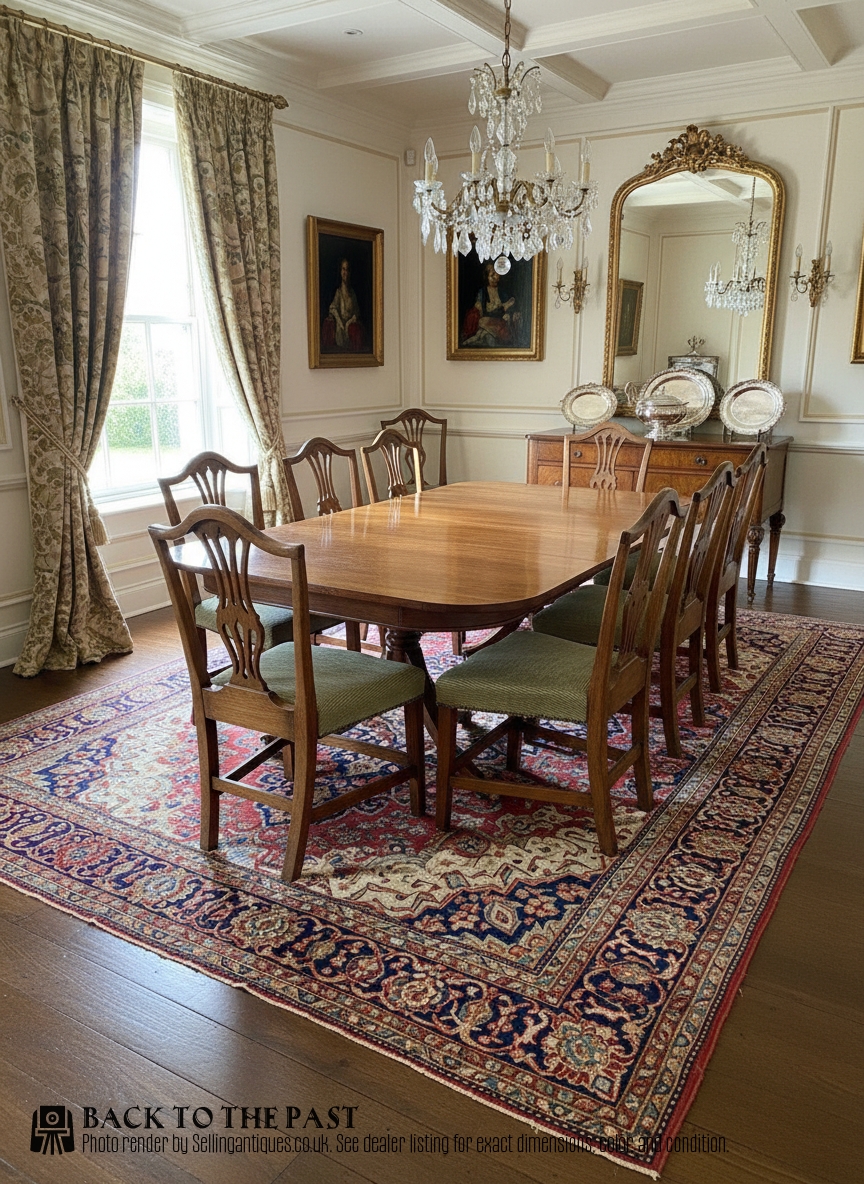
Period Oak Dining Chairs
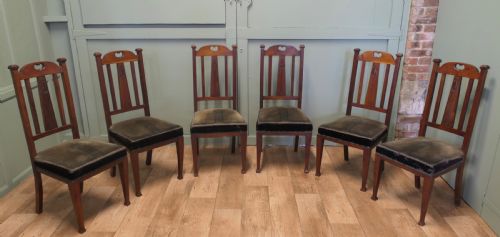
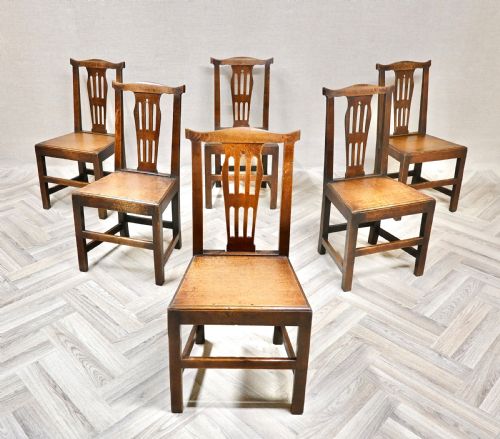
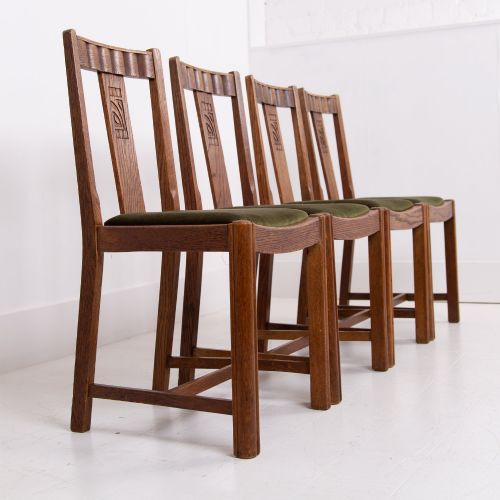
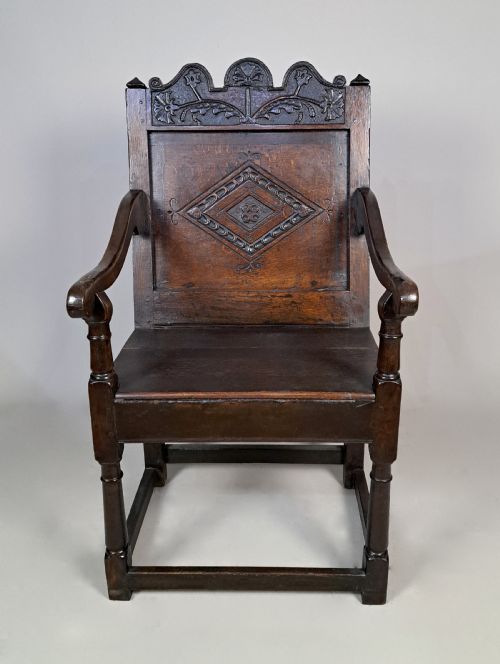
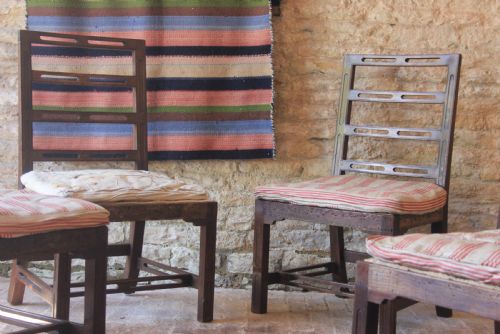
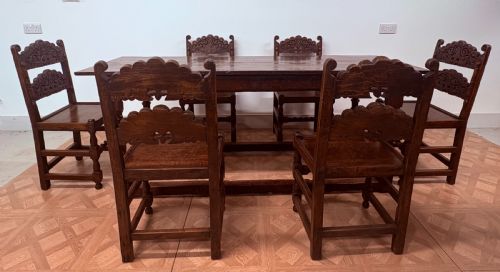
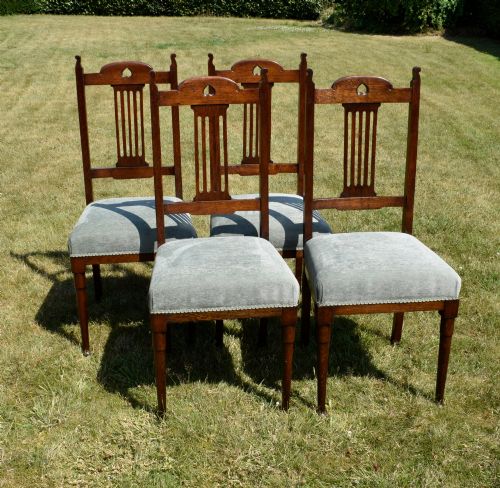
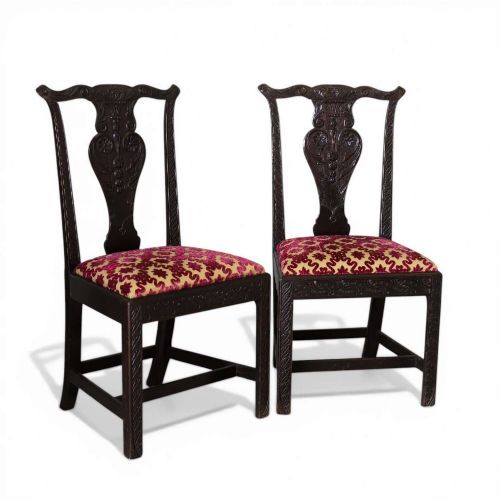
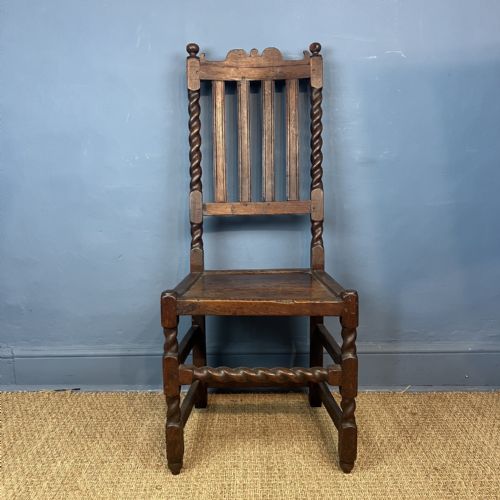
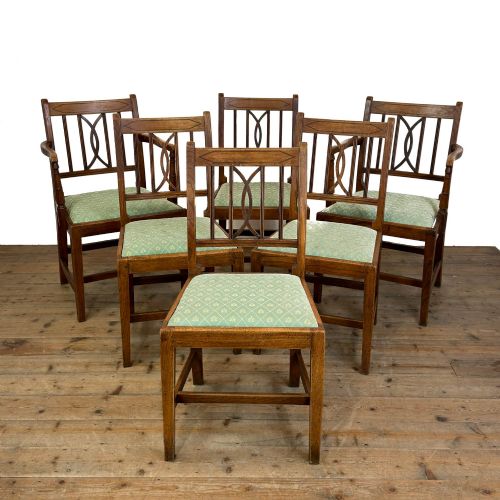
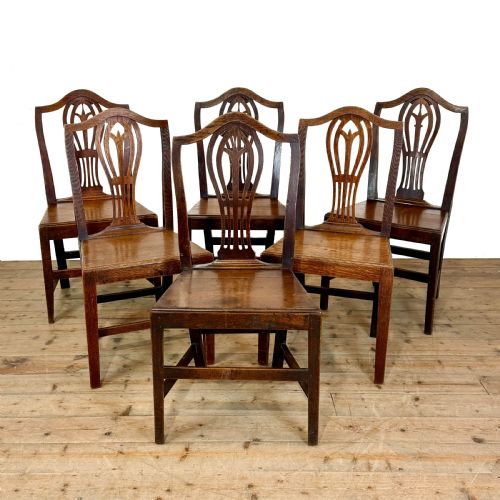
Period oak dining chairs span several centuries of domestic seating, running from early joined examples to later revival sets. A buyer searching this phrase encounters everything from robust seventeenth-century backstools to Georgian country kitchen models and Arts and Crafts sets.
The selections include side chairs, armchairs, and matching sets suited for daily use around a dining table. Regional variations appear frequently, including Yorkshire, Derbyshire, and Irish forms alongside standard English styles.
Materials and Construction
Makers built these pieces primarily from solid oak, sometimes combining elm or mahogany depending on the period and region. Construction relied on traditional joined timber frames, pegging, and turned components.
Period Oak Dining Chairs Retail Price Guide 2026
Typical asking prices for period oak dining chairs among the pieces listed under this phrase on Sellingantiques today, from the lower quarter to the upper quarter. They describe what is for sale here now, not the wider market.
Chairs designed without arms to accommodate wide historic skirts still make surprisingly practical desk companions.
Distinctions in Quality
Quality rests on the integrity of the original timber frame, the crispness of any carved detailing, and the consistency within a matched set. Harlequin sets show variation by design, whereas unified sets depend on matched turnings and uniform wear.
The degree of later alteration or replacement timber shifts a piece further from its original state. Stamped maker marks provide clear attribution that elevates certain nineteenth-century examples above unmarked equivalents.
Shapland and Petter Of Barnstaple·Strahan of Dublin
The Period Oak Dining Chairs Glossary
- Back stool
- An early form of chair without arms, essentially a joined stool with the addition of a back. These appear frequently in seventeenth-century English groupings.
- Wainscot armchair
- A heavy wooden armchair constructed with panelled wooden backs and solid seats. They represent substantial early joinery.
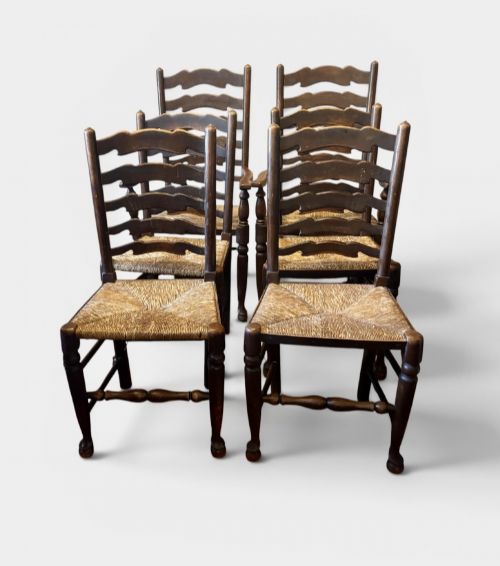
- Ladderback
- A chair back constructed with horizontal slats between upright posts. These are common in country kitchen and regional sets.
- Farthingale chair
- An upholstered chair made without arms to accommodate wide sixteenth and seventeenth-century dresses. They typically feature low rectangular seats and high backs.
- Harlequin set
- A collection of chairs that match in general style and period but vary slightly in detail. These sets were often assembled from individual pieces over time.
Period Oak Dining Chairs: Frequently Asked Questions
How do I care for antique oak chairs?
Keep wooden surfaces nourished with appropriate wax and avoid placing them near direct heat sources. Protect upholstered elements from excessive sunlight to preserve original or period textiles.
Regularly check the stability of joints and frames without applying harsh modern cleaning chemicals to the aged wood.
What is a harlequin set?
A harlequin set consists of chairs that share a common period and style but possess individual differences in carving or turning. These groupings were historically gathered together rather than manufactured as a single batch.
They offer a practical way to acquire larger seating groups for a dining table while retaining historical character.
How are seventeenth-century chairs dated?
Dating relies on construction methods such as joined framing, pegged joints, and the evolution of turned legs and crest rails. Regional traits also help assign pieces to specific decades.
Comparison with documented examples in archives provides further clarity on the timeline of manufacture.
Can I use these chairs daily?
Many solid oak chairs remain robust enough for regular seating around a dining table. Sound structural integrity and stable joints determine whether a piece handles daily use.
Lighter or more delicate regional forms require a greater degree of care than heavy joined refectory styles.