


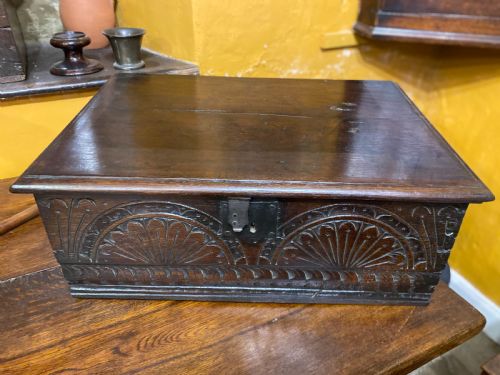


Period Oak Desk Chest
A period oak desk chest offers a solid workspace and storage, combining centuries of craft in sturdy timber.
Period Oak Desk Chest
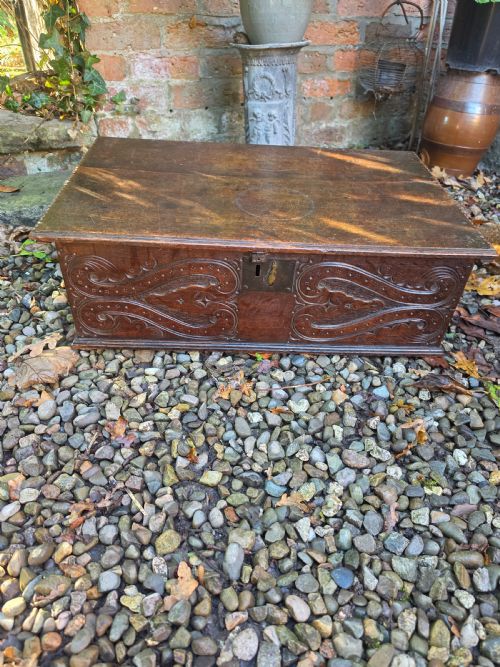
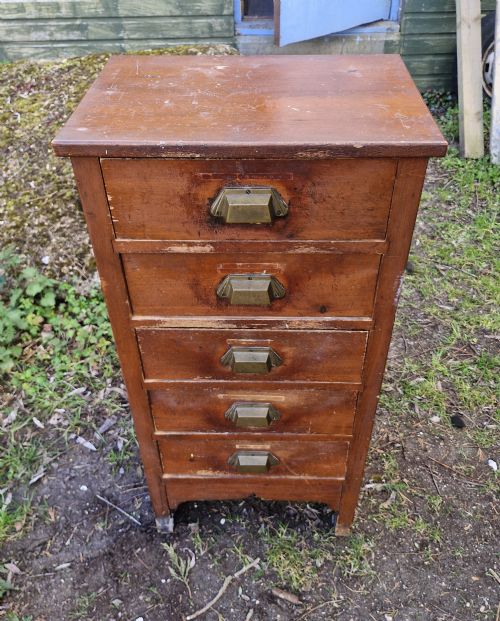
A period oak desk chest brings together utilitarian forms and traditional storage, often appearing as Bible boxes, document boxes, slant-front boxes, or bureau chests. When searching for a period oak desk chest, buyers encounter pieces spanning the seventeenth and eighteenth centuries, alongside occasional Georgian bureaux and later industrial utility office cabinets.
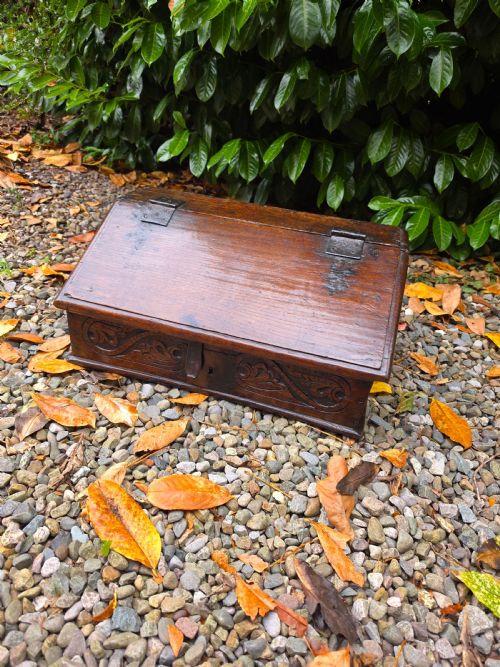
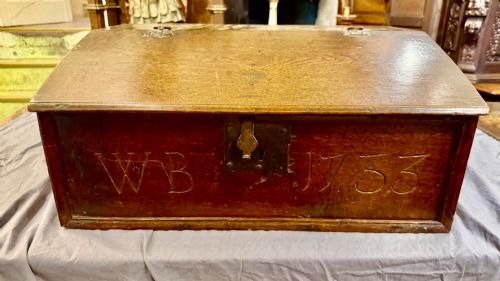
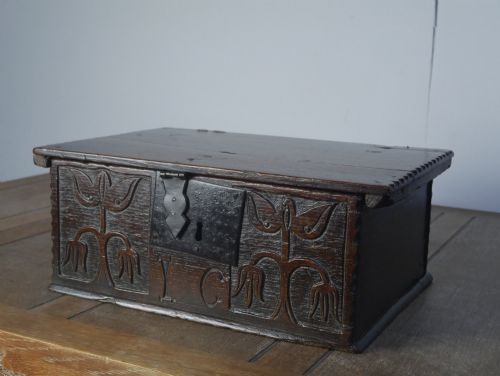
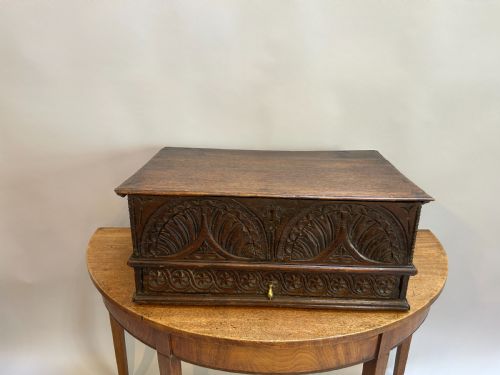
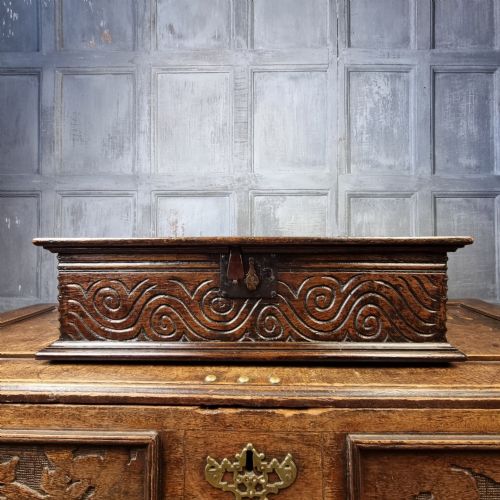
The most common examples on this page are seventeenth-century and eighteenth-century oak Bible boxes or document boxes, frequently featuring carved fronts and hinged lids. These compact forms served as portable writing desks and secure repositories for precious papers before larger stationery cabinets became standard.
Later iterations stretch into the Georgian period with full-scale bureaux and secretaire chests that integrate drawers with drop-down writing slopes. Materials expand subtly in these later pieces to include mahogany veneers, brass handles, and contrasting holly and bog oak inlay work.
Materials and construction methods
The primary material across these listings is solid oak, selected for its density, durability, and distinctive grain pattern. Joinery relies on traditional methods appropriate to the period, creating robust box and chest structures designed to withstand daily use.
Secondary materials appear selectively to enhance function and decoration, including iron for hinges and locks, brass for drawer pulls, and leather on writing surfaces. Decorative detailing utilises carving directly into the timber or incorporates subtle holly and bog oak inlay for geometric or floral motifs.
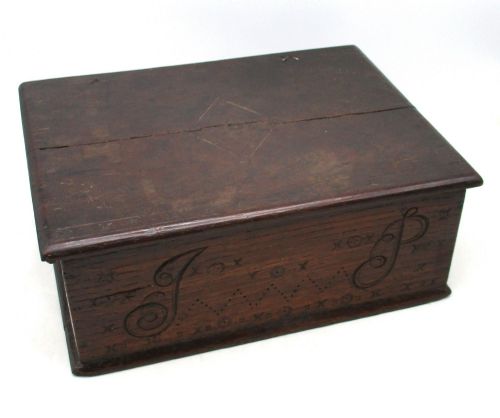
One seventeenth-century document box preserves the initials MB and the year 1695 carved directly into its sturdy oak wood.
Distinguishing quality in period forms
Quality in these pieces rests upon the crispness of the original carving, the integrity of the timber panels, and the preservation of surface patination built up over centuries. Superior examples maintain their original hinges, locks, and internal compartments without extensive timber replacement.
The refinement of the proportions and the complexity of decorative elements, such as demi-lune front panels or intricate inlay work, separate standard utilitarian containers from finer domestic furnishings of the period.
The Period Oak Desk Chest Glossary
- Bible box
- A small wooden chest originally constructed to store a family Bible and important documents, often featuring a sloping lid to serve as a makeshift reading or writing desk.
- Document box
- A compact lidded container designed for the safe storage of legal papers and correspondence, frequently produced in solid oak during the seventeenth century.
- Secretaire chest
- A chest of drawers incorporating a dedicated writing drawer with a drop-down front and internal pigeonholes, emerging more prominently in the eighteenth century and Regency periods.
- Slant front
- An angled writing surface fitted to the top of a box or bureau that opens to reveal compartments for ink and paper.
- Bog oak
- Subfossil oak that has been buried in peat bogs for centuries, turning a dark brown or black colour and utilised for contrasting inlay work.
Period Oak Desk Chest: Frequently Asked Questions
What is the difference between a Bible box and a desk box?
A Bible box was traditionally built to hold large family scriptures, whilst a desk box was tailored specifically for writing materials and letters.
In practice, both forms overlap significantly in construction and usage, often featuring the same hinged lids and compact proportions.
How were these wooden boxes used historically?
These boxes functioned as portable writing desks and secure storage for valuable papers in homes before dedicated writing furniture became common.
Owners placed them on tables or laps to write correspondence, utilising the locked interior to safeguard documents from loss or damage.
How do I care for an antique oak box?
Protect antique oak surfaces by keeping them away from direct heat sources and sudden humidity changes that can cause the timber to split.
Apply traditional wax polish sparingly to maintain the natural finish and nourish the aged grain without building up heavy residues.
How can I tell a seventeenth-century box from an eighteenth-century one?
Seventeenth-century pieces typically display heavier timber construction, hand-carved panels, and simpler internal arrangements suited to early domestic life.
Eighteenth-century examples often introduce refined proportions, different locking mechanisms, and decorative inlays like holly or bog oak.