




Period Oak Desk Chair
A period oak desk chair is a sturdy workspace seat built from solid timber across past centuries, prized for its honest construction and deep grain.
Period Oak Desk Chair
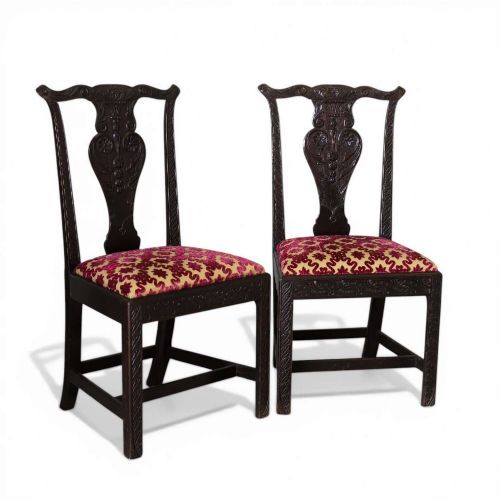
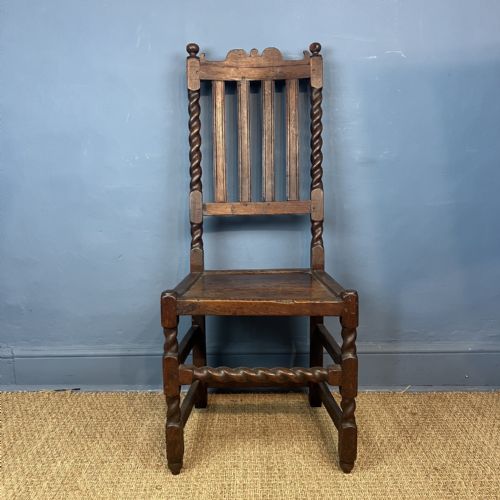
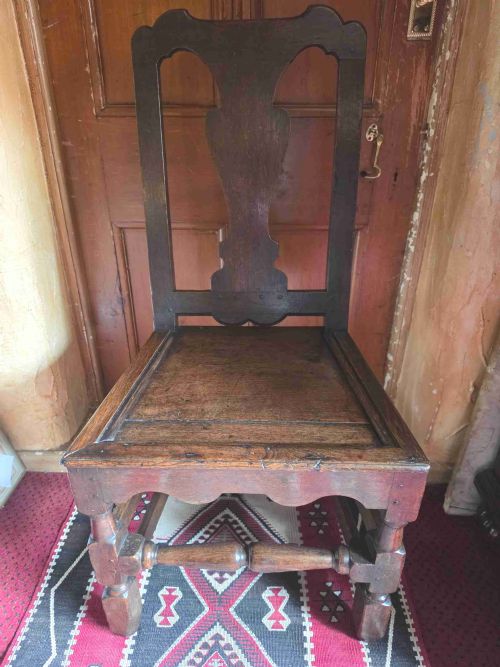
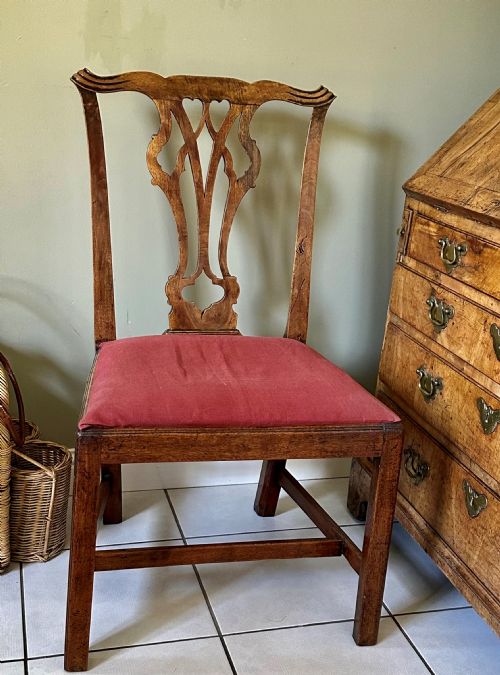
A period oak desk chair serves as a robust seat for study or administrative work, drawing from centuries of British and European cabinet making. When exploring a period oak desk chair, buyers encounter diverse forms ranging from high-backed seventeenth-century single seats to eighteenth-century country armchairs and nineteenth-century variants.
The selections span distinct historical eras including seventeenth-century joinery, Georgian proportions, and later Victorian revivals. Workshops utilised native timber to construct these working seats, pairing sturdy upright frames with functional armrests or low backs suited for writing tables.
Materials and Construction
Makers built these seats primarily using solid oak, frequently augmented with secondary native woods such as elm for seats and structural framing. Carpenters relied on traditional mortise and tenon joinery secured with wooden pegs to bind the heavy frame together without modern adhesives.
Upholstered variations incorporate traditional stuffing materials beneath outer layers of fabric, velvet, tapestry, or modern replacement textiles. Structural support often relies on intersecting stretcher rails positioned near the base to stabilise the legs against twisting under daily use.
Period Oak Desk Chair Retail Price Guide 2026
Typical asking prices for period oak desk chair among the pieces listed under this phrase on Sellingantiques today, from the lower quarter to the upper quarter. They describe what is for sale here now, not the wider market.
Several centuries of enthusiastic writers left behind countless ink spots embedded deep within the grain of these working seats.
Distinctions in Quality
Quality rests in the integrity of the timber framing and the depth of patination accumulated on exposed wooden surfaces over generations. Superior examples retain original joints and uncompromised timber thickness, whereas lesser pieces suffer from excessive thinning due to historic repairs or aggressive cleaning.
The sophistication of carved detailing on splats, crest rails, and back panels dictates the tier of craftsmanship within the category. Crisp, deeply hand-chiselled ornamentation separates bespoke workshop output from plain utilitarian seating produced for everyday domestic tasks.
The Period Oak Desk Chair Glossary
- Carver armchair
- A sturdy wooden chair with armrests, traditionally placed at the head of a table or used as a desk seat.
- Stretcher
- A horizontal wooden brace connecting the legs of a chair to provide structural rigidity and prevent wobbling.
- Splat
- The vertical wooden slat positioned in the centre of a chair back, often shaped, carved, or pierced for decoration.
- Drop-in seat
- A removable upholstered frame that fits down into a rebated wooden recess within the seat rail.
- Patina
- The deep surface sheen and mellow colour developed on aged timber through decades of handling, light, and wax polishing.
Period Oak Desk Chair: Frequently Asked Questions
How do I date an oak chair?
Dating relies on examining the tool marks left by early saws, the method of joint construction, and the overall style of the carved elements.
Changes in turning patterns and timber preparation techniques across the seventeenth, eighteenth, and nineteenth centuries offer reliable clues for chronological placement.
Are these chairs comfortable for daily use?
Most historic working seats feature upright wooden backs and firm proportions designed for posture during administrative tasks rather than lounging.
Adding a loose squab cushion can improve comfort while preserving the original upholstered or solid wooden base underneath.
Can I use an antique chair at a modern desk?
Many period examples fit comfortably beneath standard modern writing tables, provided the seat height matches the knee clearance.
Checking the specific dimensions of the armrests ensures the chair slides inward without striking the underside of the desk drawer.
How do I maintain the wood surface?
Maintaining the finish requires regular dusting with a dry cloth and occasional application of traditional beeswax to nourish the dry timber.
Avoiding direct sunlight and excessive heat prevents the old oak from splitting or shrinking over time.