





Period Oak Bedroom Furniture
Period oak bedroom furniture brings genuine seventeenth and eighteenth century craftsmanship into modern homes through sturdy timber chests and beds.
Period Oak Bedroom Furniture
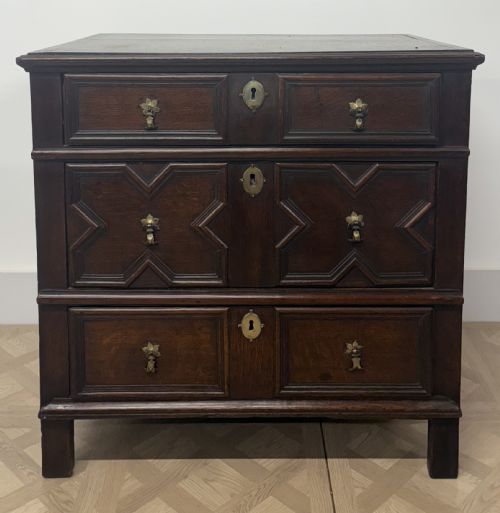
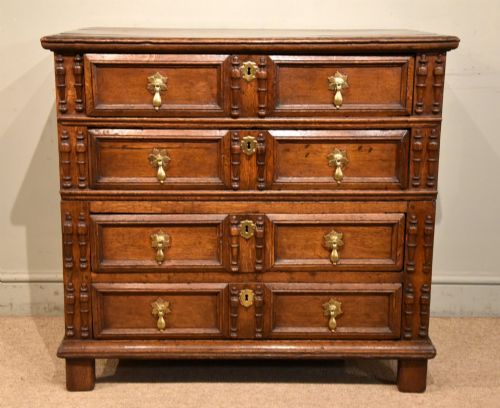
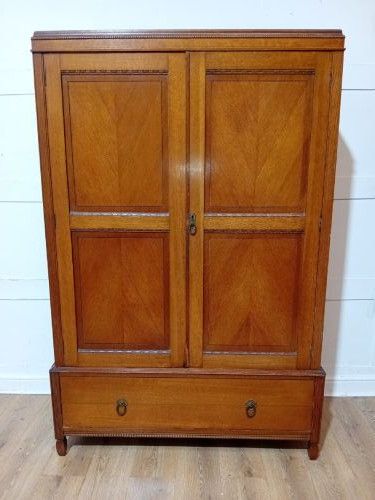
Buyers seeking period oak bedroom furniture encounter substantial chests of drawers, bachelor's chests, wardrobes, armoires, and tester beds dating from the seventeenth through the eighteenth centuries and into the Georgian period. The form most commonly met across these listings is the oak chest of drawers, spanning styles from Jacobean and Charles II to William and Mary and Georgian.
Assessing quality in early furniture
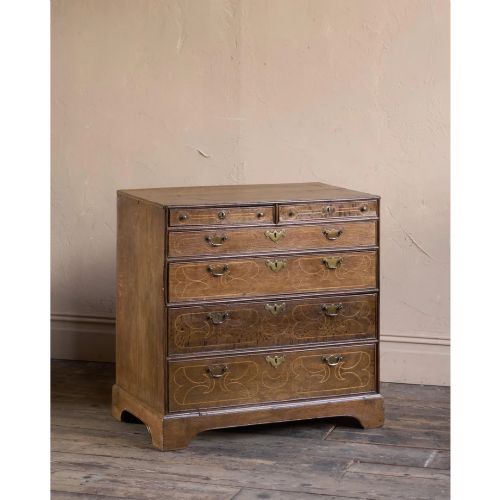
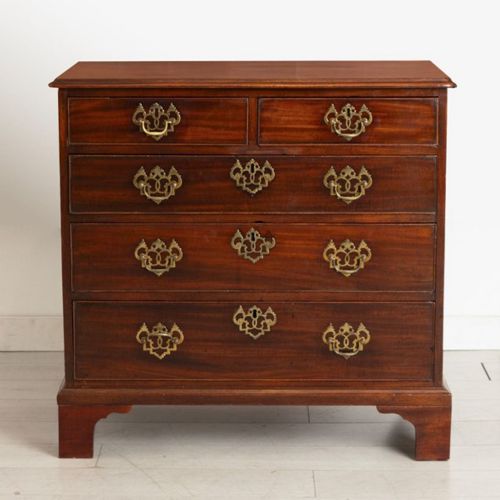
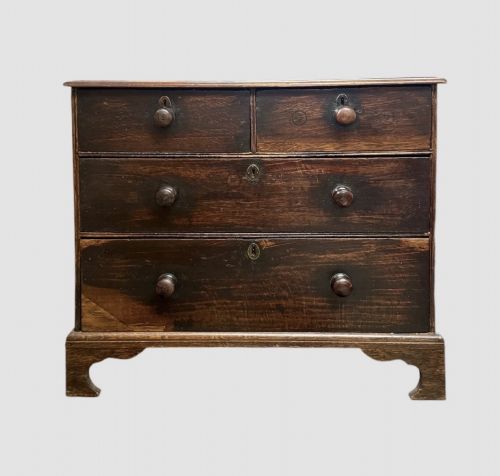
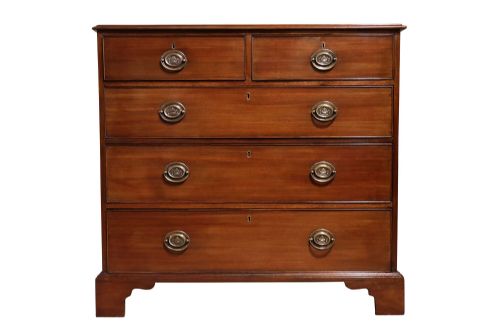
Quality rests in the survival of original elements, such as brass handles, bracket feet, and timber patination developed over centuries of domestic use. Pieces retaining their early construction integrity and untouched drawer linings stand apart from heavily restored examples.
The sophistication of surface decoration, including fruitwood inlay, cross-banding, and crisp geometric mouldings, distinguishes standard utility items from finer works of cabinet-making.
Early bed makers built massive wooden testers not just for grandeur, but to hang heavy fabric curtains that kept out cold winter drafts.
HARRIS LEBUS
The Period Oak Bedroom Furniture Glossary
- Bachelor's chest
- A small folding-top chest of drawers produced during the Georgian period for compact personal use.
- Tester bed
- A bed featuring a wooden canopy or tester supported by posts, frequently associated with seventeenth-century chamber furniture.
- Cross-banding
- A decorative border technique where thin strips of veneer are laid perpendicular to the grain of the primary timber.
- Bracket foot
- A foot shaped like a bracket supporting the corners of case furniture such as chests of drawers.
- Compactum
- A large fitted wardrobe or combination piece designed for comprehensive bedroom storage.
Period Oak Bedroom Furniture: Frequently Asked Questions
How do I date an oak chest of drawers?
Dating relies on examining construction techniques, timber choice, and hardware styles. Early seventeenth-century examples often feature hand-split oak boards and geometric panelling.
Later Georgian pieces introduce mahogany veneers, bracket feet, and standardised drawer linings that reflect changing cabinet-making standards.
Where were these pieces used originally?
These items furnished private sleeping quarters in country houses, farmhouses, and town dwellings. Chests held folded linens and garments, while tester beds provided warmth and privacy in draughty rooms.
Wardrobes and armoires offered hanging and shelved storage for valuable clothing before fitted closets existed.
How do I care for antique oak furniture?
Maintain stable indoor humidity and keep wooden furniture away from direct heat sources to prevent timber splitting. Dust regularly with a dry cloth and apply occasional natural wax to nourish the antique surface.
Avoid commercial liquid polishes containing silicones that can penetrate and damage historic finishes.
What is the difference between Jacobean and Georgian styles?
Jacobean furniture from the seventeenth century displays heavier proportions, bold geometric mouldings, and dark oak surfaces. It reflects seventeenth-century craftsmanship traditions.
Georgian design from the eighteenth century favours lighter proportions, mahogany accents, bracket feet, and refined brass hardware.