





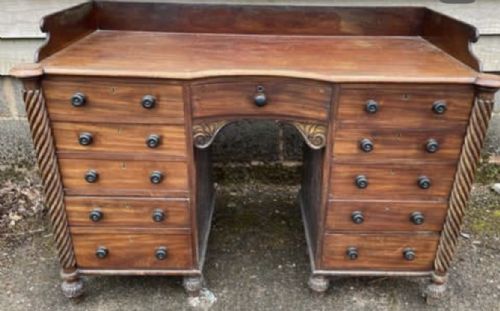


Period Mahogany Vanity
Period mahogany vanity pieces bring rich timber tones and practical design to your home, shaped by generations of fine cabinet-making.
Period Mahogany Vanity
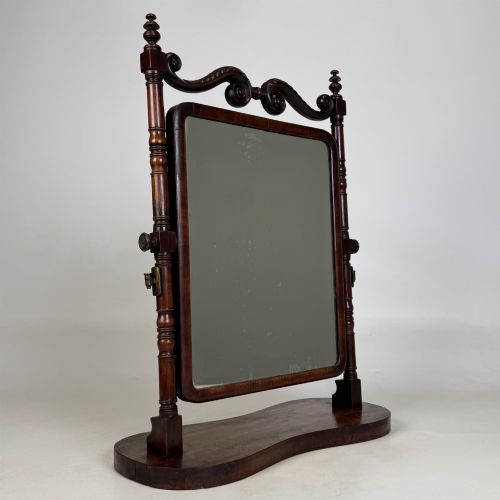
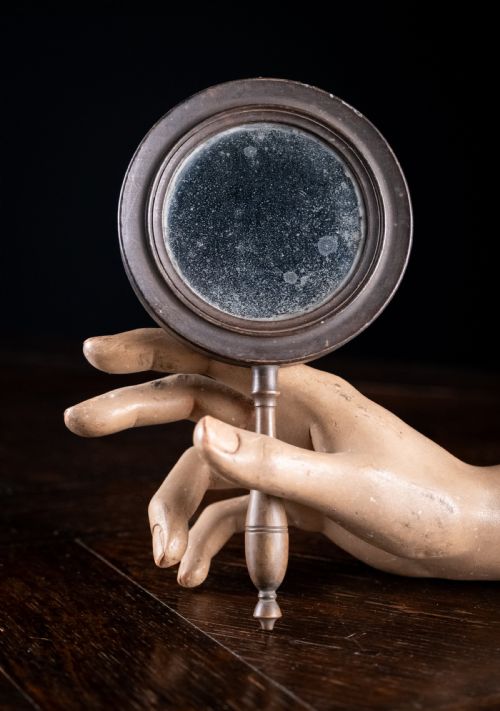
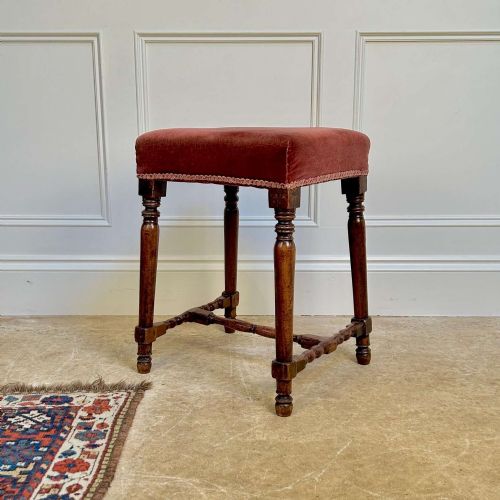
When you search for period mahogany vanity, you encounter an array of dressing tables, toilet mirrors, and lowboys spanning the eighteenth and nineteenth centuries. These items served daily grooming routines in grand bedchambers, taking forms that range from compact swing mirrors to kneehole dressing desks.
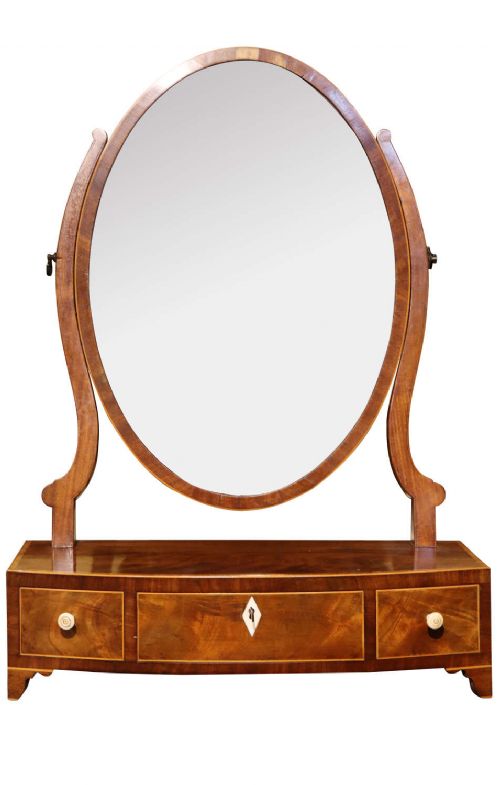
The pieces most frequently met on this page include Regency and Georgian dressing table mirrors alongside larger writing dressing tables. Surviving examples often incorporate small drawers for cosmetics and personal items, showing the careful thought given to domestic convenience in past eras.
Makers utilised rich timber grains and traditional joinery to build pieces that functioned as both furniture and ornament. Whether you select a freestanding cheval glass or a lowboy side table, each item carries the distinct proportions of its period.
Materials and Construction
Cabinet-makers relied heavily on mahogany as the primary timber, often selecting boards with deep natural figures and warm tones. They enhanced these surfaces using crossbanding, inlay, and marquetry to create subtle decorative borders.
Brass fittings such as handles, hinges, and candle sconces complemented the dark wood, while glass provided the reflective surfaces for mirrors. Secondary woods and traditional joinery secured the structural integrity of drawers and frames.
Several mirrors include tiny hidden compartments once used for secret love letters and small trinkets.
The Spectrum of Quality
The finest examples display meticulous attention to timber selection, matching grain patterns across drawer fronts and tabletops. Superior cabinet-making is evident in the crispness of inlay work and the harmonious proportions of the overall design.
Simpler pieces or those altered over time show less refined timber stock and simpler secondary woods in drawer linings. Assessing the balance of the proportions and the integration of original brass hardware reveals the standard of the original workshop.
The Period Mahogany Vanity Glossary
- Lowboy
- A small side table with drawers, often used as a dressing table in earlier periods. It typically stands on four slender legs.
- Toilet mirror
- A smaller mirror designed to sit atop a chest of drawers or a dressing table, frequently featuring small drawers in its base.
- Kneehole
- A desk or dressing table configuration featuring a recessed central space for the user's knees, flanked by pedestals of drawers.
- Crossbanding
- A decorative border technique where thin strips of veneer are laid with the grain running perpendicular to the surrounding surface.
- Marquetry
- The art of applying pieces of veneer to a structure to form decorative patterns and pictorial designs.
Period Mahogany Vanity: Frequently Asked Questions
What is a period mahogany vanity?
A period mahogany vanity encompasses dressing tables, washstands, and tabletop mirrors produced in centuries past. These items were designed to facilitate personal grooming and dressing in domestic bedchambers.
They combine practical storage compartments with polished timber surfaces, reflecting the prevailing styles of Georgian, Regency, and Victorian design.
How were dressing mirrors used?
Dressing mirrors were placed on top of chests of drawers, sideboards, or dedicated dressing tables to assist with hair styling and adjusting attire. Many featured pivoting frames so the glass angle could be adjusted.
Smaller drawer bases held cosmetics, pins, and trinkets, keeping daily essentials close at hand during morning routines.
How do I care for mahogany furniture?
Mahogany surfaces benefit from gentle dusting with a soft, dry cloth to remove grit without scratching the polish. Avoid placing these pieces in direct sunlight or near heat sources to prevent the wood from drying out.
Applying a traditional wax polish occasionally helps to nourish the timber and maintain its natural lustre over time.
How do I identify a Georgian mirror?
Georgian mirrors often display characteristic architectural proportions, hand-bevelled glass plates, and secondary woods typical of the eighteenth century. They frequently incorporate fine mahogany veneers and subtle decorative mouldings rather than heavy ornamentation.
Examining the backboards, fixings, and construction methods helps confirm the age and origin of the piece.