
Period Mahogany Dining
Period mahogany dining pieces bring warmth and formal structure to a room through dense timber and classic Georgian and Regency proportions.
Period Mahogany Dining
When searching for period mahogany dining, buyers encounter everything from large multi-pedestal tables to matched sets of chairs and serving pieces spanning the eighteenth to nineteenth centuries.
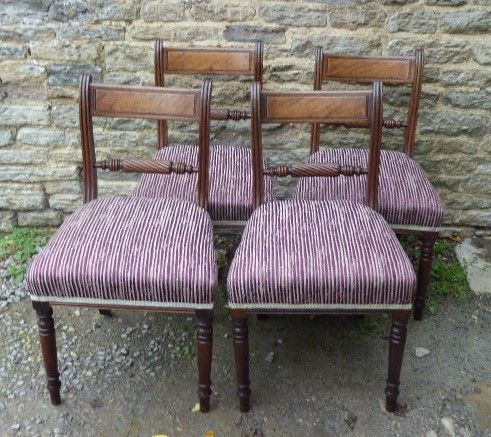
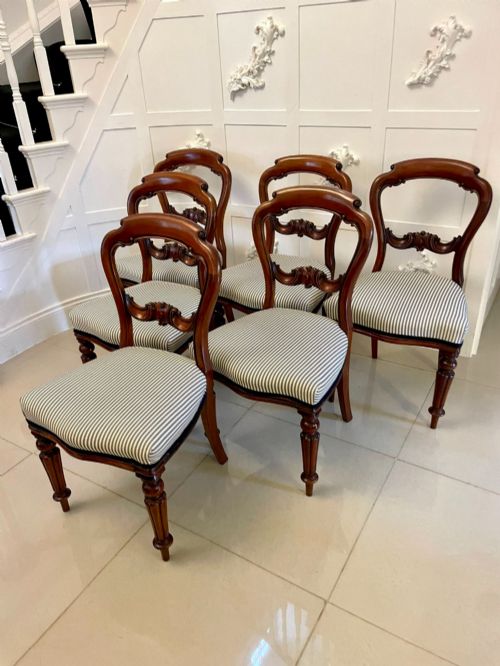
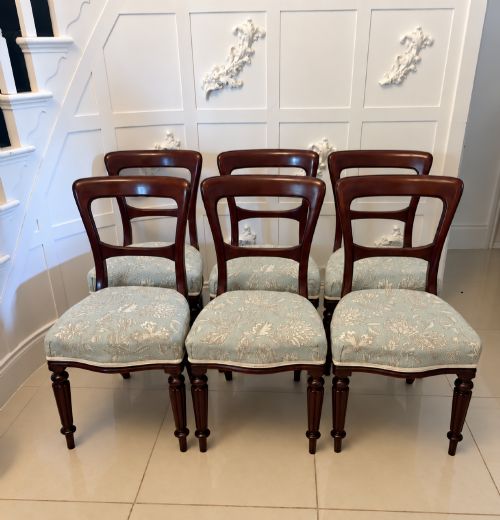
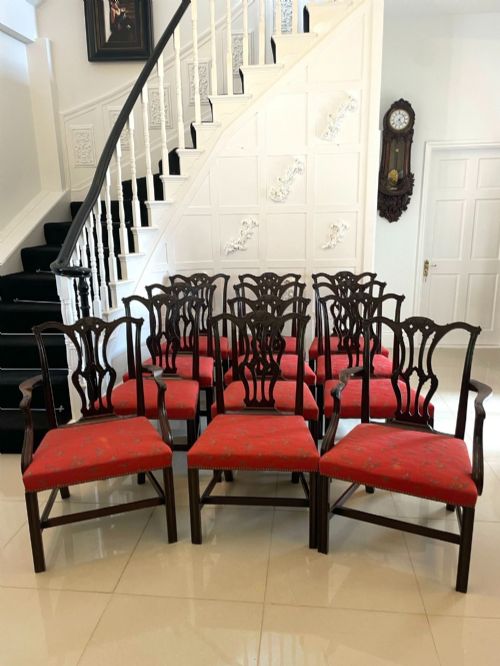
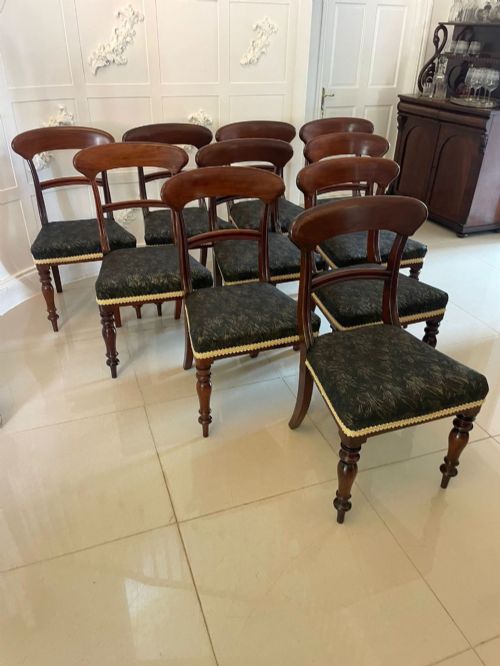
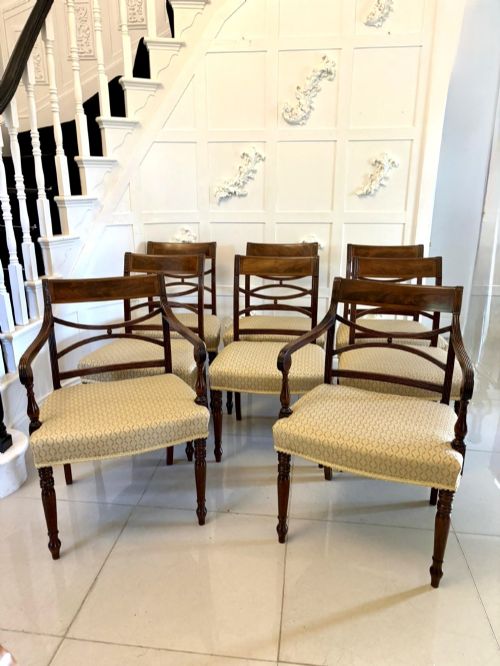
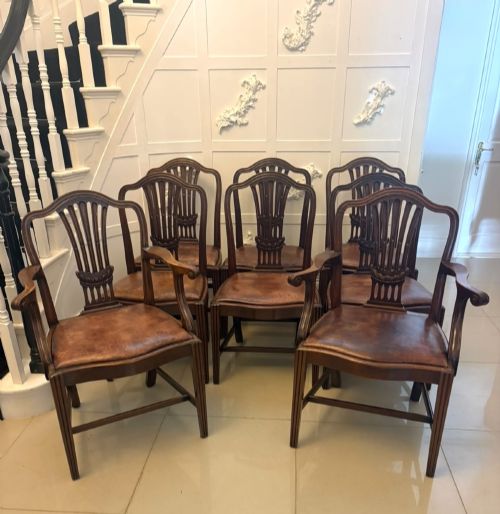
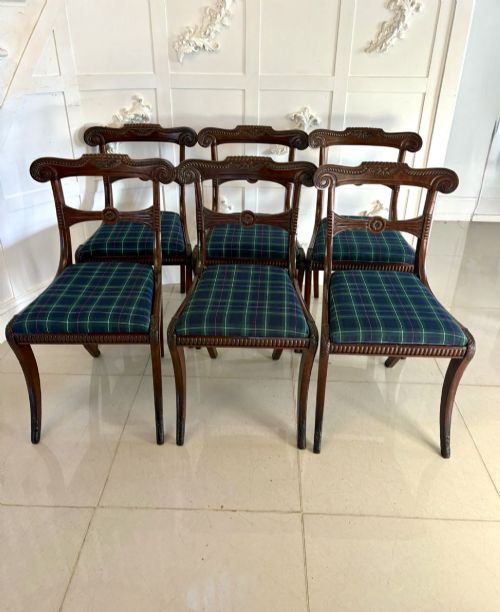
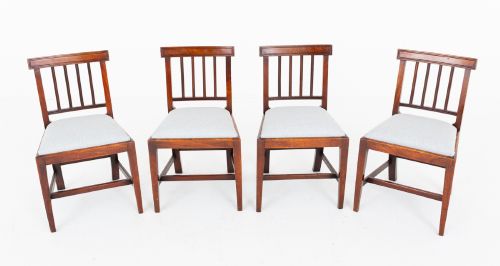
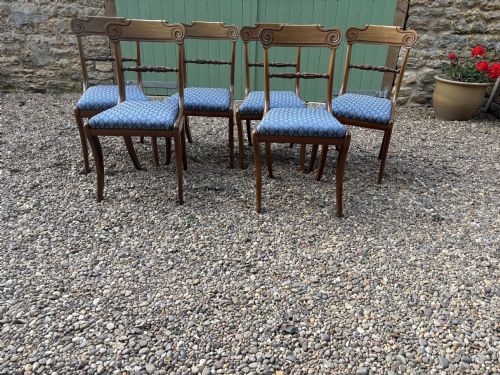
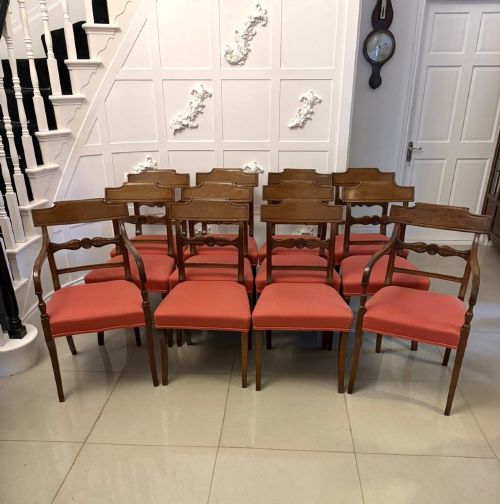
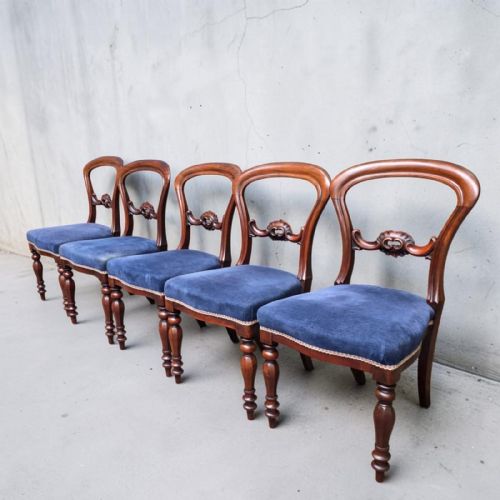
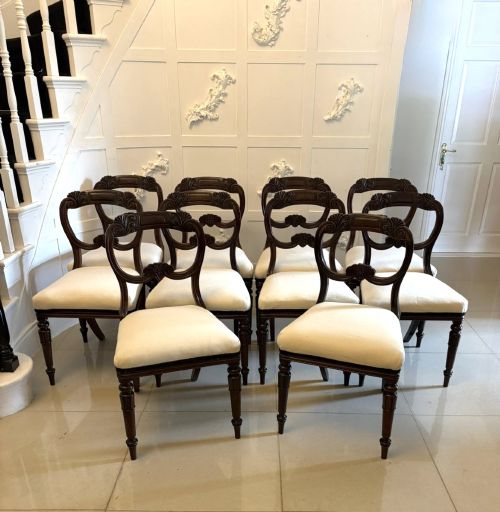
The most common items found in this category are dining chairs, often grouped in sets of six or eight, accompanied by twin-pillar or multi-pillar extension tables.
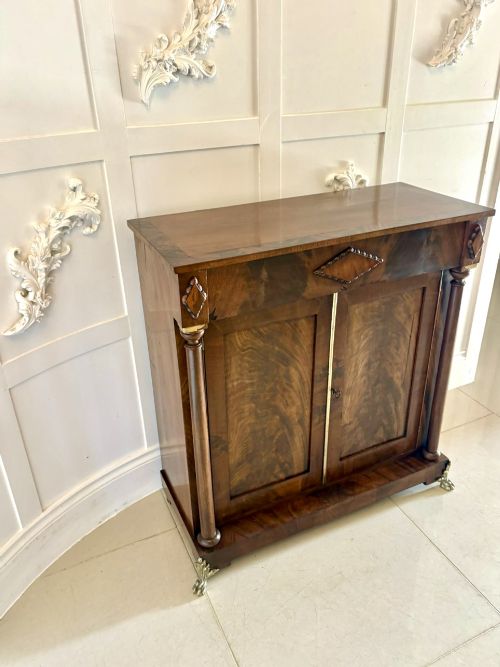
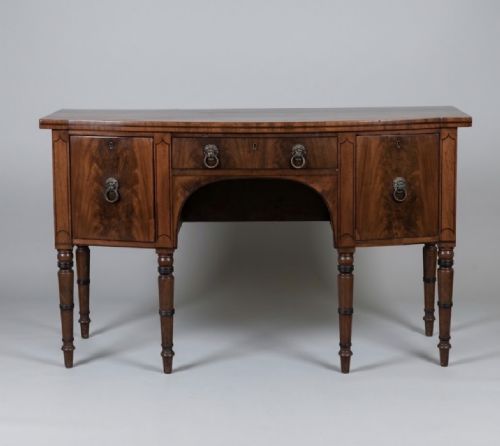
Sideboards, serving tables, and wine coolers also appear frequently, providing storage and surface space that matches the timber and design vocabulary of the tables and chairs.
Materials and construction methods
Joiners relied heavily on solid mahogany and flame mahogany veneers, selecting timber for deep grain patterns and rich natural colour.
Secondary elements incorporated brass fittings, leather seat pads, cane inserts, and various woven textiles or upholstery fabrics.
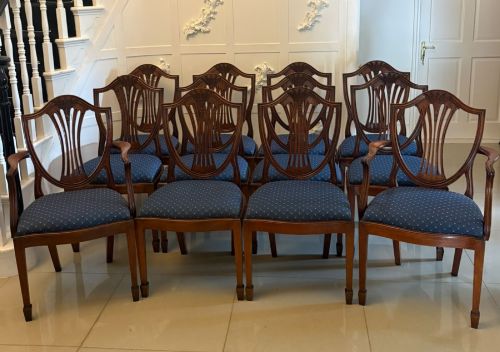
Tables utilised pillar and pedestal supports or concertina actions, while chairs employed carved details such as shield backs, bar backs, and rope twist rails.
Listings span the Georgian, Regency, Victorian, and Edwardian periods, utilising solid mahogany, flame mahogany, brass, leather, and woven fabrics.
Distinctions in quality and execution
Superior examples display crisp hand-carved details, balanced proportions, and well-matched timber grains across entire sets of chairs or multi-part tables.
Lower tiers of quality often reveal simpler turned members, plainer secondary timbers, and less cohesive matching within larger dining sets.
Alfred Allen of Birmingham·Maple and Co
The Period Mahogany Dining Glossary
- Carver
- An armchair designed for the head of a dining table, usually matching the smaller single chairs in a set.
- Flame mahogany
- A veneer cut from the fork of the mahogany tree, producing a distinctive flickering flame-like pattern.
- Concertina action
- An expandable table mechanism that opens like a bellows to support multiple insertion leaves.
- Shield back
- A chair back shaped in the outline of a heraldic shield, popular during the late eighteenth century.
- Twin-pillar
- A table construction supported by two central pedestals with branching legs, allowing stability and legroom.
Period Mahogany Dining: Frequently Asked Questions
How do I care for a mahogany dining table?
Keep mahogany furniture away from direct heat sources and strong sunlight to prevent the timber and French polish from drying out.
Use coasters and placemats to protect the surface from moisture and heat marks, dusting regularly with a soft dry cloth.
How do I identify a Regency dining table?
Regency tables often feature pillar and pedestal bases with brass castors, heavy turned columns, and substantial mahogany planks.
They frequently include drop leaves or concertina extension mechanisms designed for flexible use in formal dining rooms.
Are mahogany chairs sold in large sets?
Many dining chairs appear in matched sets ranging from four up to twelve pieces, frequently combining single chairs with matching carver armchairs.
Finding larger original sets requires looking for consistent timber grain and matching carved details across all seats.
What is the difference between a sideboard and a serving table?
Sideboards typically incorporate enclosed cupboards, drawers, and bow-fronted structures to provide substantial dining room storage.
Serving tables offer a more open console format designed primarily for presenting dishes during formal meals.