

Period Library Chair
A period library chair brings substance and historical character to a room, offering robust seating designed for study and reading.
Period Library Chair
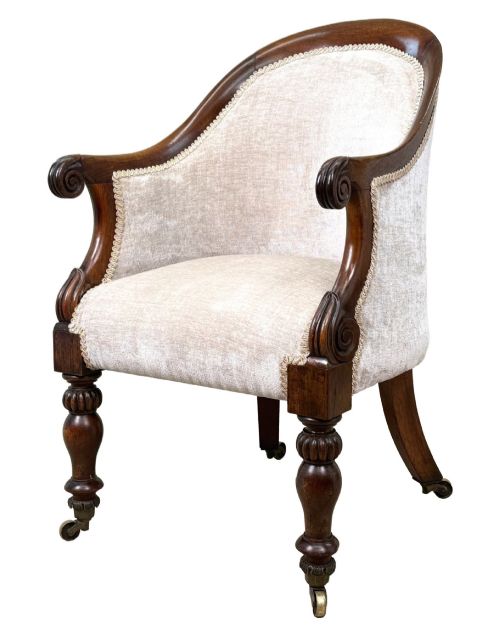
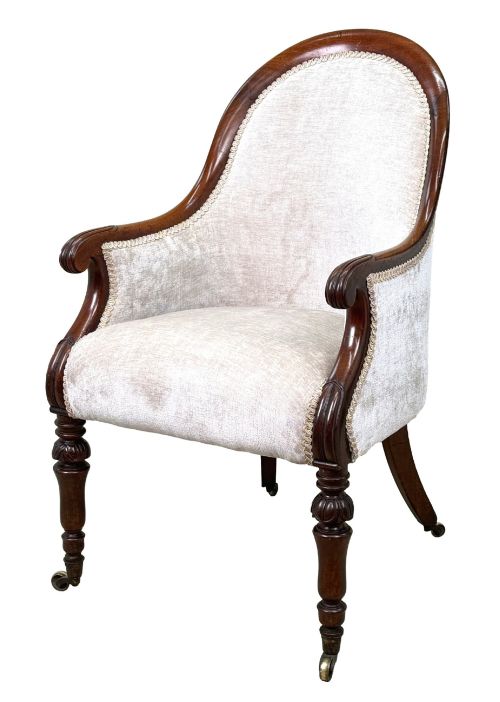
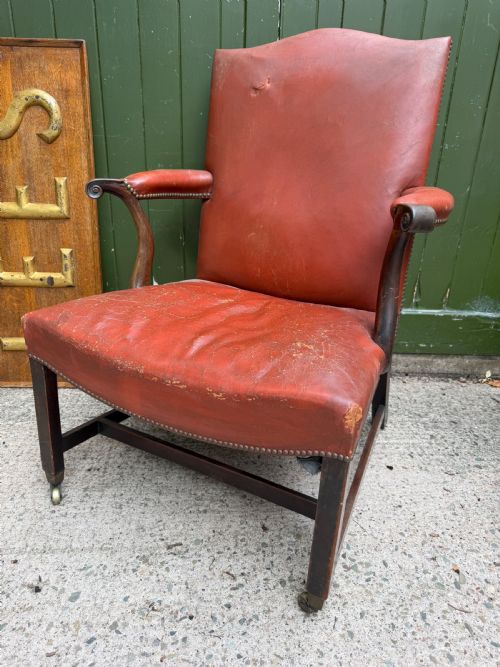
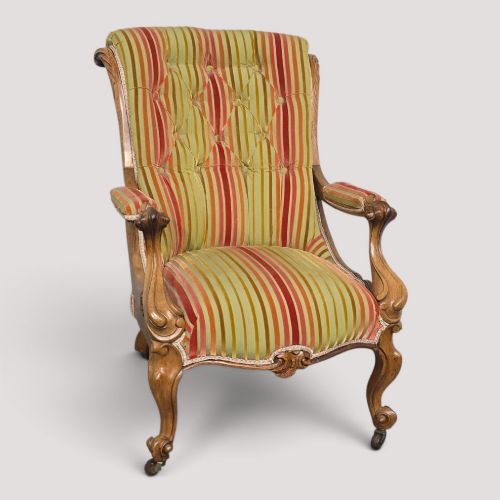
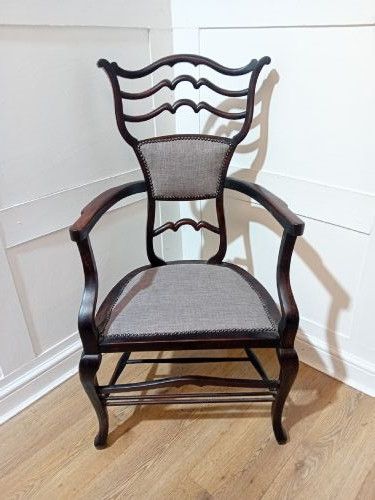
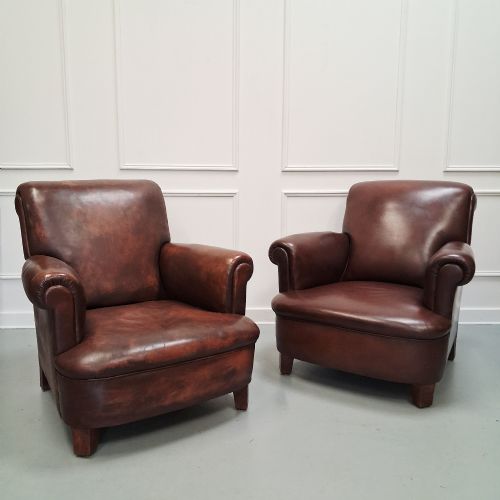
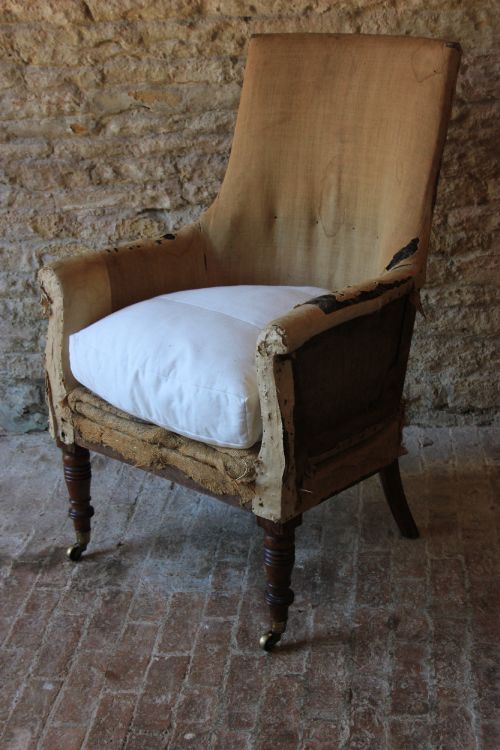
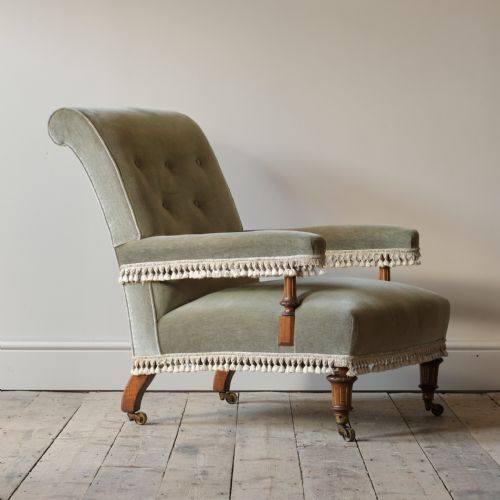
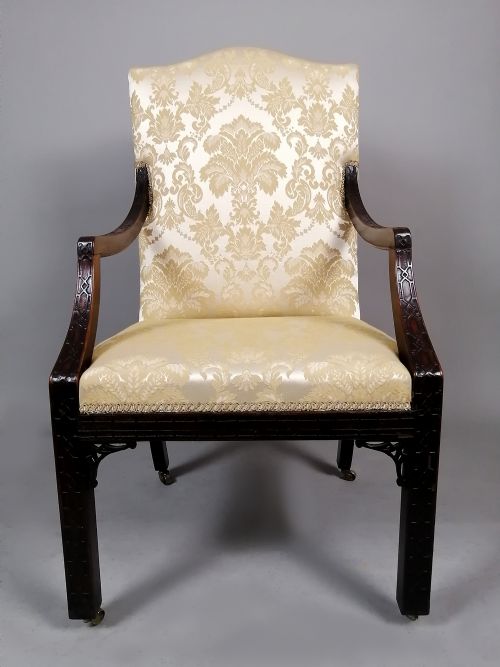
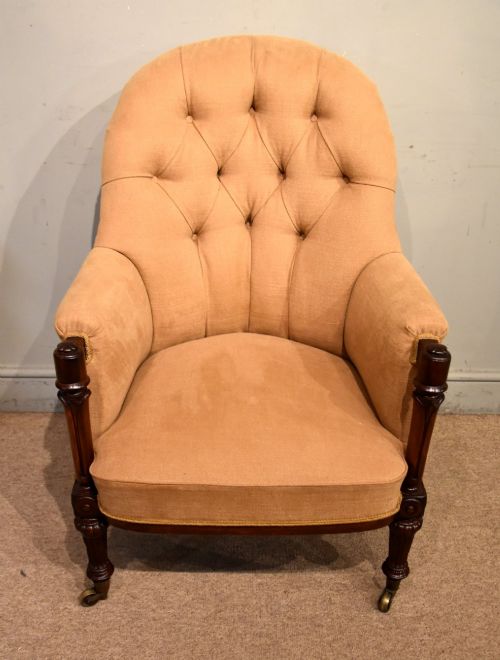
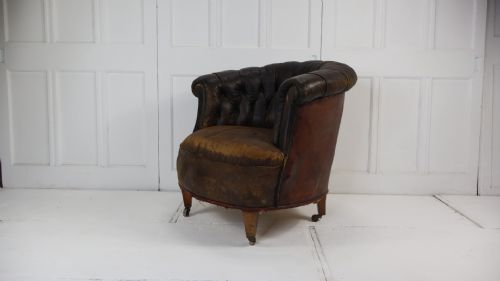
A period library chair is a sturdy, comfortable armchair traditionally utilised for reading, writing, and study in domestic libraries or offices. These pieces span from the 18th century through the Victorian era, encompassing forms such as Gainsborough chairs, tub chairs, and spacious bergères.
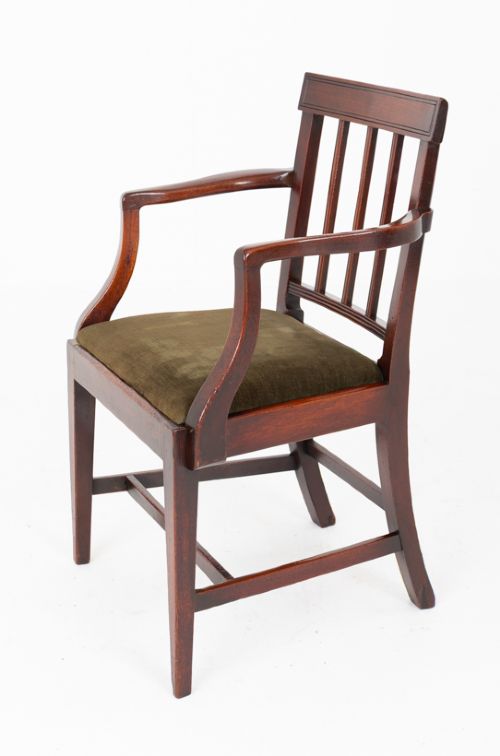
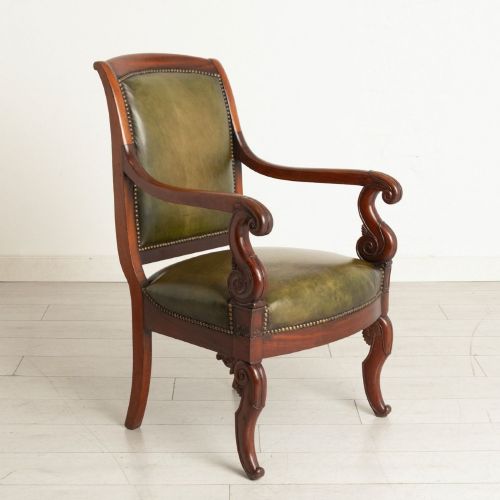
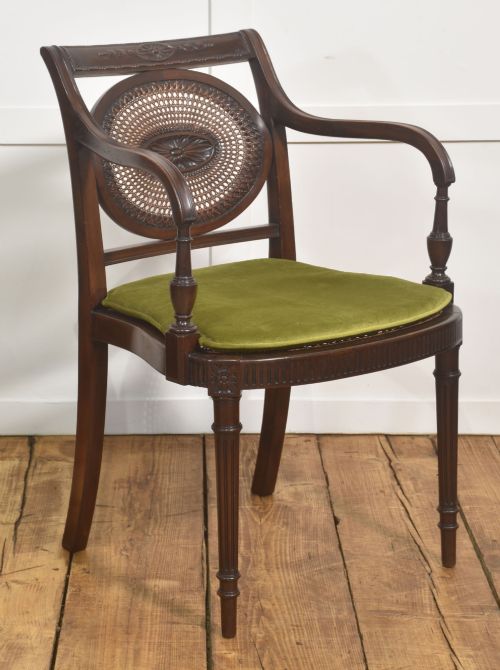
The versions most commonly met on this page date from the Regency and Georgian periods, constructed in rich timbers with thoughtful proportions. They frequently appear as armchairs or desk chairs, designed to support long hours of sitting with upholstered seats and supportive backs.
Materials and construction methods
Makers predominantly relied on dense hardwoods such as mahogany, walnut, and rosewood, often carving frames with decorative scroll arms, brass inlay, or ebonised finishes. These solid woods provided the necessary structural integrity for heavy daily use.
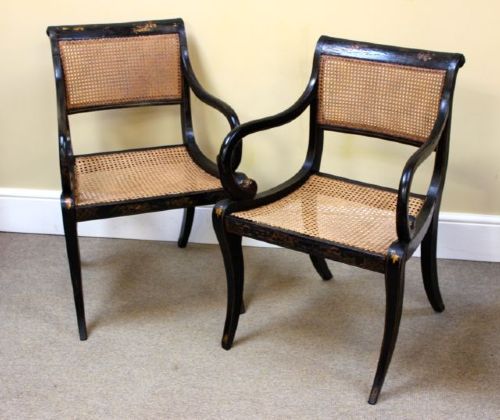
Upholstery techniques involved traditional stuffing finished with durable coverings in leather, fabric, velvet, or cane. Metal elements like brass castors and inlay work added functional mobility and refined detail to the wooden frames.
The listings here span eight distinct periods, led by Regency and 19th Century examples.
Distinctions in craftsmanship
Quality rests in the precision of the timber frame joinery, the depth and crispness of the carved details, and the integrity of the secondary woods. Finer examples display superior proportions and thoughtful integration of brass or cane work.
The choice of primary material and the preservation of original surfaces also separate standard seating from exceptional works. Pieces attributed to distinguished makers often exhibit a higher degree of sculptural refinement in the arms and legs.
Gillows·Johnstone and Jeanes·Hepplewhite·Chippendale
The Period Library Chair Glossary
- Bergère
- An enclosed upholstered armchair where the space between the arm and seat is filled in, often with cane work.
- Gainsborough
- A roomy upholstered armchair with open padded arms, wide seat, and straight wooden legs, originating in the mid-18th century.
- Tub chair
- An armchair featuring a continuous curved back and arms forming a rounded enclosure, frequently low-slung for comfort.
- Sabre leg
- A concave, outwardly curving leg tapering towards the foot, commonly seen on Regency seating.
- Simulated rosewood
- Painted or stained wood treated to imitate the distinct grain and rich tone of genuine rosewood.
Period Library Chair: Frequently Asked Questions
What is a library chair?
A library chair is a sturdy seating option traditionally built for domestic studies, offering supportive arms and comfortable upholstered or caned seats.
These pieces were designed to accommodate long periods of reading or writing, often taking the form of spacious armchairs or functional desk chairs.
Were these chairs used at desks?
Many library chairs doubled as desk or office chairs, particularly versions with lower backs, swivel mechanisms, or robust wooden frames.
Their sturdy construction made them practical for writing tables and partner desks in period homes.
How do I care for leather upholstery?
Leather upholstery benefits from gentle cleaning and occasional conditioning to maintain its suppleness and prevent the natural material from drying out.
Keeping the leather away from direct heat sources helps preserve the antique finish over decades of use.