



Period Glass Pendant Light
These period glass pendant light fixtures bring authentic historical illumination to your spaces, offering genuine period character and warm atmosphere.
Period Glass Pendant Light
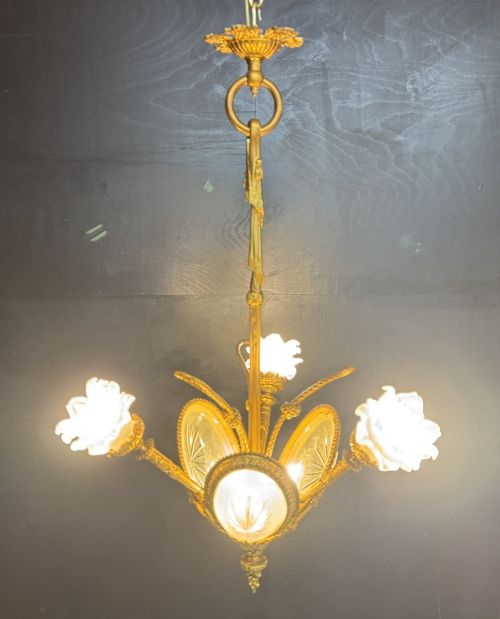
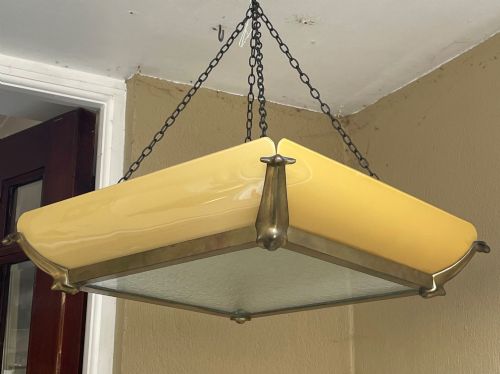
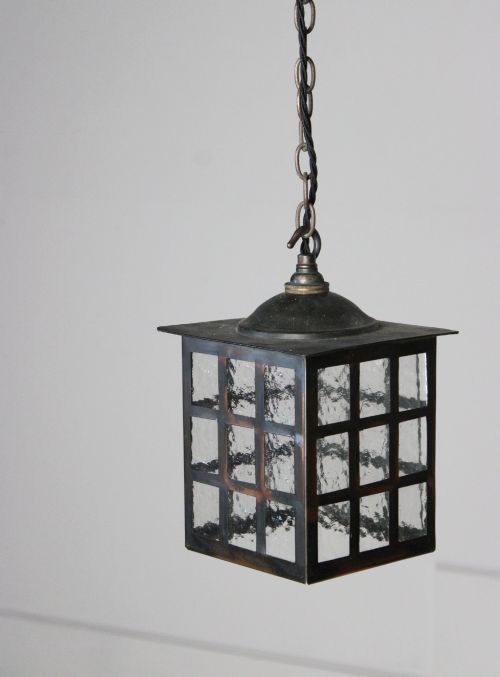
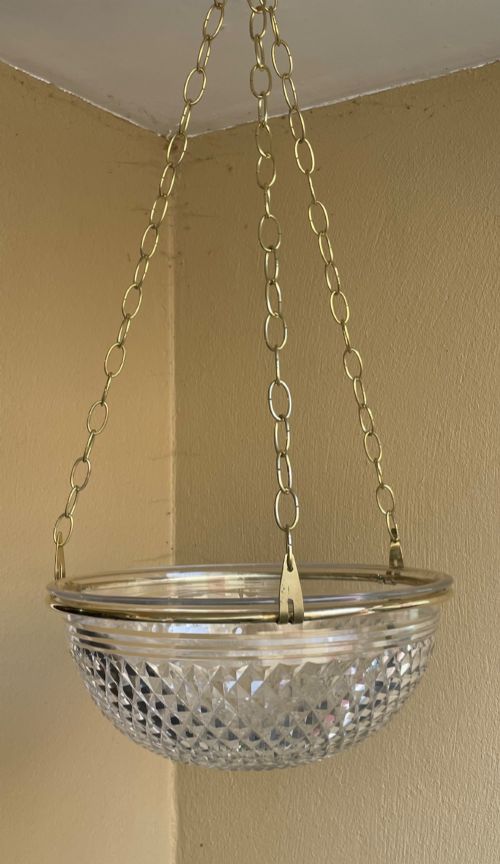
When you search for a period glass pendant light, you encounter suspended ceiling fixtures designed to illuminate rooms using glass shades paired with metal frames. These pieces span Victorian, Edwardian, and Art Deco eras, presenting forms that range from simple globes to elaborate multi-arm chandeliers and hall lanterns.
The versions you meet most frequently on this page include Edwardian cut glass pendants and brass-framed lanterns. These items reflect the domestic lighting needs of their respective decades, utilising clear, frosted, or opaline glass within structured metal work.
Examples also draw upon French Rococo, Arts and Crafts, and Gothic Revival styles, demonstrating how makers adapted historical motifs for domestic interiors. Each object carries the specific material choices and manufacturing techniques of its decade of origin.
How they were made
Makers formed these fixtures by combining glass-working methods with metal casting and assembly. Glass was blown, moulded, or cut to create shades, globes, and tear drop components, while brass, copper, bronze, and silver plate provided the structural frames and suspension hardware.
Metal components were cast, hammered, or gilded, securing the glass elements through collars, frames, and chains. The integration of these materials required precise fitting to support the weight of the glass safely while maintaining decorative proportions.
Period Glass Pendant Light Retail Price Guide 2026
Typical asking prices for period glass pendant light among the pieces listed under this phrase on Sellingantiques today, from the lower quarter to the upper quarter. They describe what is for sale here now, not the wider market.
Green Man motifs occasionally peer out from nineteenth-century copper lanterns, watching over the hallway beneath them.
What varies in quality
The standard of a period glass pendant light depends on the depth and precision of the glass cutting, the weight of the metal frame, and the integrity of the construction. Heavier bronze, brass, or gilded metalwork paired with deeply refractive cut glass or clear crystal indicates higher execution.
Detailing in the metal mounts, such as cast ornamentation or hand-finished surfaces, separates standard utility lighting from finer decorative pieces. The harmony between the original glass shade and its supporting frame further defines the overall standard of the fixture.
F and C Osler
The Period Glass Pendant Light Glossary
- Pendant light
- A hanging light fixture suspended from the ceiling by a chain, cord, or metal rod. This form directs illumination downward into interior spaces.
- Cut glass
- Glass decorated by grinding facets or patterns into the surface using a rotating wheel. This technique enhances the refractive quality of the material.
- Plafonnier
- A ceiling-mounted light fixture with a shallow bowl or shade positioned close to the ceiling surface. It provides direct ambient illumination.
- Opaline glass
- A milky, translucent glass developed to diffuse light softly without glare. It appears frequently in early twentieth-century lighting.
- Hall lantern
- An enclosed hanging light designed specifically for entryways and corridors. These pieces protect the light source within glass panels and a metal frame.
Period Glass Pendant Light: Frequently Asked Questions
How do I hang a heavy pendant light safely?
Suspension requires secure attachment to ceiling joists using appropriate fixings that can bear the combined weight of the metal frame and glass elements. Professional installation ensures the electrical components and hanging hardware meet safety standards.
Weight distribution matters particularly with multi-arm chandeliers and large lanterns, where chains and ceiling roses must share the load evenly without straining the historical materials.
What rooms suit an Edwardian glass pendant?
Edwardian glass pendants suit hallways, dining rooms, and high-ceilinged living spaces where their proportion and light diffusion can work effectively. Smaller globe or acorn pendants fit well in compact corridors.
Larger multi-arm fixtures or framed lanterns anchor grander interior spaces, echoing the domestic architecture of the early twentieth century.
How do I clean antique cut glass shades?
Cleaning requires removing the glass components from the metal frame where possible and washing them in lukewarm water with mild soap. Avoid harsh chemicals that might damage aged metal surfaces or silver plating.
Dry the glass thoroughly with a lint-free cloth to restore its clarity and allow the cut facets to reflect light properly.
How do I date a brass and glass lantern?
Dating relies on examining the construction methods of the metal frame, the fixings used to secure the glass panels, and the style of the decorative motifs. Edwardian and Victorian pieces often show specific hand-finished details and heavier gauge brass.
Art Deco examples introduce geometric lines and frosted glass treatments, distinguishing them from earlier ornate or revivalist designs.