


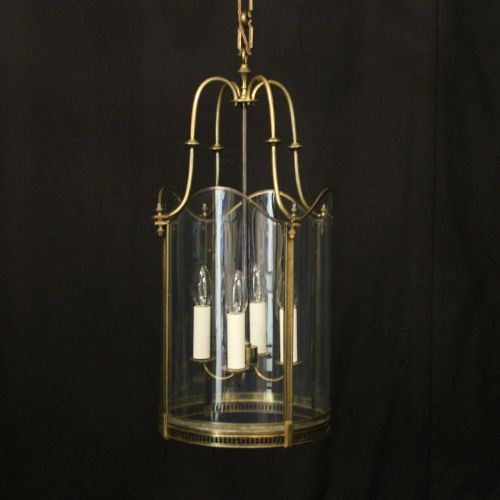
French Gilt Brass Light
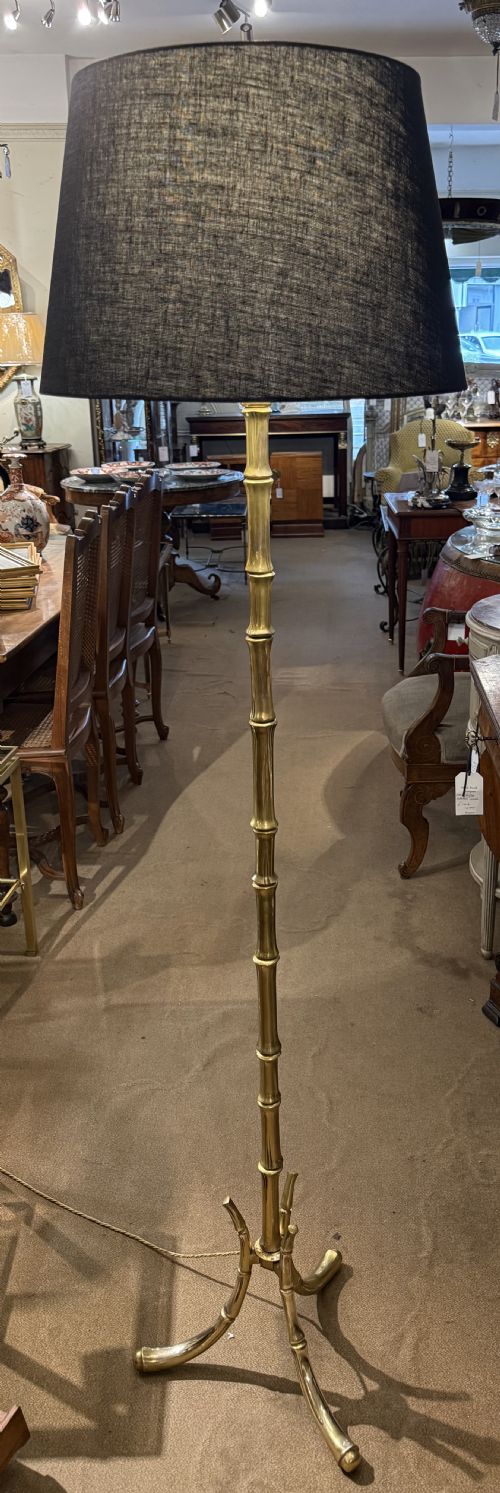
A french gilt brass light brings warmth and metallic sheen to a room through wall fixtures and chandeliers shaped by historic design.

French Gilt Brass Light
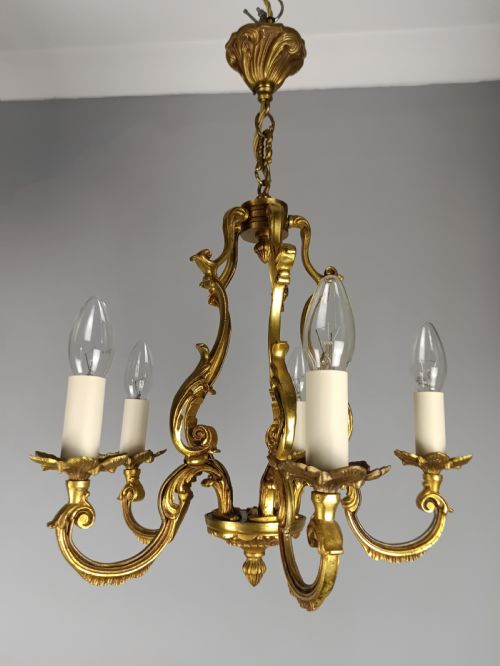
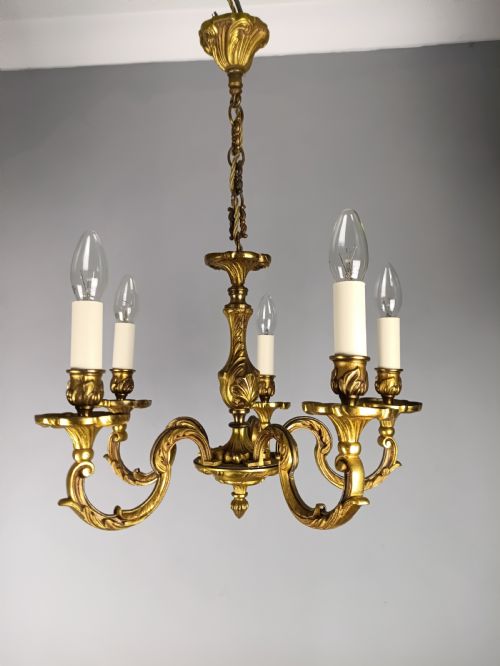
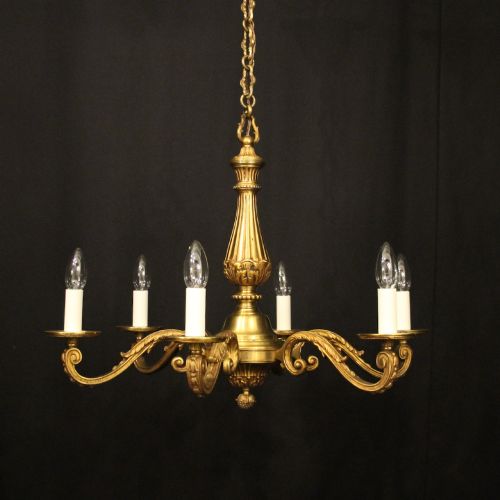
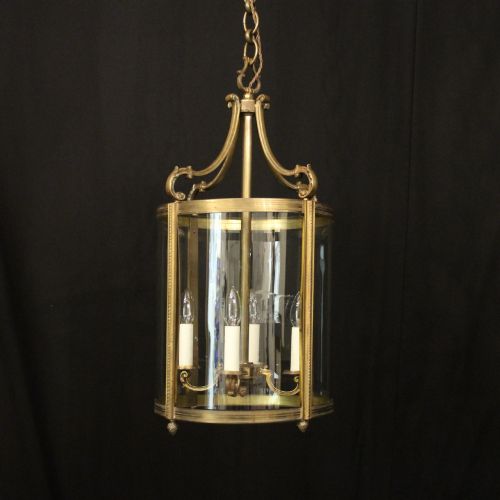
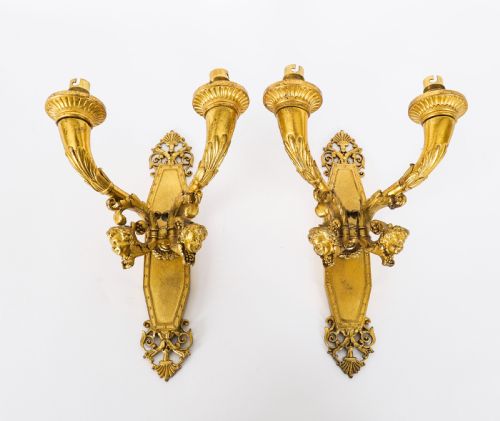
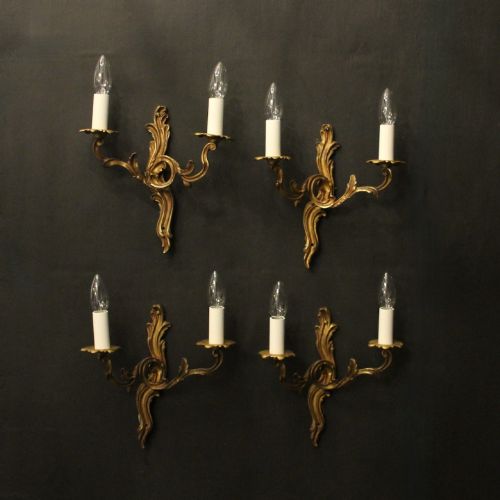
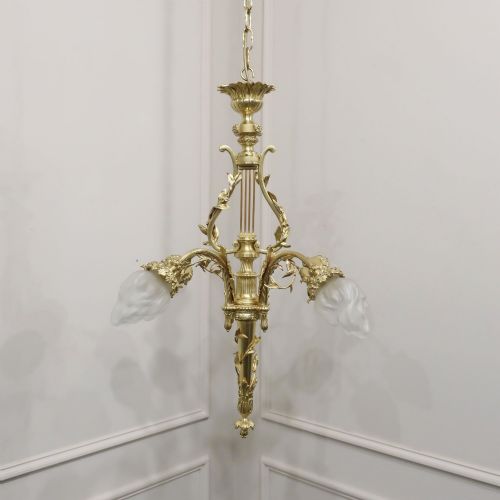
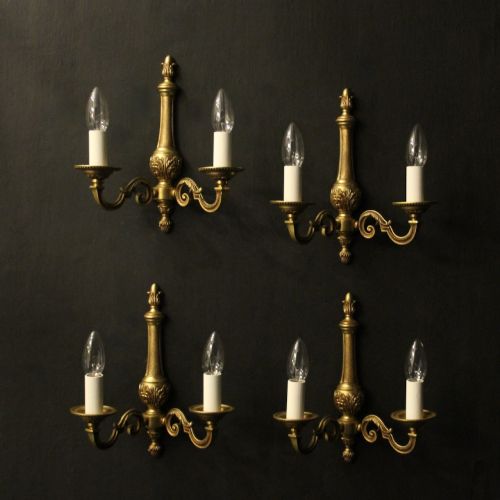
Chandeliers and wall sconces form the core of the selection, often arranged with multiple light branches. Buyers frequently encounter matched sets of twin-arm wall lights alongside larger hanging lanterns suited to entrance halls.
The aesthetic draws heavily on historical motifs, including Rococo curves and Neoclassical symmetry. These objects reflect decorative vocabularies developed across French chateaux and urban salons over several centuries.
Materials and Construction
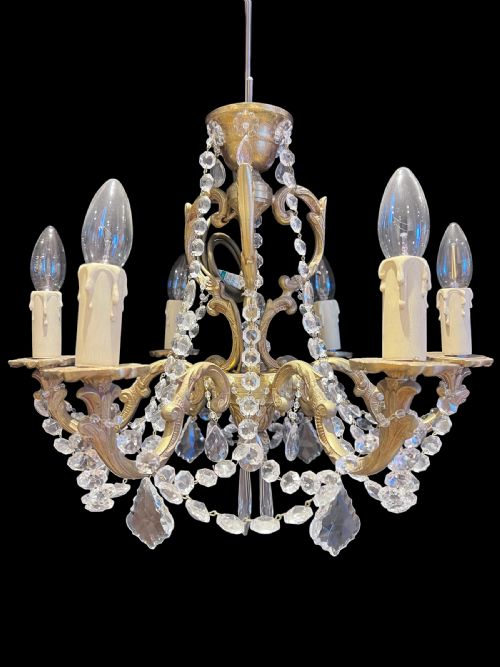
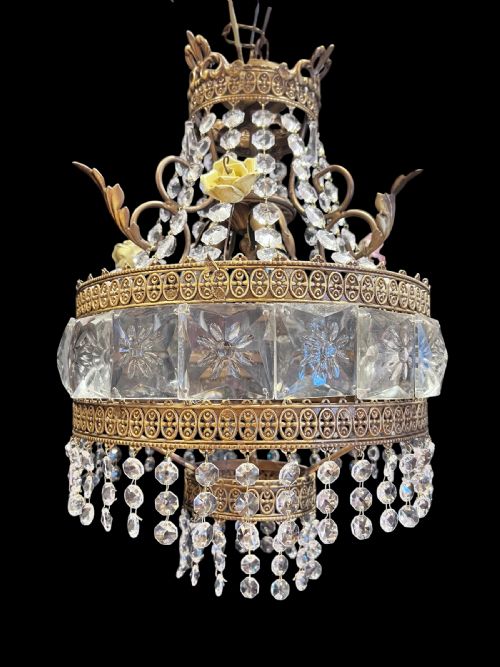
The foundation of these pieces relies on cast brass or bronze, treated with layers of gilding or ormolu finish. Metal components are frequently paired with cut glass pendants and crystal drops to refract illumination.
Construction techniques involve joining individually cast metal arms and backplates, sometimes incorporating secondary materials like marble or porcelain elements. Surface detailing is achieved through chasing and engraving directly into the metal before gilding.
French Gilt Brass Light Retail Price Guide 2026
Typical asking prices for french gilt brass light among the pieces listed under this phrase on Sellingantiques today, from the lower quarter to the upper quarter. They describe what is for sale here now, not the wider market.
The listings span periods from the eighteenth century through the 1930s, utilising materials including ormolu, crystal, and patinated bronze.
Assessing Quality and Execution
Quality reveals itself in the crispness of the chased metalwork and the depth of the gilt surface. Superior examples display sharply defined foliate or figurative details rather than softened contours from worn casting moulds.
The integration of secondary materials, such as rock crystal or hand-cut glass, distinguishes higher-grade fixtures. Well-balanced arm proportions and robust structural joints indicate careful workshop production.
Maison Bagues
The French Gilt Brass Light Glossary
- Ormolu
- A technique of applying finely ground high-carat gold to a bronze or brass base. This process creates a rich metallic surface finish characteristic of decorative metalwork.
- Chandelier
- A branched hanging light fixture designed to hold multiple candles or bulbs. These structures often incorporate glass drops or crystal prisms.
- Sconce
- A wall-mounted lighting fixture secured by a backplate. These pieces direct illumination outward through fixed arms.
- Champleve
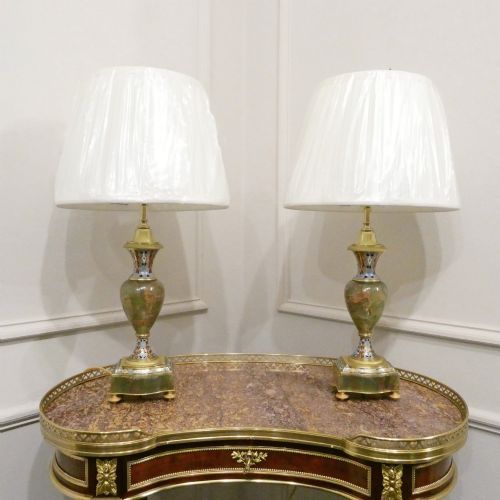
- An enamelling technique where troughs are carved into a metal surface and filled with vitreous colour before firing. This method produces patterned decorative accents.
- Candelabra
- A multi-branched candlestick holder designed for tabletop or sideboard placement. They share stylistic vocabulary with matching wall fixtures of the period.
French Gilt Brass Light: Frequently Asked Questions
How are these lights typically mounted?
Wall lights and sconces secure directly to vertical surfaces via integrated backplates. Chandeliers suspend from ceilings using chains or fixed rods connected to internal wiring systems.
Professional installation is recommended to support the weight of heavier cast bronze and crystal structures.
Can older fixtures be rewired for modern use?
Most antique fixtures are adapted to accept standard modern electrical fittings while retaining their external historical appearance. Rewiring ensures compliance with current safety standards.
Components like internal channels are updated to accommodate insulated wiring without altering the visible metal framework.
What distinguishes Neoclassical from Rococo styles?
Neoclassical lighting displays strict symmetry, geometric lines, and classical motifs such as urns and lyres. These designs emerged from a renewed interest in antiquity.
By contrast, Rococo designs favour asymmetrical scrolls, organic plant forms, and elaborate, flowing curves.
How do you clean gilt brass safely?
Dusting with a soft, dry cloth prevents the accumulation of grime on delicate metal surfaces. Abrasive cleaners must be avoided to protect the thin gold leaf or ormolu layer.
Specialist conservation polishes should only be applied when necessary to preserve the underlying patina.