
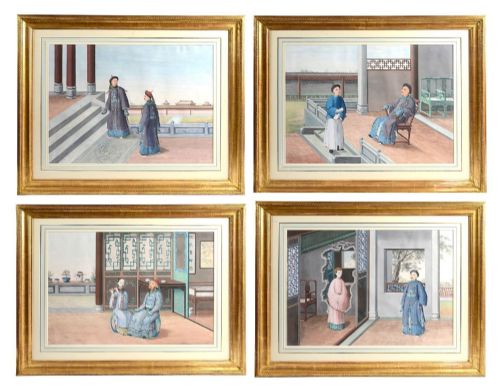

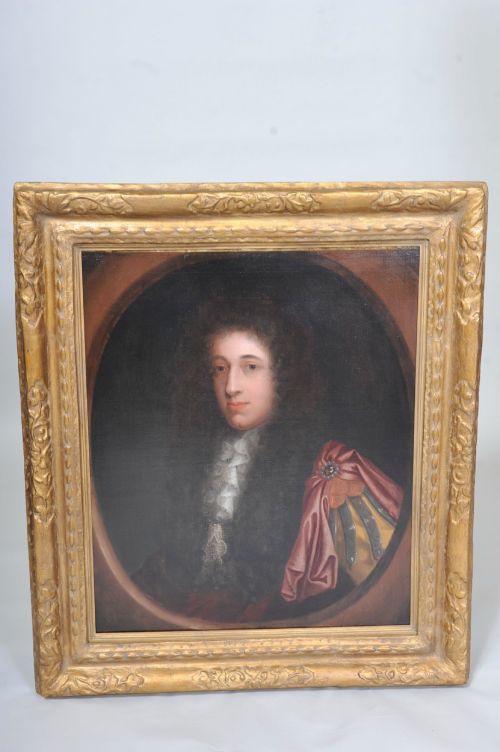
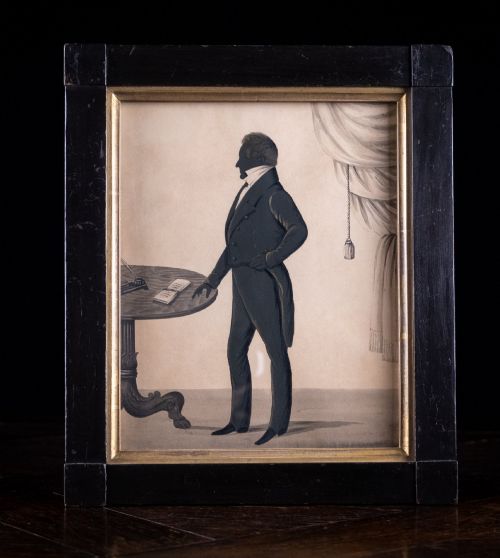
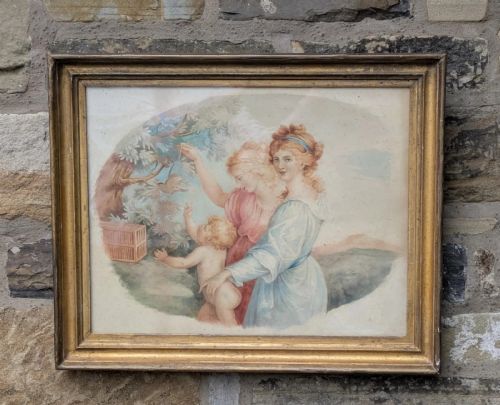
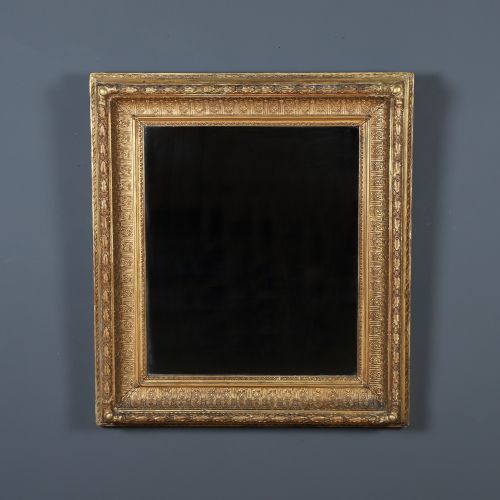
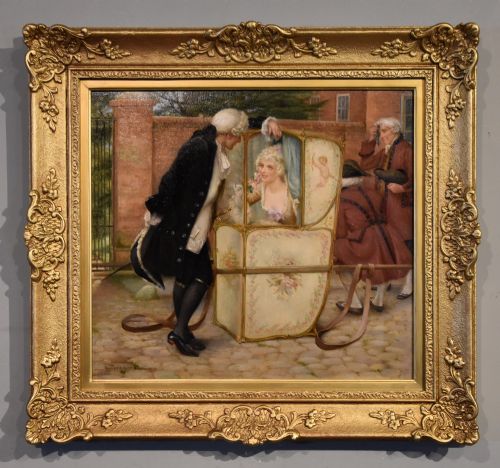
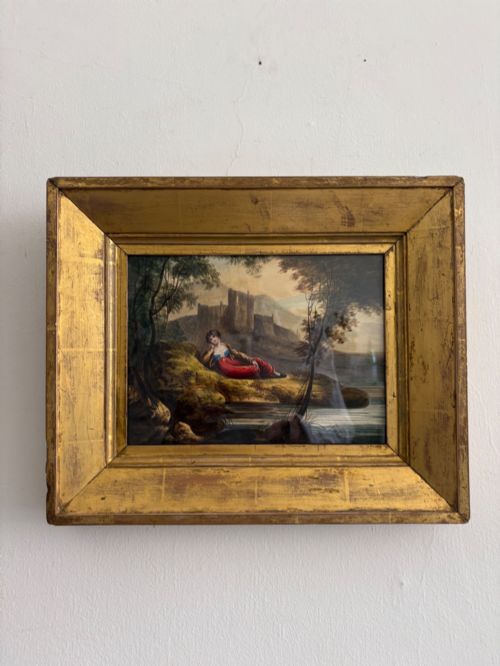


Period Gilt Framed Picture
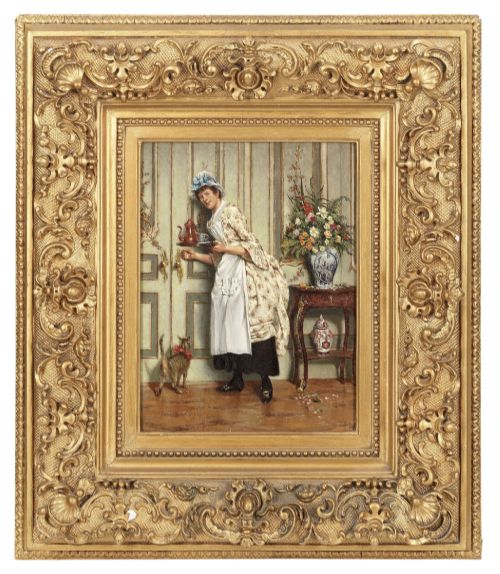
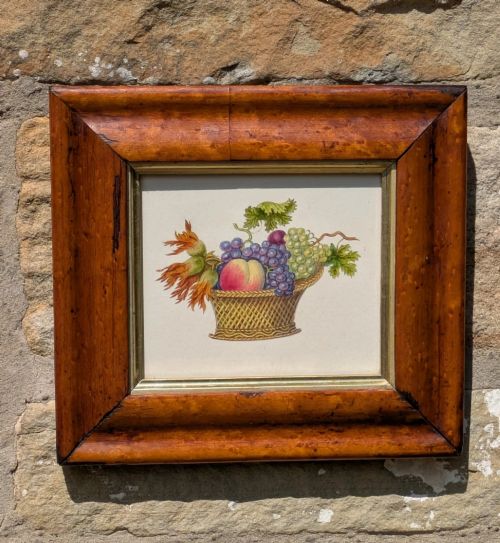
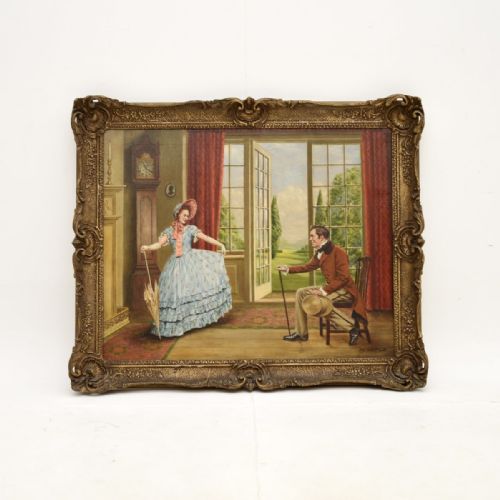
A period gilt framed picture brings centuries of portraiture, landscape and decorative work to a wall through the warm reflection of gold leaf.
Period Gilt Framed Picture
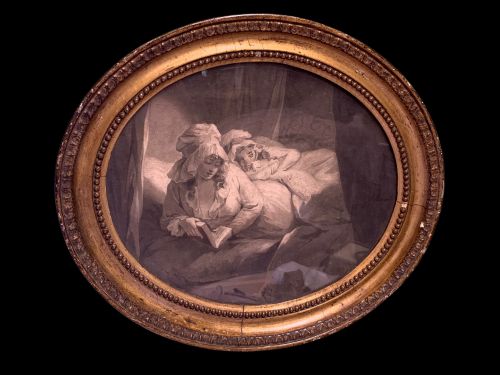
A period gilt framed picture gathers oil paintings, watercolours, engravings and mirrors set within historical mouldings spanning several centuries. Buyers seeking these works will encounter pieces ranging from seventeenth-century portraits to nineteenth-century landscapes and decorative prints.
The objects on this page include oil on canvas, paper works, and enamel plaques housed in frames finished with gesso and giltwood. Such items reflect the artistic output of Georgian, Regency and Victorian periods, alongside earlier baroque examples.
Materials and construction
Makers constructed the frames using wood substrates built up with gesso, a plaster-like mixture carved and layered to accept gold leaf or gilt finishes. Canvases stretched over wooden frames and works on paper provided the surface for oils and watercolours.
Engravings and prints utilised paper treated with hand-colouring or inked impressions, whilst mirrors relied on early glass set within deep decorative rebate mouldings.
Several portraits depict stern-faced sitters who appear to watch every movement across the room.
Evaluating craftsmanship
Quality rests in the crispness of the gesso moulding and the preservation of the original gilding, where hand-carved depth distinguishes superior frames from mass-produced later substitutes. The integrity of the underlying artwork, whether oil paint or delicate watercolour pigment, dictates the overall standing of the piece.
The relationship between the picture and its frame matters; period pieces retaining their original matching housing command greater regard than later assemblages.
Sir Peter Lely·Alfred Lyndon Grace·George Romney·John Raphael Smith·Francois Boucher
The Period Gilt Framed Picture Glossary
- Gesso
- A plaster mixture applied to wood frames as a base for gilding. It allows craftsmen to carve intricate relief ornamentation before applying gold leaf.
- Giltwood
- Wood carved and coated with gold leaf or metallic powder. This material defines the lustrous borders characteristic of antique framing.
- Gouache
- An opaque watercolour medium used by artists to achieve dense, matte colour surfaces. It appears frequently in historical landscape and portrait studies.
- Stipple engraving
- A printmaking technique using dots to create tonal gradations rather than continuous lines. It gained popularity during the Georgian and Regency eras for reproducing delicate portraits.
Period Gilt Framed Picture: Frequently Asked Questions
How do I date a gilt frame?
Dating relies on examining the construction of the wooden corners, the composition of the gesso layer, and the style of the ornamentation. Earlier frames often feature hand-carved wooden mouldings beneath the gilding, whereas later nineteenth-century examples utilise moulded composition applied to pine.
Changes in gold leaf application and the wear patterns on the underlying bole also assist in establishing the correct period of manufacture.
Are these paintings original?
The selection includes original oil paintings, hand-coloured engravings, and watercolours produced by named artists and historical English schools. Each listing details the specific medium used for the artwork.
Signatures, archival records, and stylistic attributes help confirm the authenticity and period origin of each canvas or paper work.
How should I hang a heavy gilt frame?
Heavy giltwood frames require secure wall fixings anchored directly into masonry or wall studs using heavy-duty picture hooks or split battens. The substantial weight of gesso and wood necessitates robust support to prevent structural strain on the hanging wire.
Positioning the piece away from direct sunlight and damp environments protects both the fragile gold leaf and the historical artwork.
Can I clean antique gesso and giltwood?
Cleaning requires extreme caution, as moisture and modern chemical solvents easily dissolve historical water-gilding and delicate gesso ornaments. Dusting should be performed gently using a soft, dry brush without applying pressure to raised decorative elements.
Professional conservators should handle any attempts to repair flaking leaf or accumulated grime to preserve the integrity of the surface.