

Period Georgian Side Chairs
Period georgian side chairs offer enduring formal elegance for the dining room, combining robust timber frames with refined regional craftsmanship.
Period Georgian Side Chairs
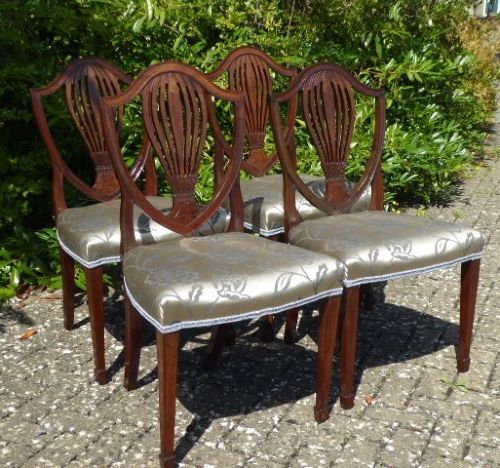
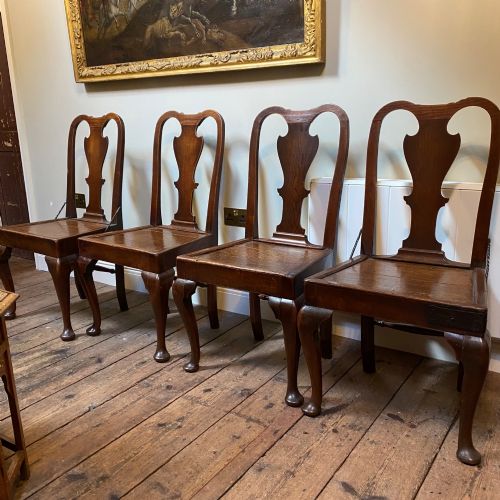
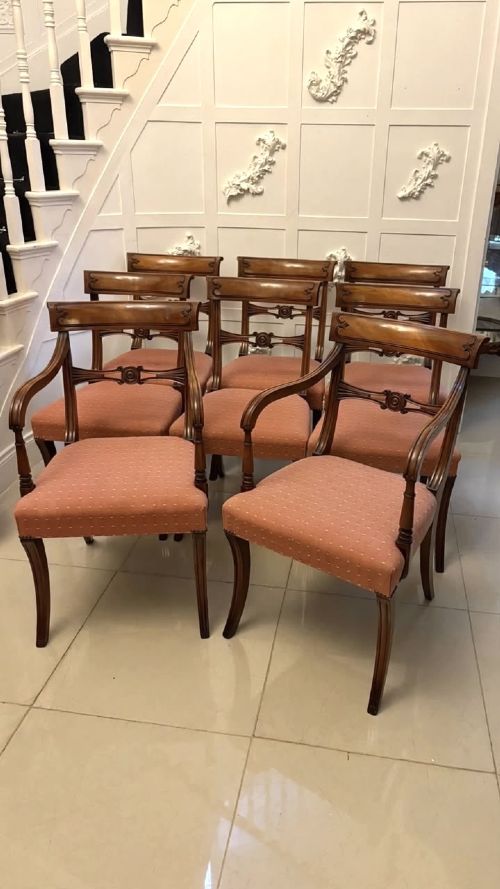
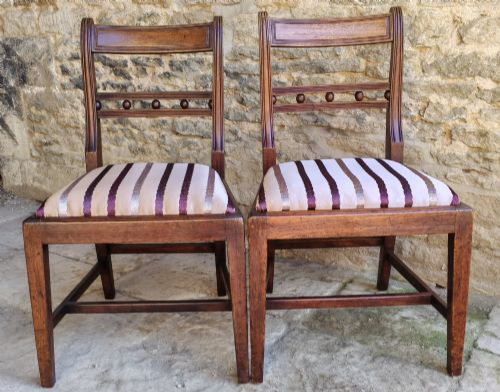
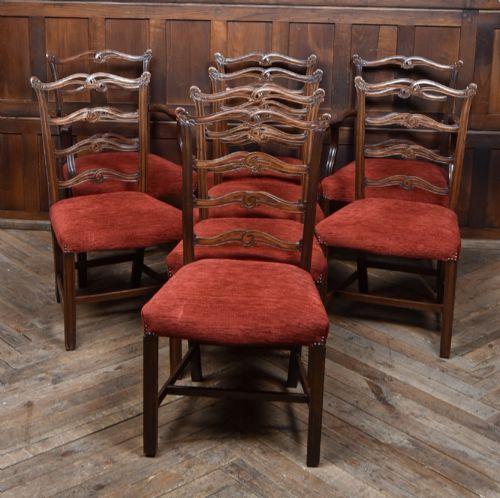
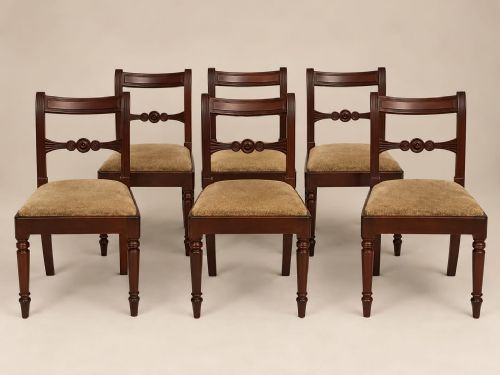
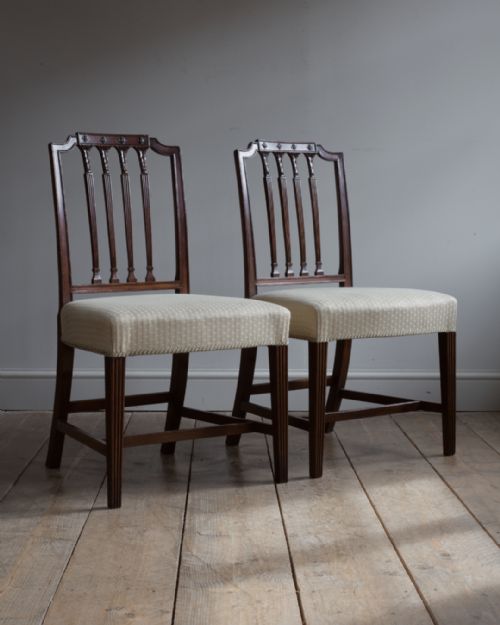
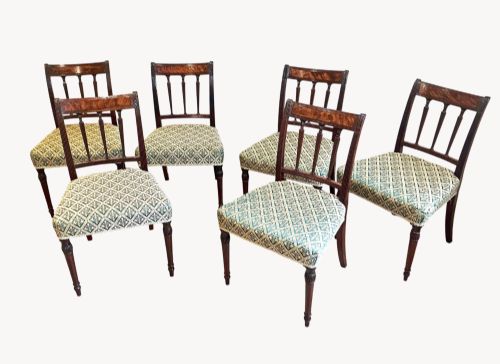
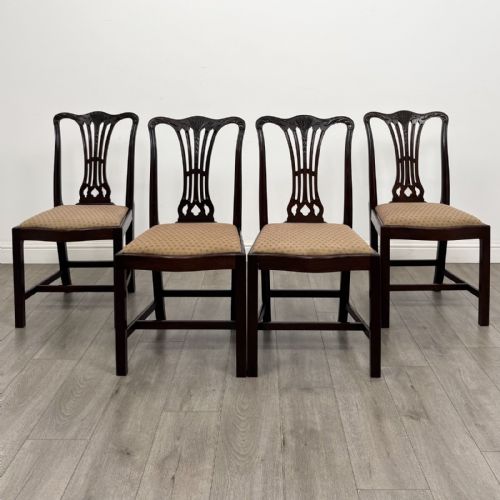
When you search for period georgian side chairs, you enter a domain of 18th-century and 19th-century seating where mahogany and oak dominate the listings. These forms encompass formal dining chairs alongside country interpretations featuring pierced splats and shield backs.
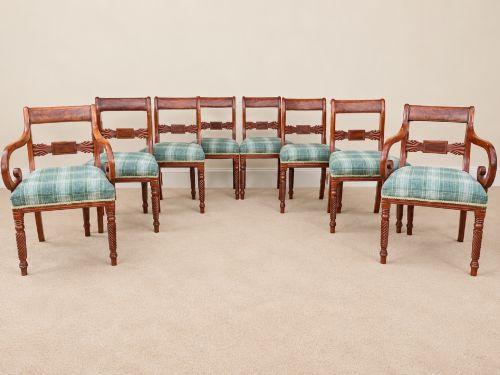
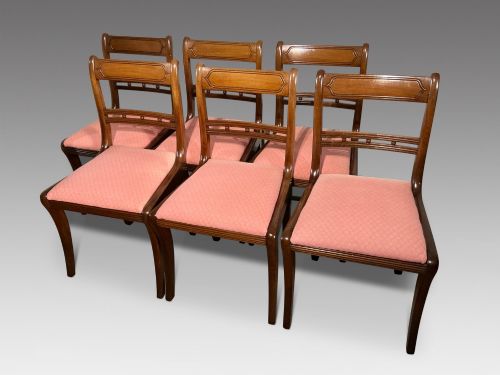
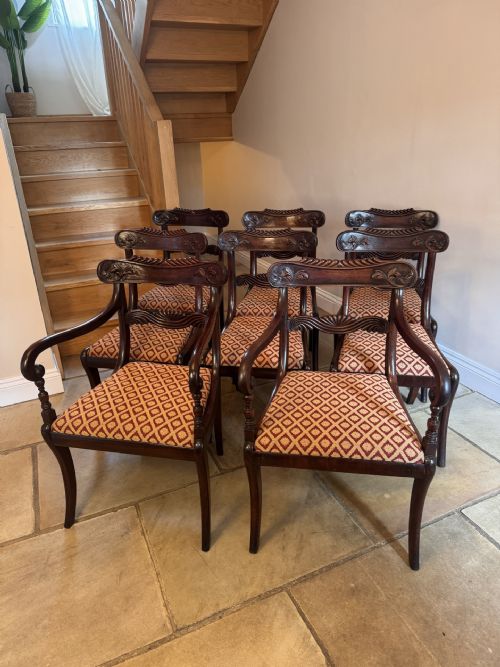
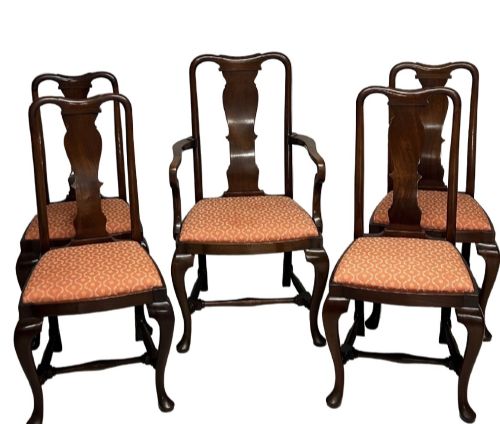
The pieces on this page span several stylistic phases, incorporating George II, George III, and Regency aesthetics alongside later revival pieces. You will encounter individual pairs, modest sets of four, and larger dining sets including carver chairs with armrests.
Makers of these chairs drew upon established design vocabularies associated with Chippendale, Hepplewhite, and Sheraton. Their physical presence ranges from heavy walnut and fruitwood country models to sharply carved mahogany town iterations.
Materials and Construction
Makers relied principally upon dense timbers such as mahogany, oak, walnut, elm, and fruitwood to construct the load-bearing frames. Secondary woods often reinforced seat rails, whilst brass fixings and cane panels appeared in specific Regency and Georgian models.
Upholstery methods utilised traditional stuffing secured beneath fabric, textile, velvet, or specialised upholstery fabric. Frame assembly depended upon precise joinery, with timber components shaped to form intricate shield backs, ropebacks, and pierced splats.
Period Georgian Side Chairs Retail Price Guide 2026
Typical asking prices for period georgian side chairs among the pieces listed under this phrase on Sellingantiques today, from the lower quarter to the upper quarter. They describe what is for sale here now, not the wider market.
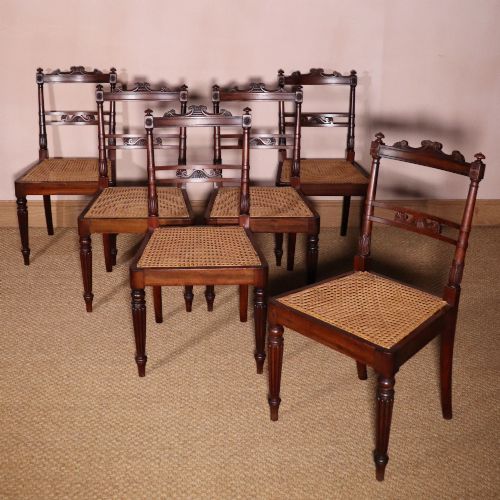
Some dining chairs arrive accompanied by cane seats, perfect for a breezy summer meal.
Distinctions in Quality
The upper tier of these chairs is distinguished by crisp, deep hand-carving upon the splats and crest rails, whereas simpler examples rely on plain turned members. Timber selection also dictates grade, with finely figured mahogany and rich walnut commanding greater regard than basic elm or ash.
Structural integrity separates exemplary survivals from compromised pieces, particularly concerning the stability of the joints and the preservation of original timber surfaces. Consistency across a matched set elevates its standing compared to assembled groups of varied origin.
The Period Georgian Side Chairs Glossary
- Carver
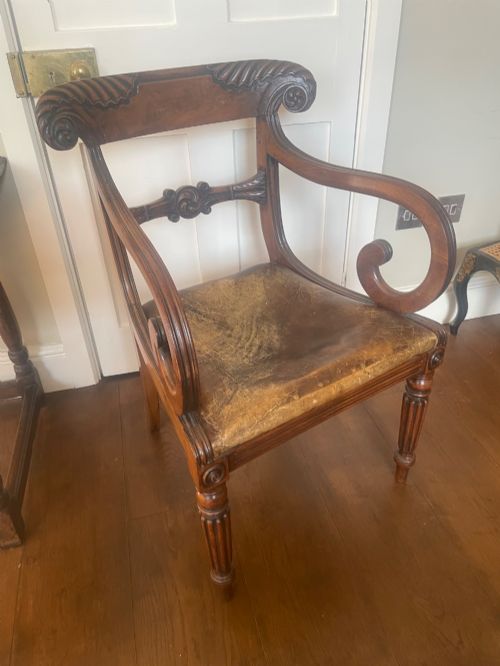
- An armchair designed to match a set of single dining chairs, typically positioned at the head of a table.
- Pierced Splat
- The vertical wooden strip in the middle of a chair back that has been cut through to create a decorative open pattern.
- Shield Back
- A chair back shaped like a heraldic shield, popularised by designers in the late 18th century.
- Bergere
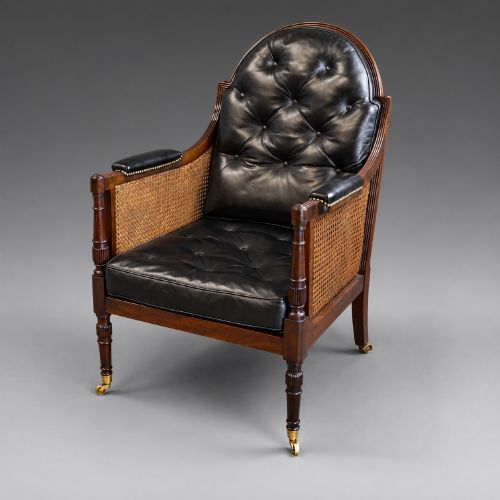
- An enclosed upholstered armchair with exposed wooden framing and woven cane panels on the sides or back.
- Bar Back
- A horizontal top rail resembling a bar, frequently found on dining chairs from the Regency and William IV periods.
Period Georgian Side Chairs: Frequently Asked Questions
How do I spot a reproduction?
Examine the timber surfaces for tool marks, oxidation, and wear patterns consistent with age rather than artificial distress. Genuine older chairs display construction methods appropriate to their stated period.
Check the uniformity of the components within a set to determine if individual chairs were manufactured together or assembled later. Hand-cut joints and subtle irregularities confirm historical hand tool production.
Can I use these for daily dining?
These wooden frames are structurally robust enough for regular use provided the joinery remains sound and stable. Period seating has endured centuries because it was built for practical domestic application.
Protect the antique timber and upholstery by avoiding excessive weight loads or damp environments. Periodic professional inspection of the glue blocks and seat frames ensures safe ongoing deployment.
What is a carver chair?
A carver is an armchair styled to match a set of smaller dining chairs without arms. They were traditionally placed at the two ends of a dining table.
Including carvers in a dining set provided additional comfort and status for the host and hostess. Their proportions match the height and design vocabulary of the accompanying single chairs.
How do styles differ across reigns?
Early pieces from the George II era favour heavy walnut and robust proportions, transitioning into the lighter mahogany forms of George III. Later Regency and William IV examples introduce bolder carved details, rosewood, and Gonçalo Alves timbers.
Designers like Chippendale favoured elaborate pierced splats, whereas Sheraton and Hepplewhite popularised refined shield backs and geometric symmetry. Each reigning period imprinted distinct decorative motifs onto the chair frames.