

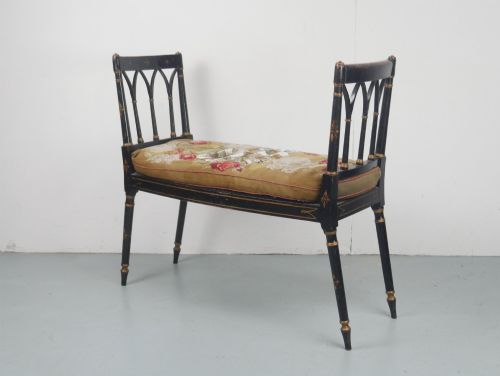
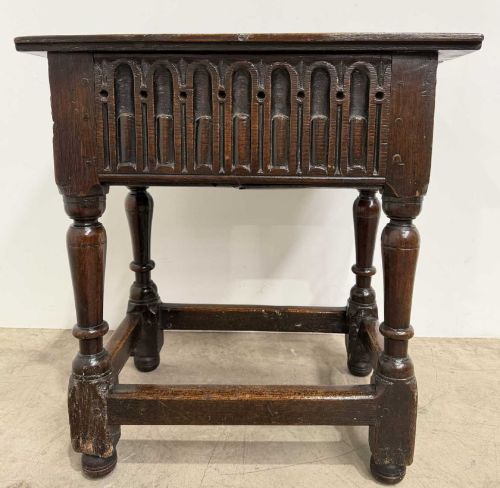
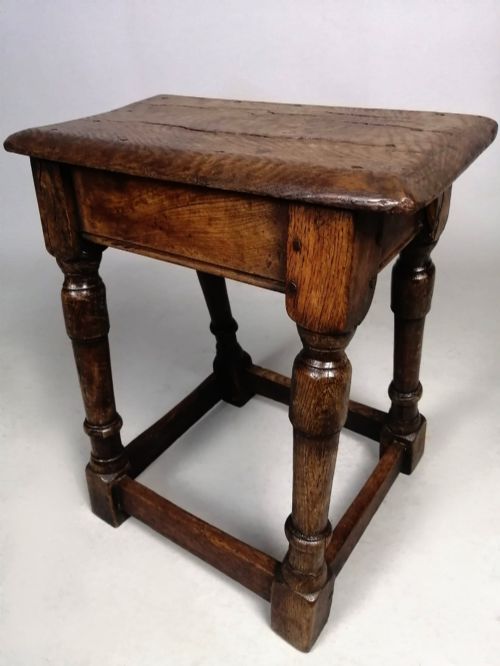
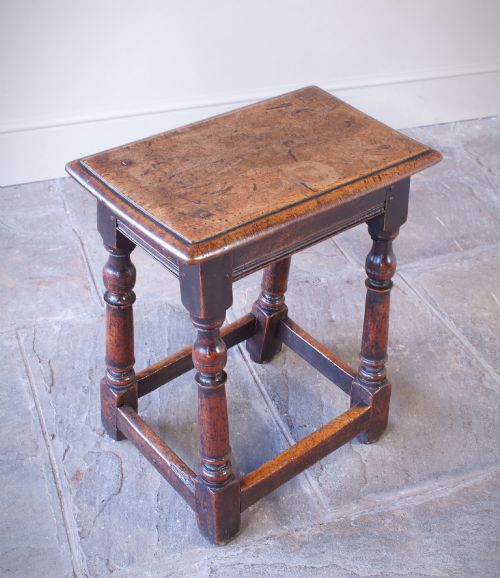


Period Furniture Stool
These period furniture stool examples range from robust seventeenth-century joined oak to refined eighteenth-century walnut designs, offering practical historical seating.
Period Furniture Stool
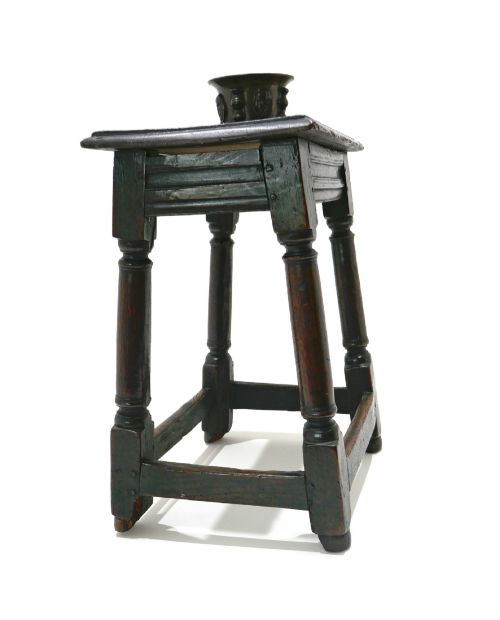
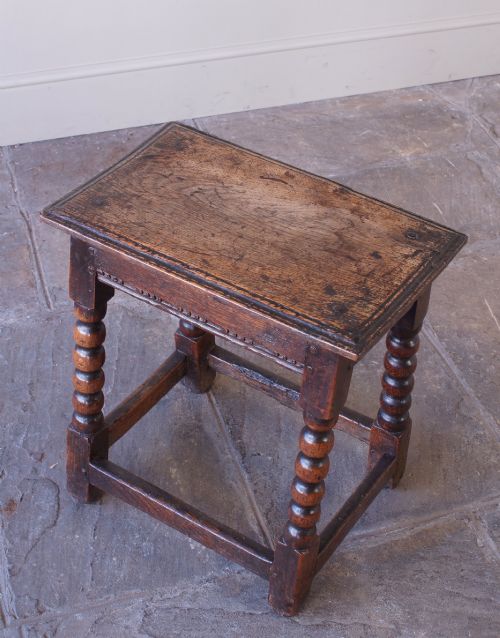
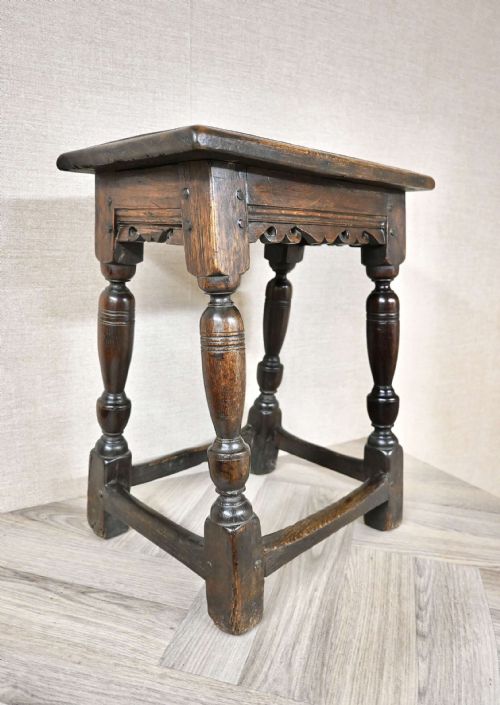
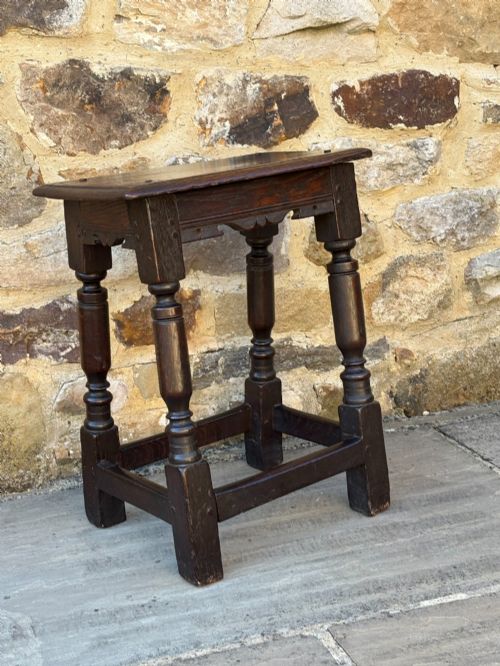
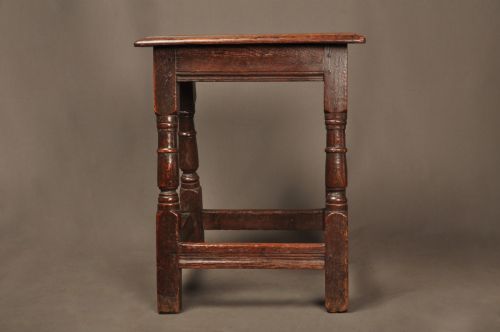
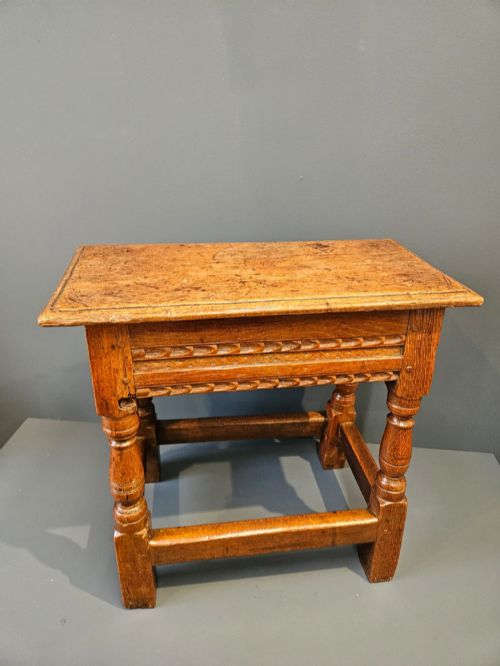
A period furniture stool encompasses utilitarian early forms alongside formal seating types spanning multiple centuries. Buyers searching this category frequently encounter seventeenth-century joint stools constructed for domestic utility.
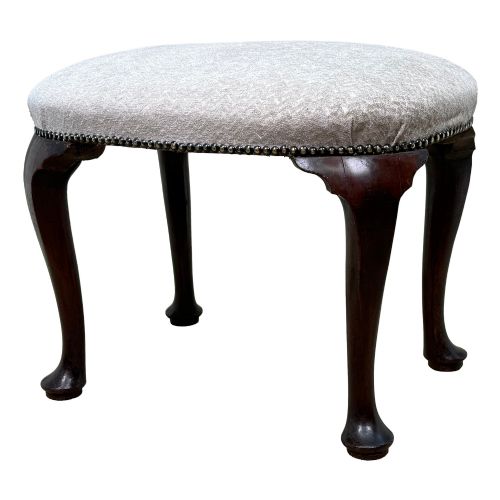
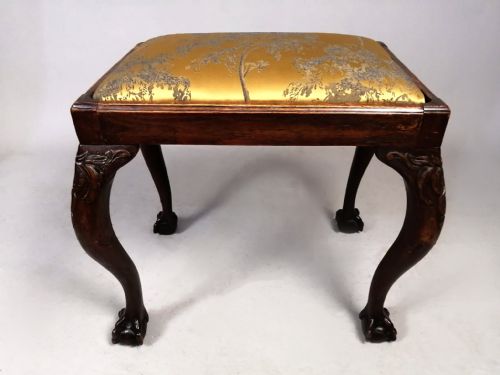
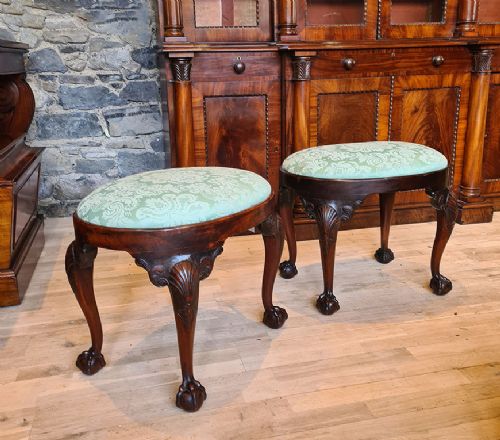
The selections extend into eighteenth-century walnut and elm variants, alongside nineteenth-century pieces and upholstered ottomans. Regional English examples sit alongside diverse forms including close stools and devotional furniture.
Early joined examples dominate the current offerings, demonstrating the enduring survival of sturdy timber frames. These practical household items transitioned from simple seating to decorative interior elements over successive design periods.
Construction and Materials
Makers utilised native timbers predominantly, relying on oak, elm, and walnut for structural integrity. Hardwoods provided the necessary strength for traditional joint construction and pegged frames.
Fine cabinet timbers such as mahogany and rosewood appear in later periods alongside decorative brass elements. Upholstered versions incorporate textile coverings and internal padding on wooden foundations.
Period Furniture Stool Retail Price Guide 2026
Typical asking prices for period furniture stool among the pieces listed under this phrase on Sellingantiques today, from the lower quarter to the upper quarter. They describe what is for sale here now, not the wider market.
An eighteenth-century elm close stool masquerades cleverly as a small Georgian bedside chest for discreet domestic convenience.
Judging Quality
The standard of a piece depends heavily on the integrity of its original timber and the retention of early joinery. Untouched surfaces and minimal replacement parts distinguish superior examples from heavily restored ones.
Carving depth and proportion separate standard utility items from high-status regional or period commissions. Refined turning on legs and well-balanced frames elevate the visual distinction of individual pieces.
The Period Furniture Stool Glossary
- Joint stool
- A sturdy wooden seat constructed with pegged mortise and tenon joints rather than simple nailing. These items served multiple domestic purposes in early households.
- Close stool
- An enclosed wooden piece of furniture housing a chamber pot for personal sanitation. They often disguise their utilitarian function beneath the form of small cabinetry or chests.
- Prie dieu
- A specialised devotional chair or small desk designed for kneeling during prayer. This form incorporates a slanted shelf for books above a padded kneeling platform.
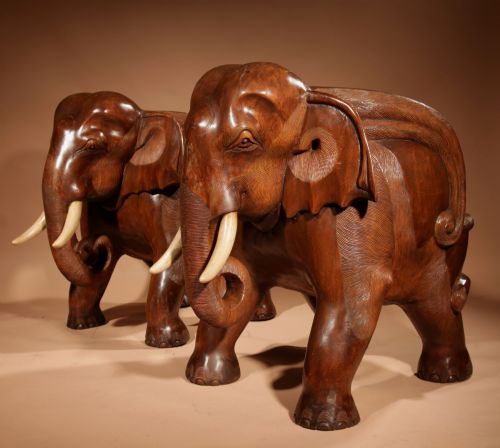
- Hongmu
- A dense hardwood category used in traditional Chinese furniture manufacturing. Items in this material display deep colouration and heavy structural weight.
- Ottoman
- A low upholstered seat or footstool lacking arms and a backrest. Regency period versions often feature detailed textile covers.
Period Furniture Stool: Frequently Asked Questions
What is a joint stool?
A joint stool is an early wooden seat built with joined framing rather than nailed boards. They provided sturdy seating and small elevated surfaces in seventeenth-century homes.
Carpenters used pegged mortise and tenon joints to ensure durability. Their simple rectilinear forms made them essential household inventory.
How were close stools used?
Close stools functioned as indoor sanitary furniture before modern plumbing facilities existed. They enclosed a chamber pot within a wooden cabinet framework.
Cabinet makers designed them to resemble small chests or bedside furniture to conceal their purpose. Upholstered lids provided comfortable seating when closed.
Where do these pieces originate?
The pieces originate primarily from British workshops across various centuries, with regional English and Irish examples well represented. Specific regional traits distinguish pieces from locations like South Yorkshire.
Global trade and period imports also introduce occasional non-European items into the wider selection. Local timbers dictated the regional character of early domestic furniture.
How do I care for antique wood?
Antique wooden furniture requires stable environmental conditions away from direct heat sources and excessive moisture. Consistent indoor temperatures prevent timber shrinkage and joint separation.
Gentle dusting with a dry cloth maintains the surface finish. Avoid modern chemical polishes that can damage historic polish layers.