


Period Furniture Sideboard
Period furniture sideboard choices combine functional storage with architectural timberwork, offering formal dining rooms and hallways a grounding centrepiece.
Period Furniture Sideboard
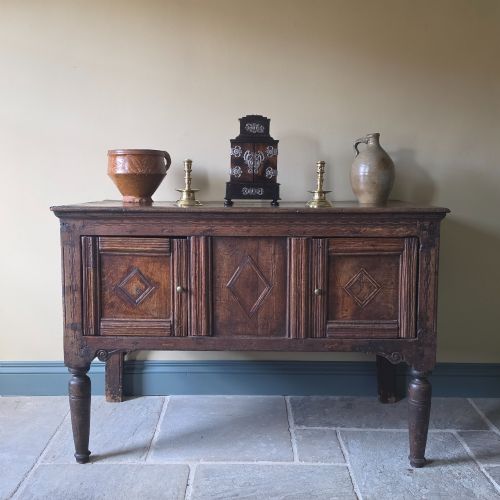
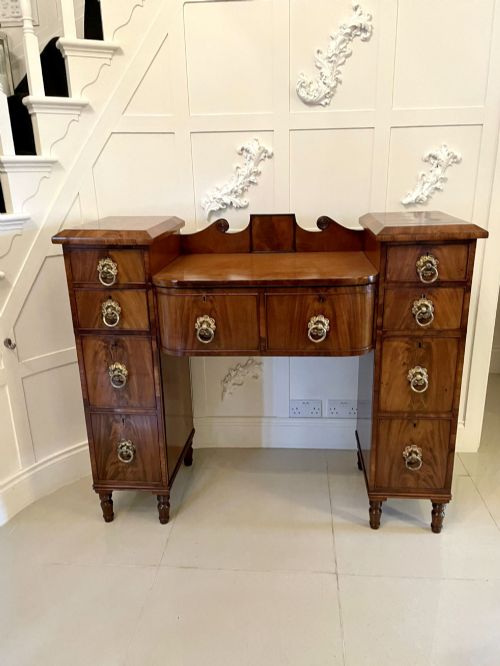
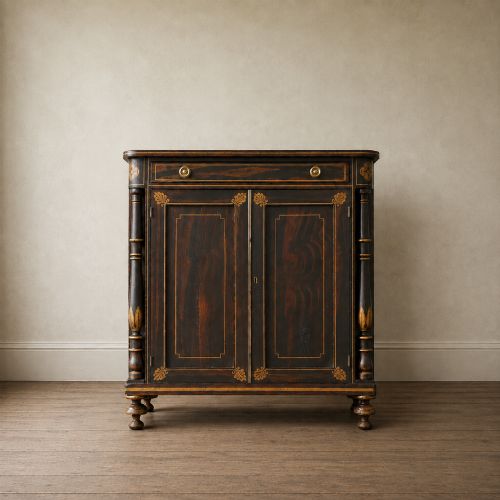
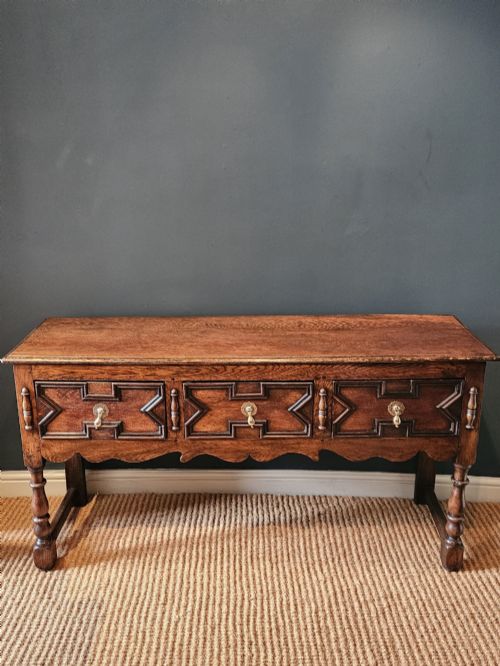
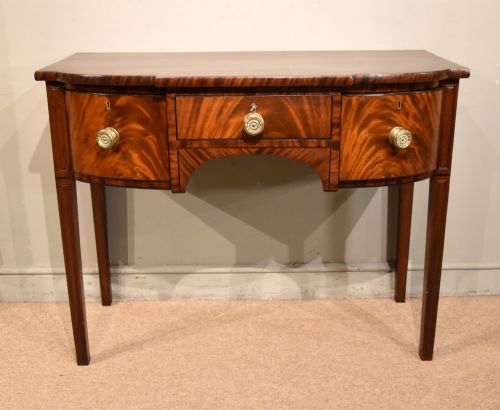
A period furniture sideboard encompasses a diverse range of heavy storage furniture designed for dining spaces and hallways, appearing in forms such as sideboards, chiffoniers, dressers, and side cabinets. The selection spans the 17th century through to the Victorian era, capturing shifts in domestic utility and interior decoration across several distinct eras.
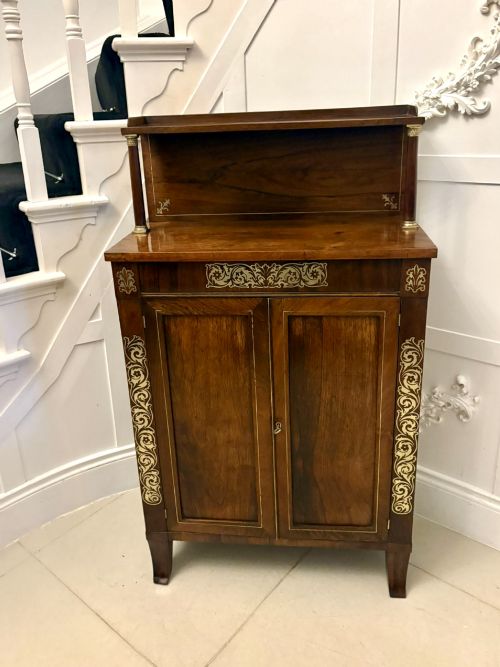
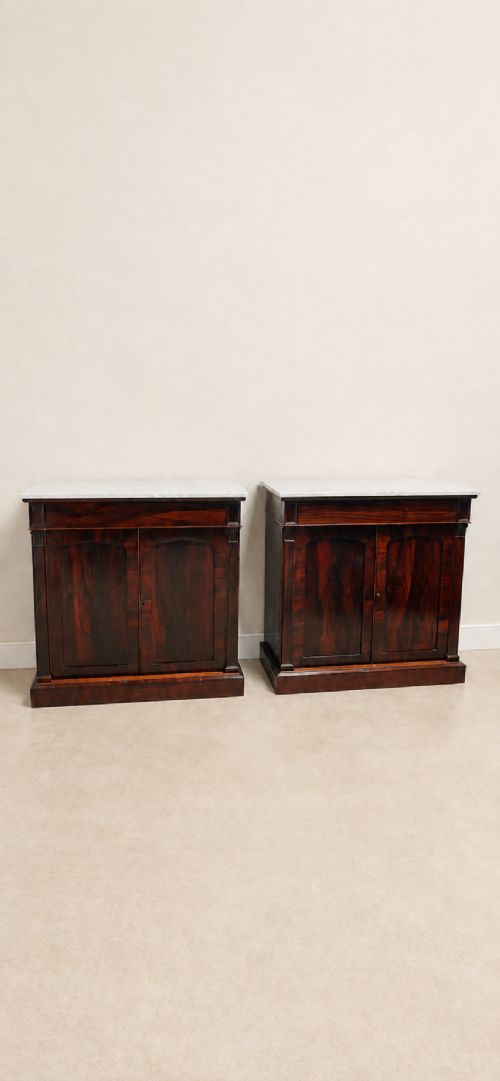
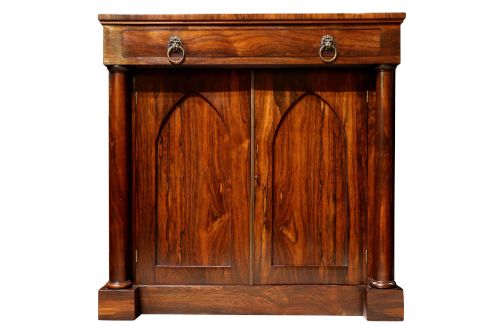
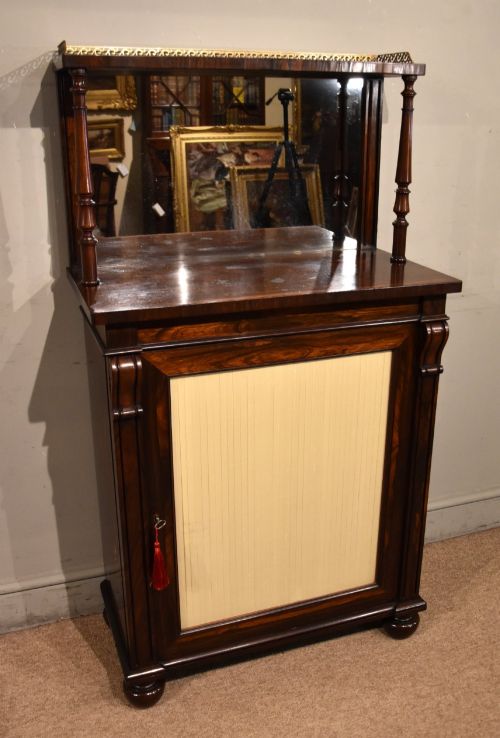
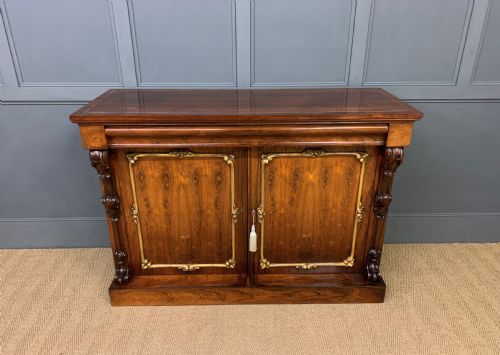
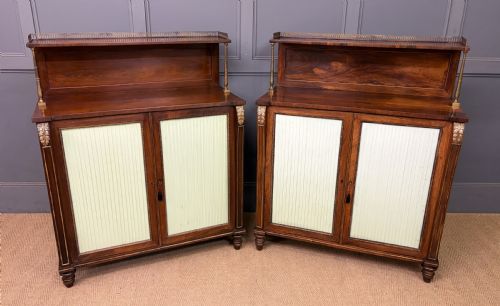
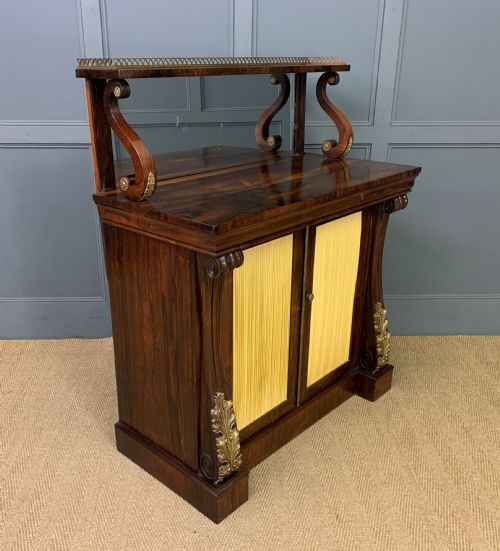
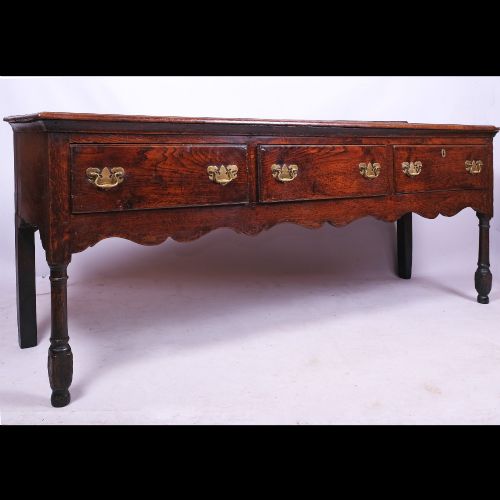
The version most commonly met on this page is the Regency piece, often executed in rosewood or mahogany with brass mounts or inlaid details. Alongside these, buyers encounter earlier 17th and 18th century oak dressers and court cupboards, as well as specialised formats like secretaire sideboards and chiffoniers.
Origins stretch across English workshops, French provincial centres, and wider European traditions, reflecting local timber supplies and regional carving habits. Pieces range from formal Georgian dining room servers to sturdy oak serving dressers intended for country houses.
How they were made
Construction relies heavily on primary framing timbers such as oak, mahogany, and walnut, frequently enhanced by decorative surface treatments like flame mahogany veneer, burr elm, burr yew wood, amboyna, and simulated rosewood. Cabinetmakers joined carcases using traditional housing and dovetail joints to ensure structural stability across large serving surfaces.
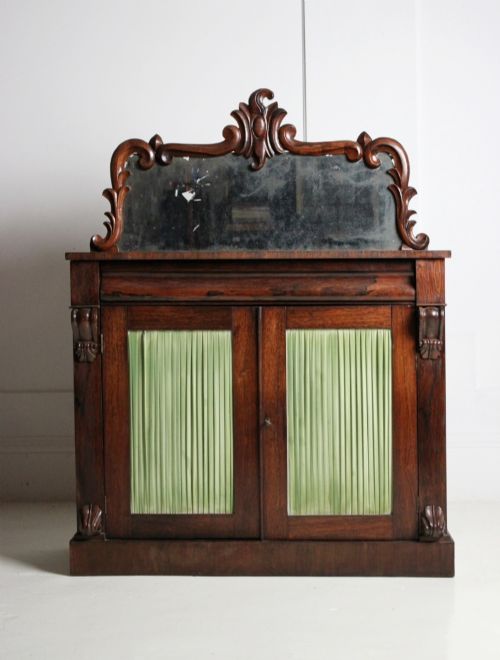
Metalwork played a defining role in hardware and ornamentation, incorporating cast brass handles, escutcheons, and structural mounts, alongside gilt decoration. Glazing, fabric panels, and carved panels further differentiated the doors and upper sections of chiffoniers and side cabinets.
Period Furniture Sideboard Retail Price Guide 2026
Typical asking prices for period furniture sideboard among the pieces listed under this phrase on Sellingantiques today, from the lower quarter to the upper quarter. They describe what is for sale here now, not the wider market.
Listings feature timbers including mahogany, oak, rosewood, walnut, cedarwood, amboyna, and goncalo alves.
What varies in quality
The visual hierarchy of these items rests on the selection and matching of surface veneers, where striking grains like flame mahogany, rosewood, and amboyna elevate the presence of a cabinet. Finer examples display meticulous attention to timber grain continuity across drawer fronts and door panels.
Execution of secondary details, including brass inlay, gilt decoration, and carved mouldings, dictates the distinction between standard utilitarian furniture and high-status formal pieces. The integration of specialised internal fittings, such as secretaire drawers or original brasses, marks the upper tier of craftsmanship.
Mack Williams And Gibton·Liberty And Co·Harrods
The Period Furniture Sideboard Glossary
- Chiffonier
- A low cabinet featuring shelving or a raised superstructure above the main storage body, frequently developed during the Regency period for the display of porcelain or books.
- Dresser
- A heavy wooden storage unit comprising drawers, cupboards, or open shelving, traditionally utilised in kitchens and dining rooms for food preparation and tableware display.
- Flame mahogany veneer
- A thin slice of mahogany timber exhibiting a fiery, undulating grain pattern, applied to carcase fronts to create a dramatic optical effect.
- Secretaire sideboard
- A multifunctional furniture form incorporating a pull-down writing drawer fitted with pigeonholes and small compartments concealed within the primary serving structure.
- Goncalo Alves
- An exotic dense hardwood with contrasting dark brown and golden tones, utilised by cabinetmakers for decorative Regency and Victorian side cabinets.
Period Furniture Sideboard: Frequently Asked Questions
What is a Regency chiffonier?
A Regency chiffonier is a compact low cabinet typically fitted with enclosed lower cupboards and a raised back tier featuring shelves supported by columns. They served as refined storage and display units in nineteenth century drawing rooms.
These pieces often utilise rosewood or mahogany timbers, sometimes embellished with brass inlay or gallery rails. Their smaller footprint makes them adaptable alternatives to full scale sideboards in modern interiors.
How do I date an oak dresser?
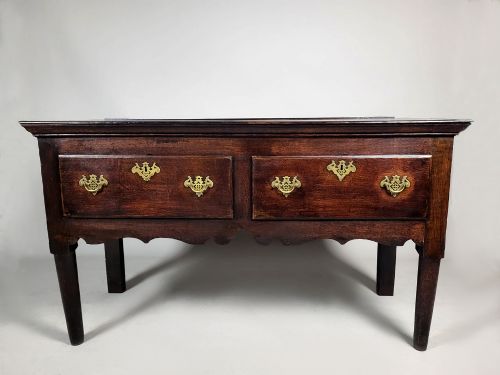
Dating an oak dresser involves examining the construction methods, handle hardware, and timber patination. Earlier seventeenth century examples display pegged frame construction and geometric mouldings, while eighteenth century pieces adopt cleaner proportions.
Checking for original brass pulls and hand cut dovetails provides further clues regarding age. Secondary timbers at the back and drawer linings also help confirm the period of manufacture.
Where were sideboards placed?
Sideboards were positioned against dining room walls to hold serving dishes, cutlery, and glassware during large meals. They acted as auxiliary working surfaces for servants before serving food to the dining table.
In contemporary spaces, they function equally well in entrance halls or living rooms for general storage. Their flat tops provide an ideal surface for lamps, mirrors, or decorative objects.
What is flame mahogany?
Flame mahogany is a highly decorative wood veneer obtained from the fork of the mahogany tree where branches meet the main trunk. This figure produces a distinctive flickering flame pattern across cabinet doors and drawer fronts.
Cabinetmakers prized this timber for high status furniture during the Georgian and Regency periods. It requires careful bookmatching to create symmetrical patterns across large surfaces.