

Period Furniture Cupboard
These period furniture cupboard pieces span oak, mahogany, and rosewood across the seventeenth, eighteenth, and nineteenth centuries.
Period Furniture Cupboard
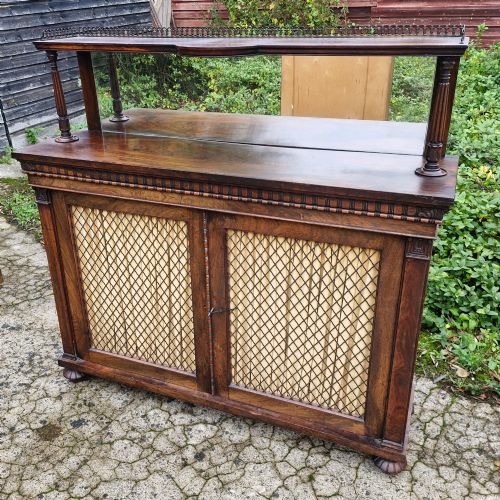
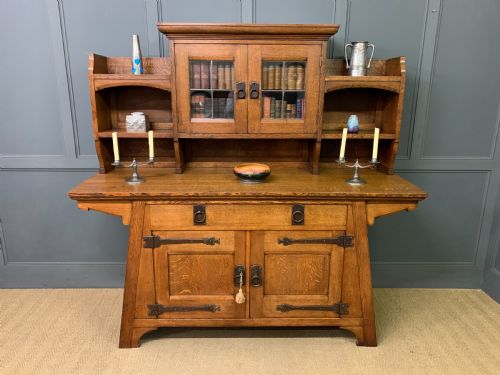
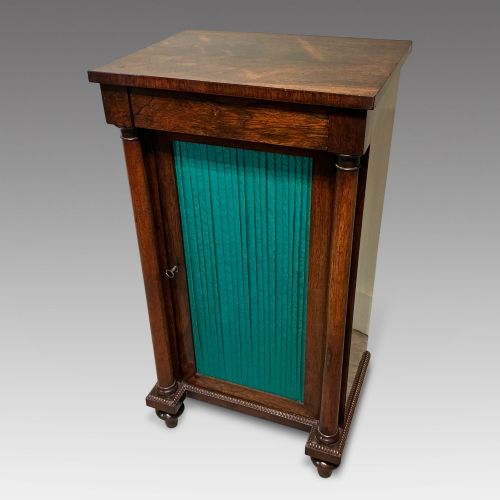
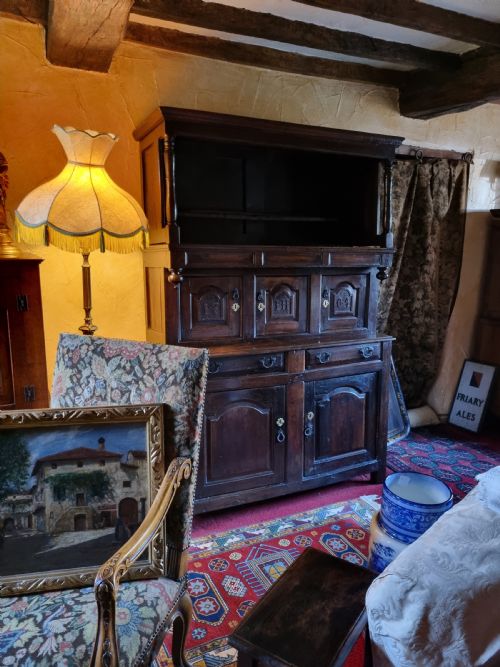
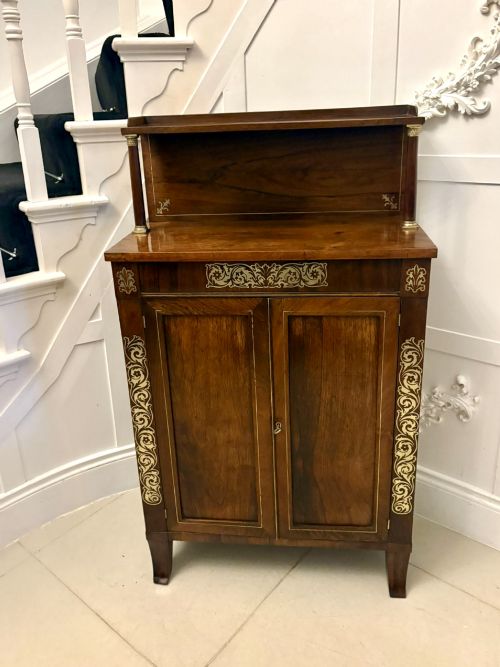
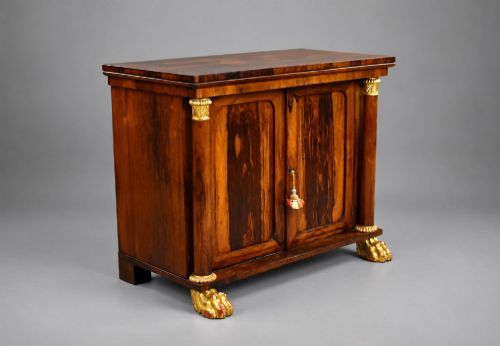
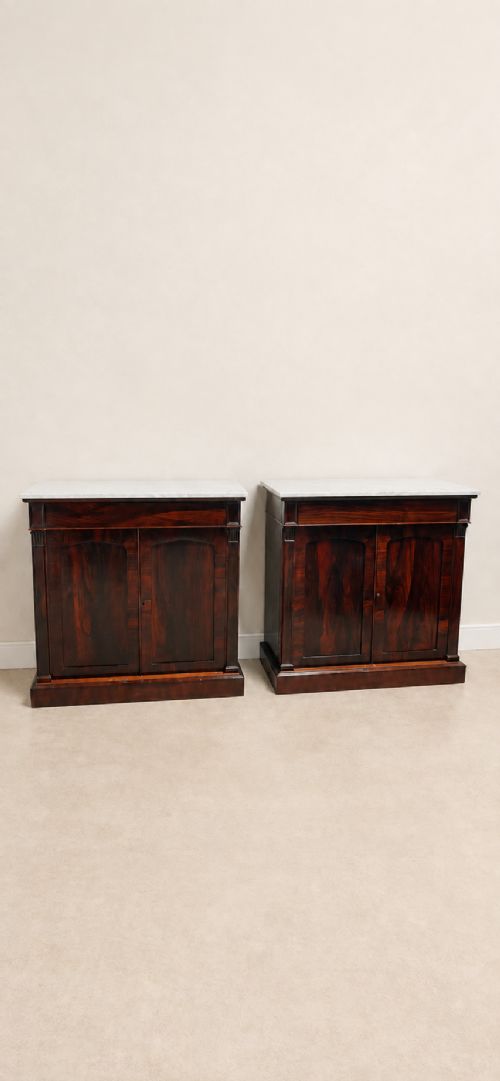
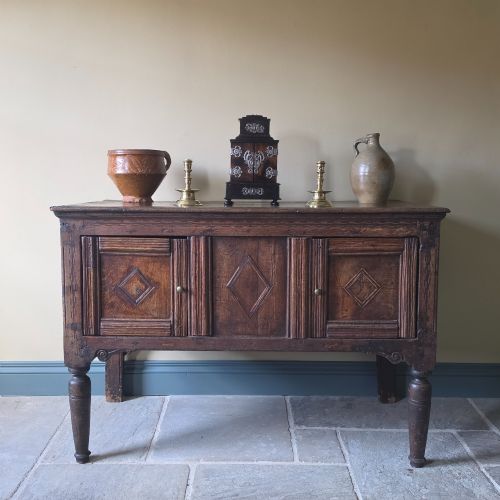
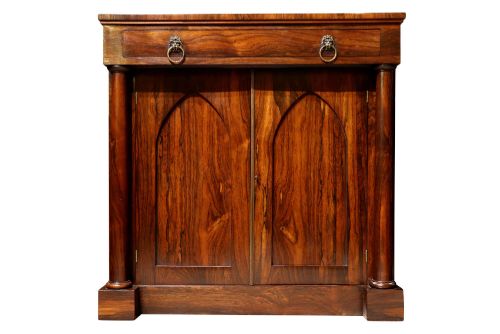
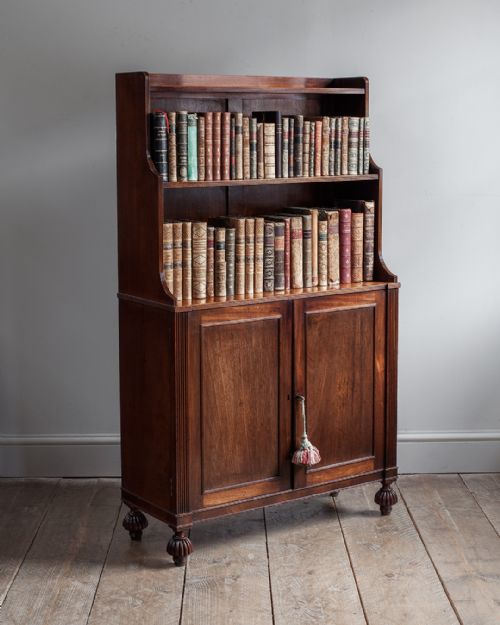
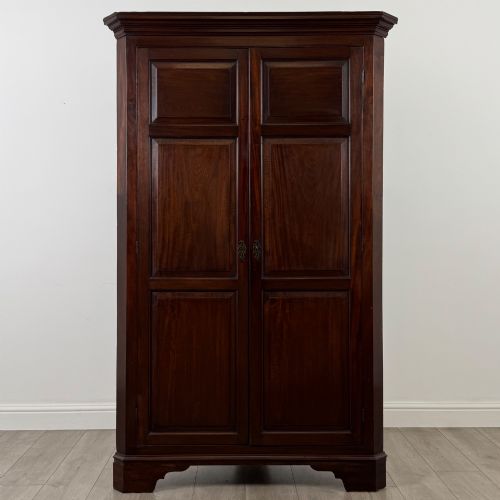
A period furniture cupboard encompasses utilitarian storage forms alongside display cabinets, chiffoniers, and corner cupboards. Buyers encounter robust seventeenth-century oak tridarns and food hutches, substantial eighteenth-century Georgian corner cupboards, and refined nineteenth-century Regency rosewood side cabinets.
The selection ranges from vernacular Welsh and French provincial pieces to sophisticated urban furniture. Forms adapt to domestic needs over centuries, shifting from heavy panelled construction to elegant chiffoniers and pier cabinets designed for nineteenth-century interiors.
Materials and construction methods
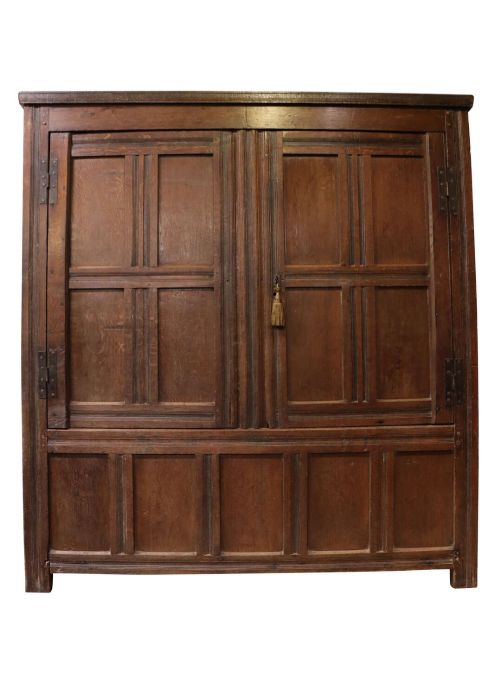
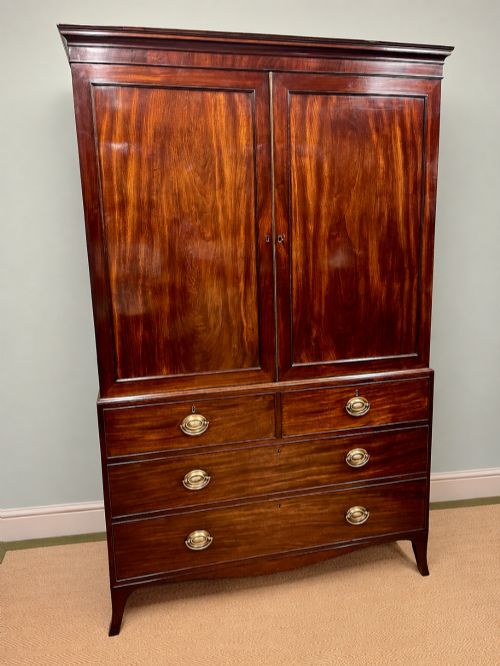
Cabinet makers built these pieces primarily in solid oak for earlier centuries, transitioning to mahogany, walnut, and rosewood during the Georgian and Regency periods. Joinery relied on traditional panelled construction, dovetailing, and mortise and tenon frames.
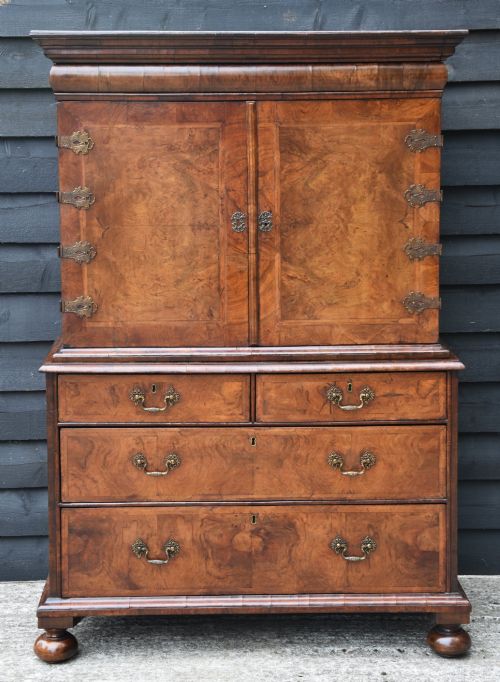
Decoration incorporates carved detailing, burr veneers, pewter inlay, and brass mounts. Surfaces often display contrasting grain patterns, particularly in rosewood and marquetry examples.
Period Furniture Cupboard Retail Price Guide 2026
Typical asking prices for period furniture cupboard among the pieces listed under this phrase on Sellingantiques today, from the lower quarter to the upper quarter. They describe what is for sale here now, not the wider market.
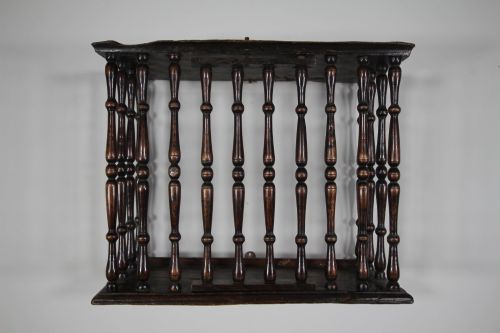
Seventeenth-century food hutches kept dairy and meat safe from household mice long before the invention of wire mesh.
Distinguishing quality across periods
Quality separates through the selection of timber, the precision of joinery, and the integrity of surviving hardware and brass inlays. Superior examples retain original timber surfaces, unblemished veneers, and well-executed carved details without excessive later intervention.
Construction depth marks the division between vernacular pieces and high-status workshop output. Well-proportioned cornices, balanced panel placement, and stable timber movement distinguish better examples from simpler regional output.
A. Solomon·Harris Lebus·Louis Constantin Le Gaigneur
The Period Furniture Cupboard Glossary
- Chiffonier
- A low sideboard or cabinet with shelves or doors below, popular during the Regency period.
- Tridarn
- A large three-piece Welsh cupboard featuring enclosed sections and display shelves.
- Pedestal cupboard
- A standalone enclosed cabinet designed to fit specific architectural spaces or flanking larger furniture.
- Marquetry
- Decorative veneer work arranged in intricate patterns using various contrasting woods.
- Compactum
- A multi-compartment wardrobe or storage cabinet designed for efficient organisation.
Period Furniture Cupboard: Frequently Asked Questions
How do I date a cupboard?
Dating relies on identifying timber choices, construction methods, and stylistic motifs associated with specific centuries. Oak predominates in earlier pieces, while mahogany and rosewood define later periods.
Hardware placement and joinery techniques also provide clear chronological markers for distinguishing seventeenth-century work from Georgian or Regency production.
Where were corner cupboards used?
Corner cupboards served to utilise unused domestic angles in dining rooms, parlours, and hallways for storing porcelain and glassware.
Both floor-standing and wall-hung variants offered practical storage while introducing architectural interest to room corners.
What is a chiffonier?
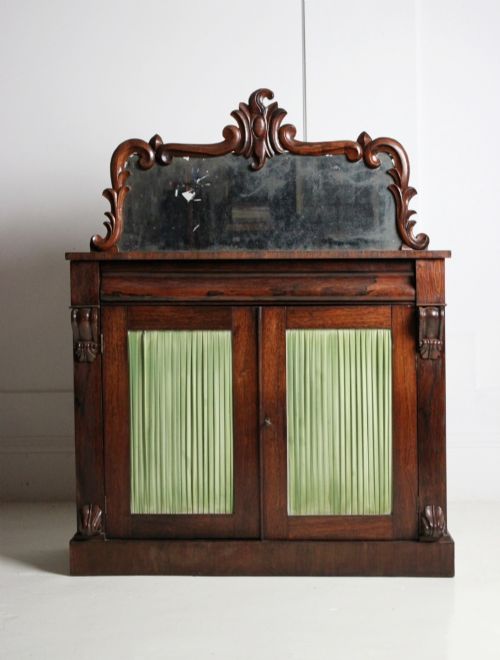
A chiffonier is a compact sideboard developed in the Regency period featuring enclosed lower cupboards and often upper display shelving.
These pieces functioned as versatile serving surfaces and storage units in principal reception rooms.
How do I care for antique wood?
Maintenance requires stable indoor humidity and steady temperatures away from direct heat sources to prevent timber splitting or veneer lifting.
Applying traditional wax polish occasionally preserves the finish and nourishes dry surfaces without forming synthetic build-up.