


Period Furniture Coffer
A period furniture coffer provides solid timber storage rooted in centuries of vernacular craftsmanship, bringing tactile historical depth directly into domestic spaces.
Period Furniture Coffer
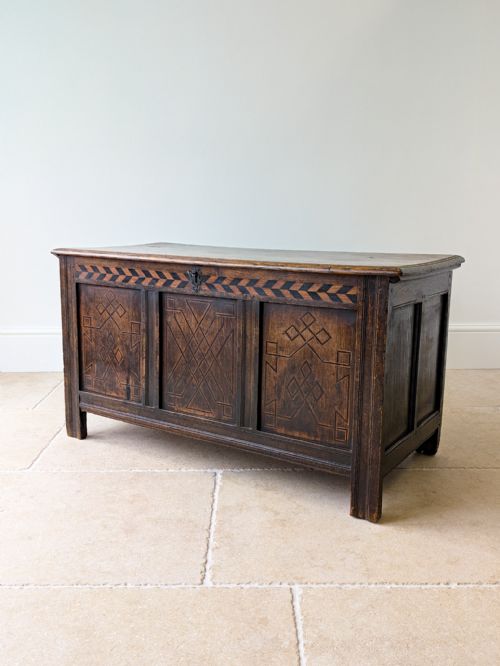
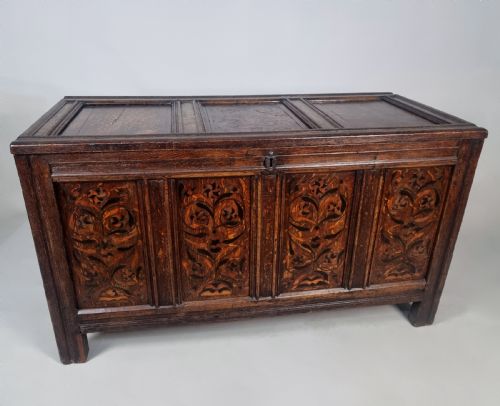
When you search for a period furniture coffer, you encounter sturdy utilitarian vessels primarily constructed from native hardwoods during the sixteenth, seventeenth, and eighteenth centuries. These objects range from simple boarded constructions originating in regional workshops to complex panelled and inlaid examples bearing the stylistic hallmarks of the Jacobean and Charles II eras.
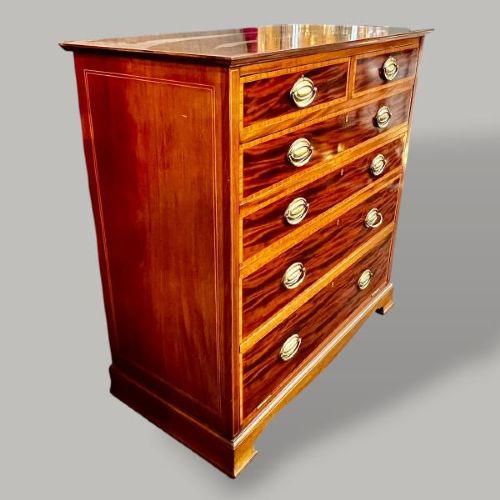
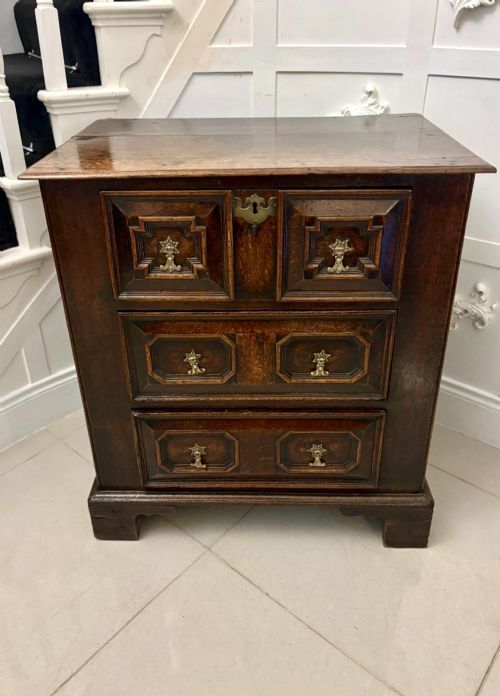
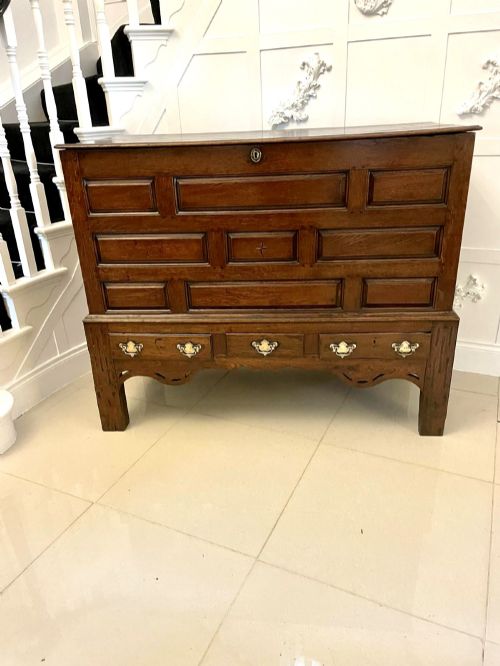
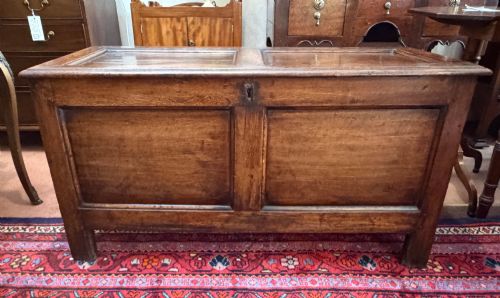
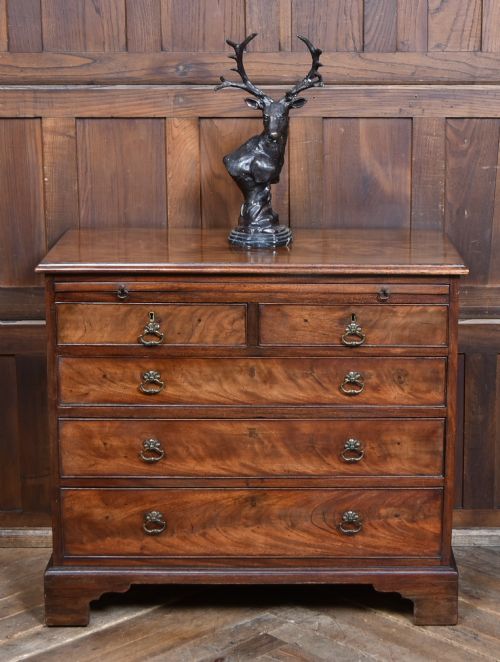
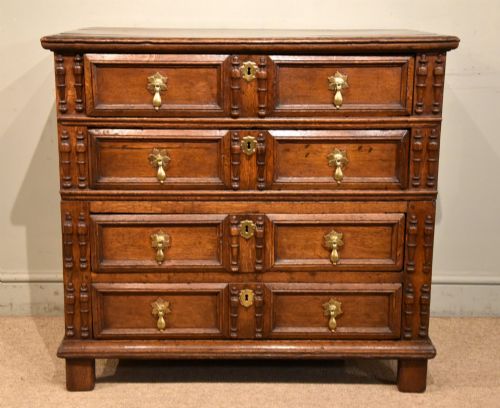
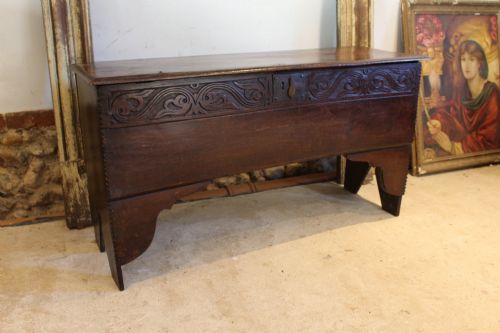
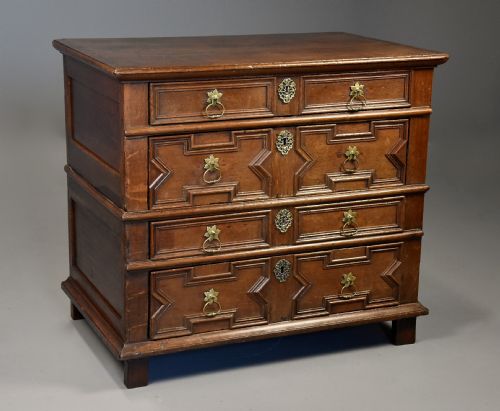
The versions most frequently met on this page span the 17th and 18th centuries, often manifesting as oak panelled coffers, mule chests with lower drawer storage, or smaller boarded receptacles from Welsh and English localities. Alongside these primary storage pieces, related forms such as chests of drawers and grain arks appear to illustrate the broader domestic utility of early cabinetry.
Materials and construction methods
Makers relied principally on solid oak, supplemented by walnut, elm, and mahogany in later Georgian examples, shaping the timber with hand tools to form thick structural panels. Frame and panel construction allowed wood to expand and contract naturally with seasonal humidity changes without splitting the primary structure.
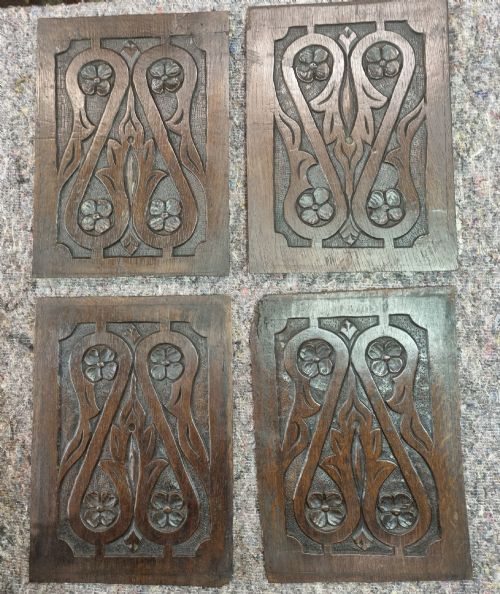
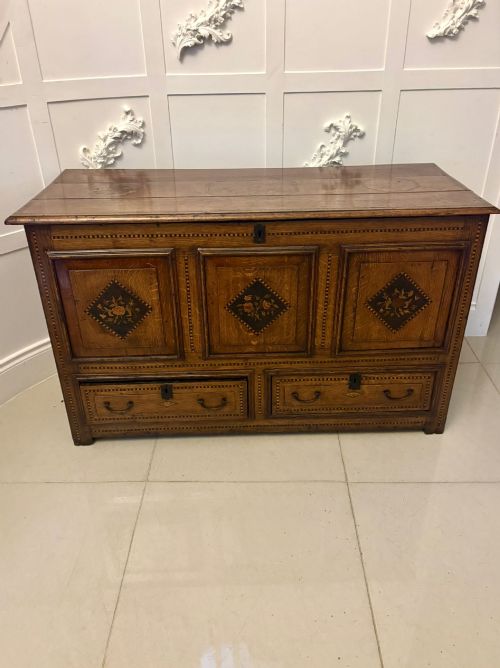
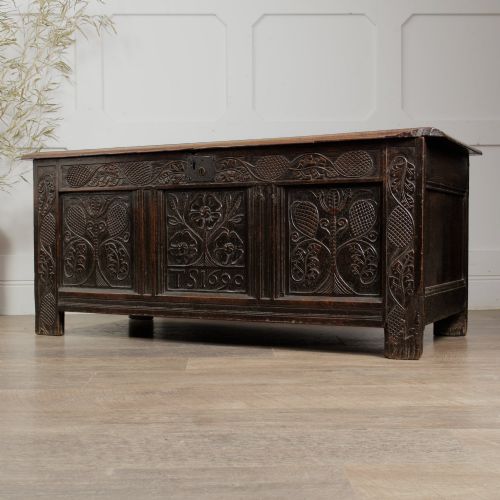
Decoration relied on structural joinery techniques such as moulding, geometric applied fretwork, and carved panels, occasionally enhanced by marquetry inlay using mixed woods. Iron hinges, locks, and brasses completed the functional assembly, securing the heavy lids and access doors.
Period Furniture Coffer Retail Price Guide 2026
Typical asking prices for period furniture coffer among the pieces listed under this phrase on Sellingantiques today, from the lower quarter to the upper quarter. They describe what is for sale here now, not the wider market.
Listings demonstrate a strong presence of 17th-century oak material, alongside regional Welsh pieces and Georgian mahogany iterations.
Distinctions in craftsmanship and survival
Quality separates objects by the integrity of their timber survival and the crispness of surviving hand-carved or geometric decorations. Pieces retaining their original boarded lids, authentic ironwork, and early brasses demonstrate a higher degree of historical completeness than those altered or repaired extensively over centuries.
The sophistication of regional joinery also marks a divergence, moving from simple six-plank vernacular construction to intricate Charles II geometric moulding and complex marquetry inlay. Surface preservation plays a role, with untouched faded patinas indicating minimal harsh stripping by later restorers.
The Period Furniture Coffer Glossary
- Coffer
- A heavy wooden chest traditionally used for storing valuables, documents, or household provisions before fitted closets became common. These sturdy receptacles typically feature hinged lids and often sit directly on the floor or on short stiles.
- Mule chest
- A storage chest fitted with one or more drawers beneath the main internal compartment. This transitional form combines the traditional lift-lid space of a coffer with the accessible drawer storage of a chest of drawers.
- Boarded construction
- A method of joining plain planks edge-to-edge or with simple nailed and pegged joints rather than complex frame and panel joinery. This technique characterises earlier, simpler regional pieces such as Elizabethan boarded coffers.
- Geometric moulding
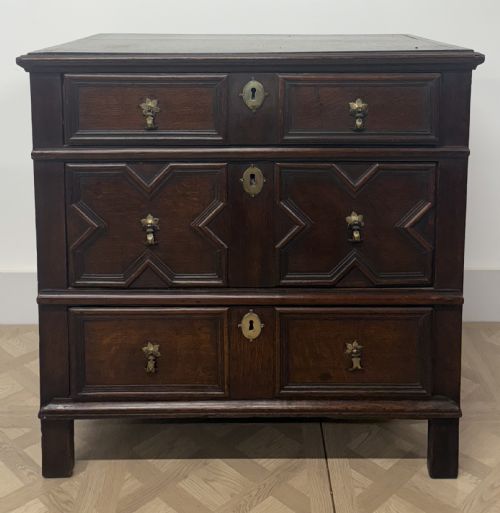
- Applied lengths of moulded timber arranged in repeating rectilinear or polygonal patterns upon drawer fronts and door panels. This decorative technique is particularly associated with the late seventeenth century.
- Patina
- The surface sheen and colour acquired by wood through age, handling, and oxidation over hundreds of years. An undisturbed patina reveals the natural warmth of the grain without heavy modern varnishing.
Period Furniture Coffer: Frequently Asked Questions
What is a period furniture coffer?
A period furniture coffer is a heavy wooden storage chest made primarily from oak during the sixteenth, seventeenth, or eighteenth centuries. These pieces served as secure domestic containers for clothing, valuables, and household goods.
Constructed by regional joiners and carpenters, these chests utilise thick timber panels joined by pegs and framed structures. Their survival offers direct insight into early domestic interiors and utilitarian design.
How were coffers used originally?
Historically, coffers functioned as multi-purpose furniture items in domestic and ecclesiastical settings. People sat on them, used them as tables, and packed them with textiles, silver, or documents.
Because houses lacked built-in wardrobes and cupboards, these portable storage units travelled with families or moved between rooms as needed. The addition of drawers in later mule chests evolved to provide easier access to stored clothing.
How do I live with an antique coffer?
Living with an antique coffer involves placing the heavy wooden chest away from direct heat sources and dramatic humidity fluctuations. These environments protect the ancient timber and historic joinery from drying out or splitting.
They function practically as coffee tables at the foot of a bed, or as hallway storage while adding substantial tactile history to a room. Their robust lids easily support decorative objects or daily items.
How do I tell early periods apart?
Distinguishing periods relies on observing shifts in construction methods, wood choice, and decorative styles from the sixteenth to the eighteenth centuries. Sixteenth-century pieces often employ simple boarded construction, while seventeenth-century examples frequently feature intricate geometric mouldings and pegged frame-and-panel assemblies.
Later eighteenth-century pieces shift toward walnut and mahogany, incorporating cleaner lines or drawer configurations influenced by Georgian cabinetmaking standards.