

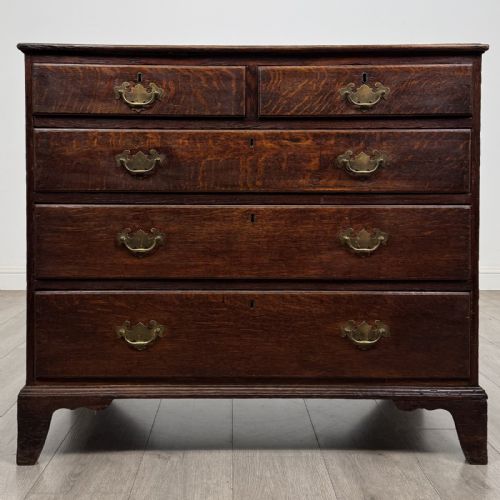
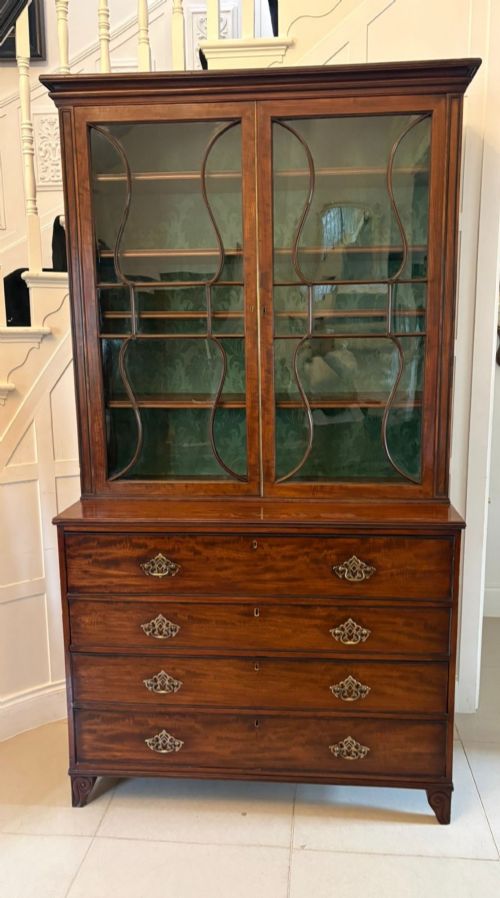
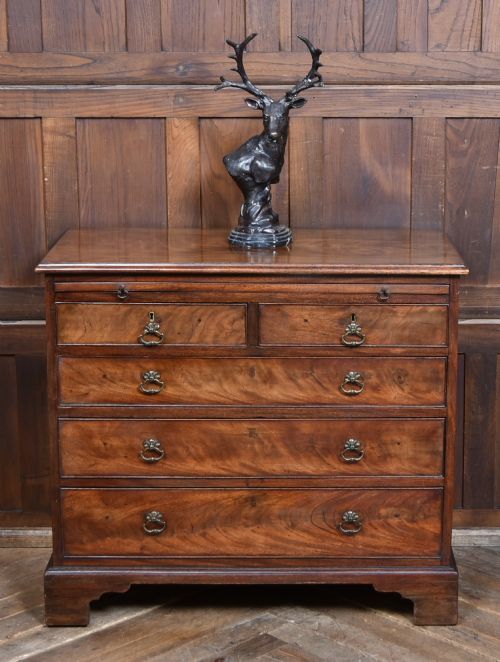
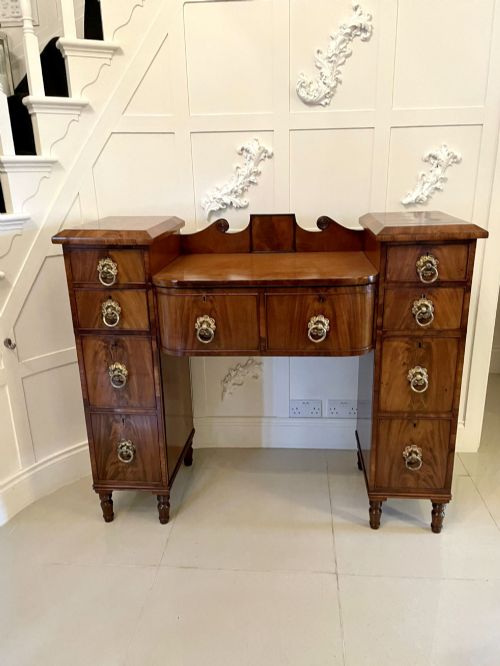


Period Furniture Bureau
Period furniture bureau pieces combine practical writing surfaces with secure drawer storage, offering traditional craftsmanship and rich timber grain for any study.
Period Furniture Bureau
When searching for period furniture bureau, buyers encounter various historical forms designed for correspondence and storage. These pieces bridge the gap between functional desks and enclosed cabinetwork.
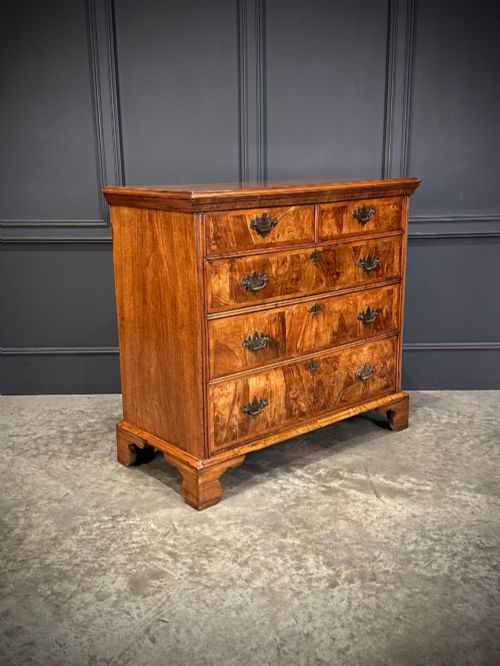
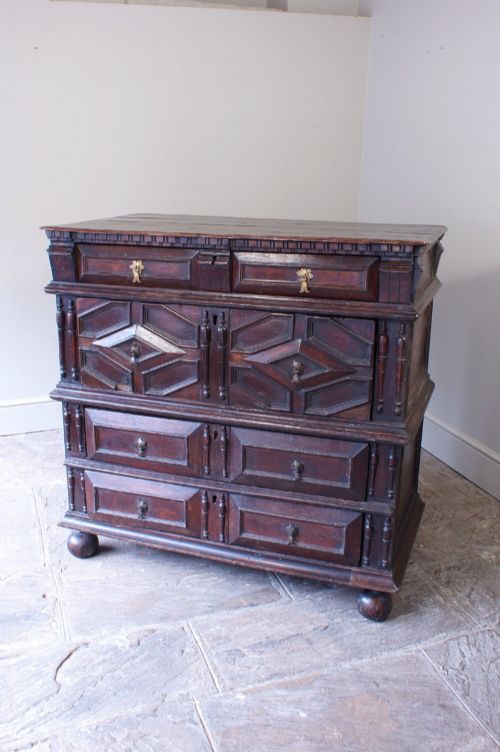
Early specimens include seventeenth-century oak and walnut designs, while eighteenth-century pieces often incorporate fine mahogany or satinwood veneers. Later nineteenth-century iterations bring rosewood and burr walnut into domestic interiors.
How they were made
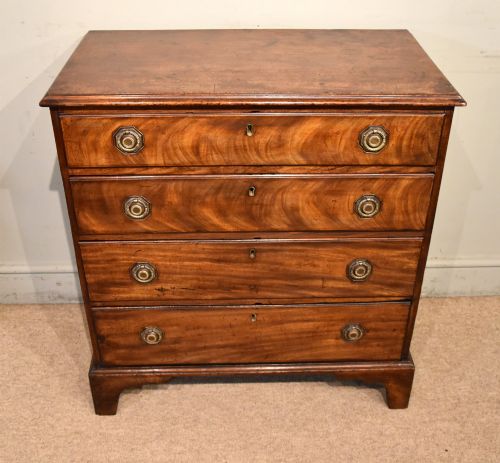
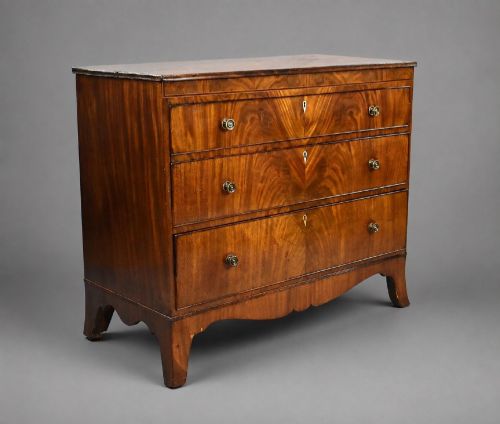
Cabinetmakers utilised solid timbers alongside specialised wood veneers to construct these surfaces. Oak and mahogany provide structural integrity, while walnut and satinwood supply decorative outer layers.
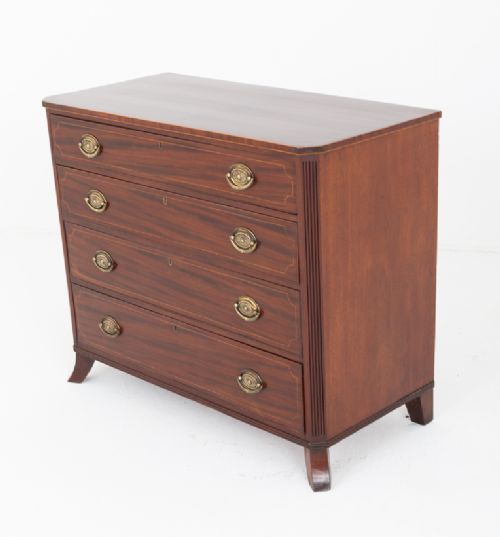
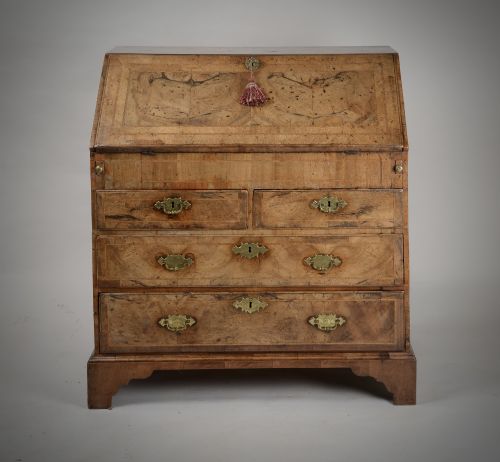
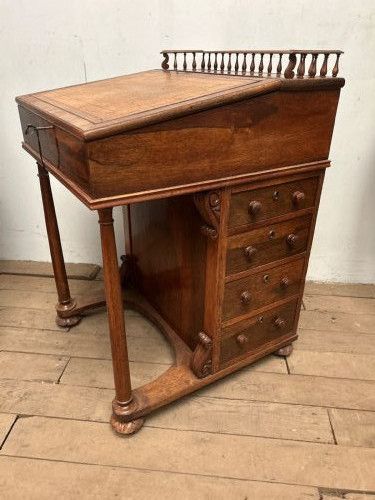
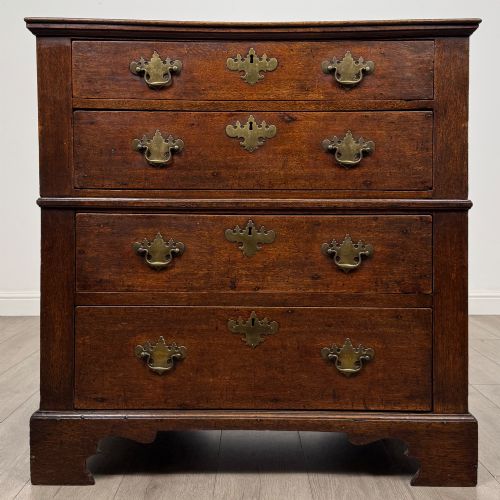
Brass handles, escutcheons, and hinges offer functional contrast to the dark wood tones. Leather writing inserts frequently line the drop-front desks and writing tables.
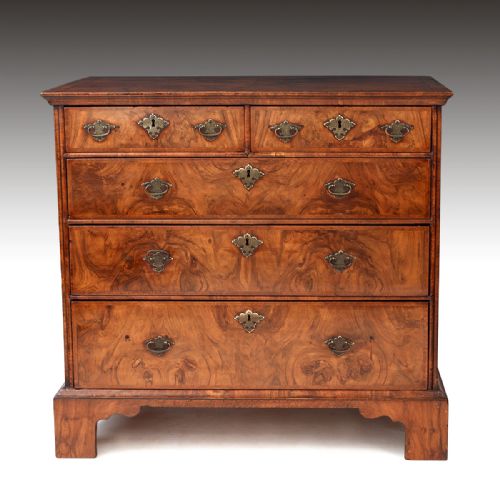
Feather-banded borders and geometric mouldings demonstrate precise joinery techniques across seventeenth and eighteenth-century workshops.
Period Furniture Bureau Retail Price Guide 2026
Typical asking prices for period furniture bureau among the pieces listed under this phrase on Sellingantiques today, from the lower quarter to the upper quarter. They describe what is for sale here now, not the wider market.
Seventeenth-century makers hid secret compartments inside writing desks, ensuring that love letters remained safe from curious household staff.
What varies in quality
The choice of primary timber and secondary wood sets the baseline for construction integrity. Fine walnut and figured mahogany command attention through the depth of their natural grain patterns.
Hardware selection and decorative banding reveal the original maker's investment of time. Original brass handles and precise feather-banding elevate a piece above standard utility items.
The survival of original surface finishes and patination dictates the historical integrity of each item.
Gillows·George Faulkner Armitage
The Period Furniture Bureau Glossary
- Bureau
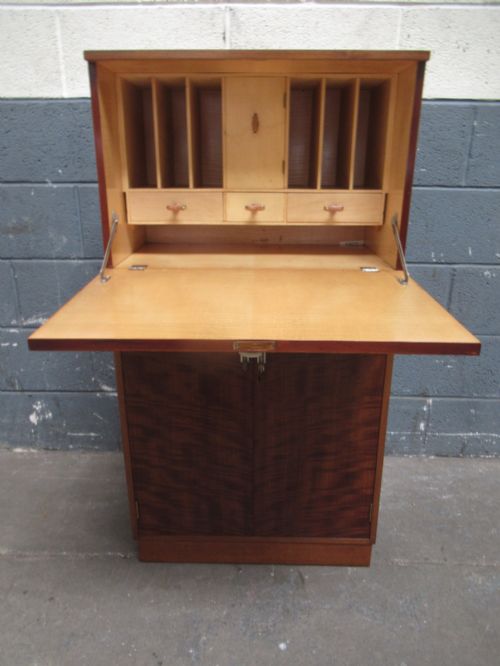
- A desk with a sloping hinged lid that covers a fitted interior of pigeonholes and small drawers. This form evolved from earlier writing cabinets and chest designs.
- Escutcheon
- A protective plate surrounding a keyhole. These hardware elements often feature cast brass and provide stylistic dating clues.
- Feather-banding
- Inlaid banding formed by cutting veneers diagonally to create a herringbone pattern. It frames drawer fronts and top surfaces on walnut furniture.
- Secretaire
- A piece of furniture containing a writing drawer or drop-front compartment disguised as a standard drawer chest. It conceals pigeonholes and small storage spaces.
Period Furniture Bureau: Frequently Asked Questions
How do I date a bureau?
Dating relies on examining the timber species, construction methods, and hardware styles. Seventeenth-century pieces typically feature heavy oak with geometric mouldings, while eighteenth-century examples utilise refined walnut or mahogany.
Secondary woods inside drawers and the profile of brass handles offer further clues to the exact period of manufacture.
Where should I place a bureau?
These pieces suit studies, living rooms, or hallways where their compact footprint and fold-down writing surface remain accessible. Placing them away from direct sunlight protects delicate wood veneers and leather inserts.
Allowance must be made for the clearance of the drop-front lid when measuring available floor space.
How do I care for timber surfaces?
Maintenance requires regular dusting with a soft cloth and the occasional application of traditional beeswax to nourish the wood. Avoiding excessive moisture and heat prevents veneer lifting and timber warping.
Gentle care preserves the natural patination built up over centuries of domestic use.