

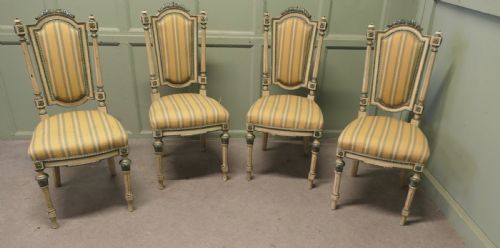
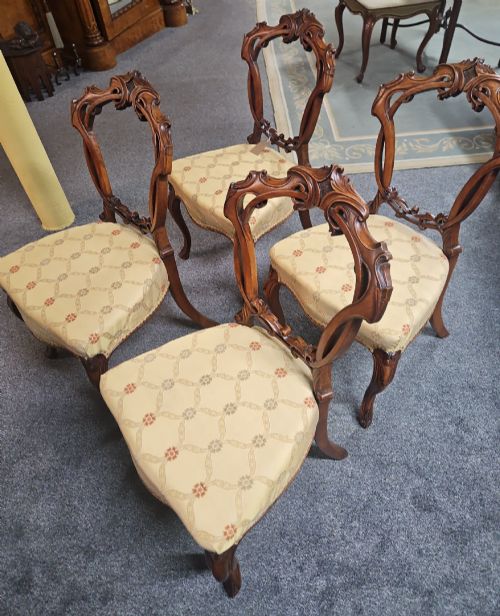
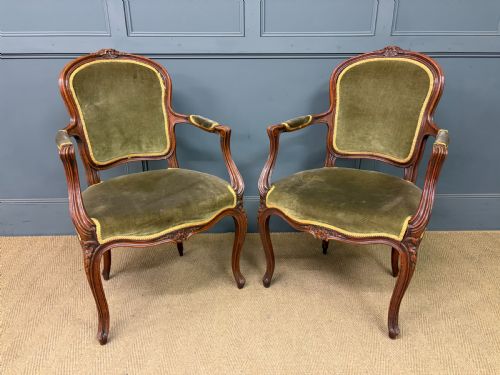
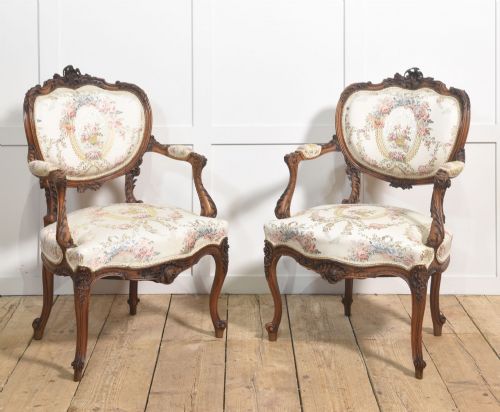
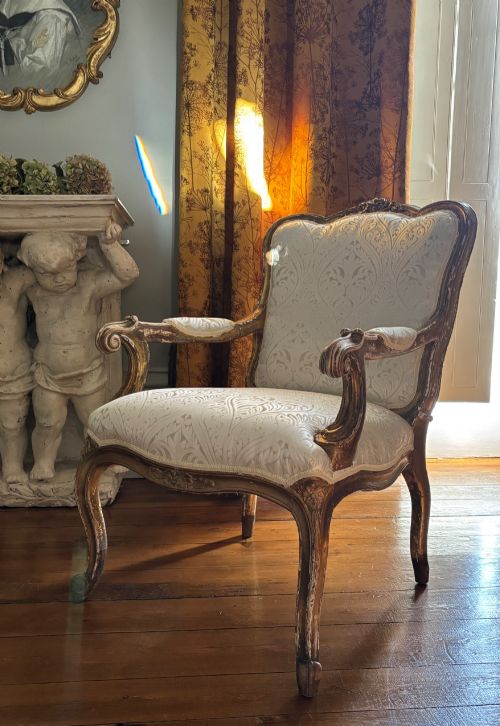
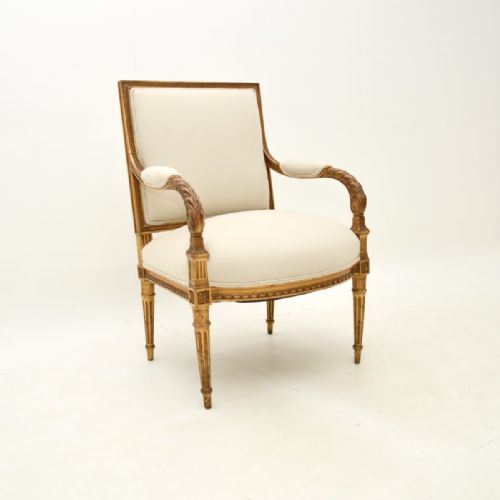
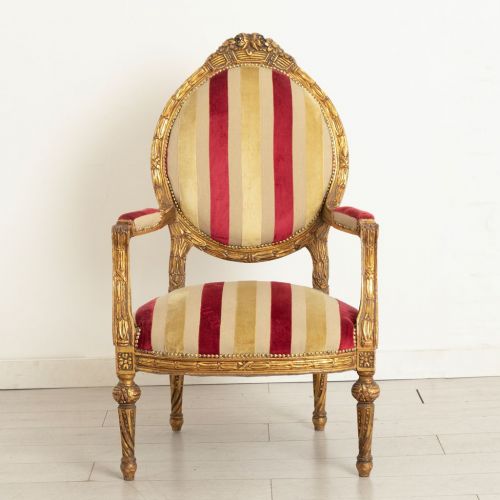


Period French Salon Chairs
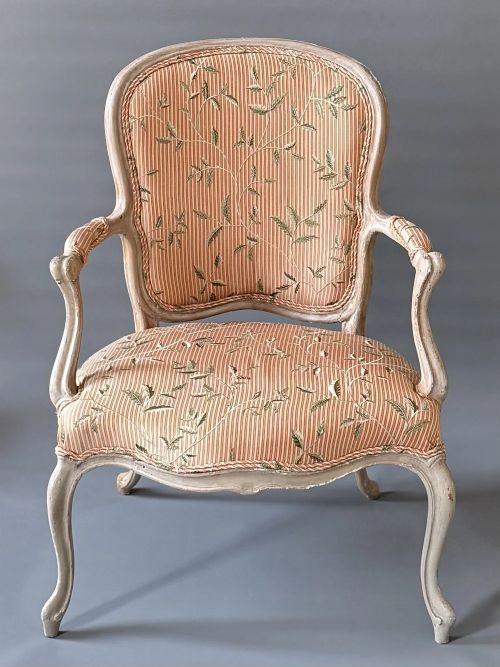
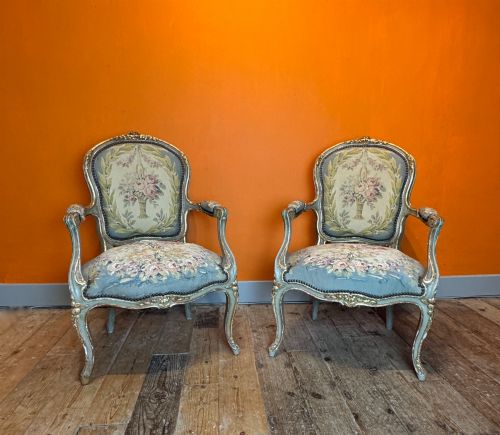
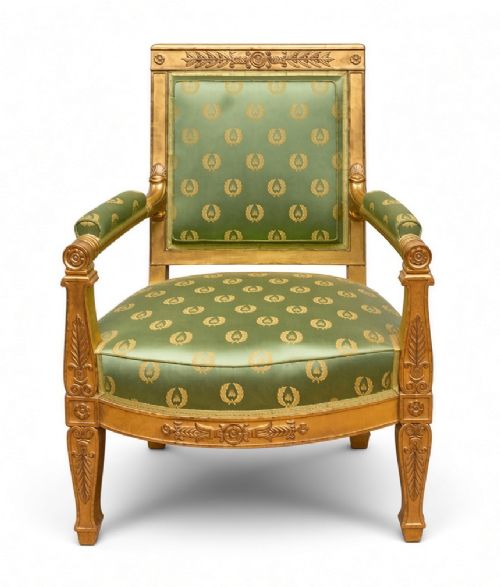
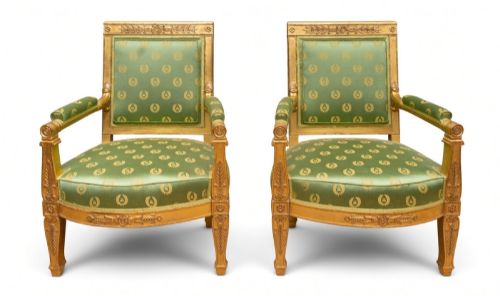
Period french salon chairs offer grand seating carved in walnut, beech and giltwood, bringing formal European elegance straight to a formal room.
Period French Salon Chairs
When you search for period french salon chairs, you encounter seating designed for formal reception rooms across centuries of European history. The selection here spans walnut, beech, and mahogany frames, dressed in textiles, tapestry, and fabric upholstery.
You will meet armchairs, side chairs, and larger salon suites spanning the eighteenth century through to the early twentieth century. Many examples follow classical revivals, including Louis XVI style, Louis XV revival, and Victorian Rococo revival designs.
The assortment ranges from single giltwood fauteuils to matched sets of four chairs, alongside paired bergères and occasional sofas. These pieces reflect diverse production dates, from the 1800 Restauration era up to 1920s interpretations.
How they were made
Frames rely on solid hardwoods such as beech, walnut, and mahogany, shaped through traditional joinery and detailed hand carving. Gilding is applied to wood surfaces using gold leaf or paint finishes, sometimes highlighted with parcel gilt details.
Upholstery incorporates traditional stuffing methods secured within textiles, tapestries, and patterned fabrics. Brass tacks and careful stitching often anchor the fabric tightly to the carved wooden frames of armchairs and side chairs.
Listings feature items from the eighteenth century, the Victorian era, and the early twentieth century up to 1920.
What varies in quality
The refinement of the hand carving on the wooden frames separates standard seating from exceptional examples. Crisp details on acanthus leaves, floral motifs, and fluted legs demonstrate superior workshop execution.
The integrity of the original giltwood or painted finish and the authenticity of the textile or tapestry upholstery dictate the overall standard. Pieces retaining their historic gilding and period fabric command greater attention from collectors.
Jacob Desmalter·Blaise Maucuy
The Period French Salon Chairs Glossary
- Fauteuil
- An open-framed upholstered armchair with wooden arms, originating in France. These chairs feature padded armrests and exposed carved wooden structures.
- Bergère
- An enclosed upholstered armchair with closed sides padded and upholstered to match the back. They often include a loose seat cushion inside the wooden frame.
- Giltwood
- Timber coated with gold leaf or a gold-coloured finish. This treatment was widely applied to formal salon seating during royal and revival periods.
- Restauration
- A French decorative arts period spanning the early nineteenth century. Furniture from this era balances neoclassical restraint with comfortable proportions.
- Tapestry
- A heavy hand-woven textile featuring pictorial or decorative designs. Historic salon chairs frequently utilise tapestry for durable and ornate seat covers.
Period French Salon Chairs: Frequently Asked Questions
What is a fauteuil?
A fauteuil is an open-arm upholstered chair designed for formal reception rooms. The wooden frame remains visible, featuring carved details along the arms, legs, and back rail.
These seats were intended for comfortable socialising while displaying the craftsmanship of the cabinetmaker. They form the core of most traditional French salon seating arrangements.
How do I care for giltwood furniture?
Giltwood surfaces require gentle dusting with a soft, dry cloth to protect the delicate gold leaf application. Avoid liquid cleaners, harsh chemicals, and direct sunlight, which can damage the historic finish.
Position these chairs away from heat sources to prevent the underlying wood from drying out or cracking over time.
Are these chairs comfortable for daily use?
Most period salon chairs were built for formal entertaining rather than relaxed lounging. Their upright backs and structured proportions encourage a formal posture.
Original padding may feel firmer than modern upholstery. Buyers planning daily seating often appreciate their supportive structure and historic ergonomics.
How do I identify a revival style?
Revival pieces imitate the furniture forms of earlier royal reigns, such as the Louis XVI style produced during the nineteenth or early twentieth century. Look closely at the wood ageing, construction joints, and fastener types to distinguish nineteenth-century interpretations from eighteenth-century originals.
Makers during the Victorian and Edwardian eras frequently adopted these classical French motifs for grand domestic interiors.