




Period Framed Prints
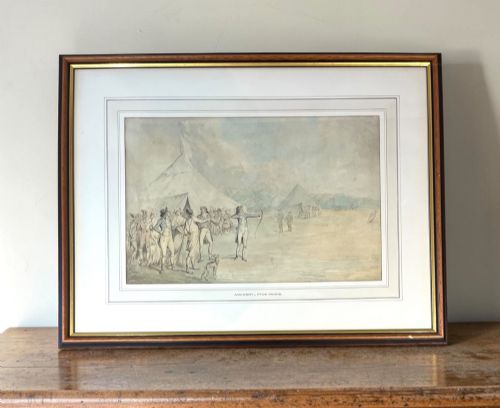
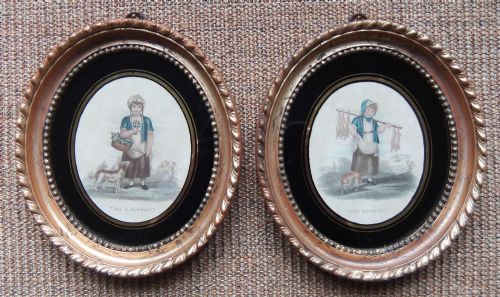
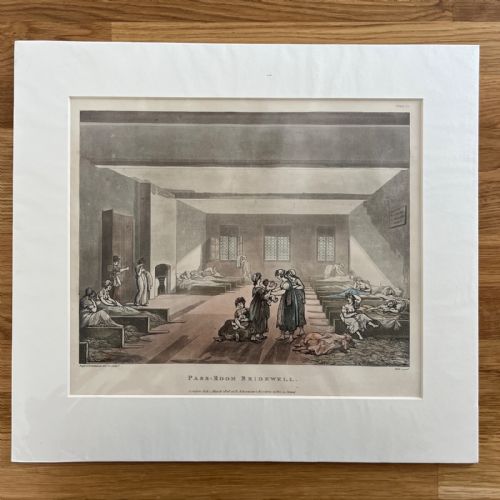
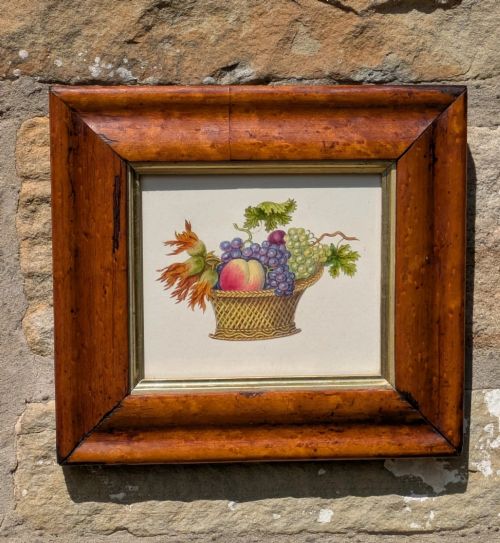
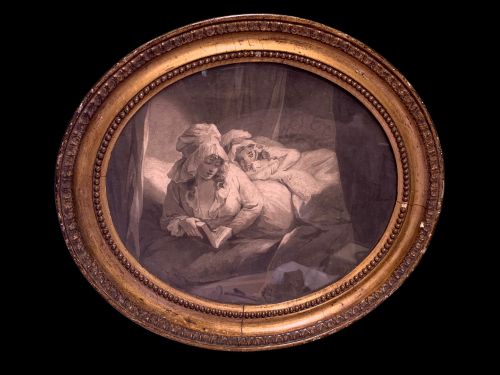
Period framed prints capture historic images secured in their original enclosures, bringing centuries of graphic artistry directly to the wall.
Period Framed Prints
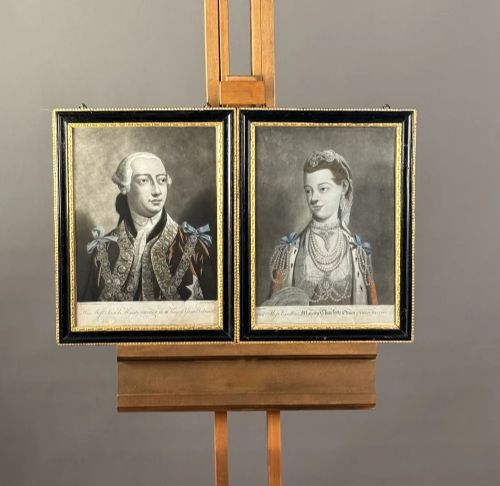
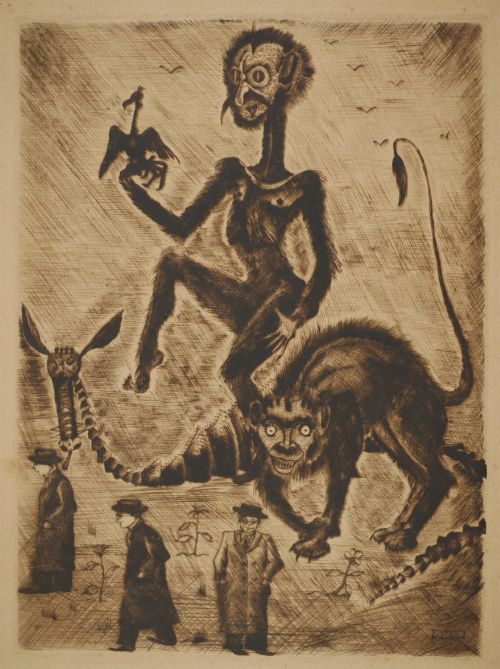
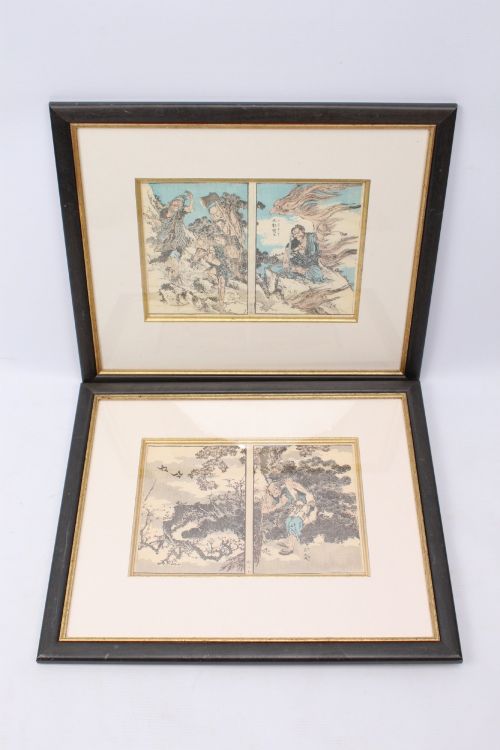
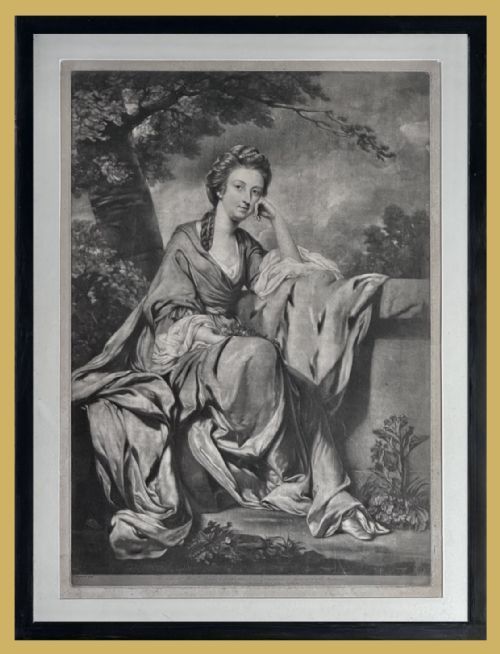
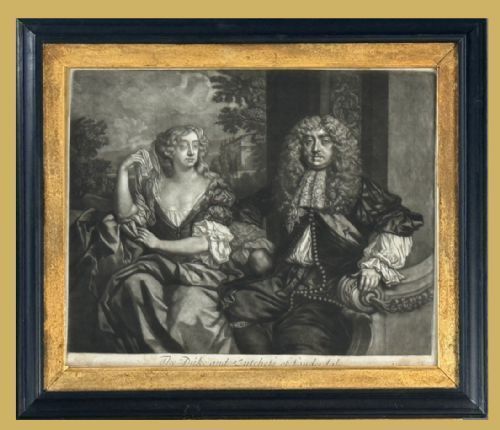
When you search for period framed prints, you encounter a diverse array of historic wall art spanning multiple centuries, from seventeenth-century royal mezzotints to nineteenth-century Japanese woodblock prints and twentieth-century etchings. The selection includes engravings, watercolours, reverse glass prints, and lithographs housed in contemporary or period-appropriate frames made of wood, giltwood, and rosewood.
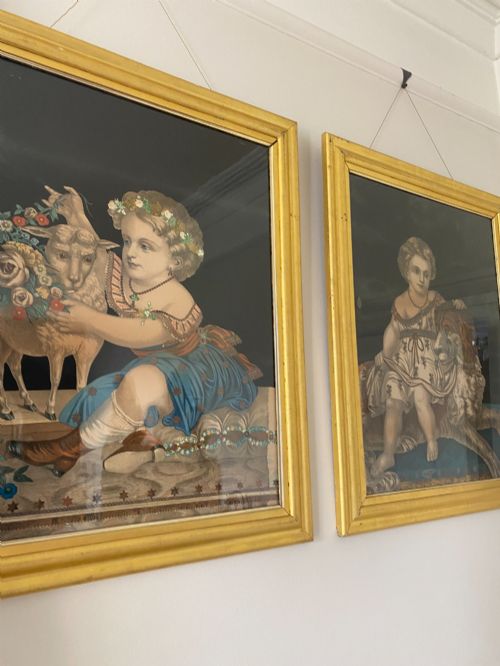
The sixteenth, seventeenth, and eighteenth centuries are represented by detailed mezzotints and engravings depicting royalty and historical figures, often set within walnut or gilt frames. Regency and Victorian examples introduce hand-coloured botanical or figural subjects, alongside chrystoleums and academic life studies.
Japanese art forms also appear frequently, featuring Edo period woodblock prints by masters such as Hokusai, Kunisada, and Utamaro, complete with silk brocade mounts and dedicated frames. Twentieth-century additions include travel posters, art deco engravings, and dated etchings that demonstrate the enduring tradition of framing works on paper.
Materials and Techniques
The physical objects rely on paper substrates inscribed with ink, watercolour, or gold leaf, mounted behind glass to protect the delicate media. Wood and giltwood provide the structural integrity for the enclosing frames, occasionally incorporating metal embellishments or silk brocade mounts.
Printmakers utilised techniques such as mezzotint, etching, and woodblock carving to transfer images, while artists applied hand-colouring directly to printed outlines using water-based pigments. Reverse glass prints required painting directly onto the reverse side of the glass panel, creating a distinct glossy surface finish.
Period Framed Prints Retail Price Guide 2026
Typical asking prices for period framed prints among the pieces listed under this phrase on Sellingantiques today, from the lower quarter to the upper quarter. They describe what is for sale here now, not the wider market.
Listings incorporate paper, glass, wood, gilt wood, ink, giltwood, watercolour, and gold leaf across multiple centuries.
Variations in Quality
The distinction between tiers rests upon the fidelity of the print impression, the skill evident in hand-colouring or engraving work, and the preservation of the paper support. Superior examples retain crisp ink lines, vibrant pigments, and minimal toning or foxing across the surface.
Framing standards contribute significantly to the overall character, with original gilt wood, walnut, and rosewood enclosures providing a cohesive historical context. Pieces featuring documented makers, identifiable publishers, or traditional mounting materials generally reflect higher production standards.
Thomas Frye·Richard Purcell·Edward Fisher·Sir Joshua Reynolds·John Smith·Thomas Murray·Hokusai·Katsukawa Shunshō·Robert Williams·Sir Peter Lely·George Romney·Henry Arthur Roberts·Kitagawa Utamaro·Van Dyck·Kunisada·Edith E Caswall·B Kaufmann·John Boydell·Adam Buck·H Singleton·Albert Terry·Henry Corbould·Henry William Bunbury
The Period Framed Prints Glossary
- Mezzotint
- A printmaking process where the copper plate is roughened to achieve rich dark tones and subtle gradations of light. This technique was widely utilised for eighteenth-century portraiture.
- Woodblock print
- An artistic method of carving an image into a wooden block, applying ink, and pressing it onto paper. Japanese Ukiyo-e practitioners mastered this process during the Edo period.
- Reverse glass print
- An image painted or transferred directly onto the back of a glass panel, viewed from the front to produce a luminous sheen. Georgian examples demonstrate this decorative method.
- Chrystoleum
- A Victorian technique where a coloured print is made transparent, pasted to glass, hand-painted from behind, and mounted in a frame. This process creates a convincing illusion of an oil painting.
- Etching
- A graphic technique where acid bites into unprotected areas of a metal plate to hold ink for printing. Artists used this method to produce detailed lines on paper.
Period Framed Prints: Frequently Asked Questions
How do I hang antique framed prints?
Hang these works away from direct sunlight and high moisture to protect the paper, ink, and original wooden frames from degradation.
Use professional picture hooks suited to the weight of the giltwood or rosewood frame to ensure stable wall mounting.
What is a reverse glass print?
A reverse glass print involves applying an image directly to the rear surface of a glass panel rather than onto paper.
This technique creates a distinct reflective sheen when viewed from the front, popular during the Georgian period.
How are Japanese woodblock prints mounted?
Japanese woodblock prints often incorporate traditional materials such as silk brocade mounts alongside specialised wooden frames.
These elements complement the delicate paper substrate typical of Edo period Ukiyo-e artworks.
Are period frames original to the prints?
Many listings feature period-appropriate enclosures, such as eighteenth-century walnut frames or nineteenth-century gilt wood structures, matched to the era of the artwork.
Examining the joinery and materials helps identify whether the frame dates to the same period as the print inside.