

Period Female Portrait
When searching for a period female portrait, buyers encounter oil paintings, pastels and watercolours depicting women across centuries of European artistry.
Period Female Portrait
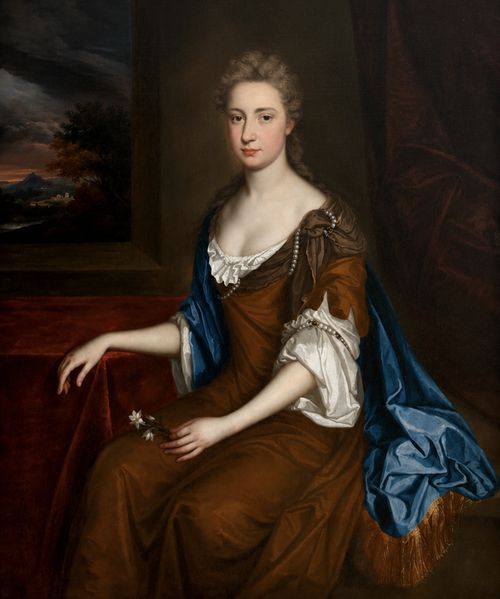
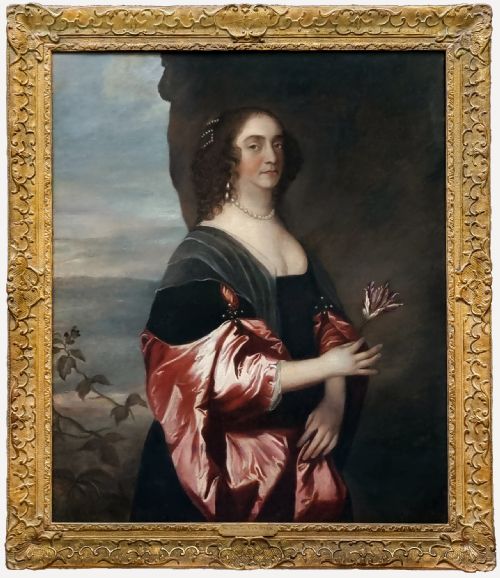
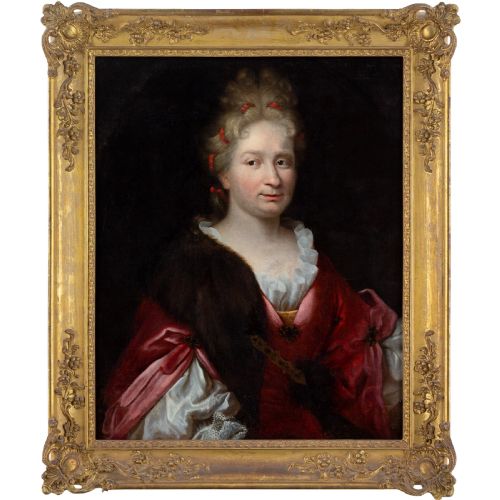
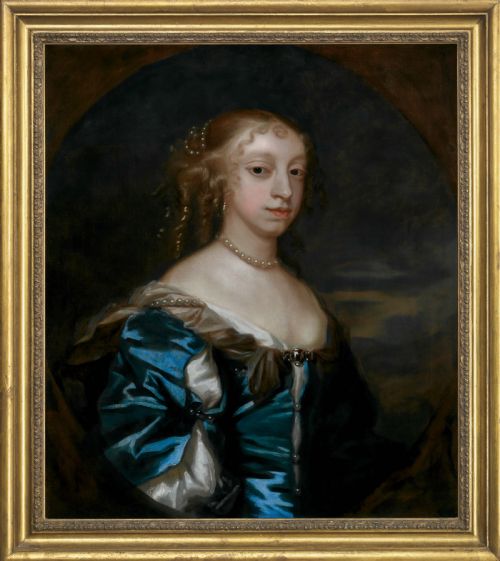
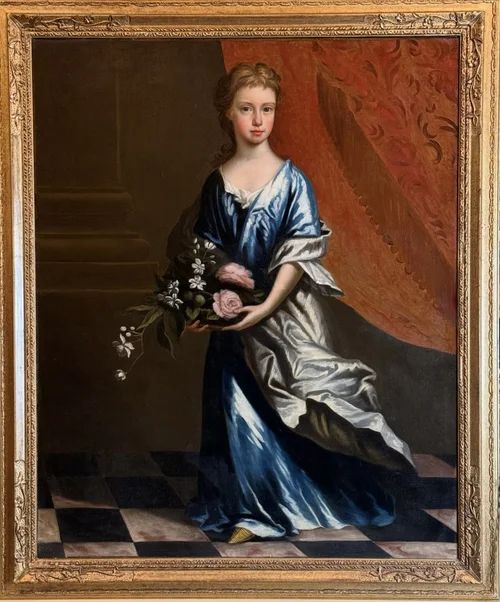
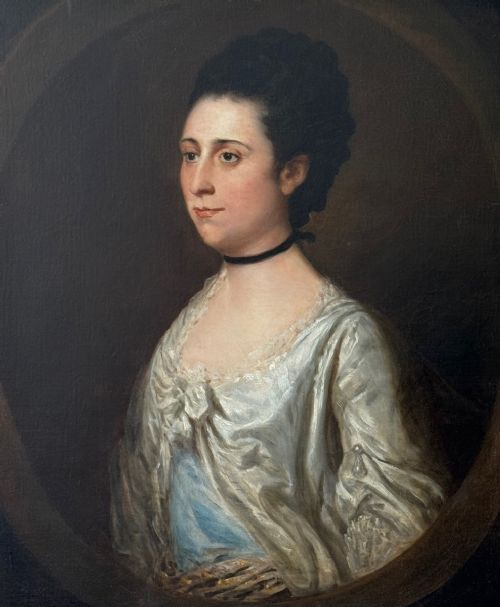
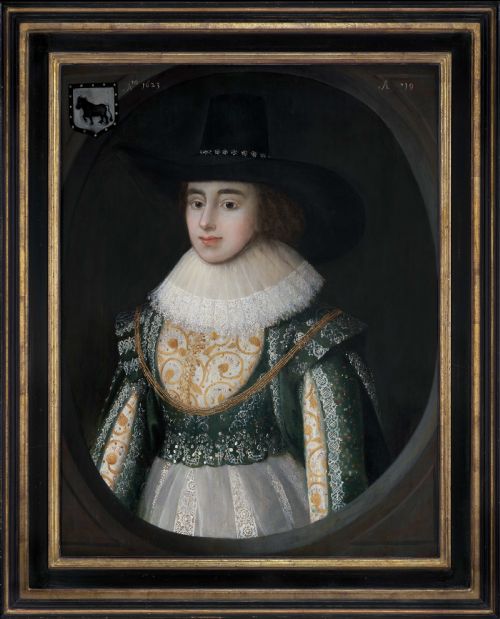
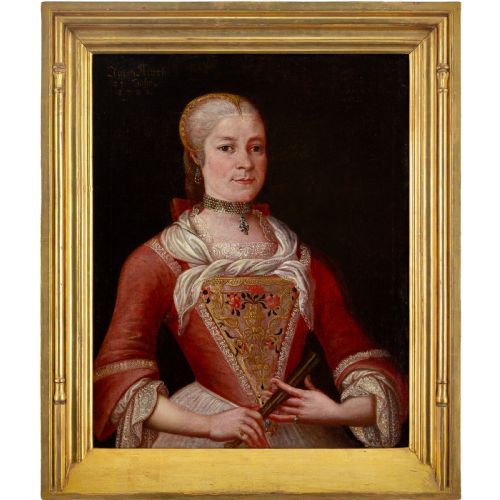
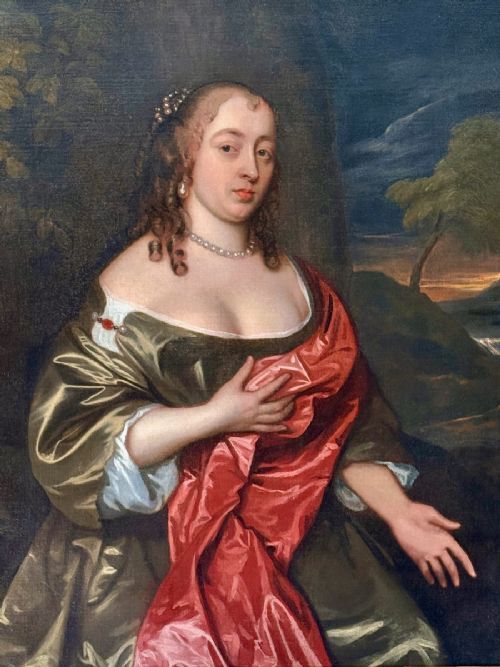
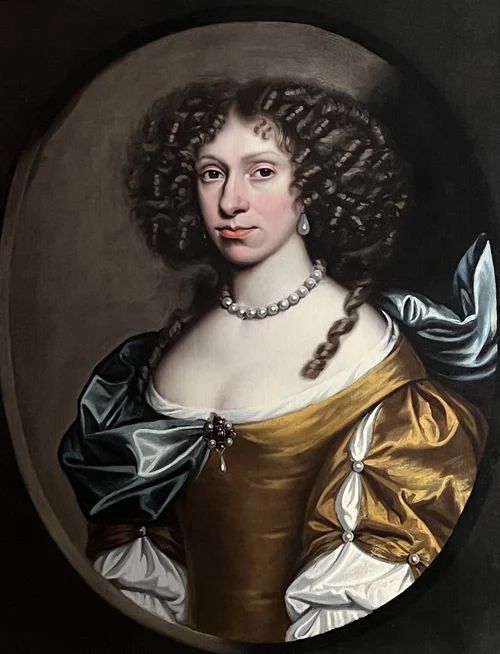
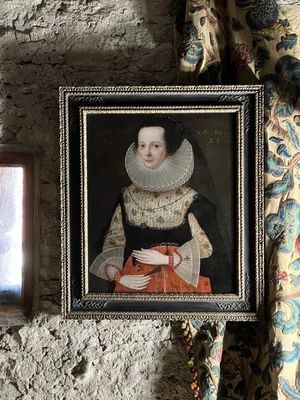
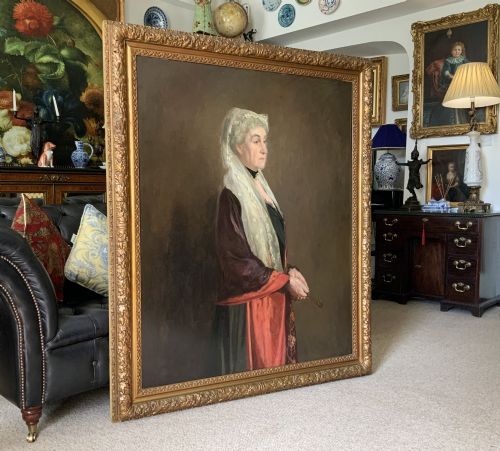
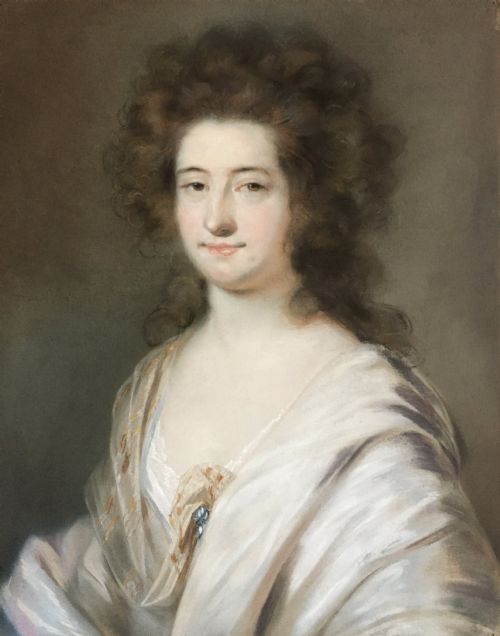
A period female portrait captures women of nobility, society and family across the seventeenth, eighteenth and nineteenth centuries. These works record sitters in elaborate costume, lace, satin dresses and jewels, reflecting the social standing of the subjects.
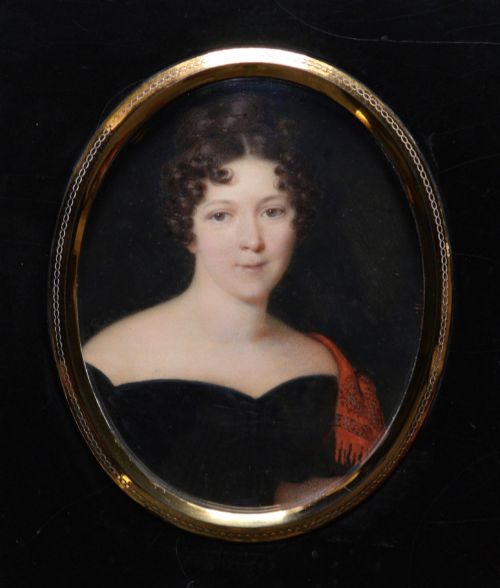
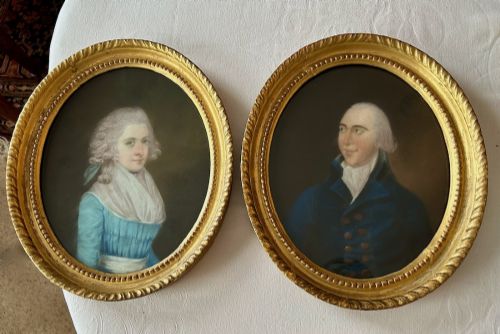
Most examples found here take the form of oil paintings on canvas or panel, alongside delicate pastel portraits and watercolour miniatures. The selection spans distinct eras including the Jacobean period, Georgian era, Regency period and Victorian times.
Makers and schools represented range from seventeenth-century English and Dutch old masters to nineteenth-century academic painters. Buyers encounter both formal commissioned aristocratic likenesses and intimate studies of young ladies.
How they were made
These works rely primarily on oil paint applied to stretched canvas or wooden panels, utilising pigments built up in glazes to render fabric textures and skin tones. Pastel portraits on paper capture softer details through compressed pigment sticks, often protected behind glass.
Framing forms an integral part of the construction, with many pieces housed in period giltwood, Hogarth or ornate wooden frames. Watercolour and gouache miniatures employ fine brushwork on paper, mounted closely to preserve delicate pigments.
The listings span the seventeenth, eighteenth and nineteenth centuries, featuring materials such as oil on canvas, pastel, watercolour and giltwood.
What varies in quality
The standard of execution in a period female portrait depends on the confidence of the brushwork and the anatomical precision of the hands, face and drapery. Studio output often differs from fully signed master works in the subtlety of expression and depth of background detail.
The integrity of the original surface and the survival of the contemporary frame influence the character of each piece. Retaining untouched paint layers and period mounting elevates the historical weight of the portrait.
John Hayls·David Scougall·Pierre Mignard·Thomas Beach·Sir Thomas Lawrence·Jeremiah Davison·Cornelius Johnson·Henry Pickering·Sir Anthony Van Dyck·Allan Ramsay·John Greenhill·Nicolaes Maes·Sir Godfrey Kneller·John Robert Dicksee·Pierre Gobert·John Raphael Smith·Emma Kendrick·F Winterhalter
The Period Female Portrait Glossary
- Oil on canvas
- Pigment mixed with drying oil applied to a woven fabric support. This technique allowed artists to create rich tones and smooth transitions in clothing and flesh.
- Giltwood
- Wood carved and coated with a thin layer of gold leaf. Frames finished this way complement the status of aristocratic sitters.
- Panel painting
- An artwork created on a solid wooden support rather than fabric. Earlier centuries favoured this method for its stability.
- Miniature
- A small-scale portrait designed for intimate viewing or personal carriage. These require exceptional precision due to their reduced dimensions.
Period Female Portrait: Frequently Asked Questions
How do I identify the century of a portrait?
Clothing styles, hairstyles and collars provide the clearest indicators for dating a canvas. Sitters from the seventeenth century typically wear stiff lace ruffs or formal drapery, while eighteenth-century subjects appear in powdered hair and silk gowns.
Frame construction and canvas preparation also offer clues, though framing often changed during subsequent restorations.
What is the difference between oil and pastel portraits?
Oil paintings utilise pigment suspended in drying oil on canvas or panel, offering deep, durable colours with high gloss potential. Pastels consist of dry pigment sticks applied to paper, yielding a soft, powdery texture that requires glass protection.
Oils generally withstand environmental shifts better than fragile pastel works on paper.
How should I care for antique portrait paintings?
Display these works away from direct sunlight and fluctuating heat sources to prevent canvas warping and pigment fading. Keep humidity stable in the room to protect both wooden panels and delicate paper supports.
Dust frames gently with a dry cloth and avoid touching the painted surface directly.
Why are some portraits attributed to followers or circles?
Attributions to a circle or follower indicate that an artist worked closely within the style or workshop of a master without the painting being documented as an autograph primary work. These pieces reflect the prevailing aesthetic of prominent painters like Van Dyck or Kneller.
Such works often demonstrate high technical skill from contemporaries whose individual names were lost to time.