
Original Victorian Portrait
Discover original victorian portrait pieces capturing nineteenth-century character through hand-painted oils and delicate watercolours.
Original Victorian Portrait
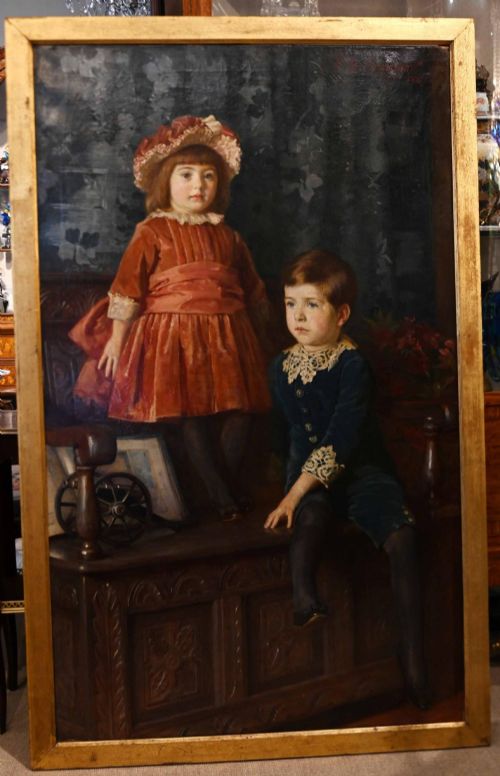
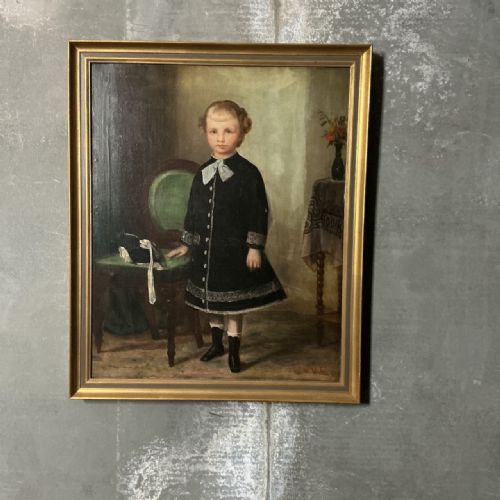
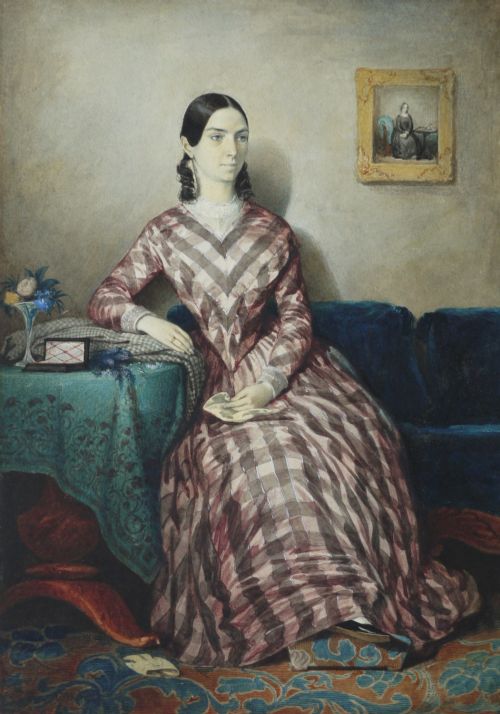
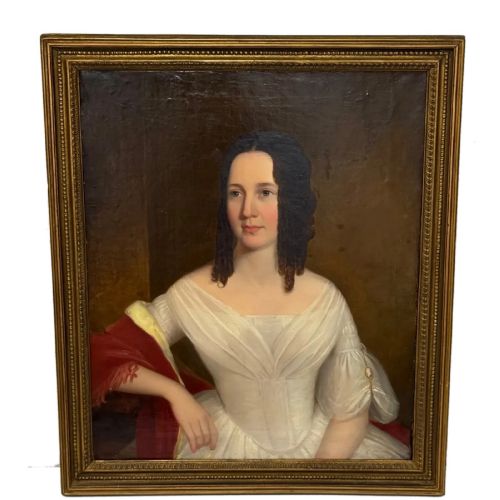
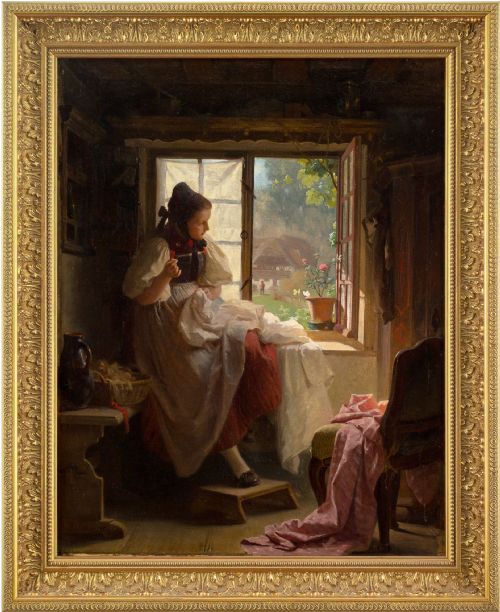
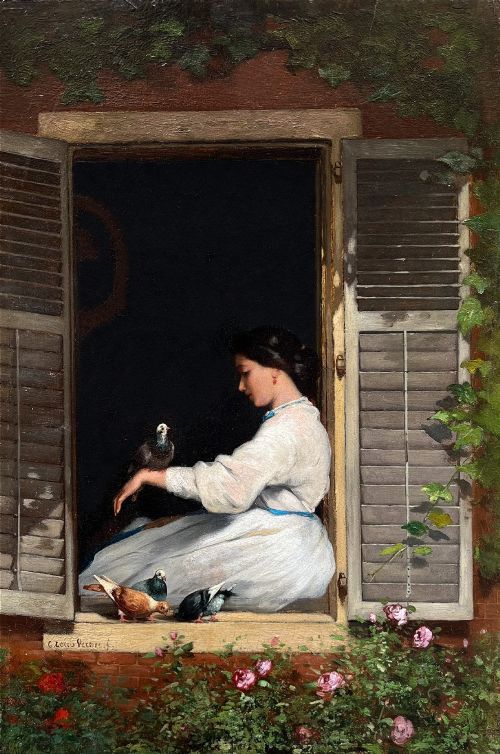
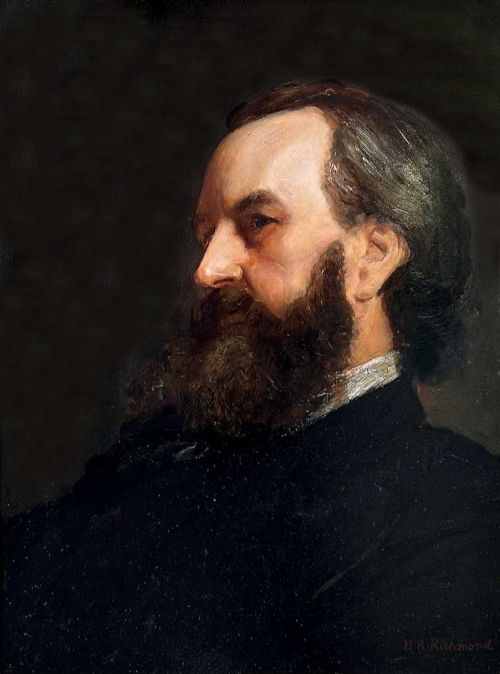
Original victorian portrait works encompass painted and drawn representations of individuals created during the nineteenth century. Buyers encounter depictions of gentlemen, ladies, children, and historical figures rendered with academic precision or intimate domestic charm.
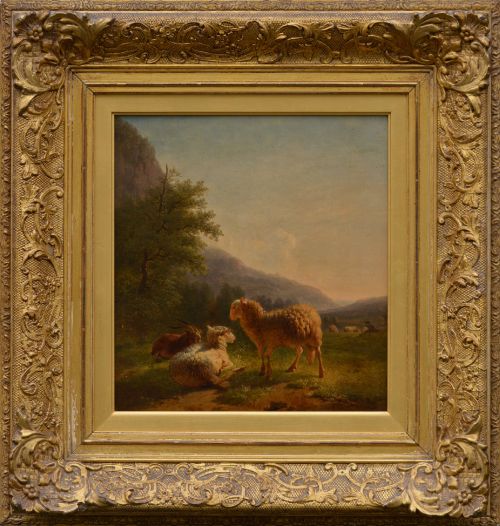
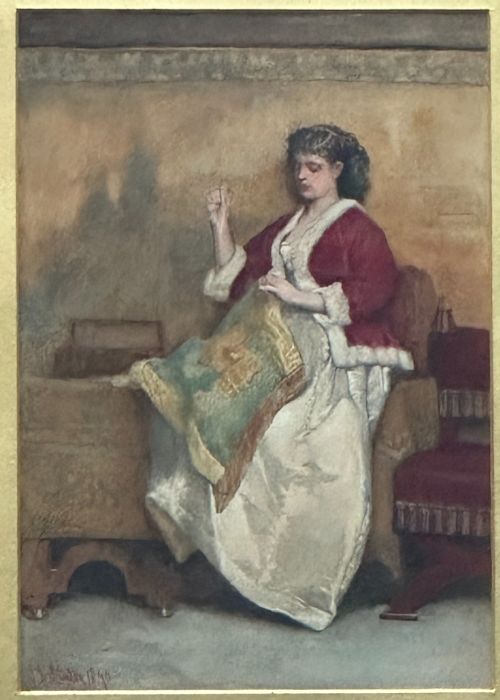
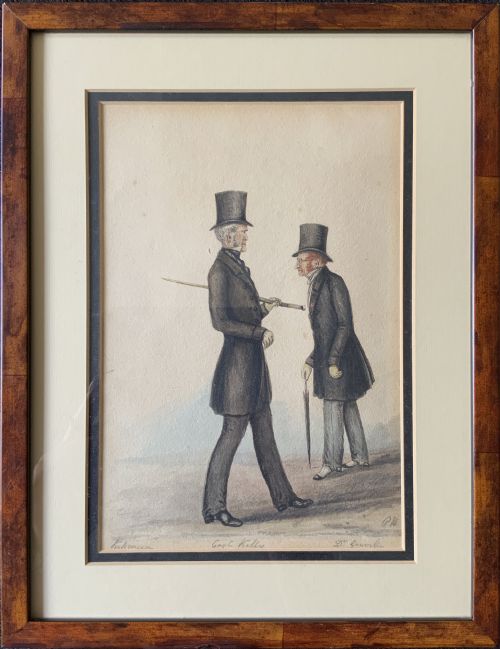
The selections on this page frequently manifest as oil paintings on canvas or wood panel, alongside delicate watercolour and pencil studies on paper. Many retain their period framing, offering a complete historical artefact for interior display.
The scope extends from formal commissioned likenesses to informal genre studies and miniature paintings framed in tortoiseshell or brass. These pieces reflect the era's profound interest in individual identity and psychological depth.
How They Were Made
Artists of the period utilised oil paint on stretched canvas, wooden panels, or salvaged supports, building rich layers of pigment to achieve realistic flesh tones and fabric textures. Watercolours were applied to paper with fine brushes, often heightened with gum arabic for luminosity.
Drawings relied on graphite, charcoal, or pastel applied to tinted or textured papers to capture immediate facial expressions and lighting effects. Framing typically involved hand-carved giltwood or ebonised timber, sometimes protected behind convex glass for miniature formats.
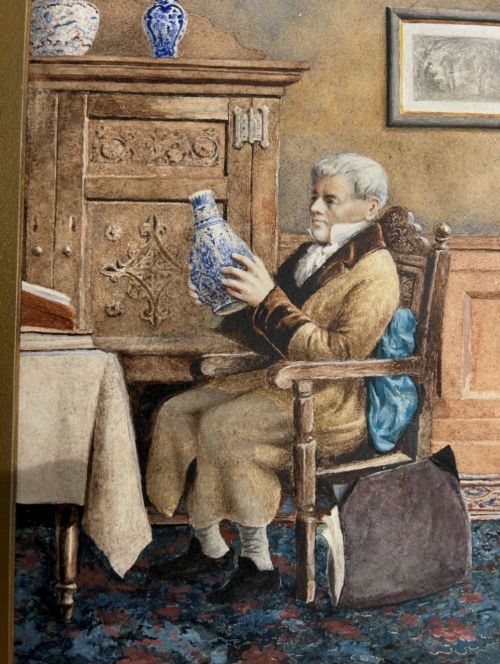
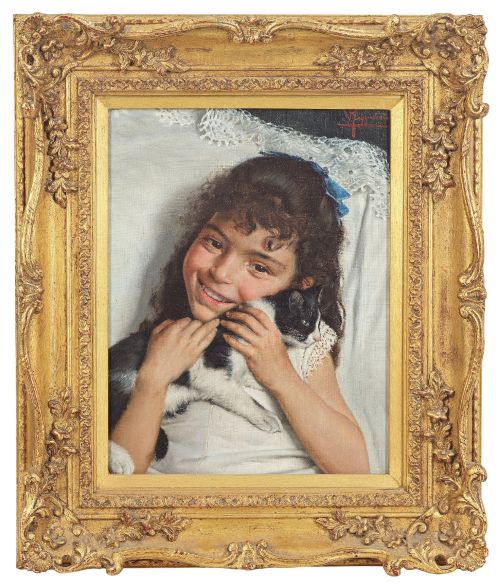
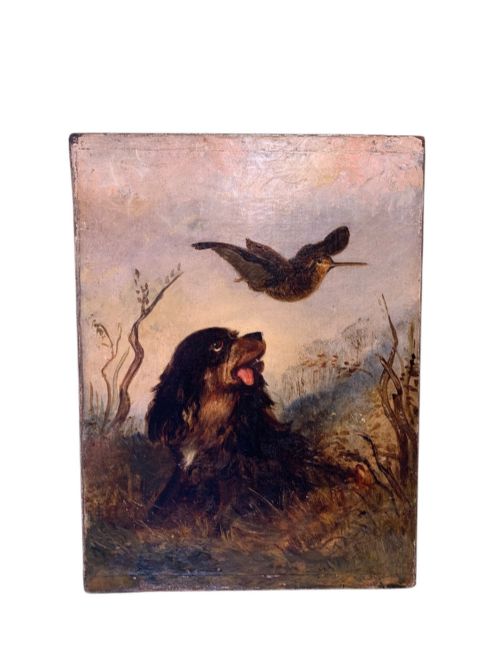
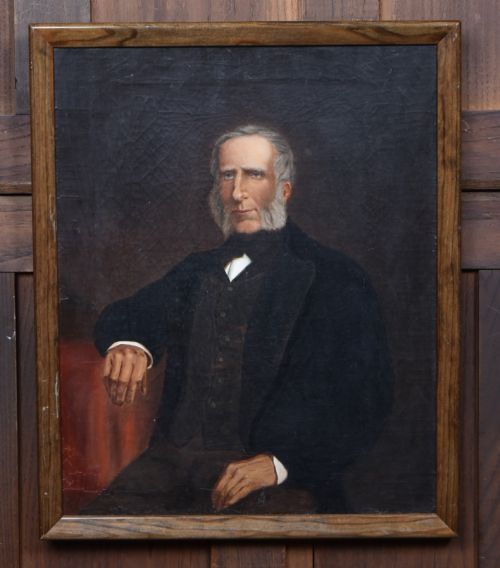
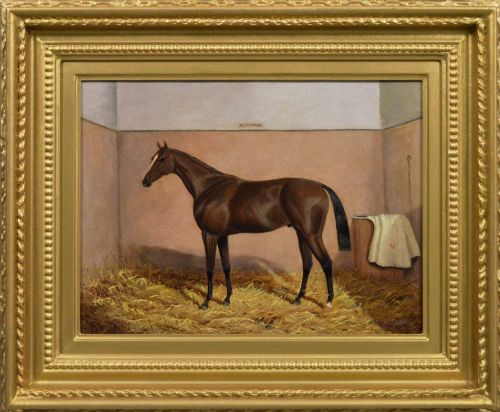
Several portraits preserve the stern dignity of Victorian gentlemen alongside whimsical depictions of mischievous kittens, racehorses, and blue vases.
What Varies in Quality
The standard of execution rests heavily upon the artist's anatomical mastery, particularly in the rendering of hands, facial structure, and gaze. Superior examples demonstrate sensitive handling of light and shadow that grants the subject three-dimensional presence.
Condition and originality dictate the standing of a piece within its category. Works retaining their untouched contemporary surfaces, original stretchers, and period frames command greater appreciation than those suffering from aggressive past restorations.
Eugène Verboeckhoven·Sir James Dromgole Linton·Henry Stacy Marks·Vittorio Reggianini·Albert Clark·Margaret Sarah Carpenter·Adelaïde Salles-Wagner·Max Kaltenmoser·Louis Charles Verwee·William Blake Richmond·Stephen Pearce·Henry Windsor Fry·Frederick Tatham·Renato Moretti·Alfred Arthur Brunel de Neuville·Emily Eyres·Theodore Jensen·Charles Henry Slater·John Ferneley Senior·Henry Arthur Roberts·Philip Richard Morris·Arthur Wardle·Filipo Indoni·Henry E Hobson·Charles Burton Barber
The Original Victorian Portrait Glossary
- Academic Realism
- A style of painting and sculpture produced under the influence of European academies of art, prioritising accurate anatomy, polished surfaces, and classical composition.
- Genre Painting
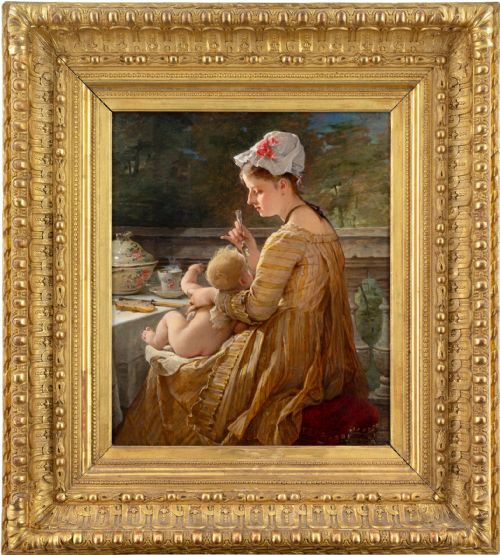
- The pictorial representation of scenes from everyday life, typically depicting ordinary people engaged in common activities rather than formal portraiture.
- Giltwood
- Timber, commonly carved gessoed wood, coated with gold leaf or gold paint to create an ornate reflective frame.
- Provenance
- The chronology of the ownership, custody, or location of a historical historical artwork, establishing its authenticity and history.
- Miniature
- A small-scale painting executed with meticulous detail, often intended for personal lockets, brooches, or intimate tabletop display.
Original Victorian Portrait: Frequently Asked Questions
What is an original victorian portrait?
An original victorian portrait is a hand-rendered painting, drawing, or watercolour created during the nineteenth century to capture the likeness of a specific person. These artworks serve as direct visual links to the clothing, ideals, and artistic techniques of the period.
Created primarily in oil on canvas or watercolour on paper, these pieces range from grand commissioned likenesses of nobility to intimate studies of family members and children. Each work documents the distinct personal identity of the sitter through contemporary artistic conventions.
How were these portraits used?
Victorian portraits were commissioned by families to adorn the walls of domestic drawing rooms, libraries, and country houses, serving as permanent records of lineage and social standing. Miniature versions were often worn as brooches or kept on desks as personal mementoes.
Larger oil paintings communicated wealth and status to visitors, while smaller sketches and watercolours remained private keepsakes exchanged between friends and family. They functioned as both interior decoration and tangible memorials before the widespread adoption of photography.
How do I live with one?
Living with these portraits involves placing them away from direct sunlight and excessive humidity to protect vulnerable oil paint, canvas supports, and paper watercolours. Stable indoor temperatures prevent the cracking of old pigments and the warping of wooden panels.
Pairing a nineteenth-century portrait with traditional or contemporary interiors creates a striking visual contrast that highlights the character of the subject. Ensuring the piece is securely hung using appropriate hardware preserves both the artwork and its historical frame.
How can I tell the periods apart?
Differentiating periods relies on examining sitter fashion, hairstyles, and the stylistic tendencies of the surrounding medium, such as the transition from Regency neocentrism to heavy Victorian framing. Clothing styles, collar shapes, and bonnet designs offer precise clues to the decade of creation.
Signatures, dates inscribed on the reverse, and exhibition labels also assist in establishing a timeline. Understanding the evolution from early-century neoclassical stiffness to later academic realism aids in dating each work accurately.