

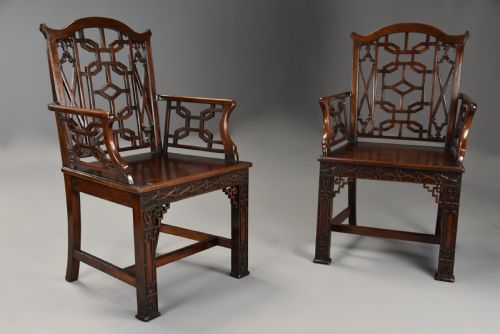
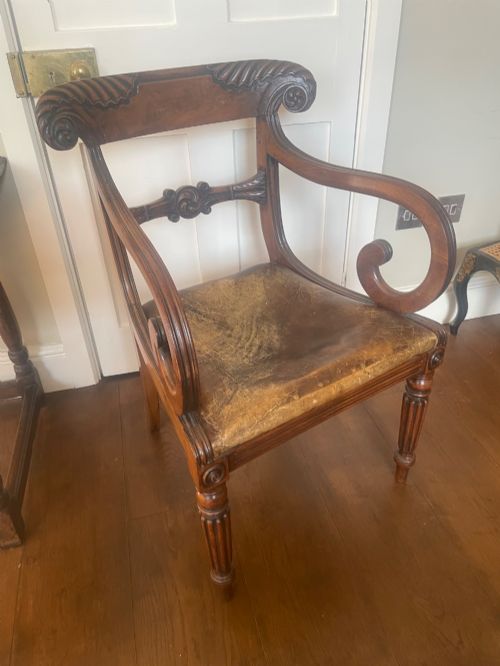
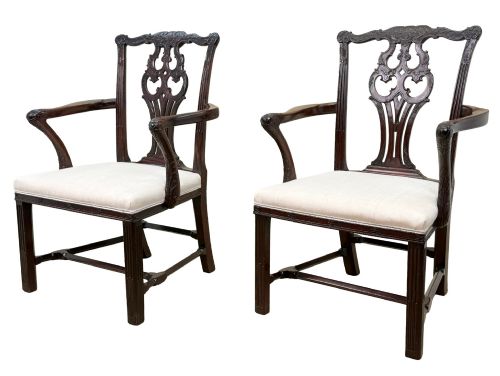
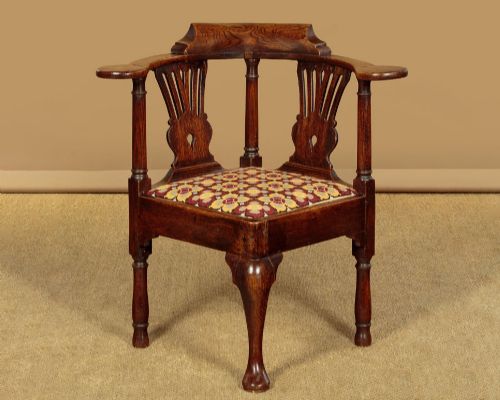
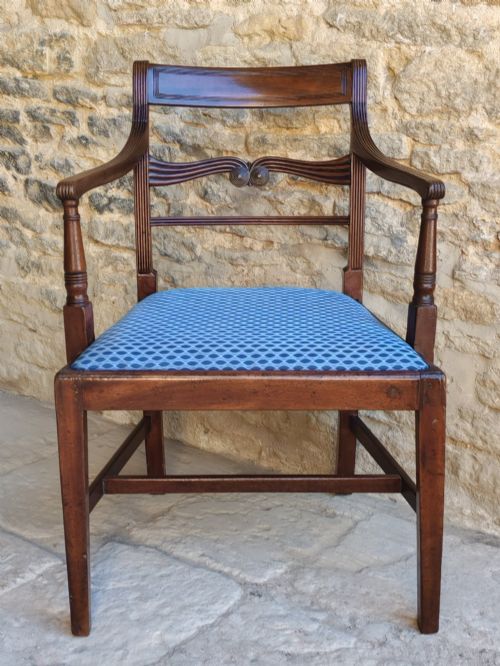
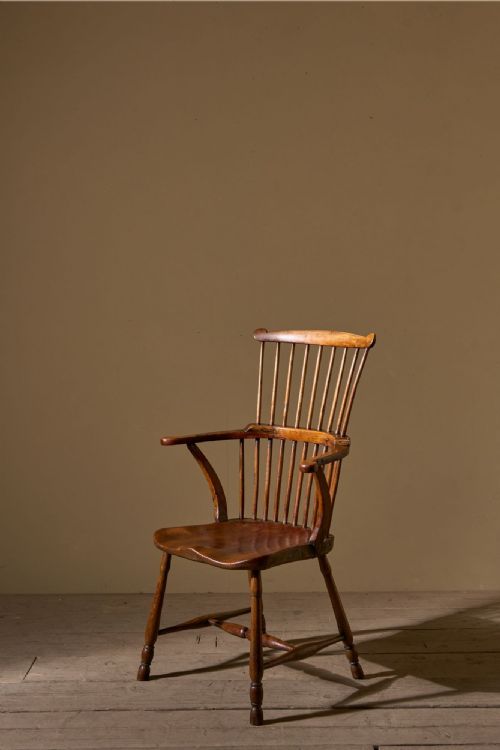
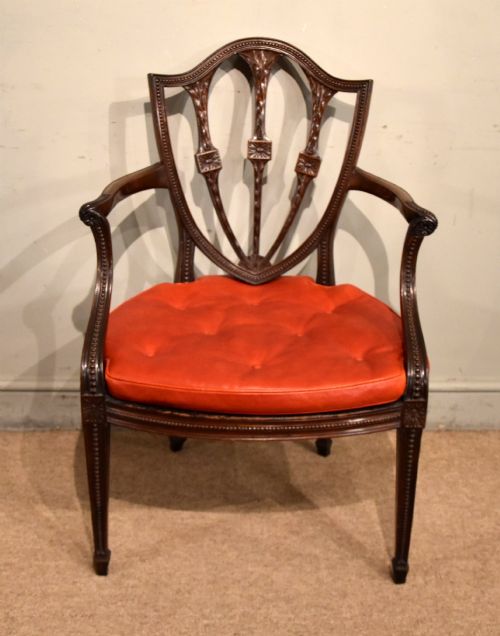
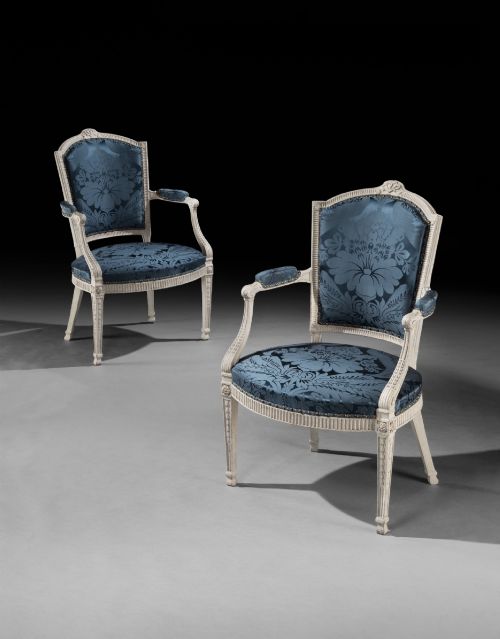
Period Elbow Chair
A period elbow chair brings substantial timber construction and fitted arm supports to a study, library or dining table.
Period Elbow Chair
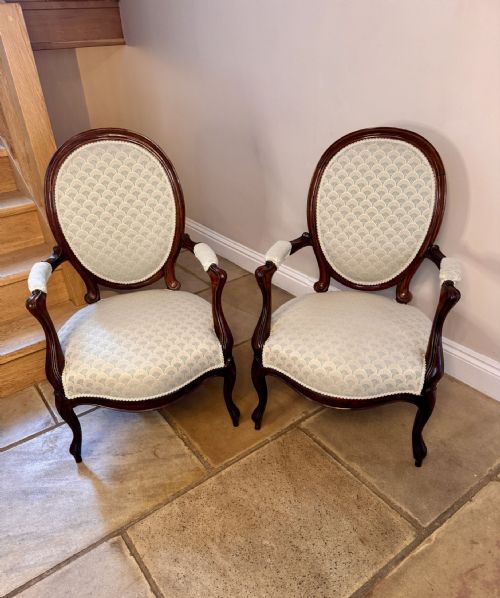
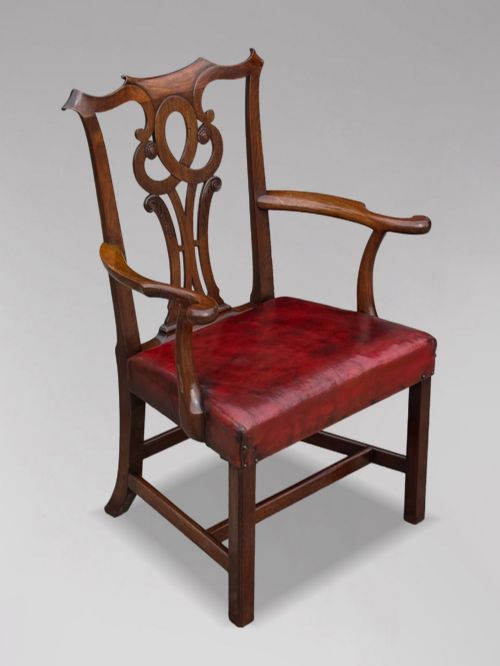
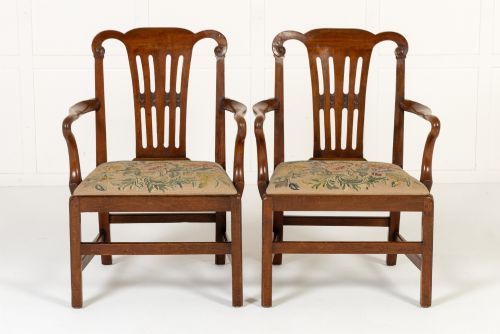
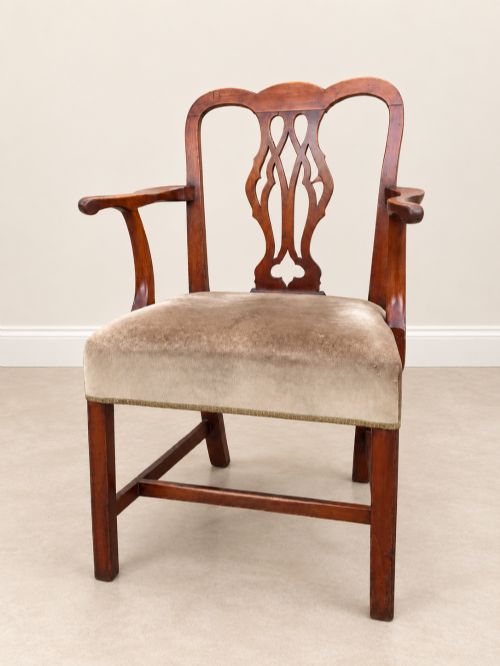
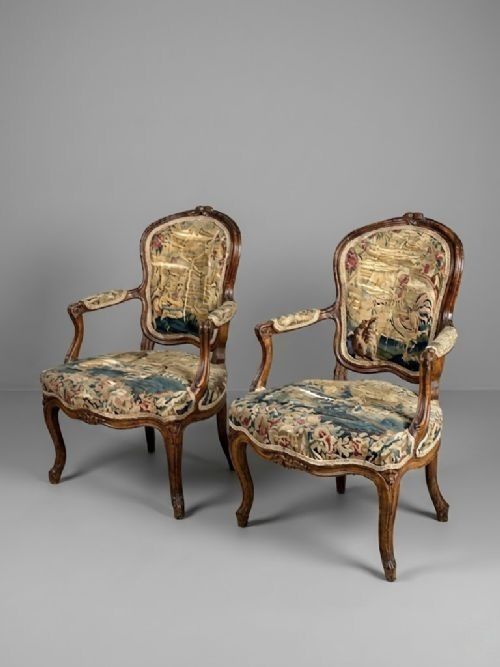
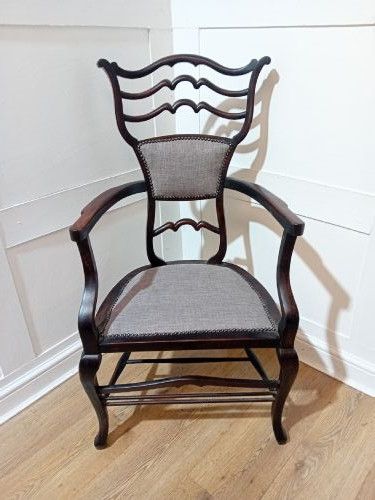
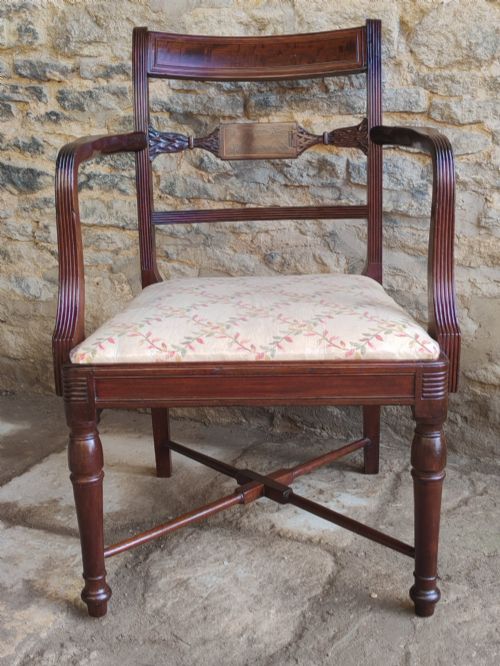
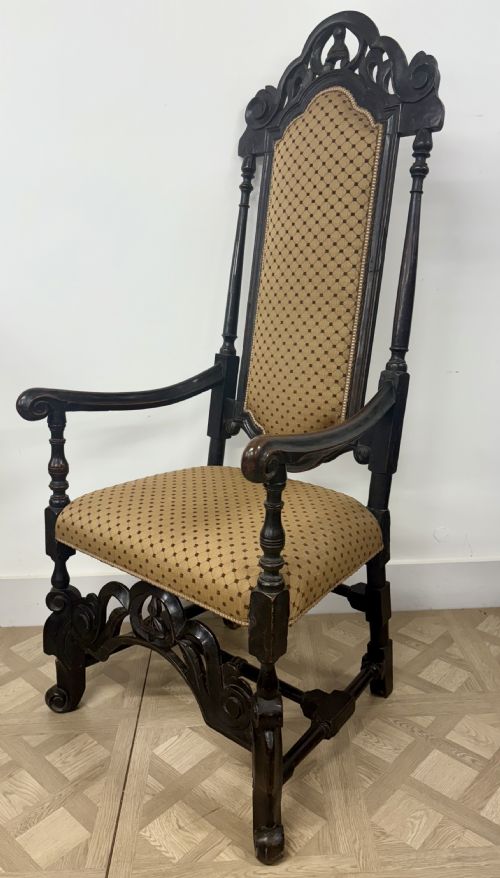
A period elbow chair is a seating form designed with armrests, appearing across several centuries in forms such as carvers, desk chairs and library armchairs. These items serve as functional seating with structural arm supports integrated into the frame.
The selection on this page draws primarily from the Georgian, Regency and 18th century periods, alongside later revival pieces. Mahogany and elm appear frequently in the construction of these items.
Makers fashioned these pieces for domestic rooms, including dining spaces, morning rooms and studies. Forms range from vernacular stick-back Windsor designs to formal carved mahogany seating.
How they were made
Cabinet makers utilised hardwoods such as mahogany, oak, walnut and fruitwood to build the structural frames of these chairs. Joinery relied on traditional mortise and tenon joints to secure the uprights, seats and arm assemblies.
Surface treatments included polished wood finishes, painted decoration and brass inlay. Seats were constructed from solid timber, cane panels or upholstered pads covered in fabric, velvet and tapestry.
Period Elbow Chair Retail Price Guide 2026
Typical asking prices for period elbow chair among the pieces listed under this phrase on Sellingantiques today, from the lower quarter to the upper quarter. They describe what is for sale here now, not the wider market.
Listings span the 17th, 18th and 19th centuries, featuring materials such as mahogany, elm, ash, walnut, cane and upholstery fabric.
What varies in quality
The grade of timber selection and the precision of the carved ornament determine the standing of an individual piece. Cabinet work involving figured mahogany or detailed pierced splats represents a higher standard of construction.
The integrity of the original joints and the retention of surface patination influence the character of the chair. Pieces maintaining their early finish and structural components hold greater interest than heavily altered examples.
The Period Elbow Chair Glossary
- Carver chair
- An armchair, typically designed en suite with a set of dining chairs for use at the head of a table.
- Elbow chair
- A seating piece featuring armrests attached to the sides of the frame, suited for desk or dining use.
- Windsor chair
- A wooden chair constructed with turned legs and spindles socketed into a solid shaped seat and a bentwood back bow.
- Splats
- The vertical wooden strip forming the centre of a chair back, often shaped or carved in styles such as Chippendale or Hepplewhite.
- Cane
- Woven rattan material utilised for chair seats and back panels to provide a lightweight seating surface.
Period Elbow Chair: Frequently Asked Questions
What is a period elbow chair used for?
These pieces function as seating at a desk, a library table or the head of a dining setting. The arm supports provide additional comfort compared to standard side chairs.
Historically, homeowners placed them in principal rooms where seating needed to combine utility with formal appearance.
How do I identify a Georgian elbow chair?
Georgian examples often feature mahogany timber, carved splats and straight or cabriole legs. Proportions follow the design conventions of the 18th century.
Examining the underside reveals construction methods and tool marks characteristic of the period.
Can I use an antique elbow chair at a modern desk?
Many of these pieces fit standard desk heights, though seat dimensions vary across different decades. Checking the clearance beneath the desk surface ensures a proper fit.
Using a firm seat cushion can also adjust the seating height to suit individual requirements.
What is the difference between a carver and an armchair?
The terms often refer to the same form, though carver traditionally denotes a dining armchair made to match a set of single chairs. Armchairs encompass a broader range of seating designs for libraries and drawing rooms.
Both types incorporate structural armrests into the wooden frame.