


Period Drop Leaf Table
A period drop leaf table brings centuries of folding ingenuity and timber character into a room.
Period Drop Leaf Table
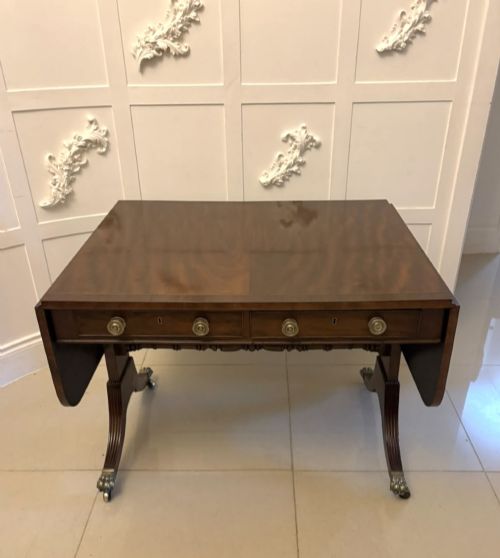
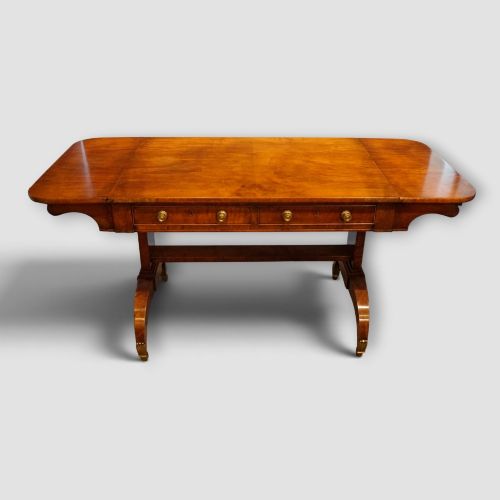
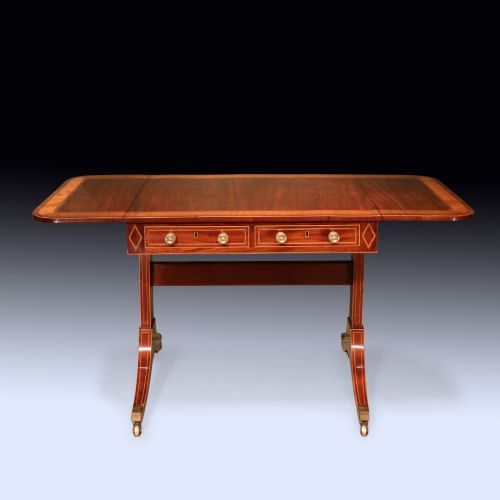
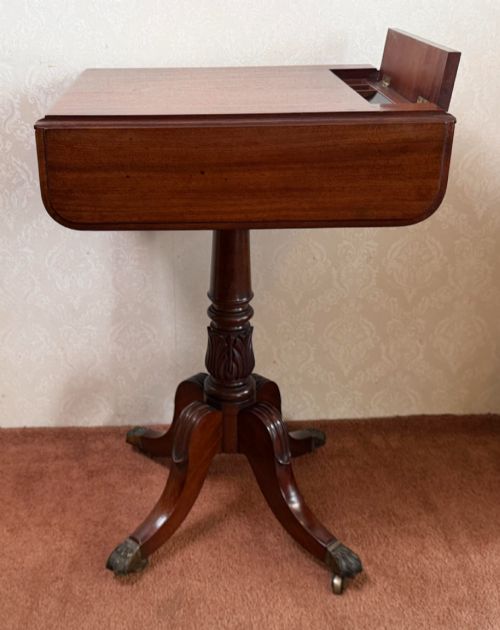
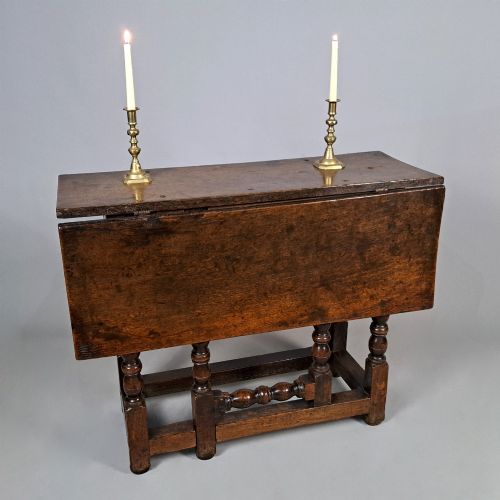
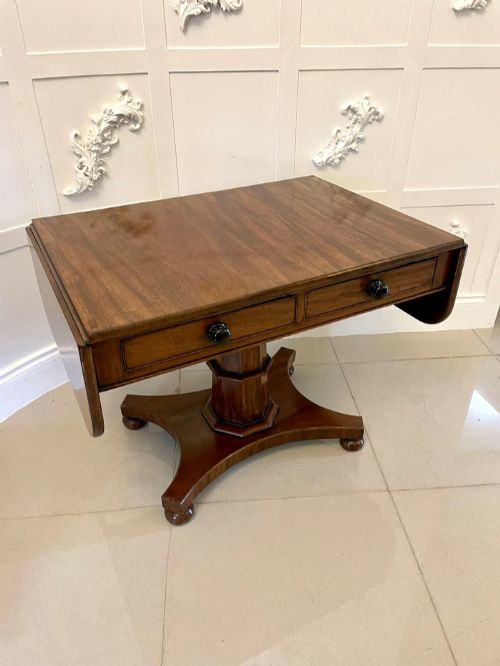
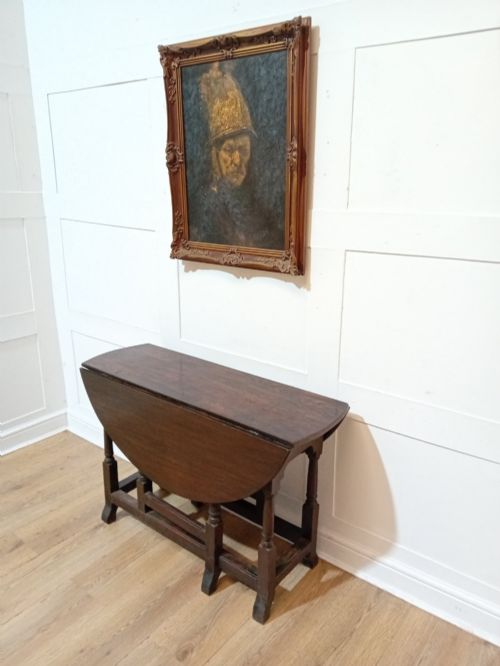
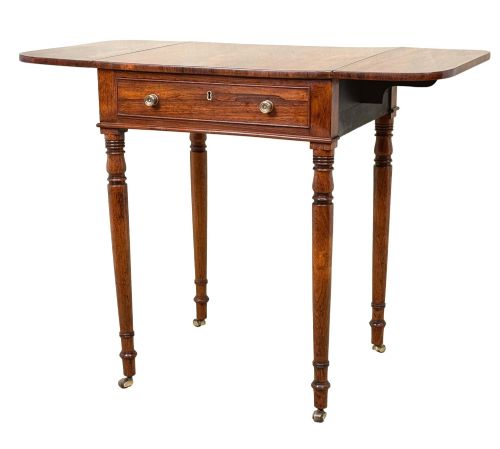
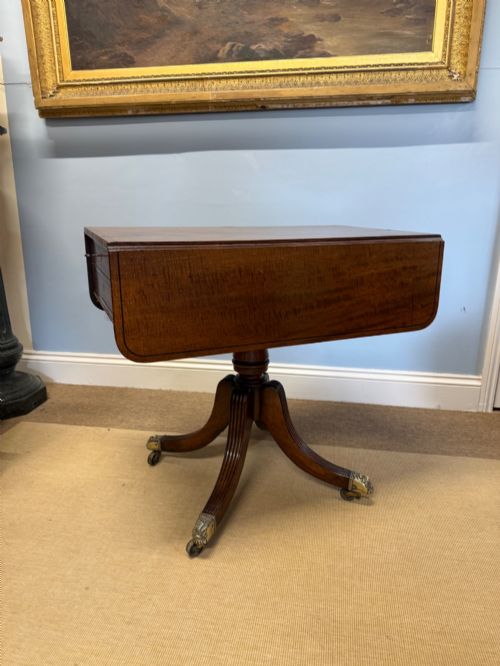
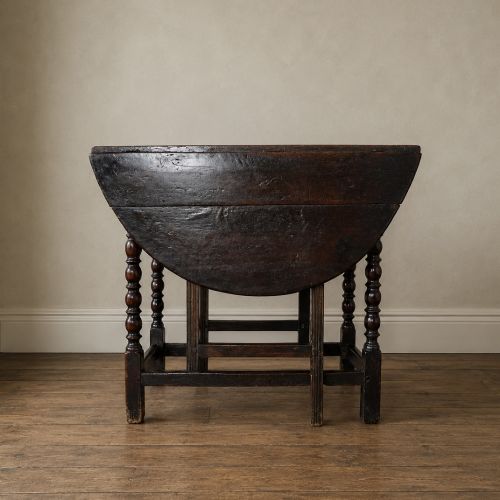
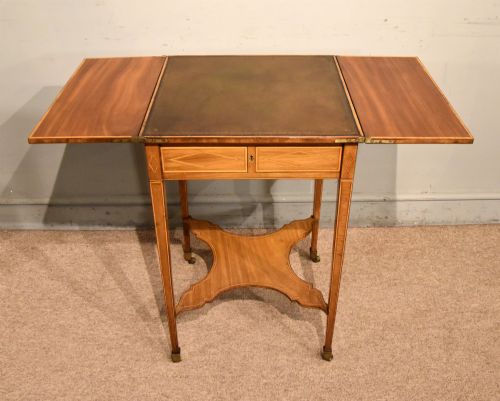
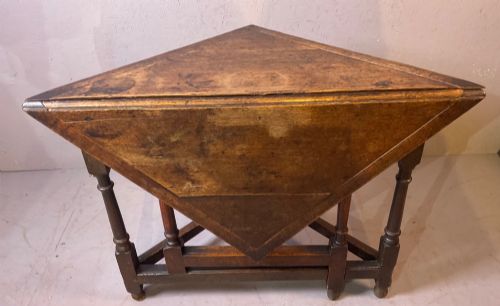
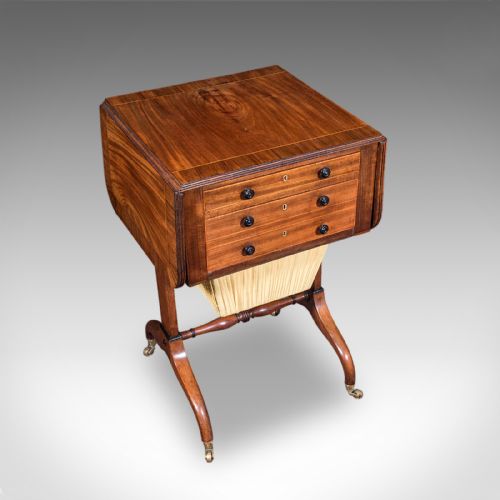
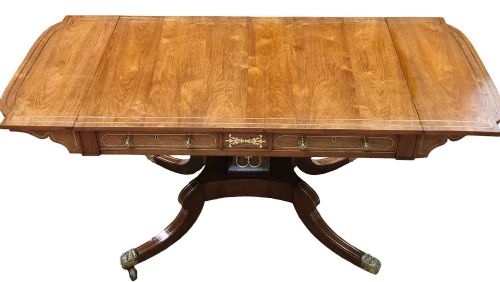
When searching for a period drop leaf table, a buyer encounters centuries of folding furniture designed to adapt room layouts through hinged flaps. These pieces range from substantial 17th Century oak gateleg dining tables resting on turned baluster legs to refined Regency and Georgian sofa tables, Pembroke tables, and work tables.
The most common examples on this page are sturdy 17th Century oak gateleg tables alongside lighter mahogany and rosewood tables from the Regency and 18th Century periods. Their folding leaves allow the furniture to expand for dining or writing and contract to stand flat against a wall when floor space is needed.
How they were made
Cabinet makers constructed these tables using dense hardwoods such as oak, mahogany, and rosewood, frequently incorporating secondary timbers like ash, boxwood, and satinwood for contrast. Timber selection dictated both the structural integrity of the folding mechanism and the decorative surface appearance.
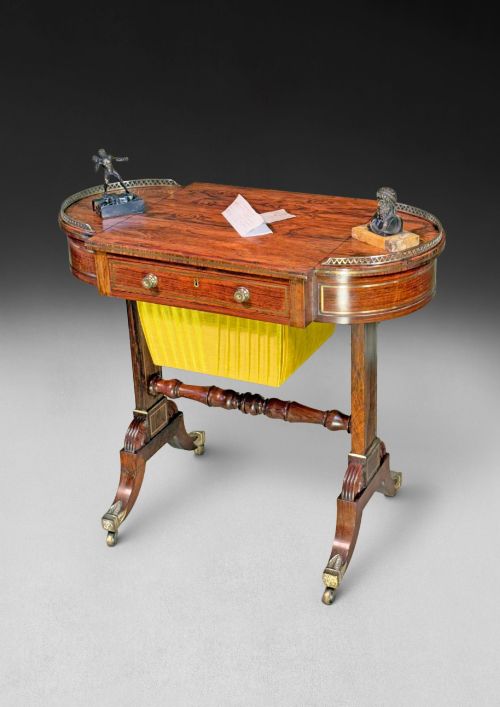
Joinery techniques relied on pegged mortise and tenon joints for early gateleg frames, while later Regency examples utilised fine brass inlays, mounts, and delicate turning. Surfaces were finished to highlight the natural grain, producing deep patinas on early oak and highly figured surfaces on mahogany and rosewood.
Period Drop Leaf Table Retail Price Guide 2026
Typical asking prices for period drop leaf table among the pieces listed under this phrase on Sellingantiques today, from the lower quarter to the upper quarter. They describe what is for sale here now, not the wider market.
Listings feature oak, mahogany, rosewood, and satinwood across periods from the 17th Century to the Regency era.
What varies in quality
The distinction between tiers of quality rests upon the selection of timber figures, the retention of original surfaces, and the sophistication of the folding mechanism. Highly figured mahogany or rosewood and untouched 17th Century oak patination elevate a piece significantly above plain or heavily restored examples.
Proportion and structural harmony also separate standard items from superior works. Tables retaining original brass mounts, delicate inlay work, and robust yet slender gateleg action demonstrate the hand of a skilled maker.
Jean Joseph Chapuis
The Period Drop Leaf Table Glossary
- Gateleg table
- A drop leaf table where hinged legs swing outward from the frame to support the raised leaves. This design provides sturdy underpinnings for large dining surfaces.
- Sofa table
- A low, rectangular table traditionally placed in front of a sofa, featuring drop leaves on either side and often fitted with drawers. These typically date from the Regency period.
- Pembroke table
- A small, versatile table with two hinged drop leaves on opposing sides and a drawer, popular during the 18th Century and Regency periods. They often served multiple domestic uses like writing or sewing.
- Patina
- The deep surface sheen and colour developed through age, handling, and waxing. Original patination is a key indicator of an untouched antique surface.
- Bobbin turned
- A style of furniture leg or stretcher shaped on a lathe to resemble a series of wooden bobbins or spools. This turning technique is frequently found on 17th Century pieces.
Period Drop Leaf Table: Frequently Asked Questions
How do I use a drop leaf table in a small room?
Drop leaf tables fold down compactly against walls when floor space is limited, making them ideal for daily living without obstructing pathways.
When guests arrive or workspace is required, simply raise the hinged flaps and swing out the supporting legs or gate to create a full dining or writing surface.
What is the difference between a gateleg table and a Pembroke table?
A gateleg table relies on hinged legs that swing out like a gate to support large folding leaves, commonly seen in substantial 17th Century oak dining pieces.
A Pembroke table is a lighter 18th Century or Regency form with smaller drop leaves on two sides, usually featuring a drawer and stationary legs.
How can I tell a 17th century oak table from a later piece?
Seventeenth century oak tables typically display pegged mortise and tenon joinery, heavy plank tops, and deep patination developed over centuries of use.
They often feature turned baluster or bobbin legs designed to support the heavy weight of solid oak leaves.
Were sofa tables actually used near sofas?
Sofa tables were designed during the Regency period to stand directly behind or beside sofas for writing, sewing, or holding lamps.
Their elongated rectangular proportions and drop leaves made them practical for domestic tasks within sitting rooms.