

Period Drawers
Period drawers encompass centuries of storage furniture crafted in oak, mahogany, and walnut across Georgian, Regency, and Victorian eras.
Period Drawers
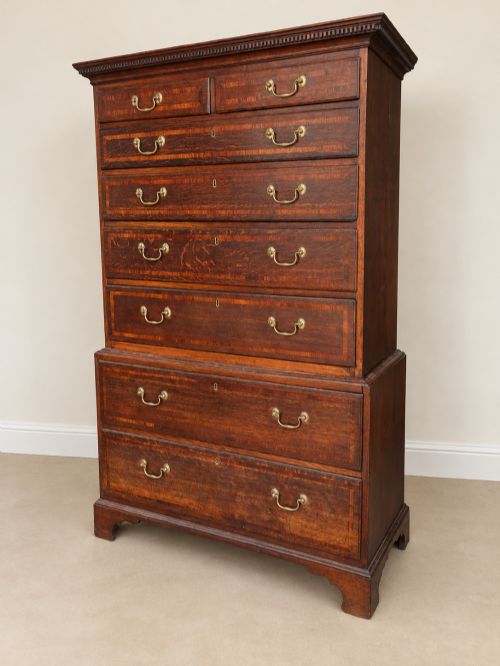
Period drawers represent historical storage forms spanning the seventeenth century through the Victorian age, encompassing styles from Jacobean oak to Georgian mahogany and Regency design. Buyers seeking period drawers encounter diverse items including chests of drawers, mule chests, and tall chests on stands.
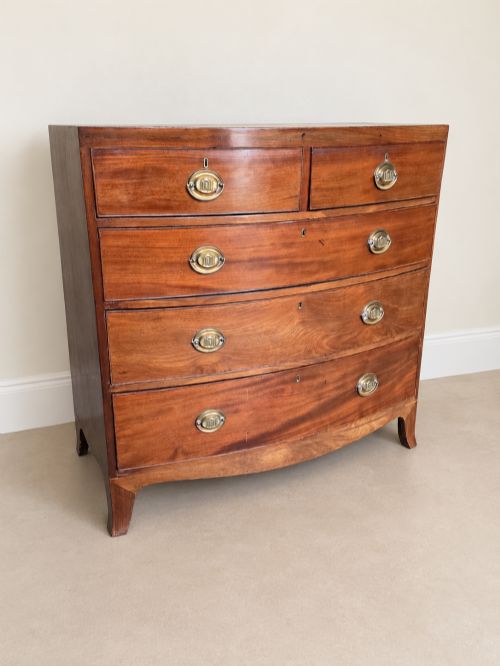
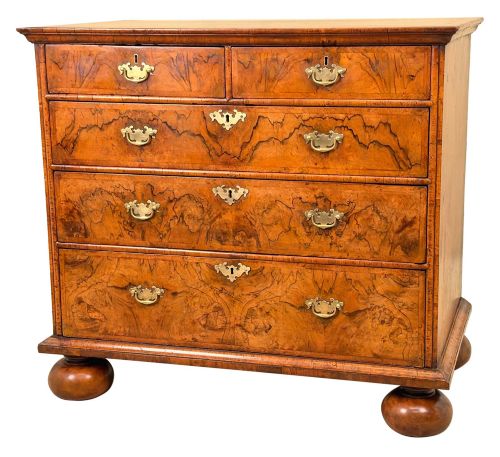
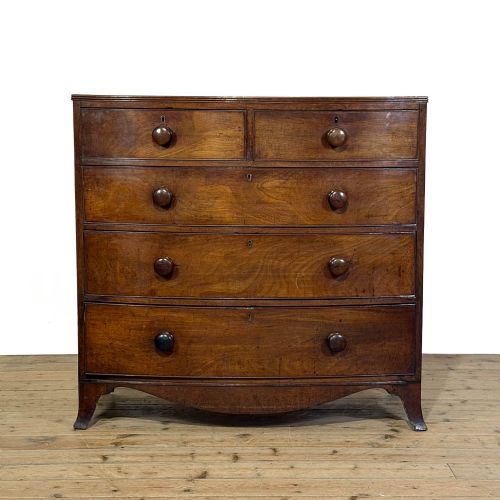
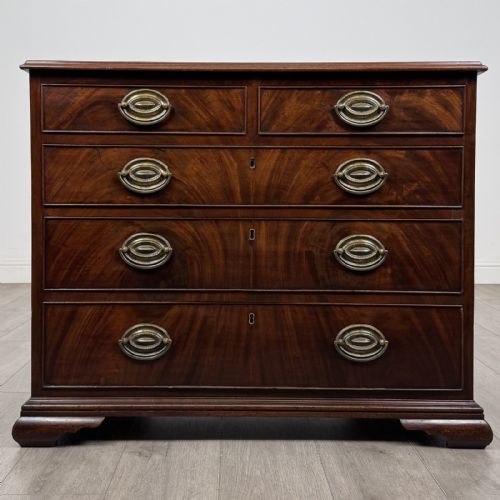
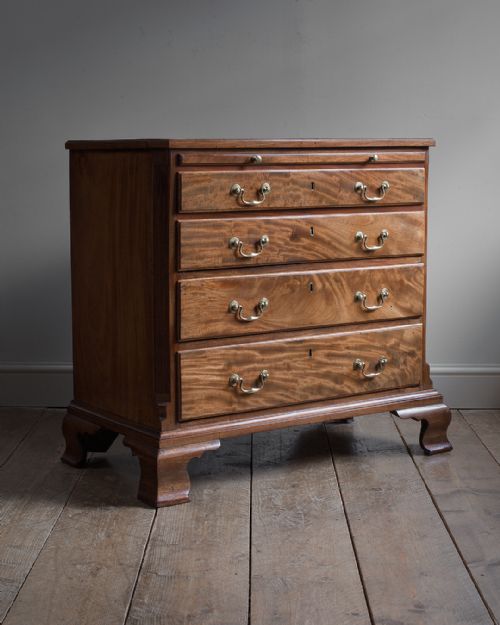
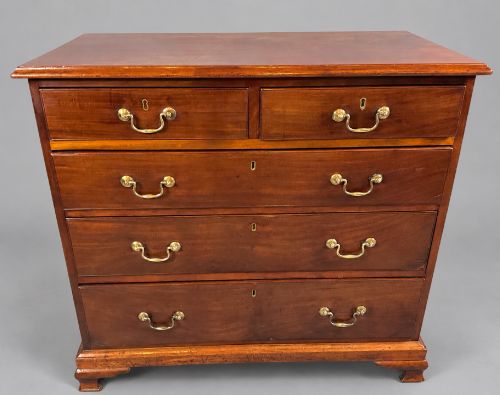
The most common form met on this page is the chest of drawers, frequently constructed in mahogany or oak with brass hardware. These pieces originate from distinct design periods such as George III, Regency, and the seventeenth century.
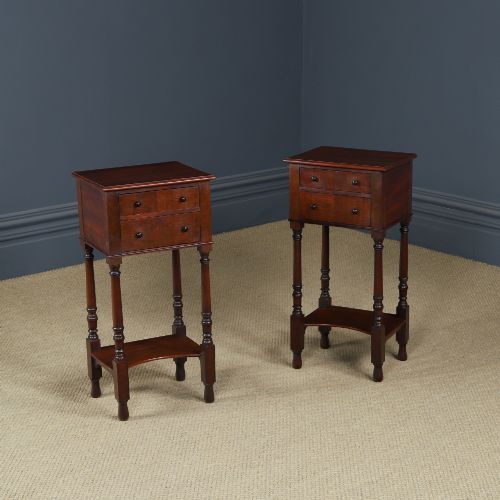
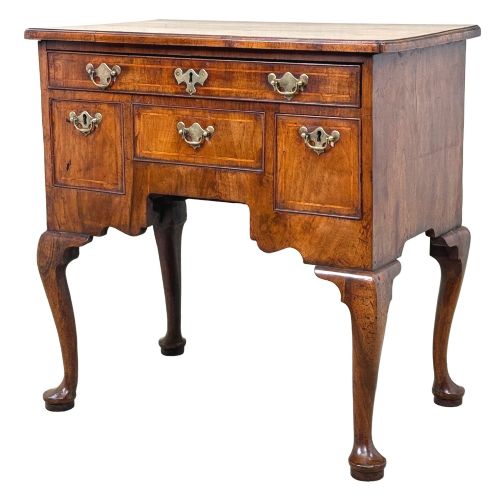
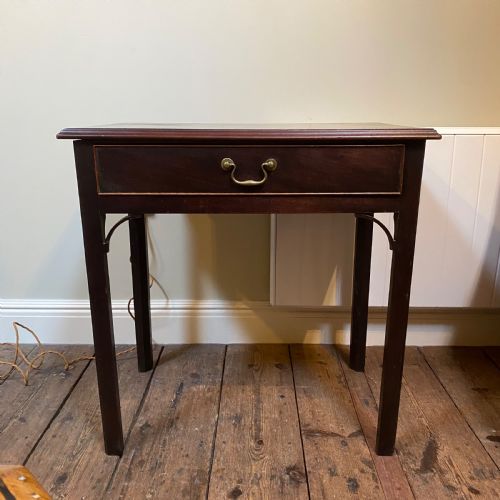
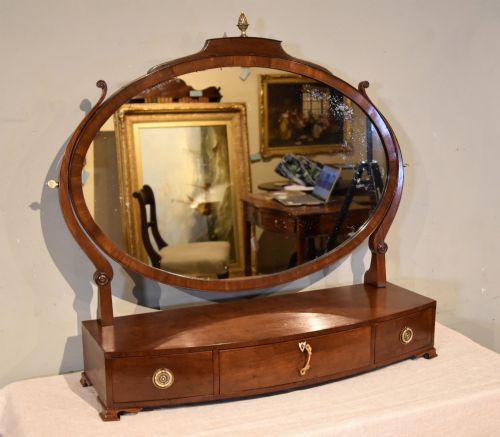
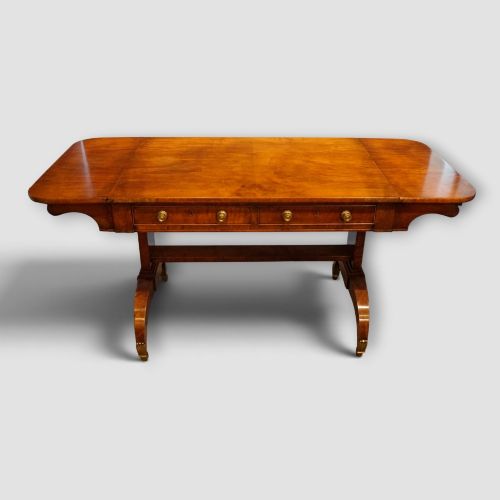
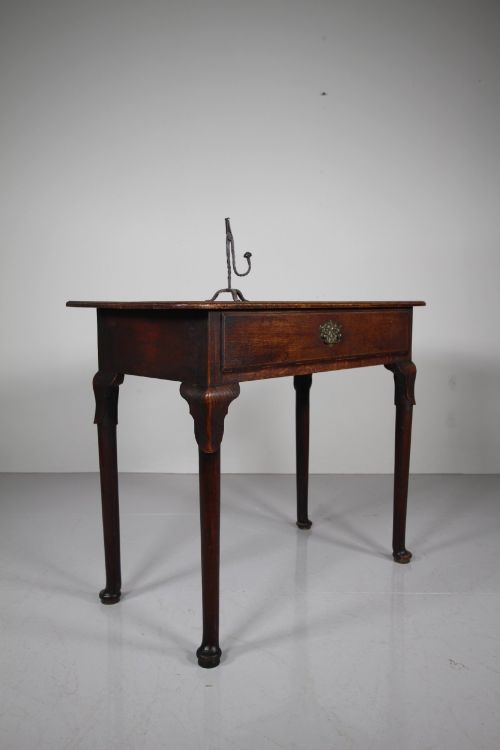
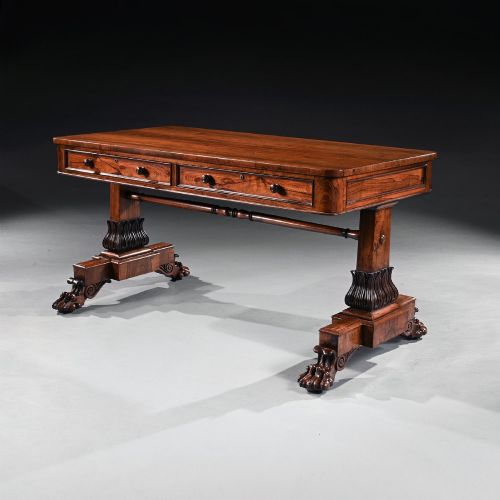
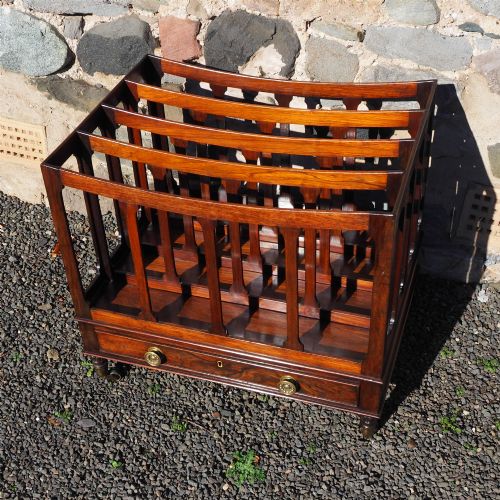
Beyond standard chests, the selection includes related forms like side tables, dressing tables, washstands, and wardrobes. Each object embodies the structural traditions and aesthetic preferences of its specific historical era.
Materials and construction
Cabinet makers utilised native and imported timbers, relying heavily on sturdy oak for seventeenth-century and country pieces while adopting rich mahogany and walnut for Georgian and Regency examples. Flame mahogany veneer and satinwood surface treatments frequently enhanced formal mahogany carcases.
Joinery techniques evolved from early pegged frame-and-panel construction in oak to precise dovetailing for drawer boxes in eighteenth and nineteenth-century pieces. Brass handles, escutcheons, and bracket feet or castors completed the construction of these items.
Period Drawers Retail Price Guide 2026
Typical asking prices for period drawers among the pieces listed under this phrase on Sellingantiques today, from the lower quarter to the upper quarter. They describe what is for sale here now, not the wider market.
Listings span periods from the 17th century through the 1920s, featuring woods like oak, mahogany, walnut, and flame mahogany veneer.
Assessing quality
Quality rests on the selection of timber and the precision of the cabinet work, particularly in the figuring of mahogany veneers and the execution of geometric mouldings or marquetry inlay. Superior examples retain original brass hardware and untouched surface patination.
Proportion and structural integrity distinguish finer workshops from provincial or later interpretations, especially in pieces featuring bow fronts, bracket feet, or elaborate interiors. Originality of components and historical timber depth govern the standing of each piece.
The Period Drawers Glossary
- Bowfront
- A curved cabinet front that swells outward in the centre, commonly seen on Regency and late Georgian chests of drawers. This shape required skilled joinery to match the grain across the radius.
- Chest-on-chest
- A tall storage unit comprising one chest stacked directly upon a larger base chest, often designated as a tallboy. These pieces maximised vertical storage while displaying refined upper cornices.
- Mule chest
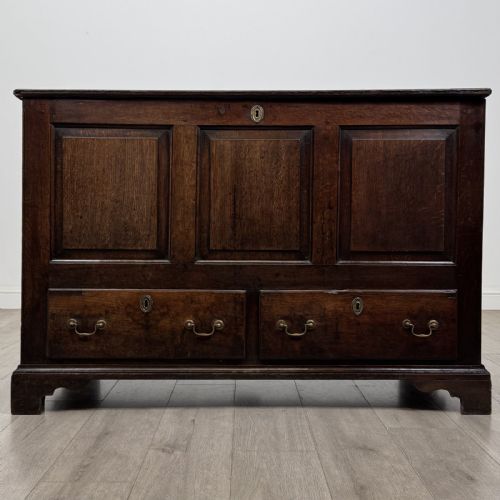
- A storage chest fitted with one or more drawers in the lower section, bridging the evolution from traditional boarded coffers to drawer-based furniture. Early examples frequently incorporate panelled oak and marquetry inlay.
- Bracket foot
- A foot shape formed by two pieces mitred together at the corner, taking an ogee or simple square profile on Georgian furniture. They support the carcase slightly above the floor.
- Commode
- A low cabinet or chest of drawers of French origin, frequently constructed in walnut, fruitwood, or mahogany. The term often describes continental pieces from the late eighteenth century.
Period Drawers: Frequently Asked Questions
What is a mule chest?
A mule chest combines a traditional hinged-lid blanket box with one or more functional drawers built into the base. This form emerged as cabinet makers sought to provide accessible drawer storage beneath bulk textile compartments.
Such pieces are frequently constructed in oak, sometimes featuring marquetry inlay or geometric mouldings. They served domestic storage needs in country houses and rural dwellings during earlier centuries.
How do I identify a Georgian chest?
Georgian chests of drawers typically feature solid mahogany or oak construction, straight or bow fronts, and dovetailed drawer boxes supported by bracket feet or later plinth bases. Proportions tend to follow classical design rules established during the reigns of the Georges.
Hardware consists of brass drop handles or swing handles mounted on backplates. Secondary timbers like oak or pine appear on drawer linings and backboards.
What is the difference between walnut and mahogany?
Walnut predominated in British furniture making through the late seventeenth and early eighteenth centuries, displaying rich brown tones and distinct grain figures before mahogany rose to dominance. Mahogany offered greater structural stability and a darker reddish hue that suited the carved styles of the mid-eighteenth century onwards.
Craftsmen also utilised burr walnut veneers for decorative surfaces on high-status cabinets. Mahogany later permitted sharper carving details and a smoother finish.
Where were period chests used?
Period chests of drawers served primarily in bedrooms, dressing rooms, and private chambers for storing garments, linens, and personal valuables. Smaller variations were placed in hallways or reception rooms as side storage.
Grand houses utilised tall chests-on-chest in principal bedchambers, while simpler oak versions furnished provincial farmhouses. Their sturdy construction ensured daily utility across multiple generations.