


Period Drawer Cabinet
A period drawer cabinet organises small treasures and documents, uniting practical storage with the rich presence of mahogany, oak, and walnut.
Period Drawer Cabinet
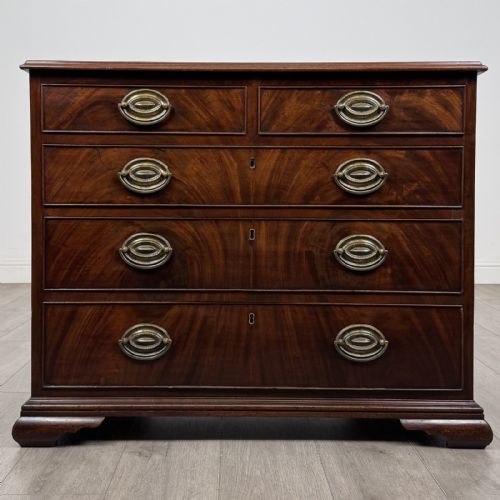
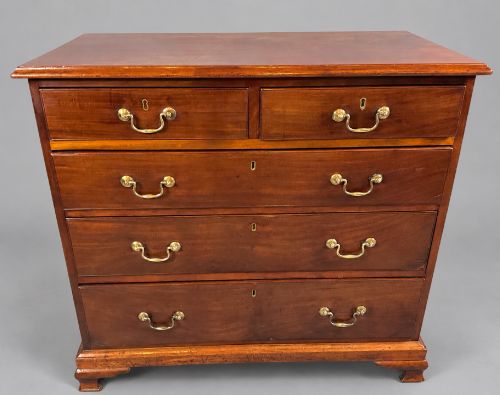
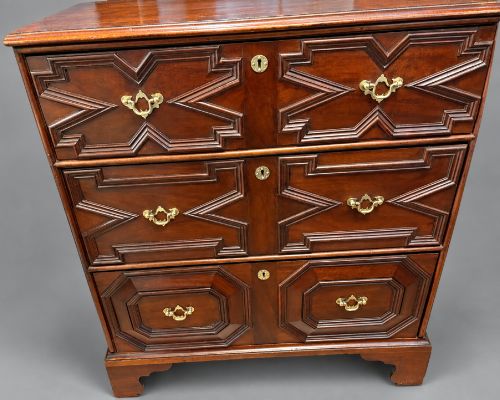
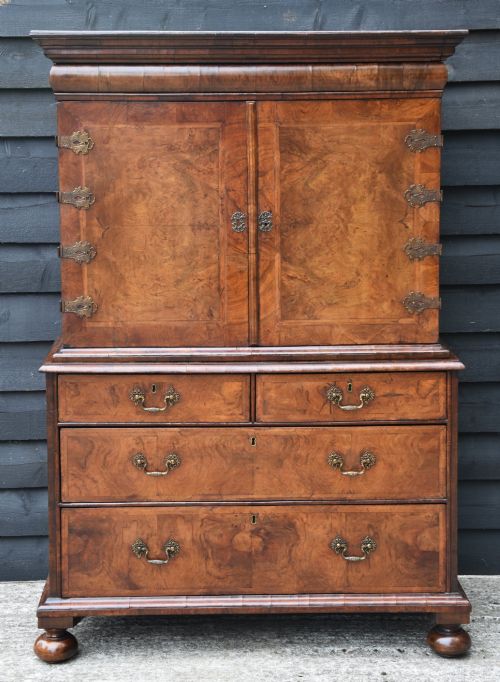
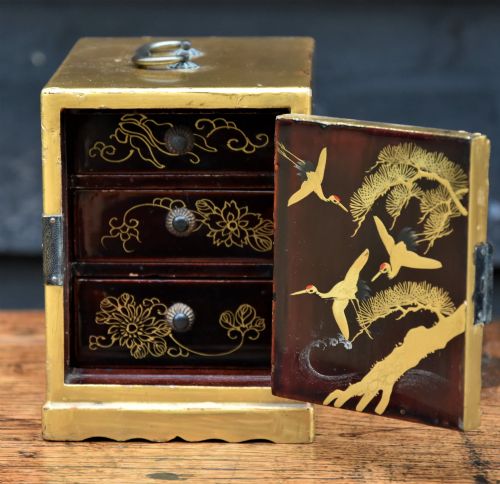
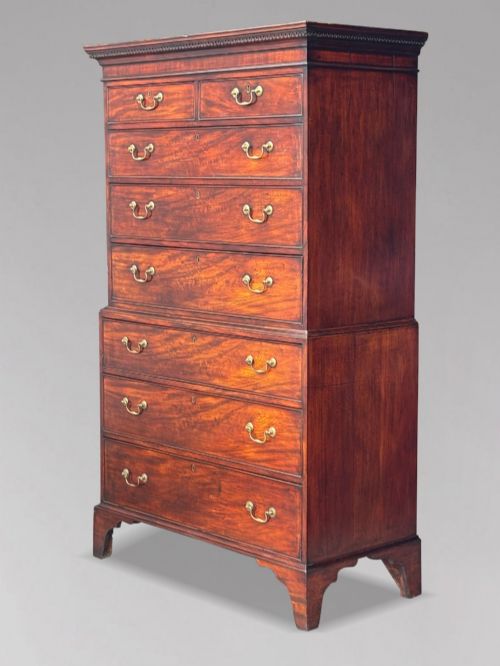
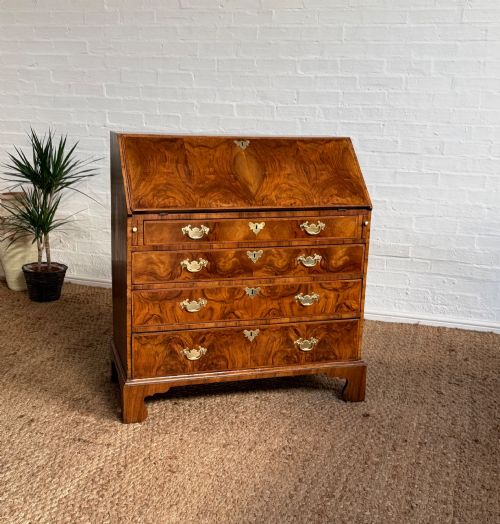
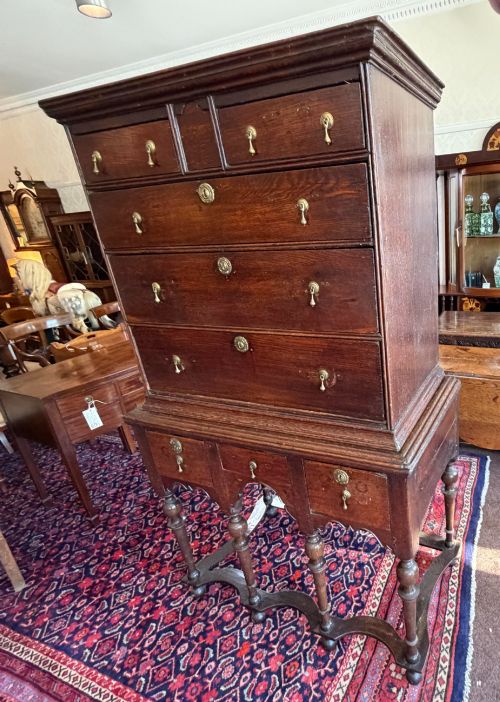
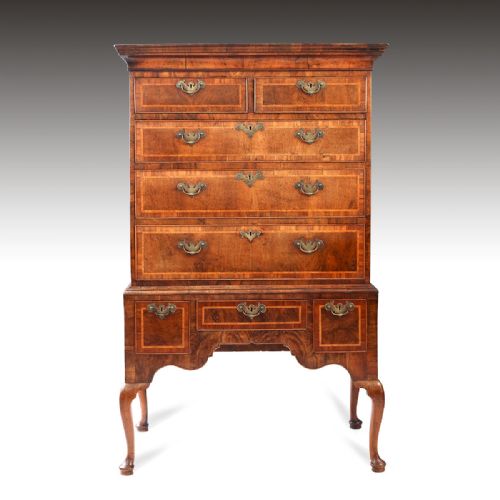
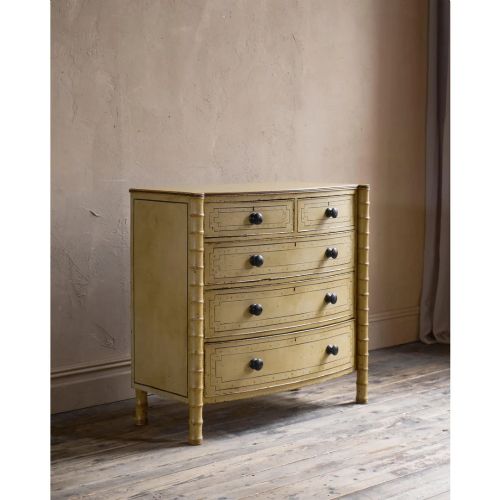
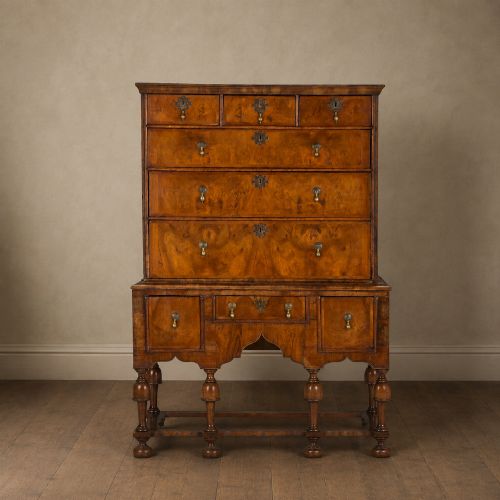
A period drawer cabinet encompasses diverse forms such as chests on stands, bureaus, and collectors' cabinets designed for domestic utility. Mahogany and oak dominate these items, reflecting centuries of disciplined British and continental joinery. Buyers find works spanning from the seventeenth century through the Edwardian era, each built to hold papers, textiles, or valuables.
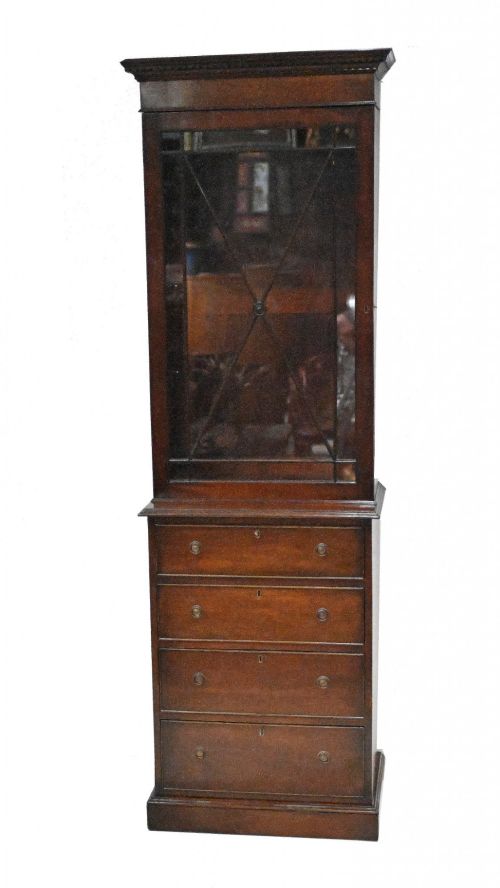
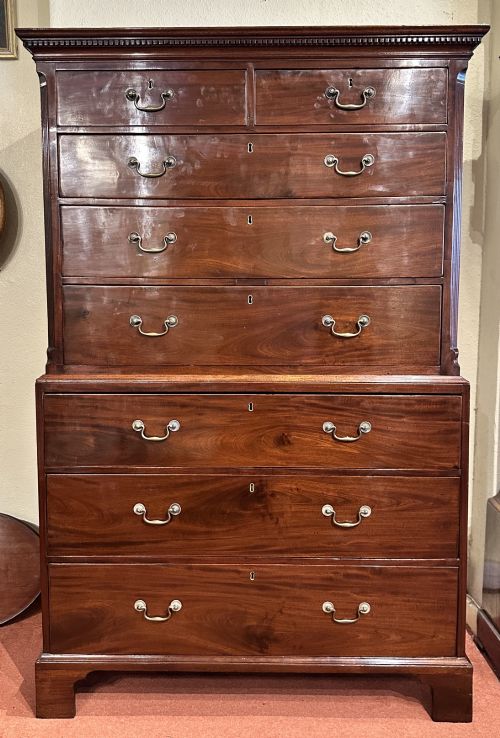
Chest-on-chest structures and tallboys provide elevated vertical storage, frequently combining multiple small drawers with deep lower compartments. Smaller adaptations include bedside chests, close stools, and low linen presses tailored to specific room functions. The inclusion of bureau writing surfaces and bookcase tops demonstrates how cabinetmakers integrated writing and display into single timber structures.
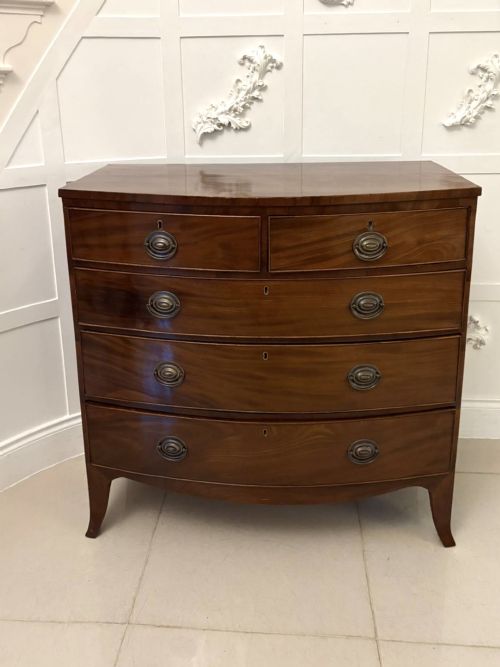
The seventeenth and eighteenth centuries supply the greatest concentration of walnut and oak examples, particularly chests on stands resting on cabriole or turned legs. Georgian and Regency pieces introduce figured mahogany veneers and brass handles, while later Edwardian outputs revive classic Sheraton proportions. This variety ensures collectors encounter both utilitarian storage and formal architectural statement pieces.
How they were made
Cabinetmakers constructed these frames primarily from solid oak, mahogany, and walnut, often applying figured veneers to principal drawer fronts and top panels. Pine and secondary softwoods appear frequently within interior drawer carcassing and backboards. Brass drop handles, escutcheons, and occasional inlay punctuate the exterior surfaces.
Joiners relied upon dovetailed drawer construction and pegged mortise and tenon joints to stabilise heavy timber carcases against seasonal movement. Surfaces received hand-rubbed finishes using wax or shellac to seal the grain while highlighting the natural figure of walnut and mahogany.
Period Drawer Cabinet Retail Price Guide 2026
Typical asking prices for period drawer cabinet among the pieces listed under this phrase on Sellingantiques today, from the lower quarter to the upper quarter. They describe what is for sale here now, not the wider market.
Listings feature eighteenth-century walnut chests on stands alongside nineteenth-century Regency chiffoniers and Edwardian sheet music cabinets.
What varies in quality
The choice of timber grain defines visual hierarchy, separating standard planking from highly figured walnut or plum pudding mahogany veneers selected for principal surfaces. Cohesion of original brass hardware and the crispness of moulded drawer edges reveal the standard of the original workshop. Internal secondary timbers and untouched backboards preserve historical integrity more reliably than heavily restored examples.
Proportion and architectural balance distinguish superior cabinetwork, particularly in multi-tiered pieces like chests on chests and secretary bookcases. Finely executed bracket feet, carved cabriole legs, and precise dovetailing indicate disciplined labour rather than hurried commercial production.
The Period Drawer Cabinet Glossary
- Chest-on-chest
- A tall storage unit comprising one cabinet stacked directly on top of another, usually providing substantial drawer capacity.
- Secretaire
- A cabinet or chest incorporating a pull-down writing flap that conceals small drawers and pigeonholes.
- Canterbury
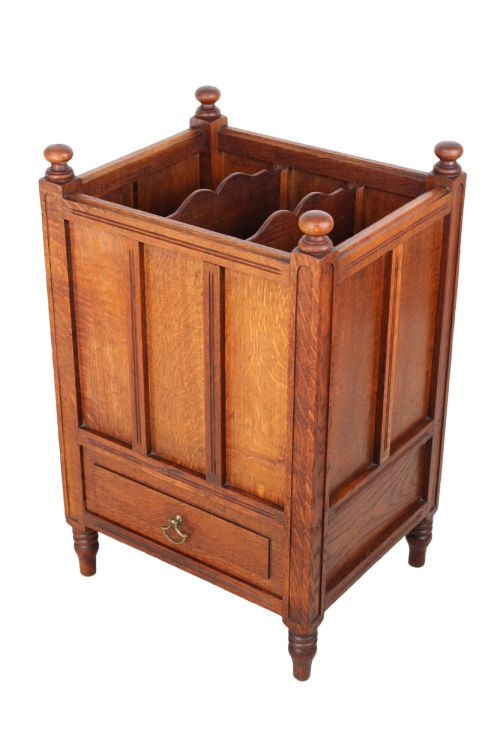
- A low freestanding rack originally designed for sheet music or periodicals, frequently fitted with an integrated lower drawer.
- Escutcheon
- A protective brass plate surrounding a keyhole, often shaped and engraved to complement the surrounding timber drawer front.
Period Drawer Cabinet: Frequently Asked Questions
What is a period drawer cabinet?
A period drawer cabinet is an antique timber storage piece, such as a chest on stand or bureau, designed to hold documents, textiles, or valuables.
These items range from seventeenth-century oak furniture to refined Edwardian mahogany cabinets created for domestic utility.
Where were these cabinets placed in a home?
Owners positioned these cabinets in libraries, bedrooms, and halls to store correspondence, clothing, and household accounts.
Compact variations like bedside chests and close stools served private chambers, while larger bookcases and secretaires anchored formal reception rooms.
How do I care for antique timber furniture?
Antique timber cabinets require stable indoor humidity away from direct heat sources to prevent wood splitting and veneer lifting.
Regular application of traditional beeswax maintains the lustre of the polished walnut and mahogany surfaces without damaging historic finishes.