

Period Desk Seating
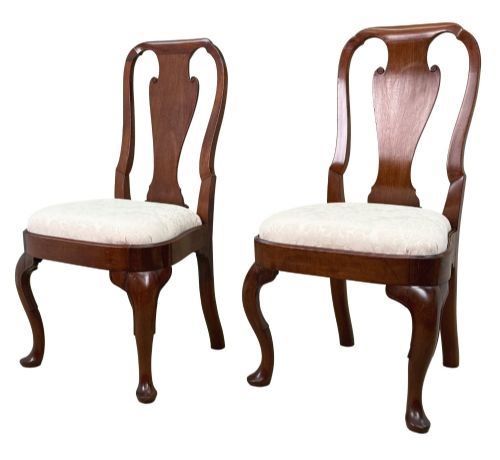
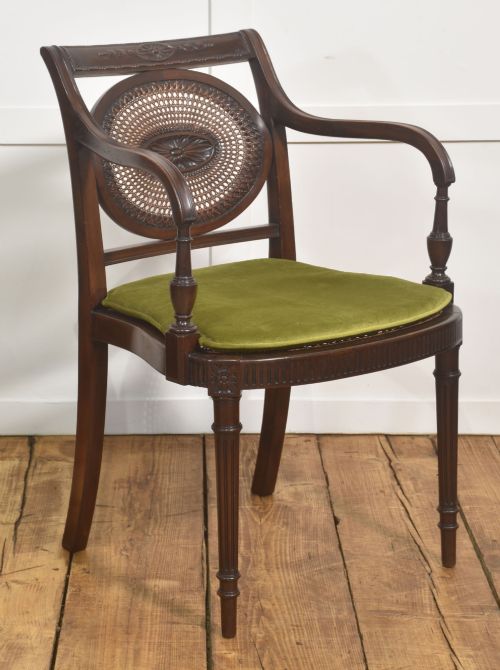
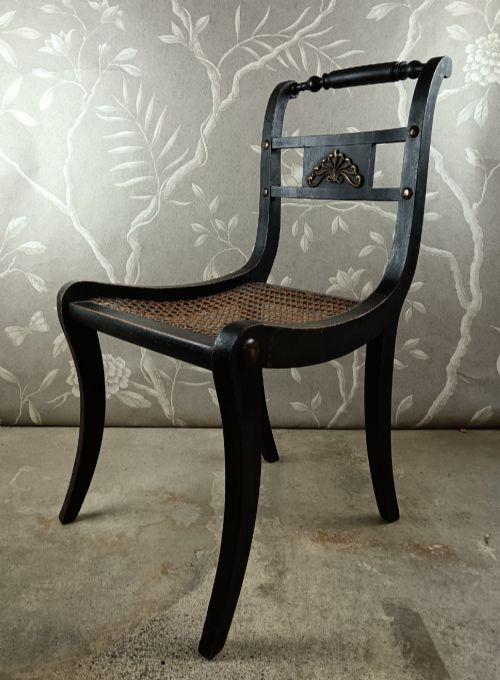
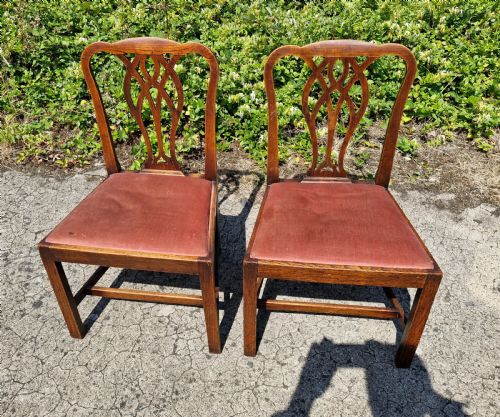
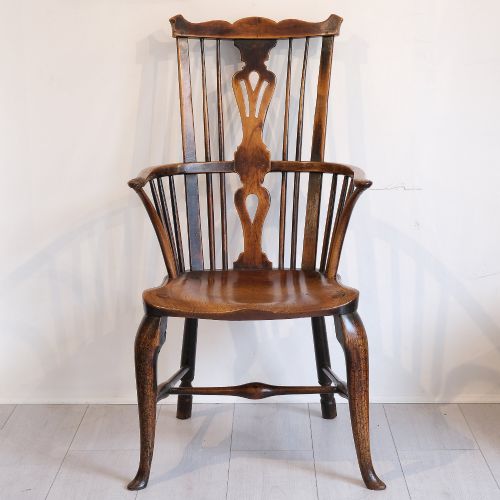
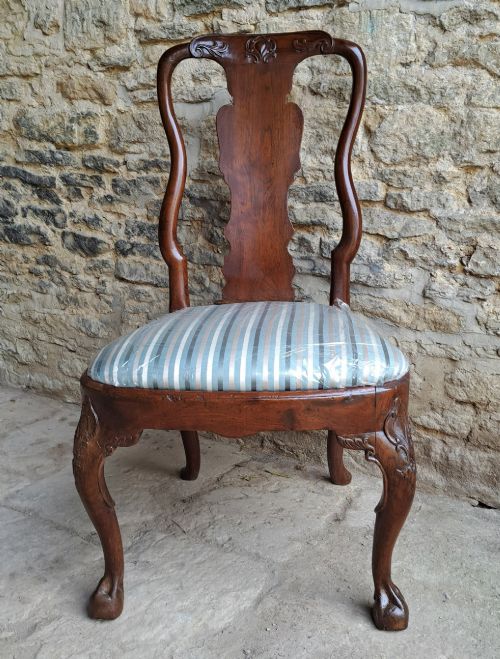
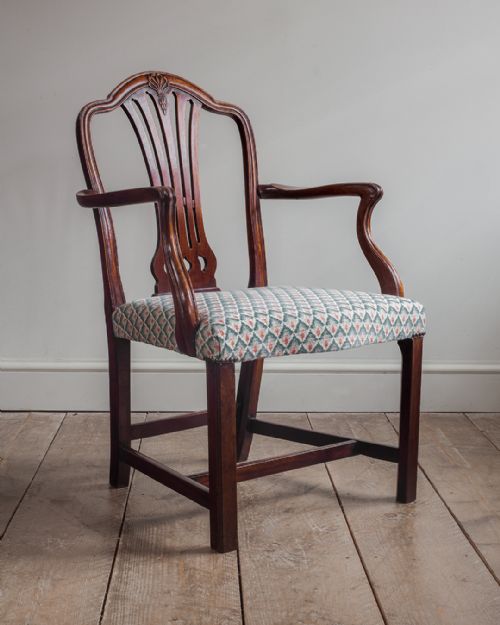
Period desk seating encompasses chairs suited for writing, from early walnut side chairs to Regency armchairs.
Period Desk Seating
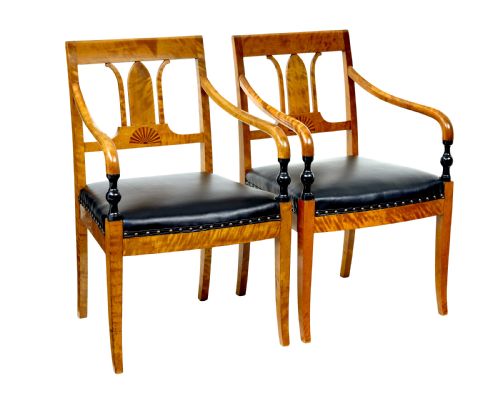
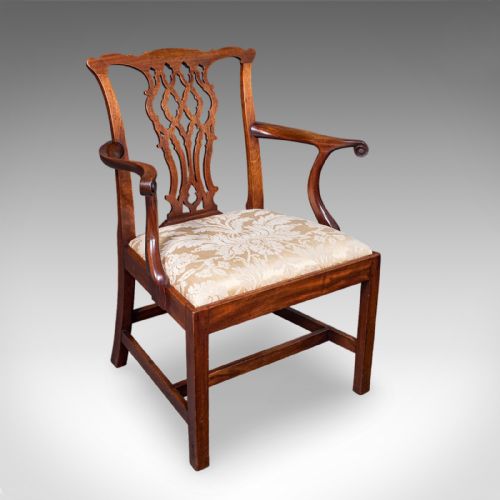
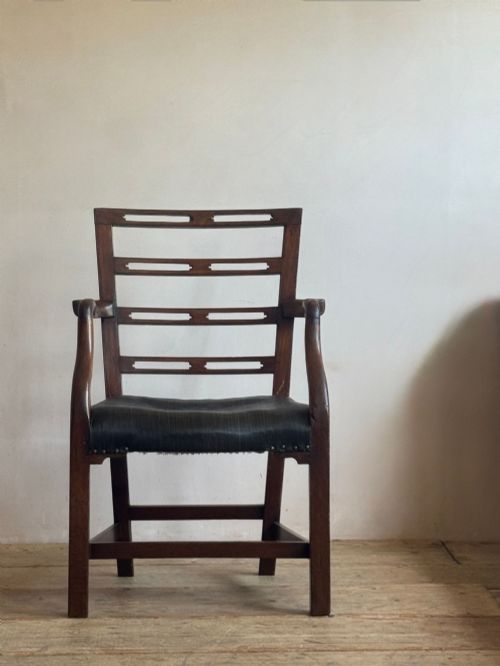
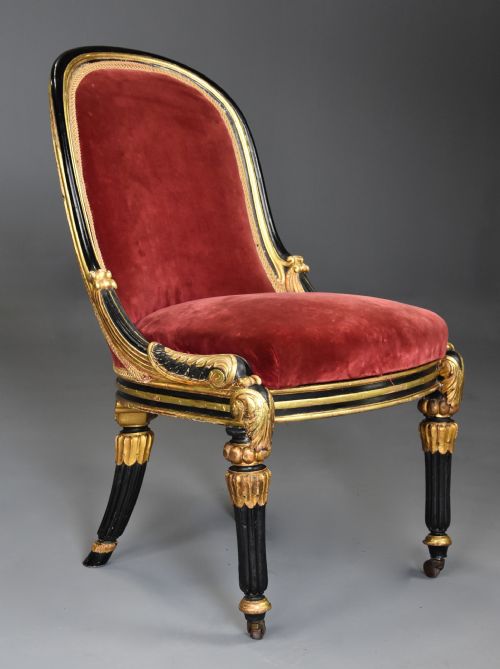
Period desk seating comprises chairs designed for study, writing, and library use originating from past centuries. When buyers search for period desk seating, they encounter various forms including armchairs, side chairs, and carver chairs.
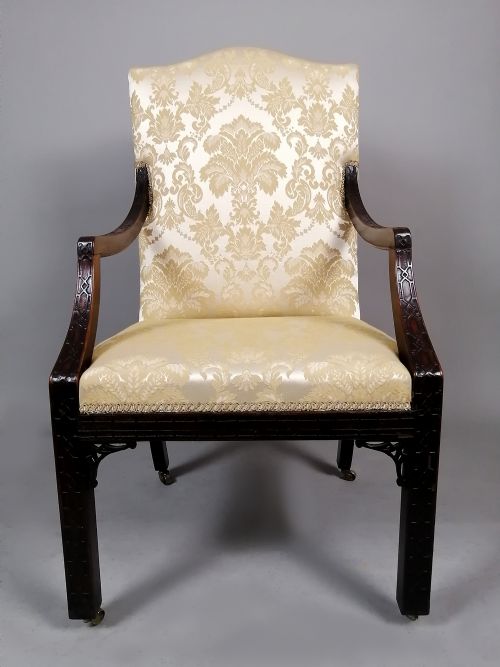
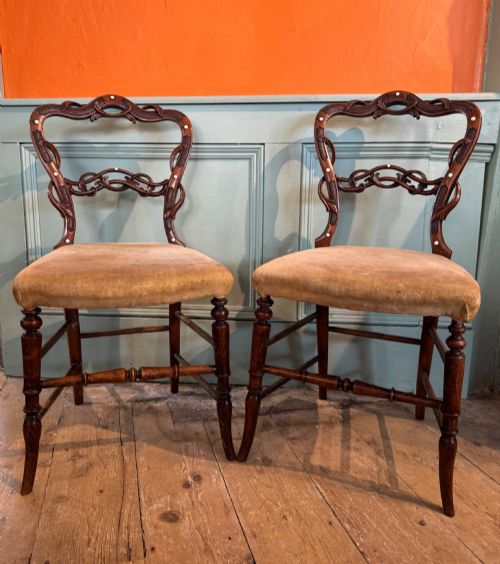
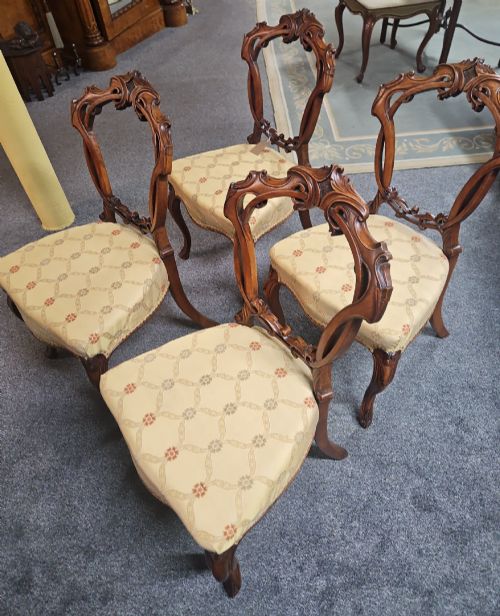
The selection ranges from early eighteenth-century walnut examples to nineteenth-century mahogany library armchairs and Edwardian pieces. These seats provide functional utility alongside historical character.
Makers and craftsmen across different eras utilised durable timbers and traditional construction methods to build chairs intended for daily use in studies and libraries.
Materials and construction
Makers constructed these chairs primarily using dense timbers such as mahogany, walnut, elm, and birch. Joinery techniques relied on mortise and tenon joints to ensure structural stability for daily seating.
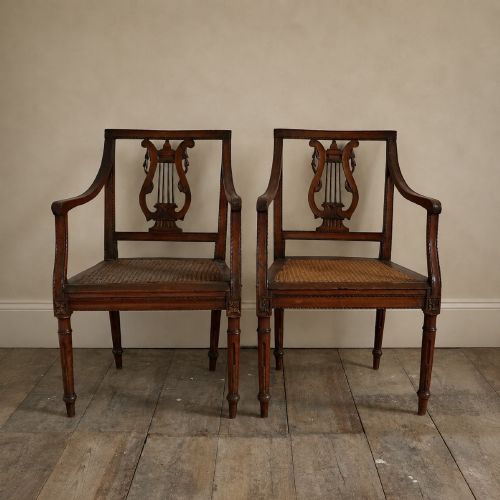
Upholstery materials include leather, velvet, fabric, textile, and tapestry, often paired with cane seats or brass inlay details. These traditional materials reflect the specific aesthetic preferences of periods from the seventeenth century through to the twentieth century.
Materials recorded across the inventory include mahogany, walnut, elm, birch, leather, velvet, brass, and cane.
Quality variations
Quality in these chairs depends upon the crispness of carved details, the choice of timber grain, and the integrity of the original frame construction. Superior examples retain their structural form and feature refined proportions.
The presence of original upholstery materials, cane work, or brass inlay distinguishes finer pieces from later replacements or heavily restored alternatives.
Charles Tozer
The Period Desk Seating Glossary
- Carver chair
- An armchair, often designed to match a set of smaller dining or side chairs, typically used at the head of a table or at a desk.
- Side chair
- A chair without arms, built for general use around a room, table, or desk.
- Library armchair
- A substantial upholstered chair designed for comfort during extended periods of reading or writing.
- Cane seat
- A seating surface woven from rattan or similar plant material, offering flexibility and traditional appearance.
Period Desk Seating: Frequently Asked Questions
What is period desk seating?
Period desk seating refers to historic chairs designed for writing desks and libraries, originating from eras such as the Georgian, Regency, and Victorian periods.
These pieces combine functional seating with period woodworking styles and traditional materials like mahogany and leather.
How do I identify a Georgian desk chair?
Georgian desk chairs are typically constructed from mahogany or walnut, featuring characteristic stylistic details such as carved backs and sturdy frames.
They reflect the furniture design trends of the eighteenth century and early nineteenth century.
Were these chairs used only for writing?
While many were built for writing tables and libraries, their forms served multiple domestic purposes in studies, morning rooms, and parlours.
Library armchairs and elbow chairs offered added comfort for reading and conversation.
What woods were used for these chairs?
Cabinet makers utilised hardwoods including mahogany, walnut, elm, and birch depending on the prevailing style and period.
These timbers provided the necessary strength for supportive seating structures.