
Period Country Armchair
A period country armchair brings honest timber and vernacular design straight into a modern room without fuss.
Period Country Armchair
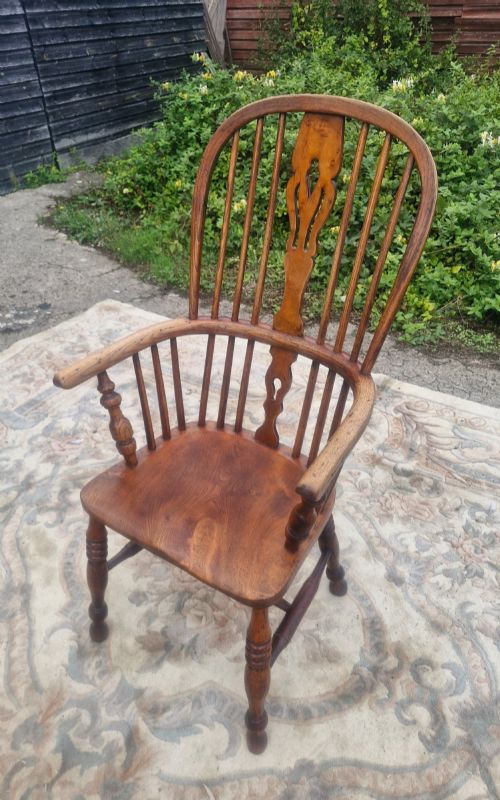
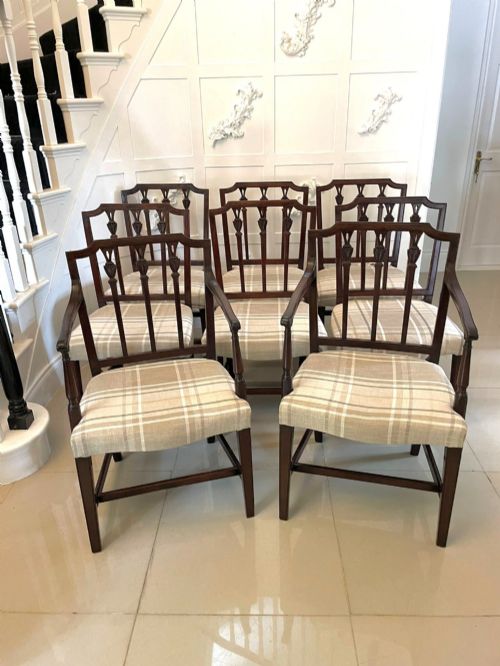
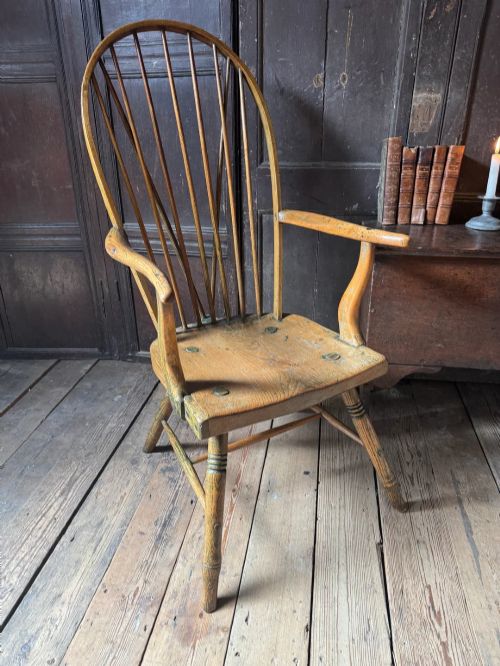
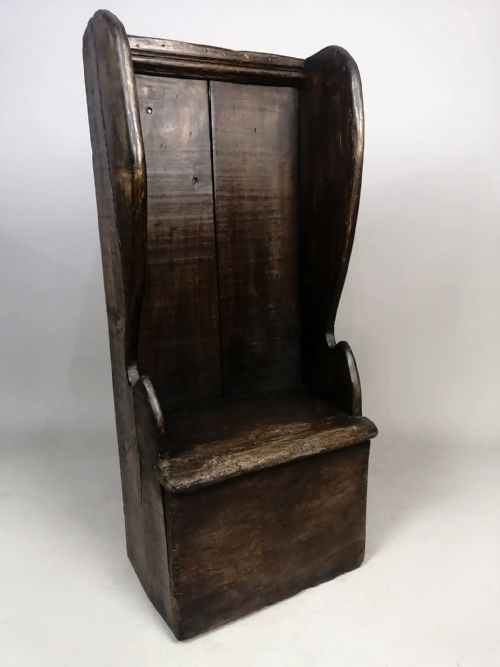
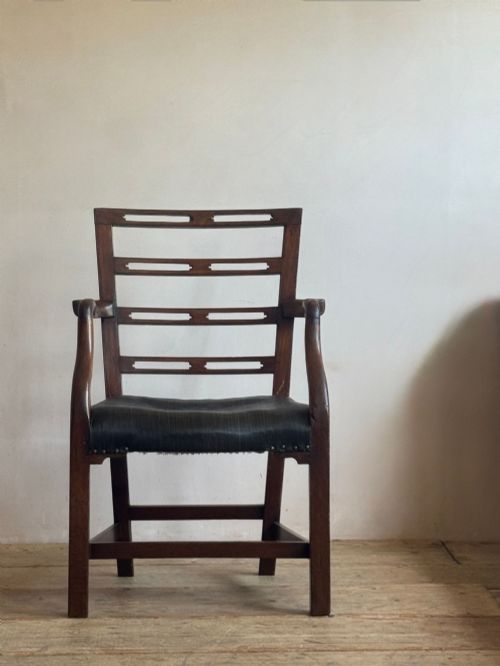
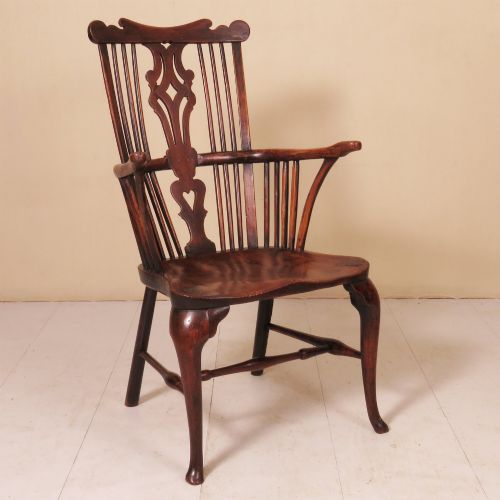
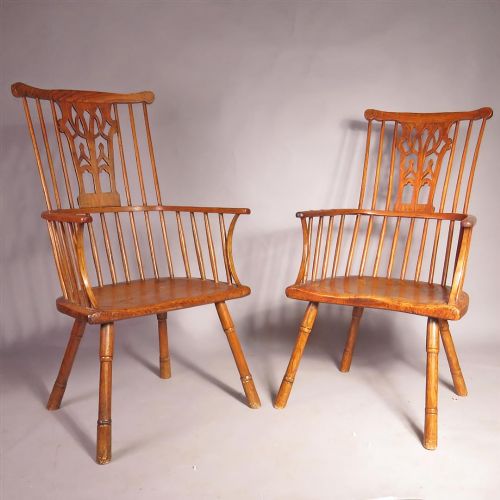
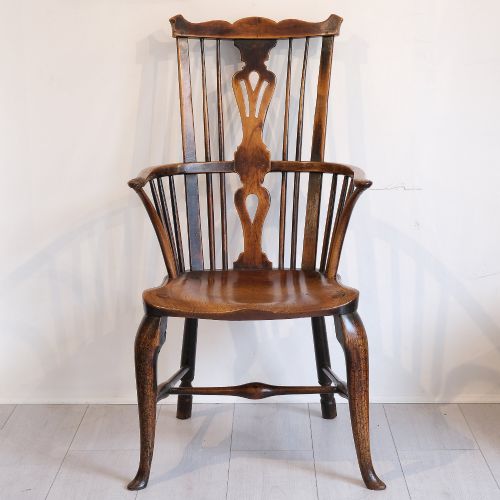
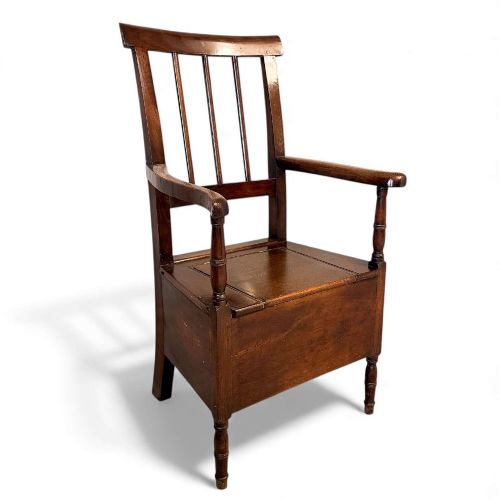
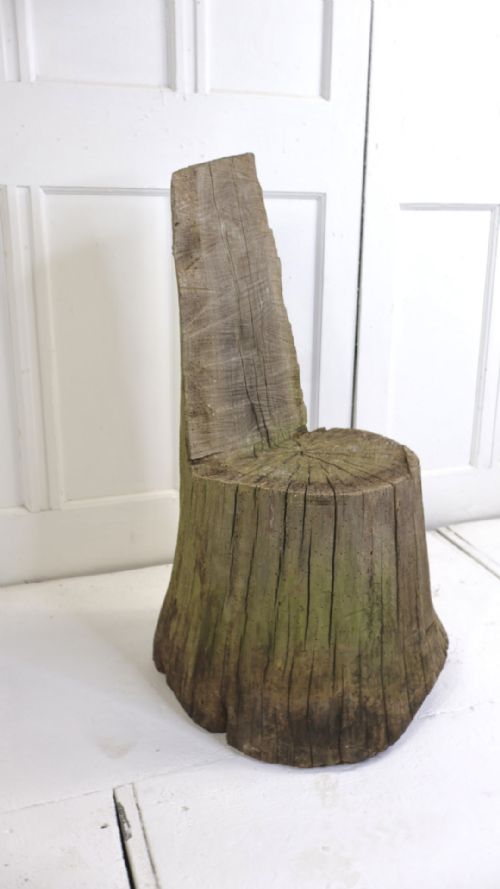
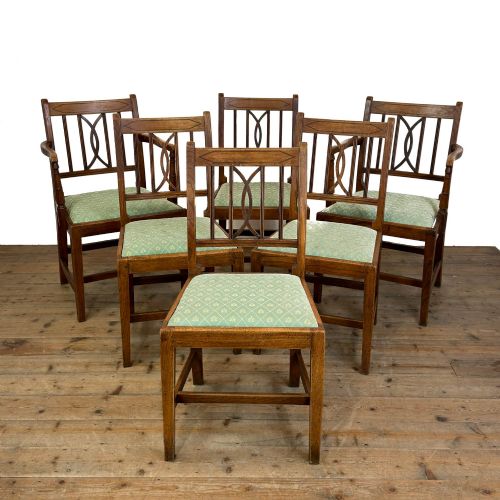
A period country armchair is typically built from domestic hardwoods like oak, elm, ash, and fruitwood, shaped by local makers rather than metropolitan workshops. When you search for this phrase, you encounter heavy wainscot chairs, stick-back Windsors, and ladder-backs spanning from the seventeenth century through to the Victorian era. These seating forms served practical daily life in farmhouses, cottages, and provincial houses before becoming sought-after pieces of antique furniture.
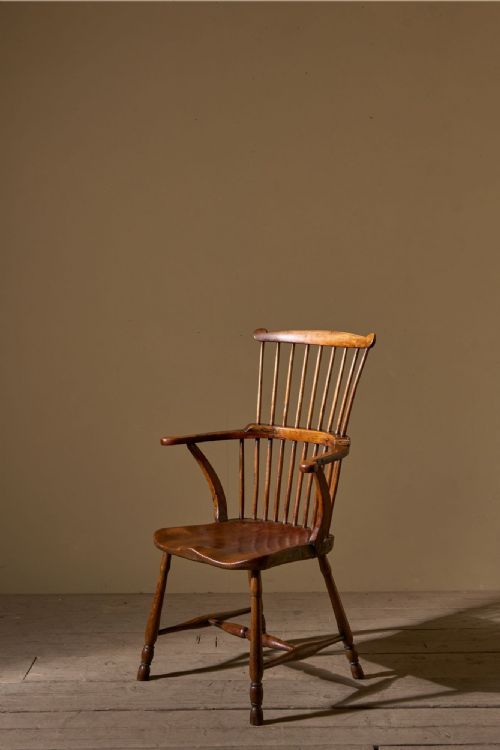
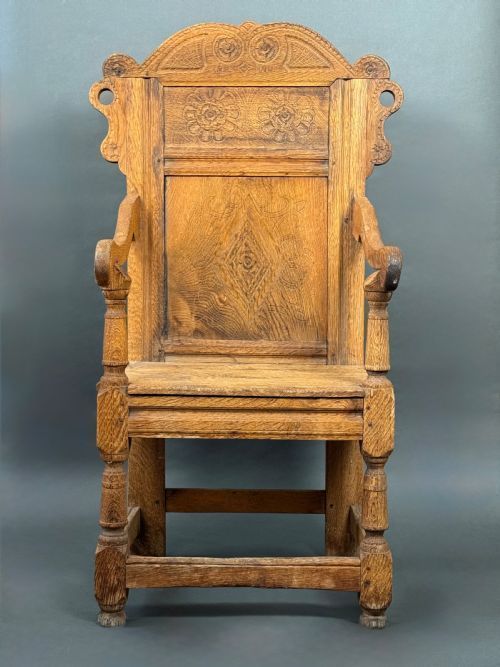
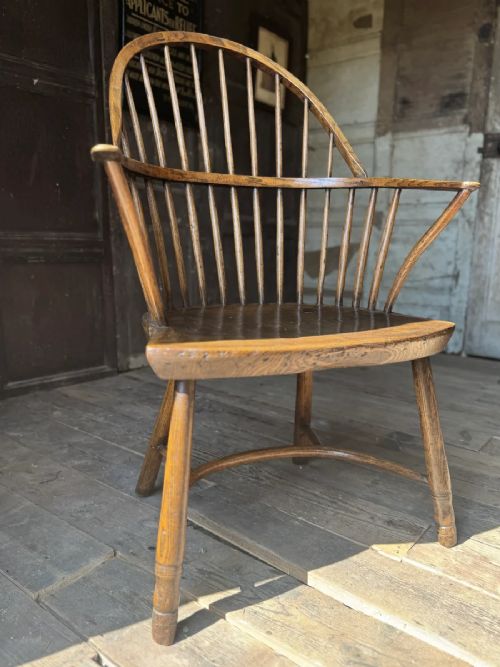
The version you are most likely to meet on this page is the Windsor chair in ash and elm, often carrying a crinoline stretcher or a comb back. Wainscot chairs in solid oak also appear frequently alongside vernacular ladder-backs and occasional child variants. They rely on traditional joinery, pegged joints, and solid timber seats rather than elaborate upholstery or veneer.
How they were made
Carpenters and village joiners utilised native timbers available in their locality, pairing sturdy oak frames with flexible ash or elm for bentwood parts like hoop backs and spindles. Turning lathes shaped legs and stretchers, while adzes and drawknives hollowed out solid wood seats for comfort.
Joinery relied heavily on mortise and tenon joints secured with wooden pegs rather than metal nails, allowing the timber to move naturally over centuries. Surface finishing involved simple wax or oil applications, bringing out the natural grain and deep colour of fruitwood, walnut, and oak.
What varies in quality
Quality rests in the integrity of the original timber, the crispness of any turned details, and how much original surface patination remains intact. An armchair that retains its early colour and unaltered legs sits at the upper end of the range.
Excessive replacement of spindles, heavily sanded seats, or replaced undercarriages alter the balance and historical value of the piece. The skill of the original country maker shows in the comfort of the backrake and the proportion of the arm supports.
Gillows
The Period Country Armchair Glossary
- Wainscot armchair
- A heavy wooden chair made primarily of oak, featuring panelled backs and solid armrests typical of the seventeenth century and earlier. They originate from an era when chairs denoted status.
- Windsor chair
- A chair built with a solid wooden seat into which the legs and back spindles are separately inserted. They often combine elm seats with ash bentwood backs.
- Crinoline stretcher
- A curved hoop stretcher connecting the legs of a Windsor chair to provide structural rigidity. It earned its name from its fancied resemblance to Victorian hooped skirts.
- Comb back
- A Windsor chair design where the top rail resembles the spine of a comb, with vertical spindles rising through a low horizontal arm-rail. This form provides supportive headrest space.
- Vernacular furniture
- Items made by local provincial craftsmen following regional traditions rather than following formal London pattern books. These pieces prioritise utility and local material availability.
Period Country Armchair: Frequently Asked Questions
How do I spot an 18th century Windsor armchair?
Look for construction details such as wedged leg tenons protruding through the seat, peg fastenings, and native timbers like elm seats paired with ash spindles. Eighteenth-century examples often display subtle tool marks from adzes and drawknives on the underside of the seat.
Examine the design of the back bow and stretchers, as earlier chairs tend to feature simpler, heavier turnings. The colour and accumulated surface wax built up over generations also help indicate true age.
Where were country armchairs originally used?
These armchairs sat beside hearths in farmhouses, cottages, and provincial manor houses where durability mattered more than fashionable display. Their robust construction suited daily heavy use by families and workers.
Over time, many migrated from kitchens and parlours into libraries and studies as collectors began valuing vernacular design. Today, they function well as desk chairs or accent seating in modern interiors.
Are oak wainscot chairs comfortable?
Solid wood wainscot chairs are upright and firm, reflecting the formal posture of the seventeenth century rather than modern lounging habits. They were designed to support the back straight during meals or meetings.
Owners usually add a loose squab cushion or pad made from antique fabric to soften the wooden seat. This addition provides comfort while keeping the original frame entirely untouched.
What is the difference between ash and elm in chairs?
Elm has an interlocking grain that resists splitting, making it the preferred traditional timber for solid carved chair seats. Ash offers exceptional flexibility and strength, which explains why makers used it for steam-bent hoops and slender spindles.
Together, these two native woods gave country chair makers the ideal combination for lightweight yet sturdy seating. Their distinct grain patterns become more pronounced as the wood dries and ages over centuries.