

Period Coffer Chest
A period coffer chest is a sturdy antique storage box that brings centuries of solid construction and tactile wood grain into a modern room.
Period Coffer Chest
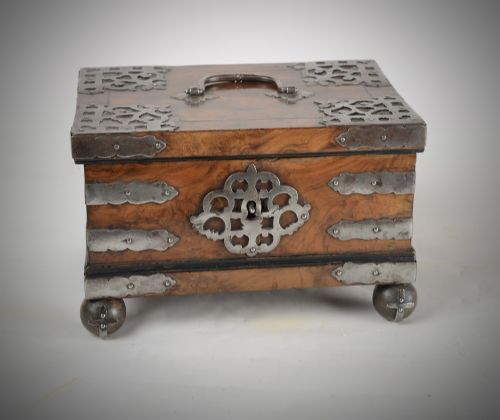
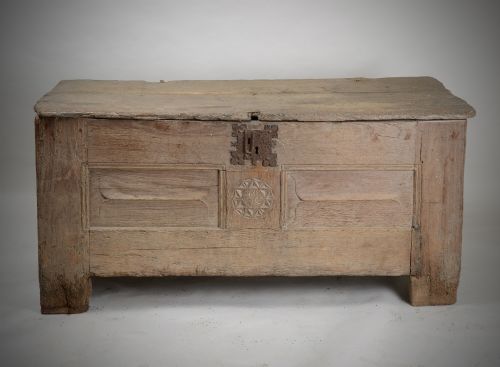
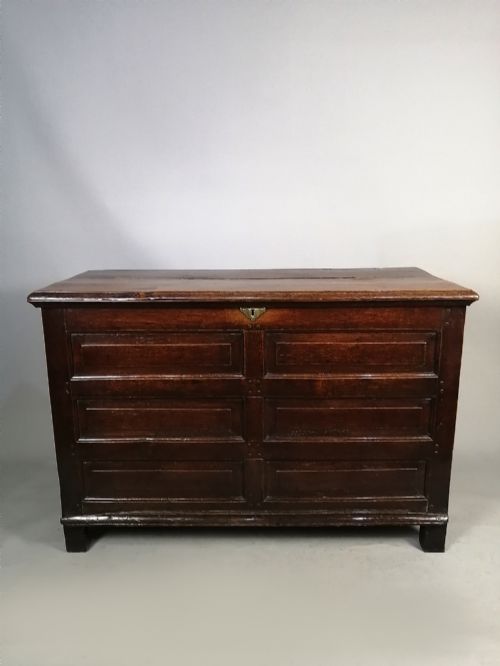
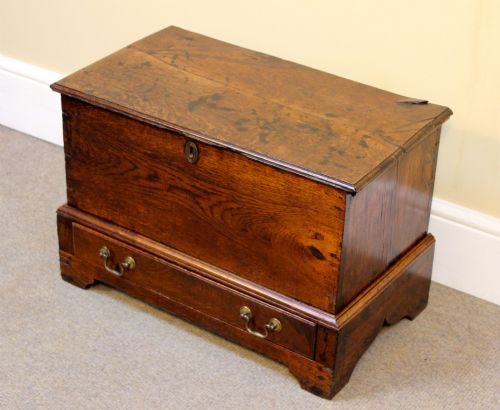
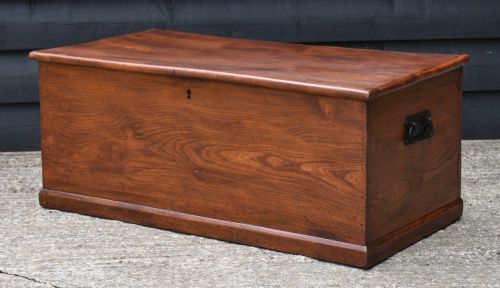
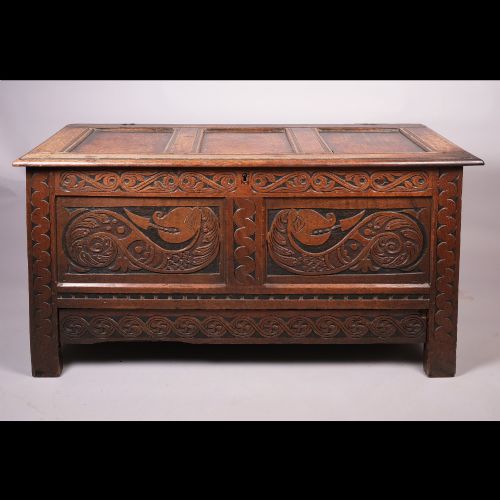
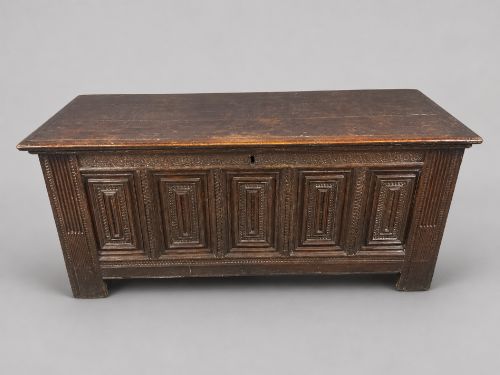
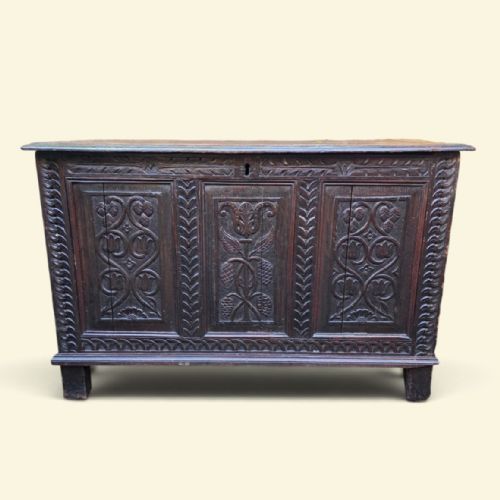
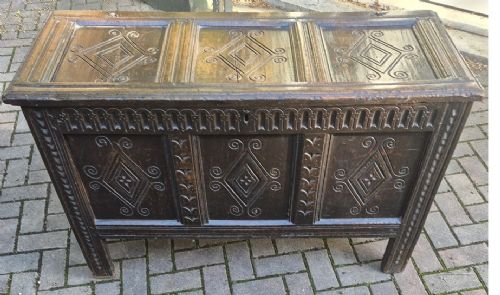
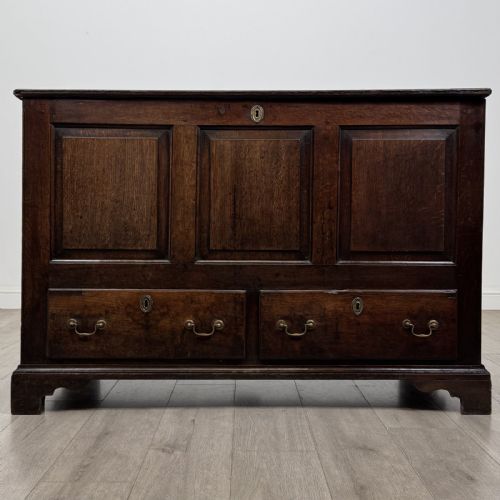
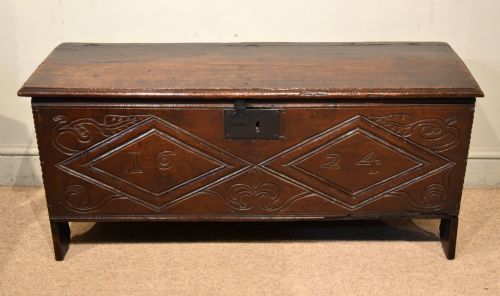
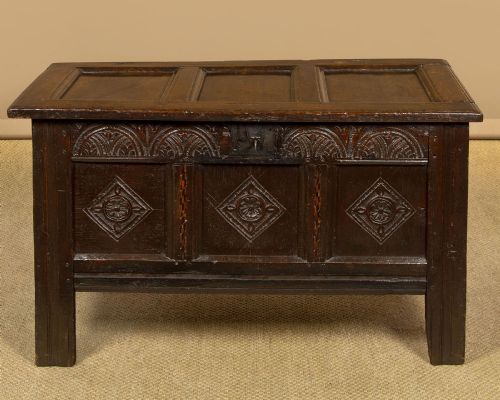
A period coffer chest is essentially a heavy wooden storage box used historically for blankets, valuables or documents, and the pieces found here span from the sixteenth to the nineteenth century. Most examples on this page are constructed from oak, ranging from simple boarded forms to joined and panelled boxes bearing carved details or marquetry inlay.
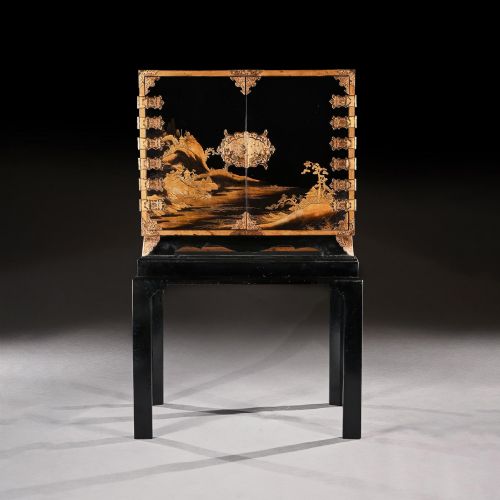
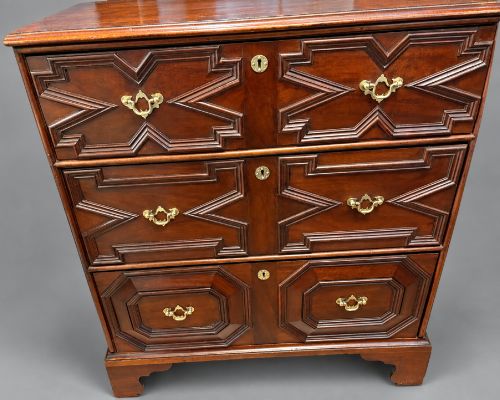
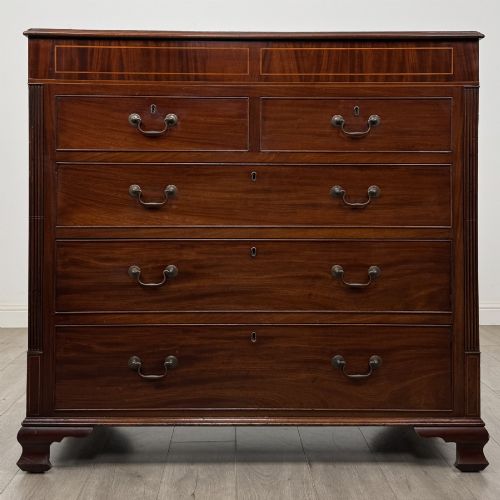
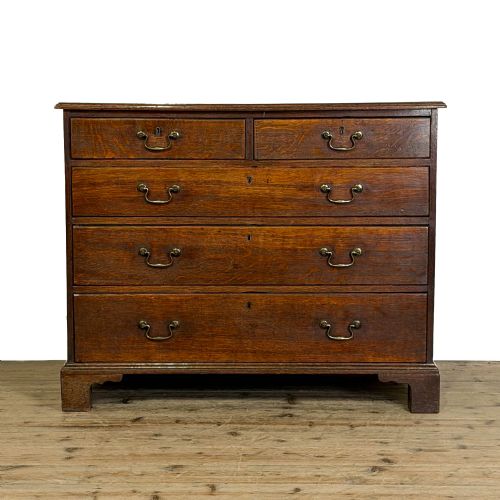
Beyond the standard oak coffer, listings include related storage forms such as mule chests with lower drawers, small bible boxes, and chests of drawers in mahogany, kingwood, or lacquer. These diverse forms reflect centuries of domestic storage evolution, moving from basic boarded receptacles to complex joined furniture.
How They Were Made
Timber frame construction defines these pieces, relying heavily on native oak joined with mortise and tenon joints secured by wooden pegs. Earlier examples utilise six plank boards or heavy framing panels, whilst later additions incorporate mahogany, lacquer, and timber inlay.
Iron and brass hardware played an essential structural and decorative role, visible in hand-forged strap hinges, decorative escutcheons, and complex iron locks dating from the sixteenth century onwards.
Period Coffer Chest Retail Price Guide 2026
Typical asking prices for period coffer chest among the pieces listed under this phrase on Sellingantiques today, from the lower quarter to the upper quarter. They describe what is for sale here now, not the wider market.
Some early sixteenth-century oak chests hide carved winged fantastic beasts on their boards, keeping watch over centuries of old blankets.
What Varies in Quality
The degree of original surface patination and timber selection distinguishes standard utility boxes from exceptional examples. Fine carving, crisp geometric mouldings, and intact period hardware elevate a piece, whereas heavy timber replacement diminishes historical integrity.
Proportion and structural honesty dictate the calibre of a coffer. Pieces retaining their original feet, hinges, and board thickness sit at the top of the range, while domestic alterations or extensive board replacement lower the standing of the chest.
J Moorcroft
The Period Coffer Chest Glossary
- Mule chest
- A storage chest that incorporates one or more drawers beneath the main internal compartment. This form bridges the gap between the traditional coffer and the modern chest of drawers.
- Marquetry
- Decorative veneer work using various coloured woods to create pictorial or geometric patterns on the surface. It appears on finer seventeenth-century coffers.
- Boarded chest
- A primitive box constructed from thick planks fastened together with nails or pegs rather than joined frames. Six plank sword chests belong to this group.
- Joined oak
- Furniture construction utilising closely fitted mortise and tenon joints secured by wooden dowels. This method provides superior strength compared to simple nailed boards.
Period Coffer Chest: Frequently Asked Questions
What is a period coffer chest?
A period coffer chest is an antique wooden storage box dating from earlier centuries, primarily built to hold household textiles, valuables, or documents.
These pieces range from sixteenth-century boarded boxes to finely carved seventeenth-century panelled coffers and later mahogany variations.
How were coffers used historically?
Historically, these boxes served as secure storage for domestic goods, church plate, and personal belongings when houses lacked fitted wardrobes.
Because they were heavy and robust, they also functioned as impromptu benches or tables within the home.
How do I live with a coffer?
A coffer works well in a hallway as a boot bench, at the foot of a bed for spare blankets, or as a coffee table in a living room.
Keep them away from direct heat sources to prevent the old timber from drying out and splitting.
How do I tell periods apart?
Sixteenth and seventeenth-century pieces typically feature heavy oak construction, hand-carved panels, and pegged joints, often showing simple boarded designs or geometric mouldings.
Later eighteenth and nineteenth-century examples introduce mahogany timbers, brass fittings, dovetailed drawers, and refined classical veneering techniques.