

Period Cabinet
A period cabinet spans centuries of craftsmanship, offering practical storage and rich historic character for the home.
Period Cabinet
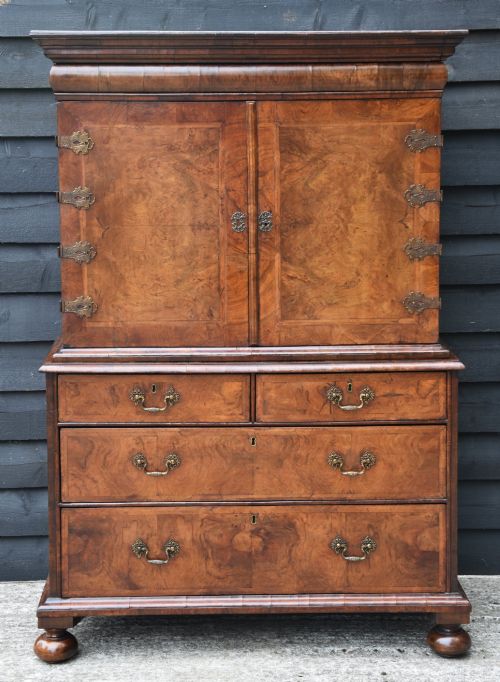
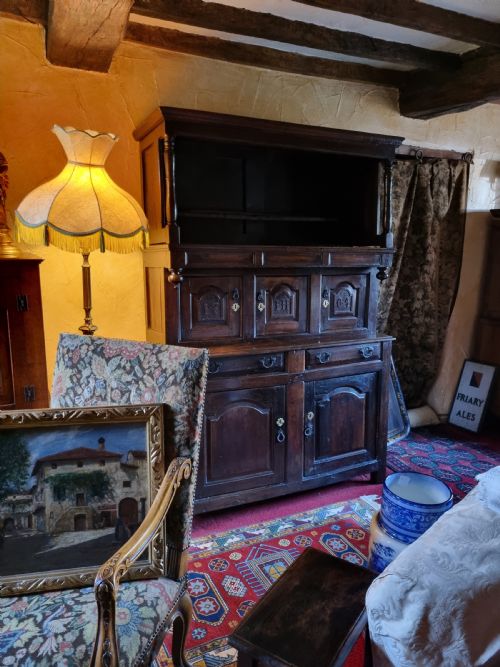
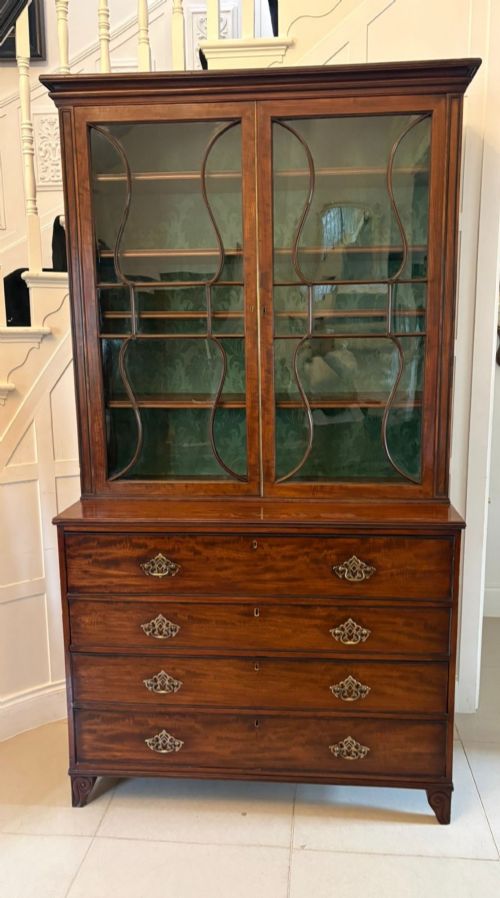
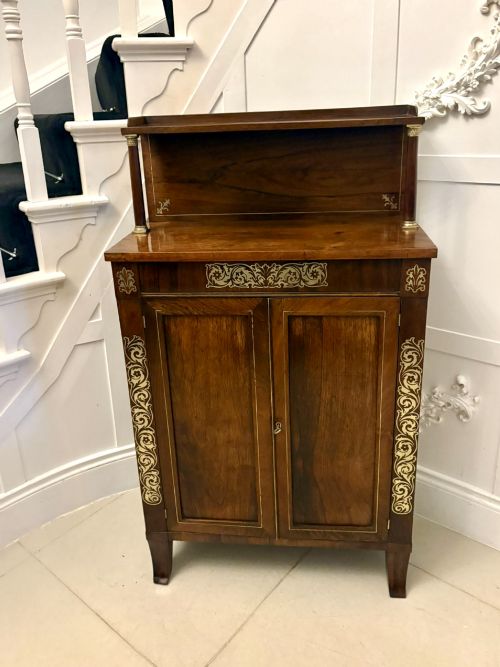
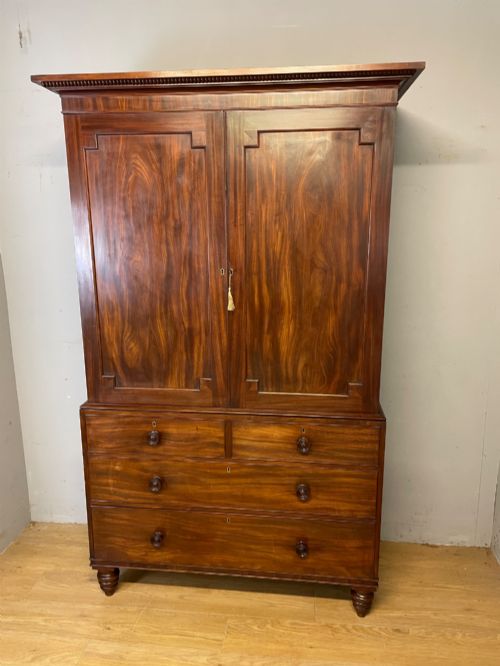
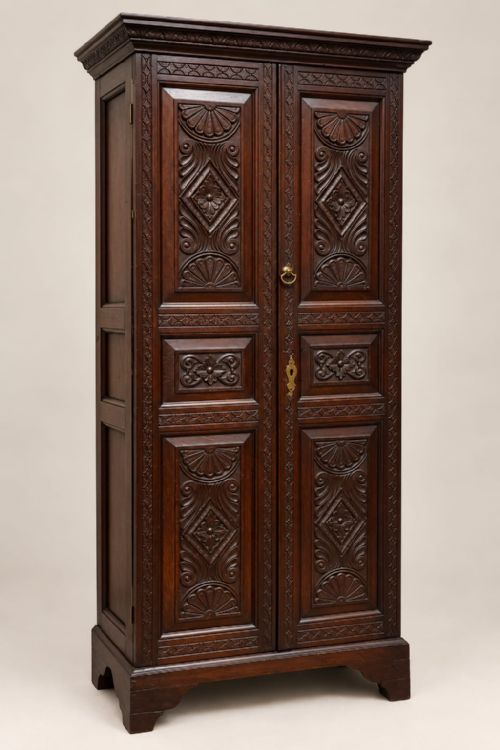
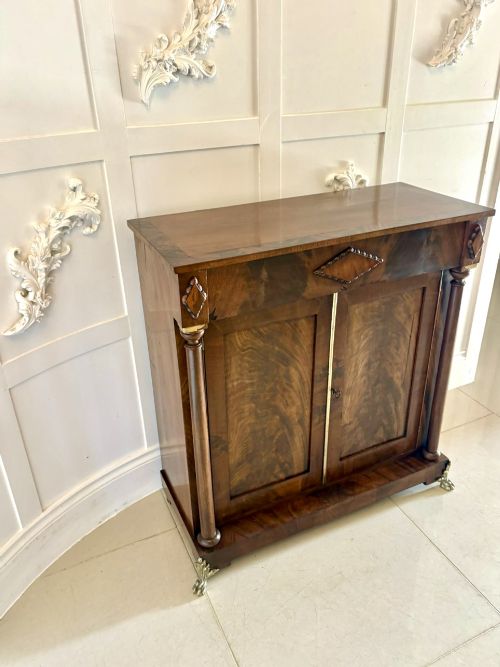
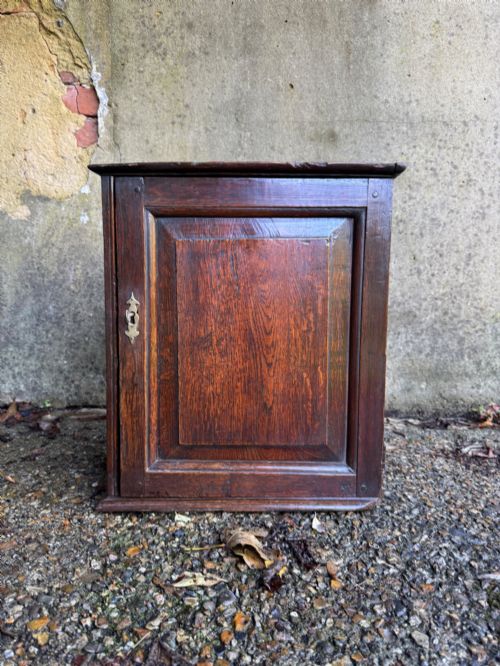
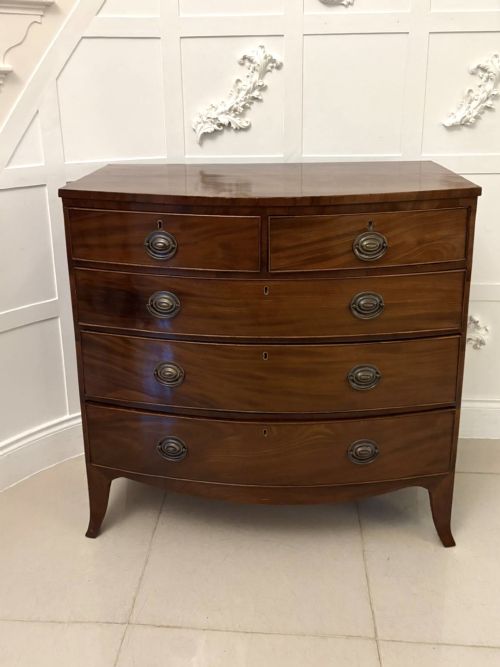
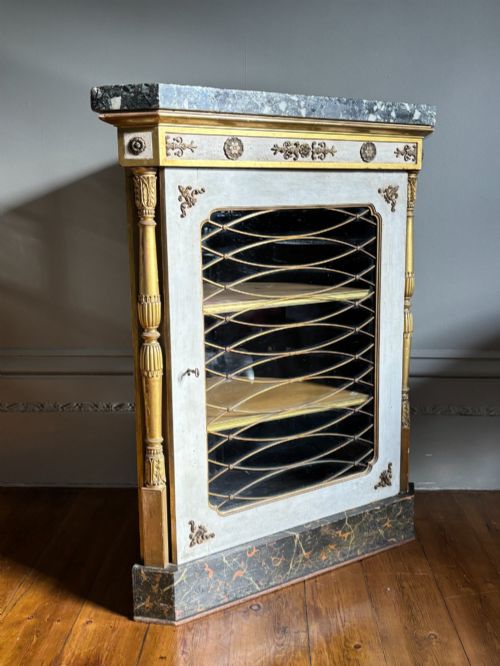
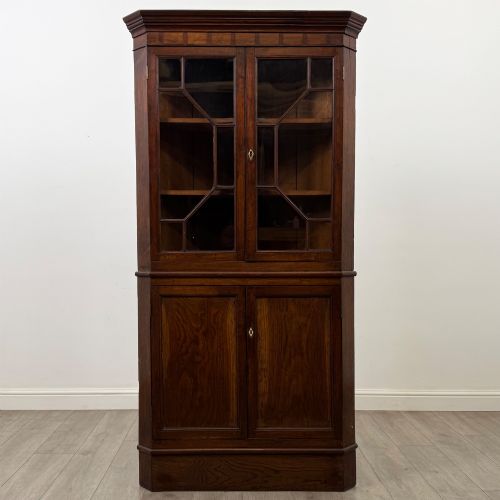
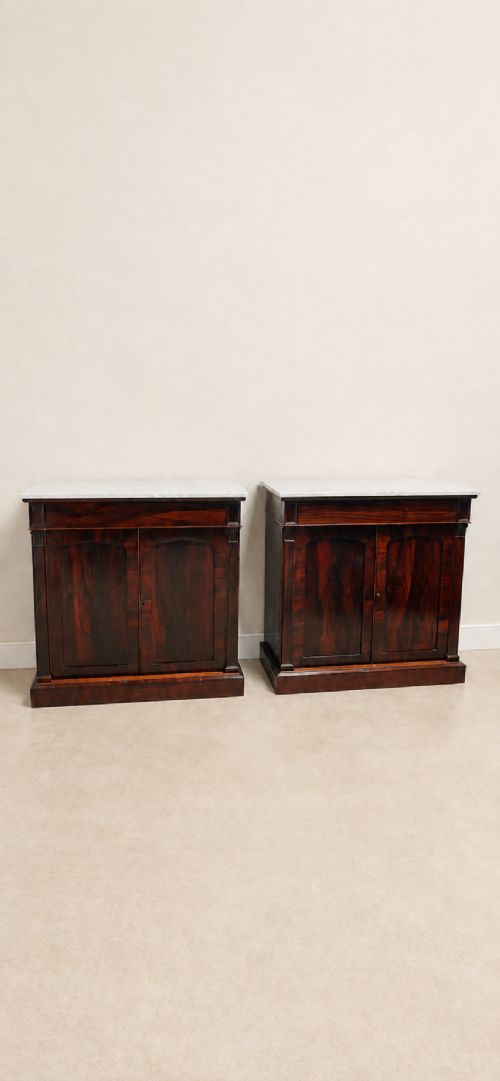
A period cabinet encompasses a diverse range of historic storage furniture, from Georgian bookcases and Regency chiffoniers to 17th-century oak cupboards. Buyers seeking a period cabinet will encounter various forms designed for specific domestic uses, such as corner cabinets, display cabinets, sideboards, and linen presses.
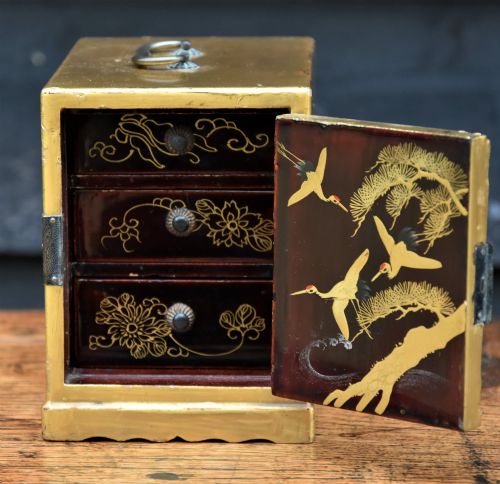
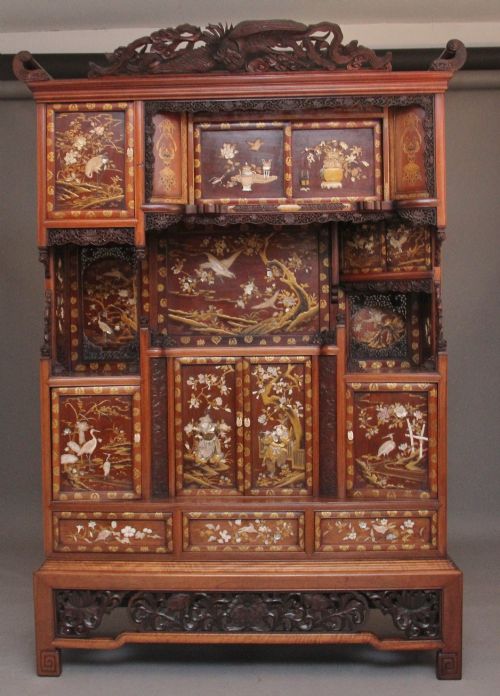
The selection reflects multiple eras, prominently featuring Georgian and Regency designs alongside earlier 17th-century pieces and later Edwardian items. Alongside traditional British cabinetry, the inventory includes Japanese Meiji period hardwood display cabinets and shodonas.
These items serve as functional furniture and focal points in a room, combining historical significance with timber construction. Each form demonstrates the domestic requirements and aesthetic preferences of its respective century.
How they were made
Makers utilised dense timbers such as mahogany, oak, rosewood, and walnut, often applying veneers like flame mahogany or satinwood to create figured surfaces. Brass hardware, gold leaf, and glass panels frequently complement the woodwork.
Construction techniques include panelled doors, hand-cut dovetails for drawers, and intricate carving, particularly evident in George III and Meiji period examples. Surface treatments range from polished wood grains to red lacquer and gilt decoration.
Period Cabinet Retail Price Guide 2026
Typical asking prices for period cabinet among the pieces listed under this phrase on Sellingantiques today, from the lower quarter to the upper quarter. They describe what is for sale here now, not the wider market.
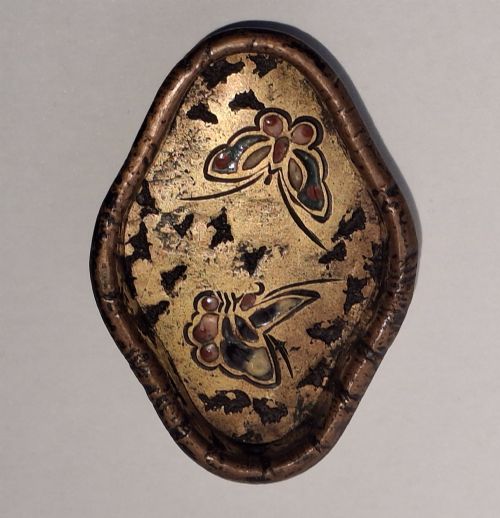
A butterfly hikite door pull brings a touch of Japanese Meiji craftsmanship to everyday hardware.
What varies in quality
The standard of a piece depends heavily on the selection of timber veneers, such as figured mahogany or rosewood, and the crispness of hand-carved details. Superior examples exhibit precise joinery and well-matched grain patterns across large surfaces.
Attribution to known workshops or the inclusion of refined secondary elements like brass mounts and intact glass elevate a piece. The integrity of the original construction and the preservation of the surface finish distinguish finer specimens from simpler utility items.
Gillows of Lancaster·Duesbury and Kean·Spode Felspar·H and R Daniel
The Period Cabinet Glossary
- Chiffonier
- A low cabinet originating in the 19th century, typically featuring enclosed shelving below and sometimes a raised superstructure.
- Linen press
- A tall piece of furniture designed for storing textiles, usually combining sliding trays in the upper section with drawers below.
- Secretaire
- A desk form incorporating a pull-down writing flap that conceals small drawers and pigeonholes within a cabinet structure.
- Shodona
- A traditional Japanese multi-tiered display cabinet or shelving unit, often elaborately carved from hardwood during the Meiji period.
- Cellarette
- A dedicated container or box used for storing bottles of wine, frequently lined and fitted with internal compartments.
Period Cabinet: Frequently Asked Questions
How do I date a wooden cabinet?
Dating relies on identifying the primary timber, construction methods such as dovetailing, and stylistic markers associated with specific reigns like George III or the Regency period.
Secondary woods and hardware fastenings also provide reliable clues to the decade of manufacture.
What is the difference between a chiffonier and a sideboard?
A chiffonier is generally smaller and often includes a closed cabinet section beneath a shelf, popular during the 19th century for living spaces.
Sideboards are traditionally larger dining room pieces designed for serving food and storing tableware.
How should I care for antique mahogany furniture?
Maintain a stable indoor climate away from direct sunlight and extreme temperature fluctuations to prevent timber from splitting or warping.
Apply traditional beeswax periodically and buff gently with a soft cloth to preserve the polished finish.
Are Japanese Meiji period cabinets fragile?
Meiji period items feature intricate carvings and specialised finishes like lacquer, which require careful handling during placement and cleaning.
Their hardwood structures are robust, but delicate decorative elements demand gentle maintenance.