

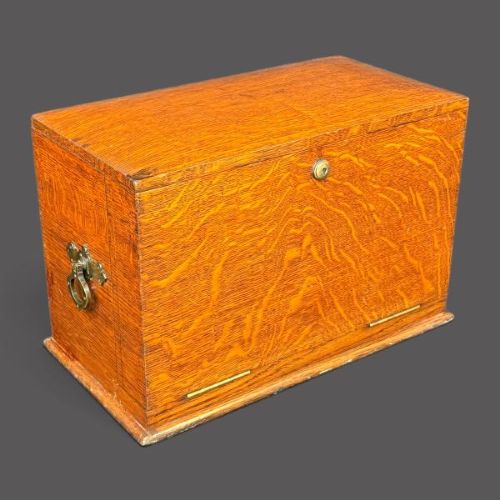
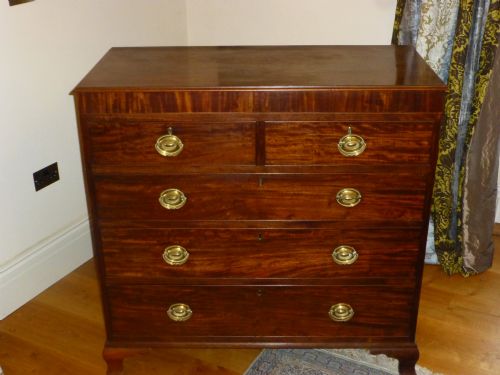
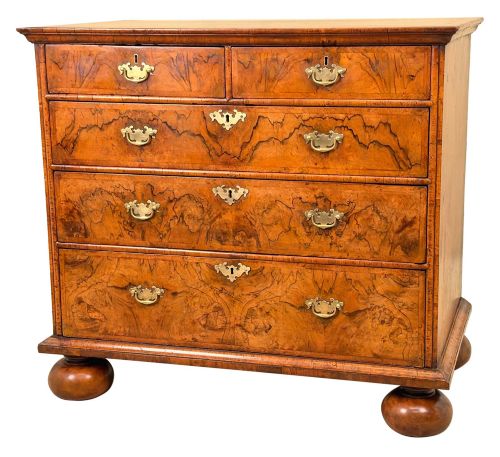
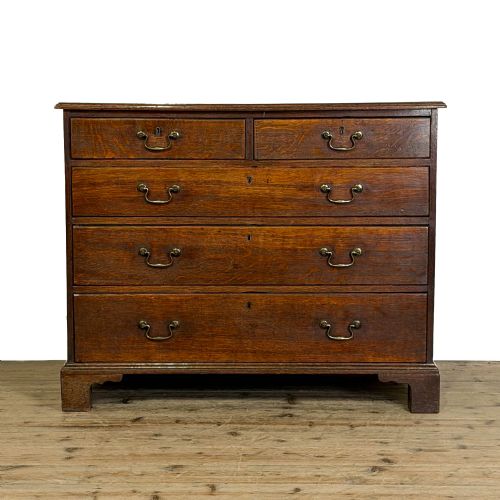
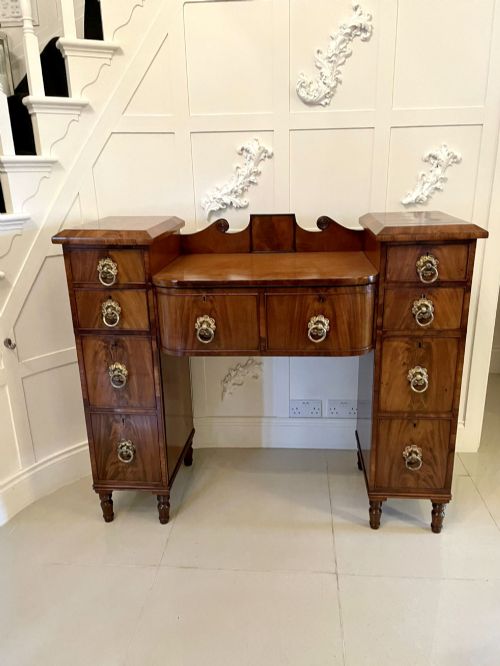

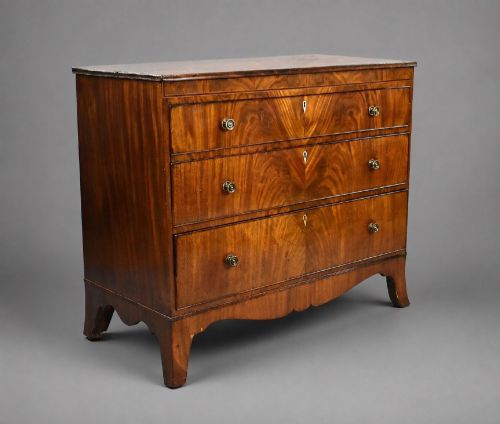
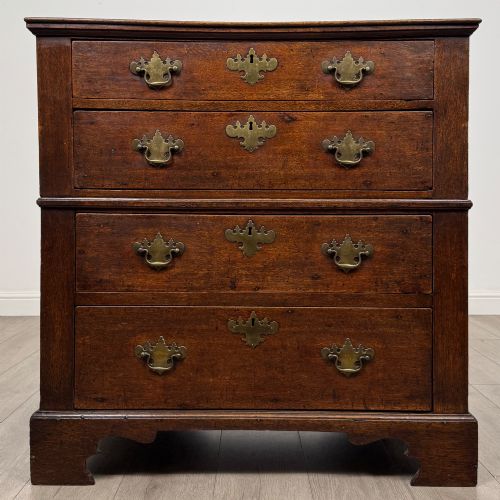
Period Bureau Chest
A period bureau chest combines writing facilities with drawer storage, offering fine timber surfaces and clever fitted interiors for daily study.
Period Bureau Chest
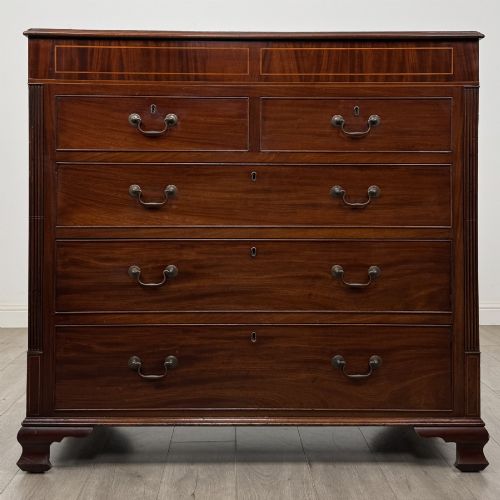
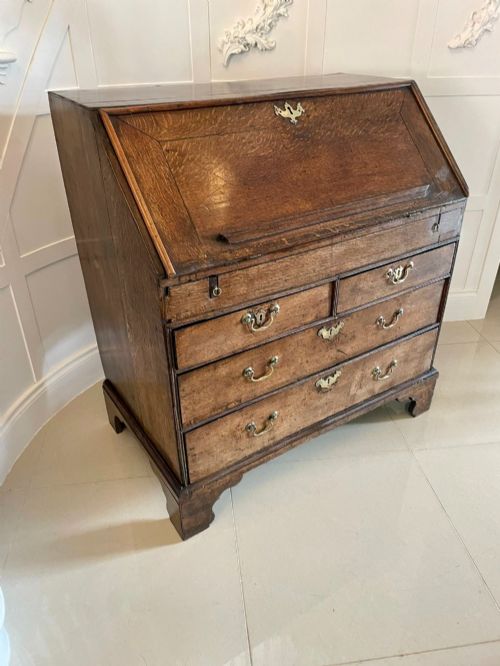
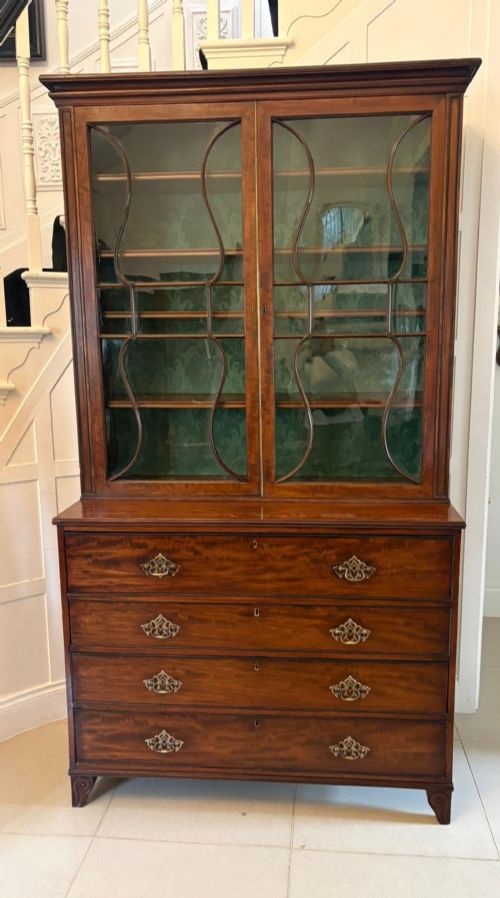
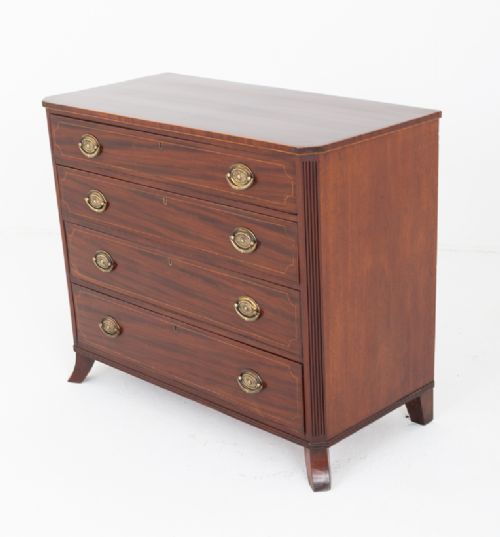
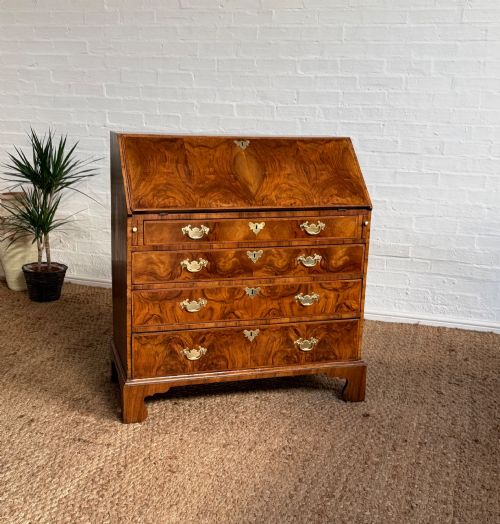
A period bureau chest primarily encompasses practical timber forms designed for storage and private writing, spanning the seventeenth, eighteenth, and nineteenth centuries. These items frequently merge chest of drawers layouts with sloping fall-front desks or fitted secretaire compartments.
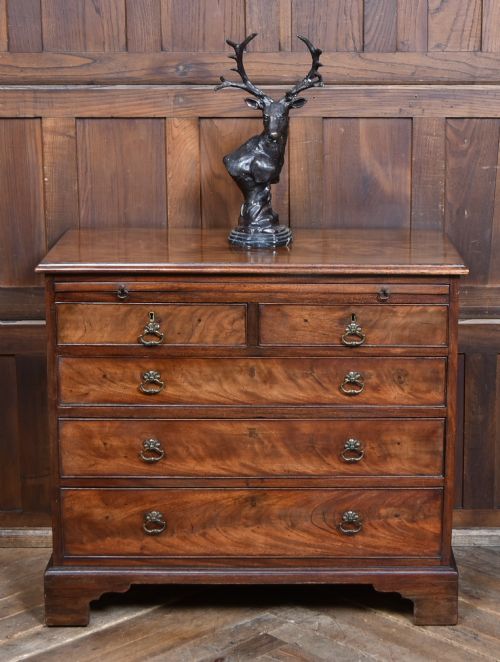
Buyers encountering this group will commonly meet Georgian and Regency examples fashioned in mahogany, oak, or walnut. Many pieces incorporate specialised interior fittings such as pigeonholes, small drawers, and leather writing surfaces alongside brass hardware.
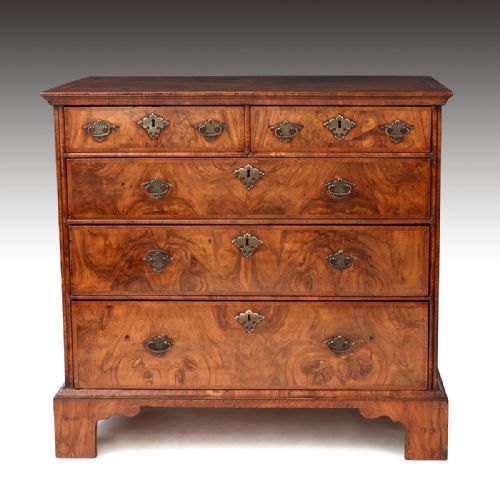
Earlier iterations date back to the seventeenth century in oak and walnut, displaying geometric mouldings or William and Mary styling. The selection extends through George II and George III periods up to later Regency and Victorian variations.
How they were made
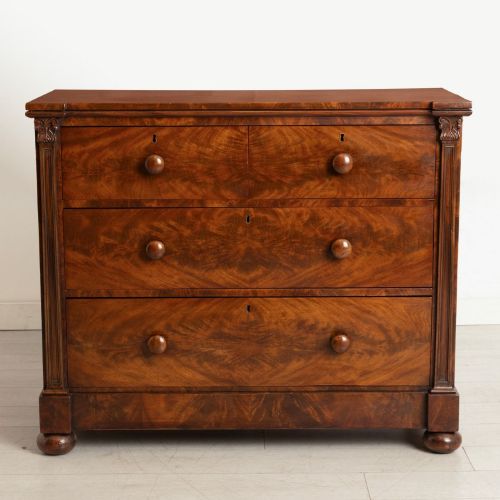
Cabinet makers utilised solid and veneered timbers including mahogany, oak, walnut, burr walnut, satinwood, and elm for these structures. Surfaces often feature figured grain patterns, feathered banding, and applied geometric mouldings.
Internal components incorporate fitted desk compartments alongside brass handles, bone details, and leather writing inserts. Structural joinery relies on period techniques suited to heavy hardwoods and dovetailed drawer construction.
Period Bureau Chest Retail Price Guide 2026
Typical asking prices for period bureau chest among the pieces listed under this phrase on Sellingantiques today, from the lower quarter to the upper quarter. They describe what is for sale here now, not the wider market.
Listings feature pieces spanning the seventeenth century through to the Victorian era, executed in oak, mahogany, walnut, and satinwood.
What varies in quality
The degree of refinement in timber selection separates standard items from exceptional ones, particularly regarding figured grain, burr walnut veneers, and matched drawer fronts. The complexity and preservation of fitted desk interiors also dictate the overall standard.
Proportion and execution of period mouldings, brass hardware integration, and cabinetry skill further distinguish the finer pieces within the group. Original surface patination and undisturbed structural integrity complete the hierarchy of quality.
Thomas Chippendale
The Period Bureau Chest Glossary
- Bureau
- A desk featuring a sloping lid that opens to reveal a fitted interior of small drawers and pigeonholes.
- Secretaire
- A piece of furniture containing a pull-out or drop-down writing drawer disguised as a standard drawer front.
- Tallboy
- A tall chest of drawers consisting of one chest stacked upon another, often associated with eighteenth century forms.
- Feather-banding
- Decorative inlay work using veneer strips arranged in a V-shape pattern around drawer borders.
Period Bureau Chest: Frequently Asked Questions
What is a period bureau chest?
A period bureau chest is a traditional storage item that incorporates a writing desk function, typically featuring a sloping fall-front or a pull-out secretaire drawer.
These pieces originate from seventeenth, eighteenth, and nineteenth century workshops, providing both drawer storage and compartmentalised desk space for correspondence.
How were these chests used historically?
Historically, these items served dual purposes as domestic storage for clothing and private spaces for reading, writing letters, and managing accounts.
The fitted interior compartments allowed owners to organise documents and stationery securely behind locked doors or folding desks.
How do you tell Georgian pieces apart from Regency ones?
Georgian pieces often display richer walnut or mahogany veneers, decorative banding, and classical proportions associated with cabinet makers of the eighteenth century.
Regency examples tend to feature bolder mahogany grains, simpler classical lines, and distinct brass mounts reflecting nineteenth century design shifts.
What woods are most common?
Mahogany, oak, and walnut dominate the selection across seventeenth, eighteenth, and nineteenth century examples.
Cabinet makers also utilised burr walnut veneers, satinwood, and elm to achieve decorative surface effects on drawer fronts and writing surfaces.