

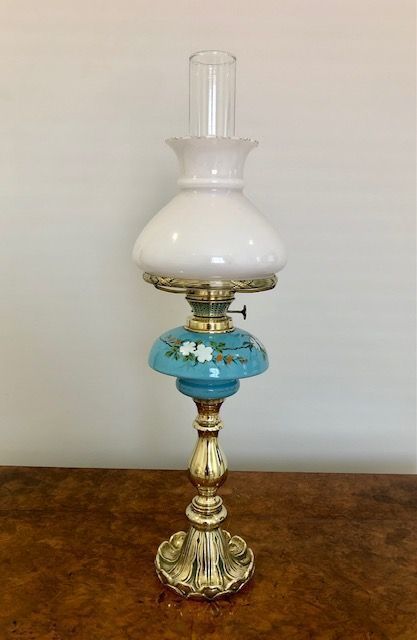


Period Brass Table Lights
Period brass table lights bring warmth and character to a room, ranging from simple Georgian candlesticks to converted Victorian oil lamps.
Period Brass Table Lights
Period brass table lights encompass functional lighting fixtures and candlesticks produced across the eighteenth, nineteenth and early twentieth centuries. These pieces trace the evolution of domestic illumination from open flame to oil burning and early electricity.
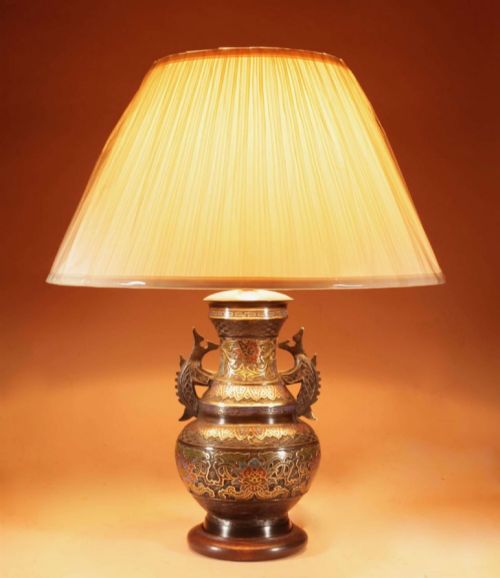
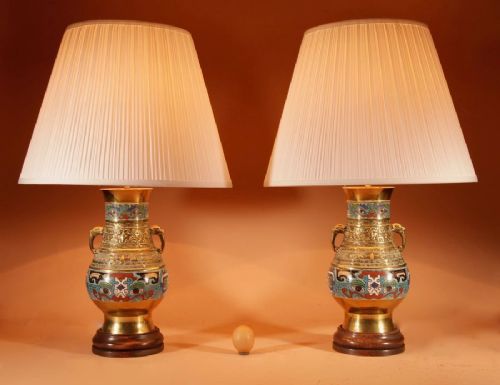
Many items begin life as utilitarian candlesticks or paraffin lamps before later conversion for modern electrical use. Others integrate imported Asian ceramics, cloisonné and champlevé enamel within European bronze and brass mounts.
How they were made
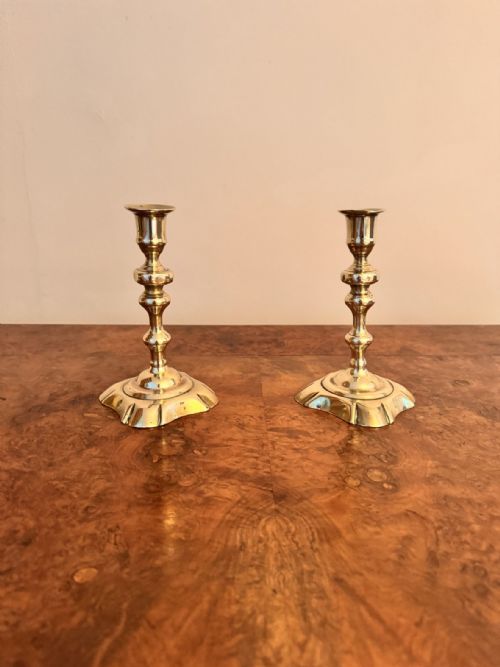
Early eighteenth-century examples rely on casting techniques using multi-part sand moulds, producing heavy components that require hand finishing on a lathe. Mid-eighteenth-century items often utilise seamed construction where sheet brass is rolled and joined.
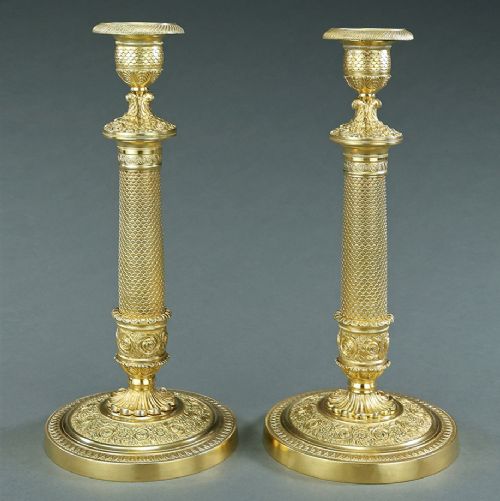
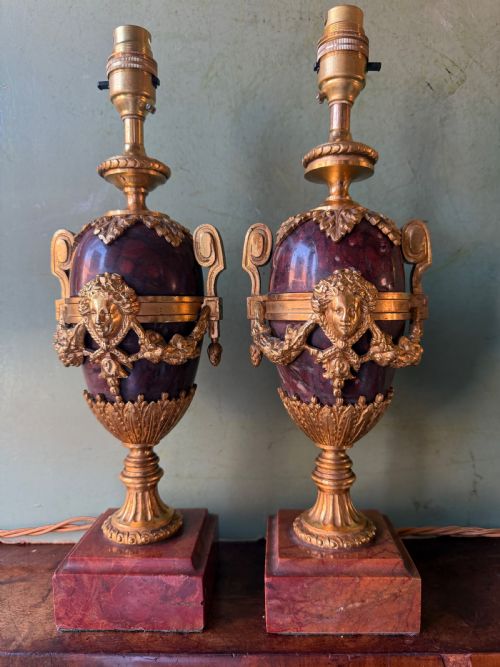
Nineteenth-century production benefits from industrial casting methods alongside assembly by skilled metalworkers who solder, rivet and screw components together. Ormolu mounts involve mercury gilding cast bronze to achieve a brilliant golden surface.
Decorative surface work includes hand-chasing, turning, and the application of enamel in cloisonné or champlevé cells. Bases frequently incorporate weighted iron or lead inserts to provide stability for tall stems and candelabra arms.
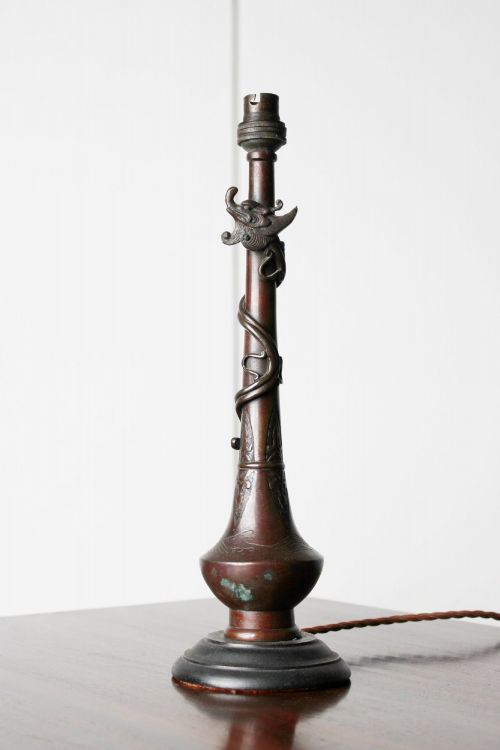
Griffin-shaded lamp designs give Victorian mantelpieces an unexpected touch of mythological theatre.
What varies in quality
Quality rests upon the crispness of casting detail and the weight of the metal utilised in the construction. Superior pieces retain sharp decorative motifs, well-proportioned components, and original surface patination without excessive aggressive polishing.
The integrity of assembly marks better manufacture, where components fit together snugly without loose joints or replacement parts. Original matching pairs demonstrate greater consistency in casting and finishing than married sets assembled later.
Materials combined with brass, such as porcelain inserts, marble plinths or cloisonné enamel, dictate the overall refinement of the object. Higher-grade examples exhibit meticulous attention to detail in secondary mounts and fixings.
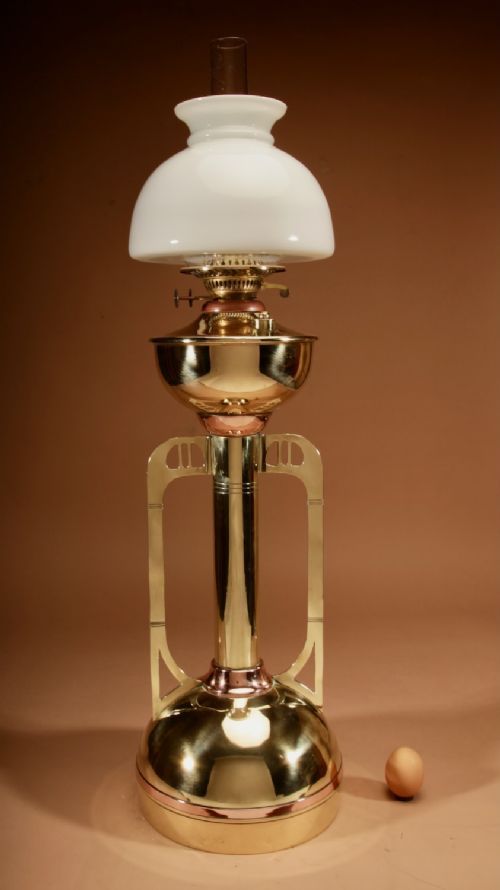
Gustave Serrurier Bovy
The Period Brass Table Lights Glossary
- Ejector candlestick
- A domestic candlestick containing an internal sliding mechanism designed to push out the remaining stub of a wax candle. This mechanical feature helps date pieces to the mid-eighteenth century.
- Ormolu
- Finely chased bronze that has been gilded with a gold and mercury amalgam to produce a rich metallic sheen. The technique was widely employed in French and English Regency lighting.
- Cloisonné
- An enamelling technique where metal wire is soldered to a metal base to create compartments filled with coloured glass paste and fired. These decorated surfaces appear frequently on nineteenth-century Japanese vessels adapted as lamps.
- Baluster
- A turned column support shaped with a swelling convex curve tapering towards the top. This architectural form provides visual balance to heavy Victorian brass candlesticks.
- Pricket candlestick
- A lighting device featuring an upward-pointing metal spike designed to impale a wax taper rather than sitting inside a socket. These forms often derive from ecclesiastical or formal dining contexts.
Period Brass Table Lights: Frequently Asked Questions
How do I convert an old oil lamp?
Converting an oil lamp involves running electrical cord through the existing burner collar without drilling through the original metal reservoir.
Working with a qualified electrician ensures the wiring meets safety standards while preserving the antique body.
Are these lamps safe for daily use?
Most antique lamps require rewiring to modern standards before regular daily use in a home.
Checking the internal fittings and stability of the base ensures the fixture safely supports a contemporary bulb and shade.
How do I clean antique brass safely?
Dusting with a soft dry cloth removes surface debris without disturbing the aged patina.
Harsh chemical polishes strip away centuries of oxidation and should be avoided to preserve the historical character.
How do I tell Georgian brass from Victorian?
Georgian brass tends to feature simpler cast construction with softer, warmer metal tones and lighter overall weights.
Victorian pieces often display heavier industrial casting, crisper machine tooling, and more ornate decorative ornamentation.