

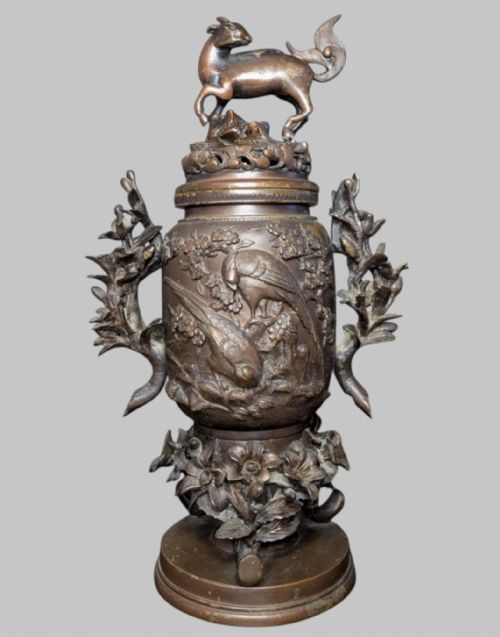


Period Animal Carving
These period animal carving examples bring character to a room through centuries of diverse craft traditions.
Period Animal Carving
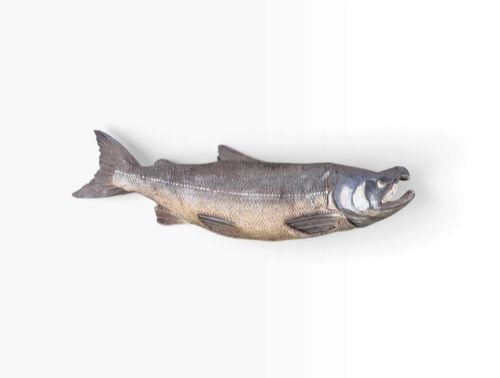
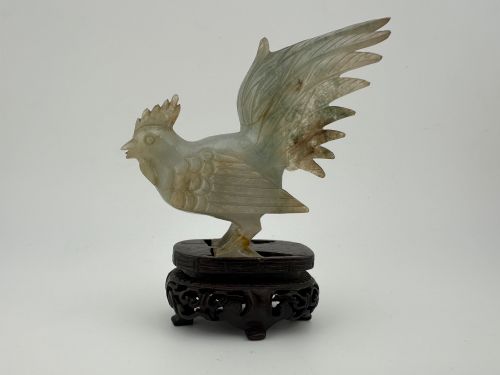
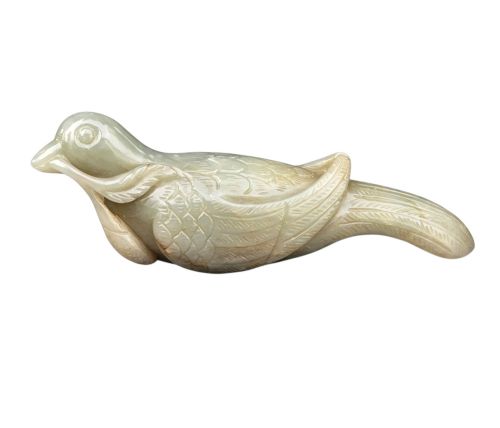
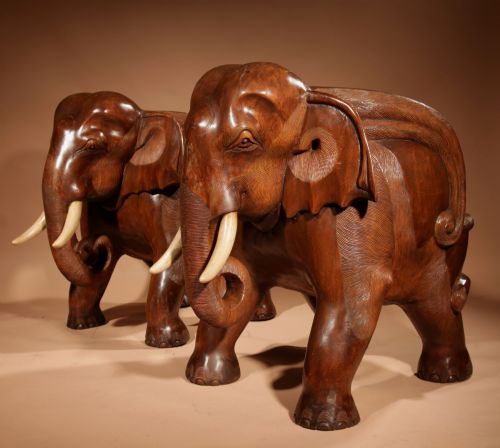
A period animal carving encompasses everything from small Japanese wooden okimono and netsuke to substantial Raj period Indian hardwood elephants and Chinese jade water birds. Buyers searching for a period animal carving find themselves looking at sculpture spanning multiple centuries, continents, and cultural traditions.
The selections on this page draw heavily from nineteenth-century Japanese folk art and Meiji period woodworking, alongside Anglo-Indian ebony and teak animal figures. These regional origins define the character of the forms available to collectors today.
Materials and Methods
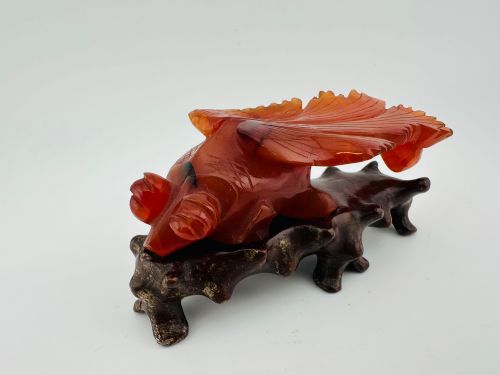
Carvers shaped these figures primarily from dense timbers such as hardwood, boxwood, and ebony, alongside casting methods used for bronze sculptures and incense burners. Artisans also worked with bone, horn, and hardstones like jade and carnelianagate.
Period Animal Carving Retail Price Guide 2026
Typical asking prices for period animal carving among the pieces listed under this phrase on Sellingantiques today, from the lower quarter to the upper quarter. They describe what is for sale here now, not the wider market.
Carved frogs, hares, and cockerels sit quietly alongside monumental elephants and fierce tigers, proving that historical artisans possessed a delightful sense of humour.
Evaluating the Pieces
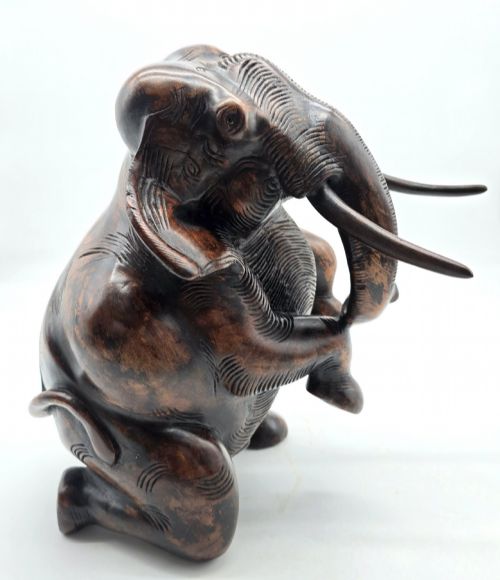
The distinction between standard and superior pieces rests on the naturalism of the carving and the precision of anatomical detail in subjects like bears, tigers, and elephants. Finer works display meticulous attention to texture, expression, and the integration of natural material grains.
Condition and originality also dictate standing, particularly where delicate elements like tusks, stands, or lacquer work remain intact. The harmony between the carved subject and its designated base or mount contributes to the overall cohesion of the piece.
The Period Animal Carving Glossary
- Okimono
- A Japanese decorative carving intended for display, often depicting animals or figures with high levels of detail. These sculptures became prominent during the Meiji period.
- Netsuke
- A small carved toggle fastened to the end of a cord attached to a small container, worn on traditional Japanese garments. Animals frequently serve as the subject matter.
- Inro
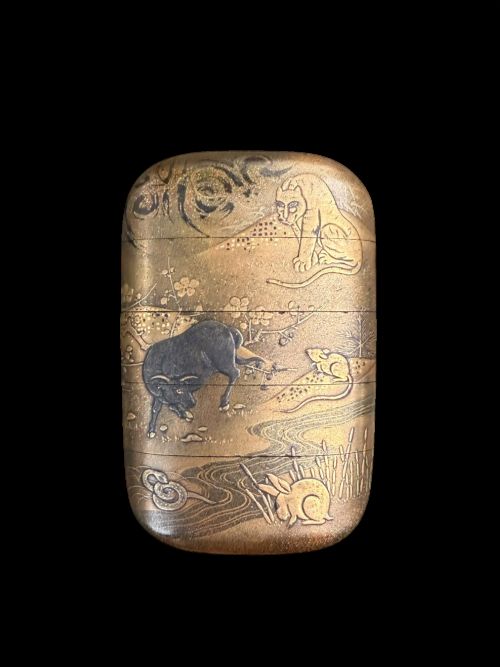
- A traditional Japanese case for carrying small objects, suspended from sashes and occasionally decorated with lacquer animal motifs. They reflect advanced lacquerware techniques.
- Koro
- A Japanese incense burner, frequently cast in bronze and topped with sculptural finials such as goats or other animals. These vessels combine functional utility with decorative metalwork.
Period Animal Carving: Frequently Asked Questions
How do I clean wooden animal carvings?
Dust these items gently with a dry, soft cloth to prevent the accumulation of dirt within intricate carved crevices. Avoid using liquid cleaners or chemical polishes that can damage historic wood finishes.
Keep the sculptures away from direct sunlight and extreme humidity fluctuations to protect the natural timber from drying out or splitting over time.
Where were these wooden bears made?
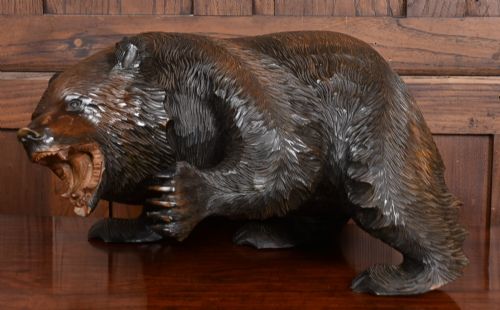
The wooden bear carvings originate primarily from Japan, representing distinct folk art traditions associated with nineteenth-century woodcarvers.
These pieces often showcase regional techniques developed to render dense fur textures and realistic animal postures using local hardwoods.
What defines Raj period elephant sculptures?
Raj period elephant sculptures originate from nineteenth-century India and are typically fashioned from dense tropical hardwoods like teak or ebony.
They frequently depict ceremonial processions or resting animals, sometimes accompanied by human figures and detailed caparisons.
How do I distinguish jade carvings?
Examine the stone for its natural density, cool temperature to the touch, and characteristic pale green colour variations. Authentic pieces often rest upon fitted hardwood stands designed specifically for the carving.
Pay attention to the polish and the subtlety of the incisions, which reflect the skill of the lapidary artisan during periods like the Qing dynasty.