





Pedestal Tray Table
These pedestal tray table pieces combine a raised surface and a central support, offering a practical way to serve or display items.
Pedestal Tray Table
A pedestal tray table brings together a raised rim surface and a single central column, serving as a versatile piece for holding small items. When searching for a pedestal tray table, buyers encounter formats ranging from Georgian tripods to Victorian revolving servers and occasional tables.
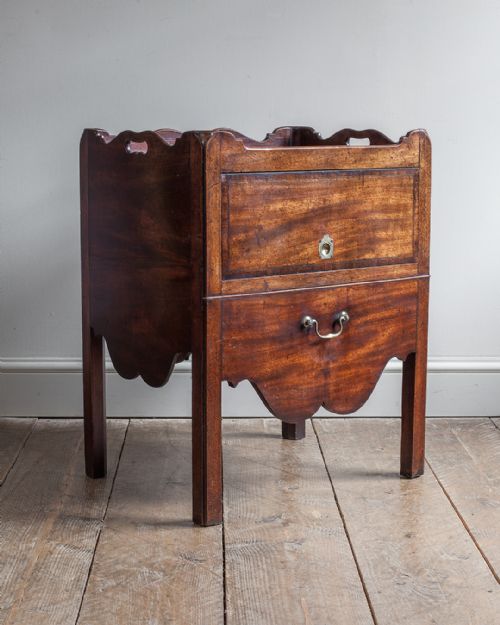
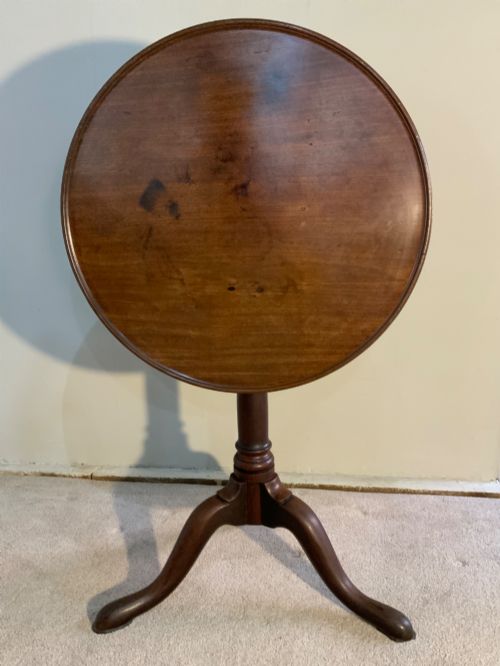
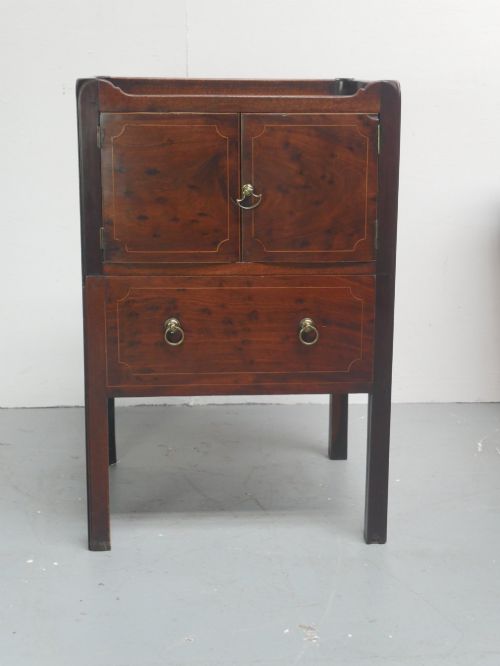
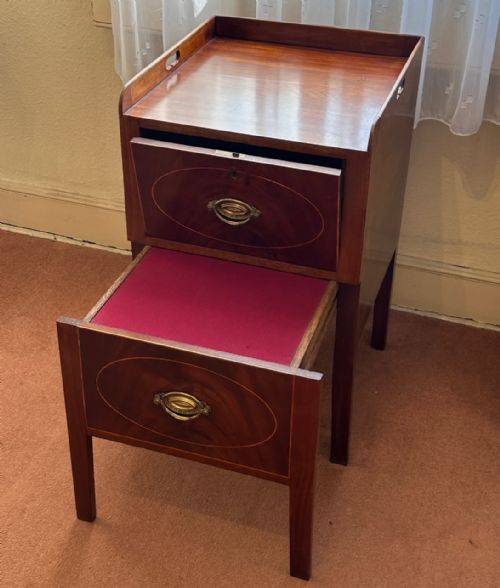
The selections span multiple eras, including Georgian, Regency, Victorian, and early twentieth century examples. Common forms include bedside cabinets, nightstands, dumb waiters, and tilt-top tables with raised edges designed to keep objects secure.
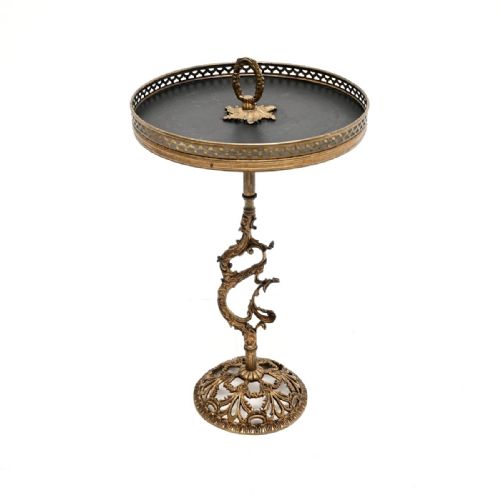
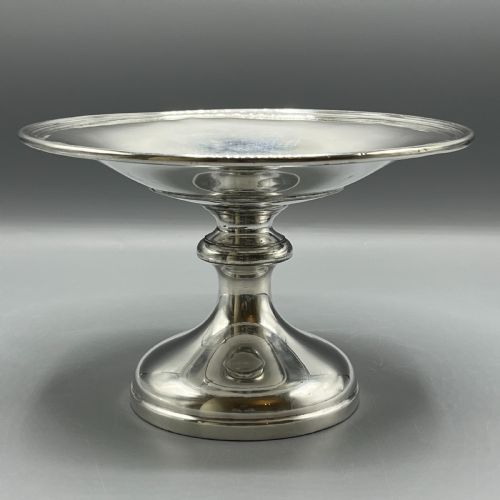
Mahogany dominates the material selection, alongside oak, satinwood, brass, and occasional glass or silver plate additions. These items function equally well as side tables, display surfaces, and functional serving pieces within domestic spaces.
Materials and construction methods
Cabinetmakers utilised solid timbers and veneers, predominantly mahogany and satinwood, shaping them into turned columns and stable tripod or pedestal bases. Joinery techniques varied from traditional dovetails in bedside commodes to secure central pillar mountings.
Surface treatments included hand painting and lacquering on specific tray tops, while others relied on the natural grain of figured mahogany polished to a rich finish. Brass handles, galleries, and hinges appear frequently on pieces requiring mechanical movement or lifting sections.
Pedestal Tray Table Retail Price Guide 2026
Typical asking prices for pedestal tray table among the pieces listed under this phrase on Sellingantiques today, from the lower quarter to the upper quarter. They describe what is for sale here now, not the wider market.
Listings span the eighteenth, nineteenth, and early twentieth centuries, featuring mahogany, oak, satinwood, brass, and butterfly wings.
Distinguishing quality across examples
Quality rests in the precision of the timber selection, such as the depth of grain in mahogany surfaces and the crispness of turned pedestal columns. Superior examples maintain structural integrity at the central joint where the column meets the base and the top.
Refinement shows in the execution of raised edges on trays, hand-engraved details on metal elements, and the smooth operation of revolving tiers or tilt mechanisms. Pieces that retain harmonious proportions between the pedestal height and the tray diameter demonstrate superior design execution.
The Pedestal Tray Table Glossary
- Dumb waiter
- A tiered serving table supported by a central pedestal, designed to hold dishes without requiring an attendant servant. Versions can include revolving sections.
- Tripod table
- A small occasional table supported by three legs radiating from a central pillar. This construction ensures stability on uneven floors.
- Tilt-top
- A tabletop hinged to the pedestal column so it can tilt vertically when not in use. This design allowed tables to be stored flat against a wall.
- Commode
- A enclosed cabinet piece, often containing a cupboard or drawer space below a tray top. In earlier periods, these served practical bedroom functions.
Pedestal Tray Table: Frequently Asked Questions
What is a pedestal tray table used for?
These tables provide a raised surface for serving drinks, holding bedside essentials, or displaying decorative objects.
The raised rim or tray top ensures items remain secure while moved or used throughout domestic rooms.
How do I identify a Georgian pedestal table?
Georgian examples typically feature rich mahogany timbers, hand-turned tripod bases, and subtle proportions designed for intimate rooms.
Details like tilt mechanisms and raised tray edges reflect the practical dining and domestic habits of the eighteenth century.
What materials are common in these pieces?
Mahogany is the primary wood seen across Georgian, Regency, and Victorian periods, often paired with satinwood accents.
Metal elements such as brass appear in handles, hinges, and occasional tray platter constructions alongside glass and silver plate.
Where should I place a dumb waiter table?
A dumb waiter or revolving server fits well beside seating areas or dining spaces where extra surface area is useful.
The multi-tiered revolving designs allow convenient access to serving items from any seated angle.