


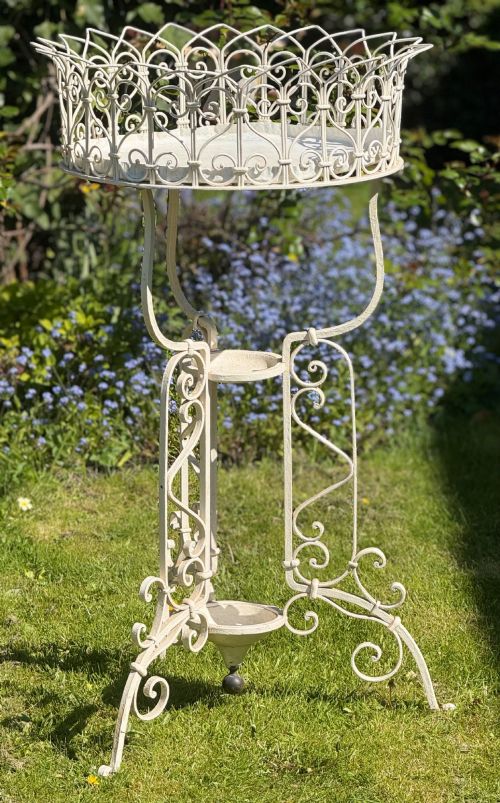


Pedestal Plant Holder
A pedestal plant holder raises greenery to eye level, bringing structure and botanical focus to any room.
Pedestal Plant Holder
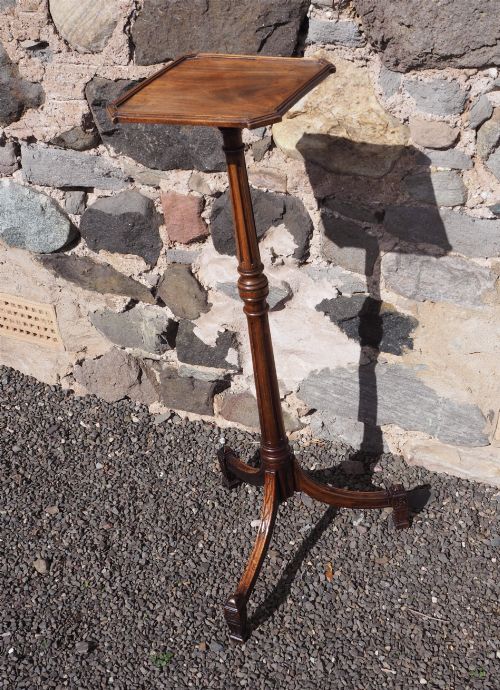
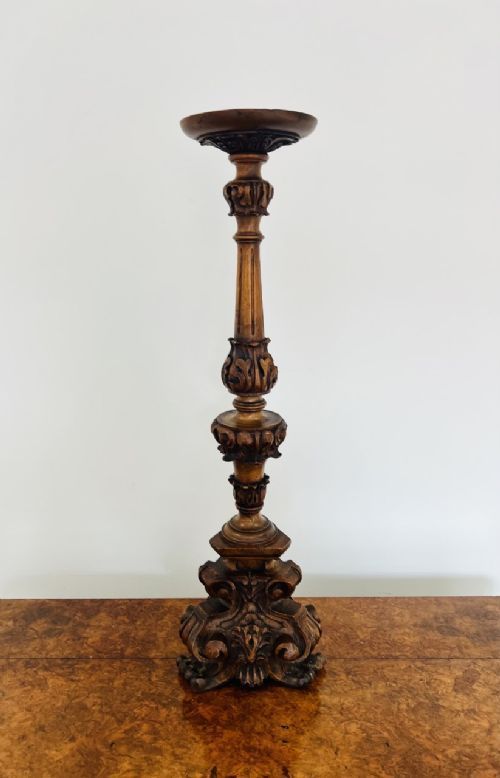
A pedestal plant holder combines a raised stand with a dedicated platform or bowl for greenery, appearing across periods from the eighteenth century to the twentieth century. These furnishings take several forms, including tall torchieres, multi-part jardiniere stands, and column bases paired with planters.
The most common versions encountered on this page date from the Victorian and Edwardian eras, executed in timbers like mahogany and oak or metals such as brass and cast iron. They serve to elevate potted specimens, creating vertical interest in hallways, drawing rooms, and conservatories.
Materials and construction
Timbers such as mahogany, oak, and walnut form the structural core of wooden pieces, often shaped with turnings like barley twist legs, inlaid veneers, or coopered barrel construction. These wooden stands rely on traditional joinery to support the weight of soil, pots, and plants.
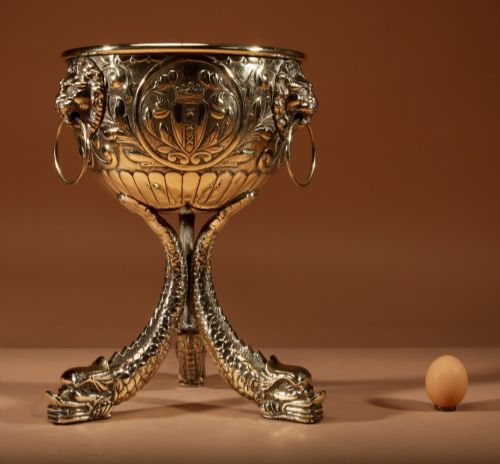
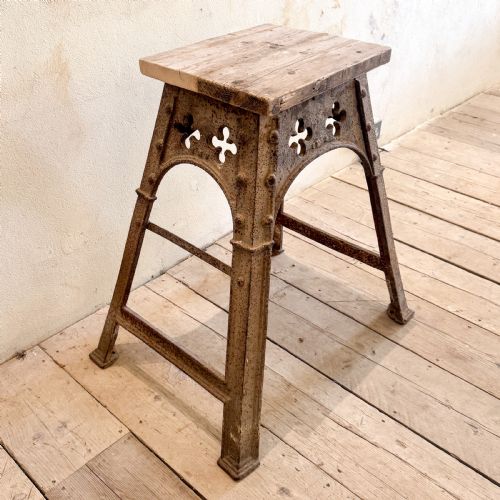
Metal versions utilise brass, cast iron, and wrought iron, frequently featuring embossed, dinanderie, or pressed decorative work on the planter bowls. Marble inserts and earthenware bodies, including majolica and lustre glaze ceramics, provide durable, water-resistant surfaces for holding moisture.
Pedestal Plant Holder Retail Price Guide 2026
Typical asking prices for pedestal plant holder among the pieces listed under this phrase on Sellingantiques today, from the lower quarter to the upper quarter. They describe what is for sale here now, not the wider market.
Listings feature woods like mahogany, oak, and walnut alongside brass, cast iron, and marble across the nineteenth and early twentieth centuries.
What varies in quality
The distinction between standard utility items and finer examples lies in the precision of the carving, the selection of figured timbers, and the crispness of brass embossing. Superior pieces display harmonious proportions between the height of the column and the scale of the bowl or platform.
Integrity of materials also marks the upper range, where original hardware, matching stands and planters, and uncompromised structural joints remain intact. Lesser examples may show heavy replacement parts or mismatched components assembled from different periods.
The Pedestal Plant Holder Glossary
- Torchere
- A tall, slender stand originally designed to hold a candle or light source. In this context, it functions equally well to elevate a plant.
- Jardiniere
- An ornamental pot or stand for holding plants or flowers. They frequently sit atop a dedicated matching pedestal.
- Dinanderie
- A term for various types of medieval and later brass and copperware, often involving embossed or cast ornamentation. Pieces show patterned surface detail.
- Coopered
- Constructed using narrow staves of wood bound together by metal hoops, much like a barrel. This method appears on traditional wooden planters.
- Barley twist
- A type of woodworking turning resembling a twisted rope. It provides decorative texture to wooden support columns.
Pedestal Plant Holder: Frequently Asked Questions
What is a pedestal plant holder used for?
These pieces elevate potted plants, ferns, and floral arrangements off the floor to display them more prominently within a room. They allow foliage to catch more light and create varied vertical levels in interior decoration.
Historically, they also protected delicate flooring from moisture and soil spills associated with indoor gardening and conservatory displays.
How do I care for wooden plant stands?
Protect wooden surfaces from dampness and water rings by using suitable saucers or liners inside any planter bowls. Regular dusting and occasional application of appropriate furniture wax help maintain the finish of timbers like mahogany and oak.
Avoid placing wooden stands directly in pools of water or in overly damp conservatory corners where the wood might warp.
How can I tell the period of a stand?
Dating relies on observing construction methods, timber types, and decorative styles such as Art Nouveau curves or Victorian turned columns. Examining the fixings, screws, and interior wear can also indicate the approximate era of manufacture.
Stylistic markers like inlaid mahogany point toward Edwardian work, while heavier cast iron and dark oak often align with nineteenth-century production.
Can these stands be used outdoors?
Cast iron, wrought iron, and certain garden conservatory stands were built to withstand sheltered outdoor or glasshouse environments. However, antique polished timbers and fine earthenware require indoor conditions to prevent weather damage.
Protecting sensitive materials from frost and direct rain ensures the preservation of decorative glazes and antique wood finishes.