







Pedestal Music Stand
A pedestal music stand offers adjustable height and steady support for scores, drawing the eye with rich timber grains and brass hardware.

Pedestal Music Stand
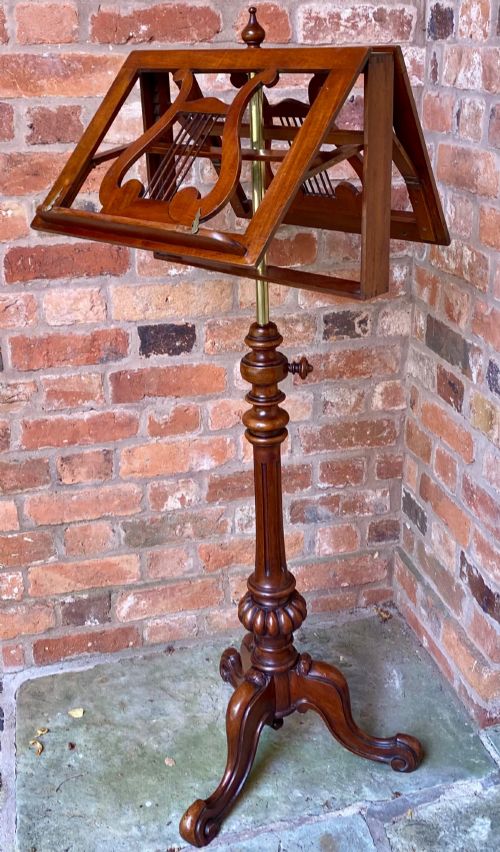
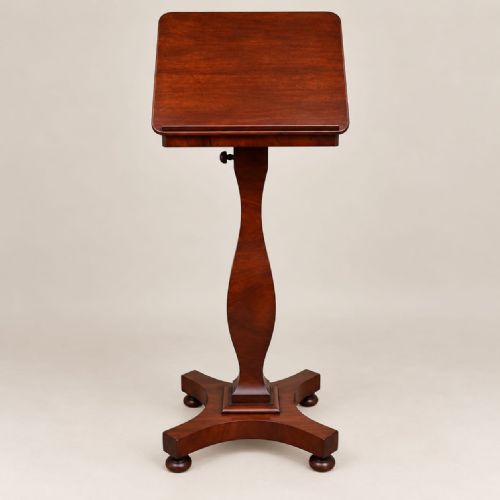
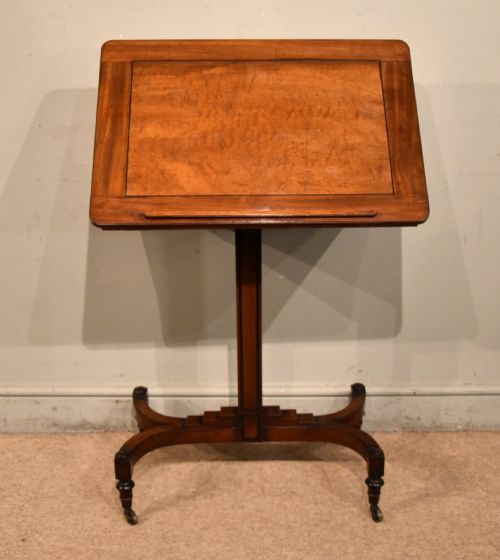
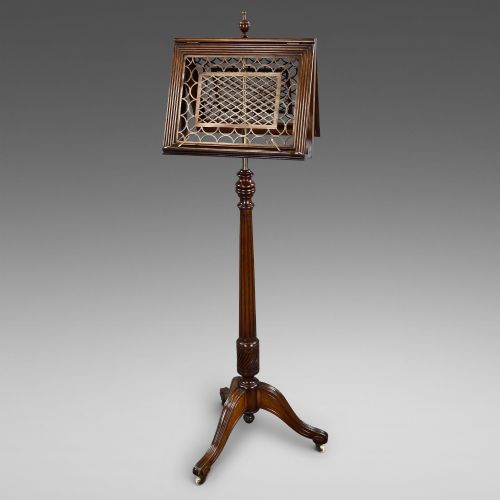
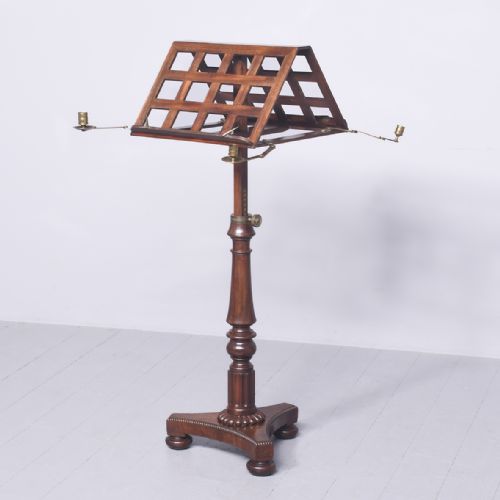
A pedestal music stand is a functional piece designed to hold sheet music or books at a convenient reading height, often featuring an adjustable mechanism. When searching for a pedestal music stand, buyers encounter various forms including dedicated duet stands, reading tables, and combined music tables.
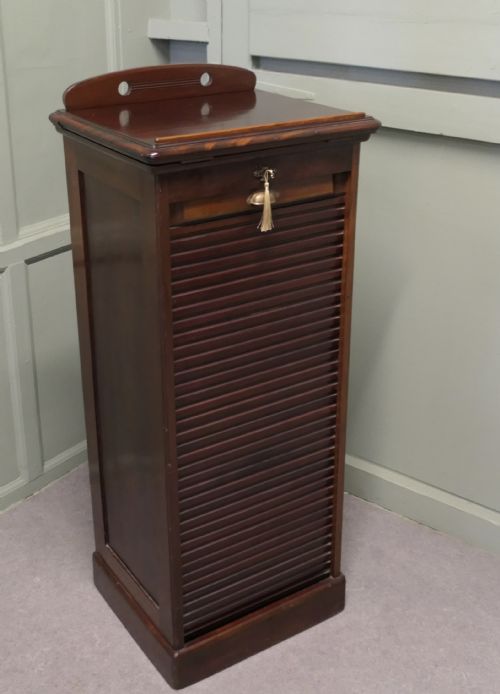
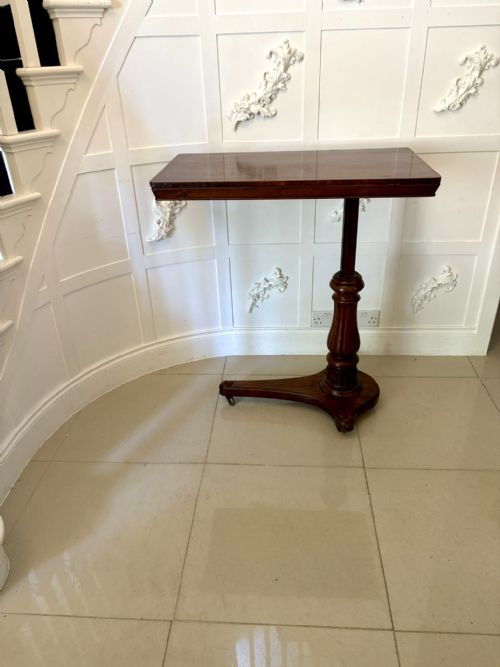
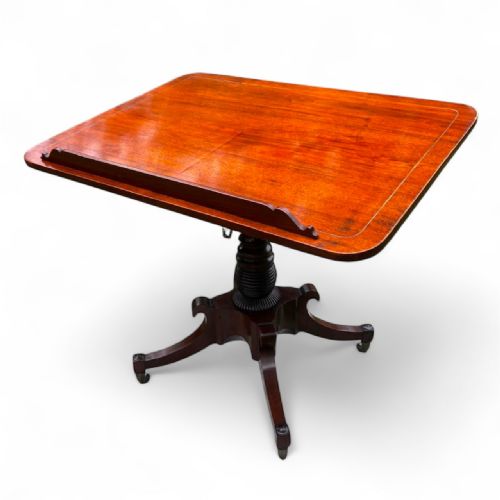
The selections span multiple periods, most frequently appearing in Regency, Victorian, and Edwardian styles. These pieces often blur the line between a music stand and an occasional reading table, serving dual purposes in a period interior.
Makers utilised diverse timber varieties such as mahogany, rosewood, burr walnut, and ebonised wood to construct these stands. Some examples incorporate brass inlay or fretted woodwork to elevate the visual appeal of the design.
Construction and materials
Cabinet makers relied heavily on dense hardwoods like mahogany and rosewood for the structural uprights and book rests. These timbers provided the necessary weight and stability for daily use.
Brass components frequently appeared in the adjustable mechanisms and inlay work, adding a metallic contrast to the dark wood surfaces. Ebonised wood and burr walnut also featured prominently, providing different surface textures and visual depths.
Pedestal Music Stand Retail Price Guide 2026
Typical asking prices for pedestal music stand among the pieces listed under this phrase on Sellingantiques today, from the lower quarter to the upper quarter. They describe what is for sale here now, not the wider market.
Some nineteenth-century musicians clearly practiced so hard they required a piece of furniture sturdy enough to double as a heavy library table.
Assessing quality
The refinement of the adjustable mechanism dictates much of the distinction in quality among these pieces. Smooth operation in height and tilt adjustments reflects superior original workmanship.
The choice of timber figure, such as well-matched mahogany grain or intricate brass inlay, separates standard utilitarian pieces from more ambitious workshop productions. Finer examples also exhibit meticulous fretwork and balanced proportions on the central pedestal base.
Denby and Spinks
The Pedestal Music Stand Glossary
- Duet stand
- A wide music stand designed to accommodate two musicians reading from the same open score simultaneously. These often feature adjustable twin ledges.
- Ebonised wood
- Timber treated with a chemical stain or finish to simulate the appearance of expensive ebony. This technique gained popularity during the Victorian period.
- Metamorphic
- A descriptive term for furniture that transforms from one form to another, such as a reading table converting into a music stand. These designs showcase clever mechanical ingenuity.
- Fretted
- Woodwork pierced with decorative openwork patterns, often seen on the book rests of music stands to reduce weight and add ornamentation.
- Canterbury
- A low stand featuring partitions for holding sheet music, books, or magazines, occasionally incorporated into music furniture designs.
Pedestal Music Stand: Frequently Asked Questions
What is a pedestal music stand?
A pedestal music stand is an adjustable piece of furniture designed to hold sheet music or books at a comfortable height for a musician or reader.
These pieces typically feature a central wooden column supported by a weighted base, topped with a tilting or adjustable desk.
How do I date a music stand?
Dating relies on identifying stylistic markers from periods such as Regency, William IV, Victorian, or Edwardian. Timber selection, such as rosewood or mahogany, and the style of brass mechanisms also provide chronological clues.
Construction techniques and secondary woods further help narrow down the decade of manufacture.
Were these stands used for reading?
Many examples double as reading tables or book stands rather than strictly serving musicians. The adjustable desks made them versatile for holding heavy volumes, letters, or newspapers.
Catalogues from the nineteenth century frequently marketed them for both musical and general library use.
How do I maintain the wood?
Keep the timber clean using a soft, dry cloth to remove dust without scratching the polished surface. Avoid placing the stand in direct sunlight or near heat sources to prevent the wood from drying out.
Occasional application of appropriate wax helps preserve the natural sheen of mahogany or rosewood.